July is when backyard tomatoes either take off or quietly fall apart. The plants are big by now, heavy with green fruit and pushing hard through the hottest stretch of the year – which is right when small problems snowball into season-enders. Blossom end rot sets in, skins split, and a fungal spot creeps up the lower leaves before anyone notices. Most of that traces back to a few tasks that get skipped in the heat, not to bad luck.
The good news is that ten minutes of attention now pays off for weeks. Anyone already comfortable with growing tomatoes knows the vines are forgiving up to a point, and midsummer is where that forgiveness runs thin. A little pruning, steady water, a nutrient nudge at the right moment – these are the moves that keep fruit setting through August instead of stalling out in a tangle of leggy growth and cracked skins. None of it takes special skill. It just takes doing it before the plant forces the issue.
What Your Tomatoes Need in July
The plants aren’t asking for much in July, but the little they need, they need on time. Skipping a step doesn’t show up right away – it shows up three weeks later as cracked fruit or a vine half-taken by blight. Ten minutes now buys a lot of tomatoes later, and better-tasting ones at that.
1. Low-Leaf Haircut for Airflow and Blight Prevention
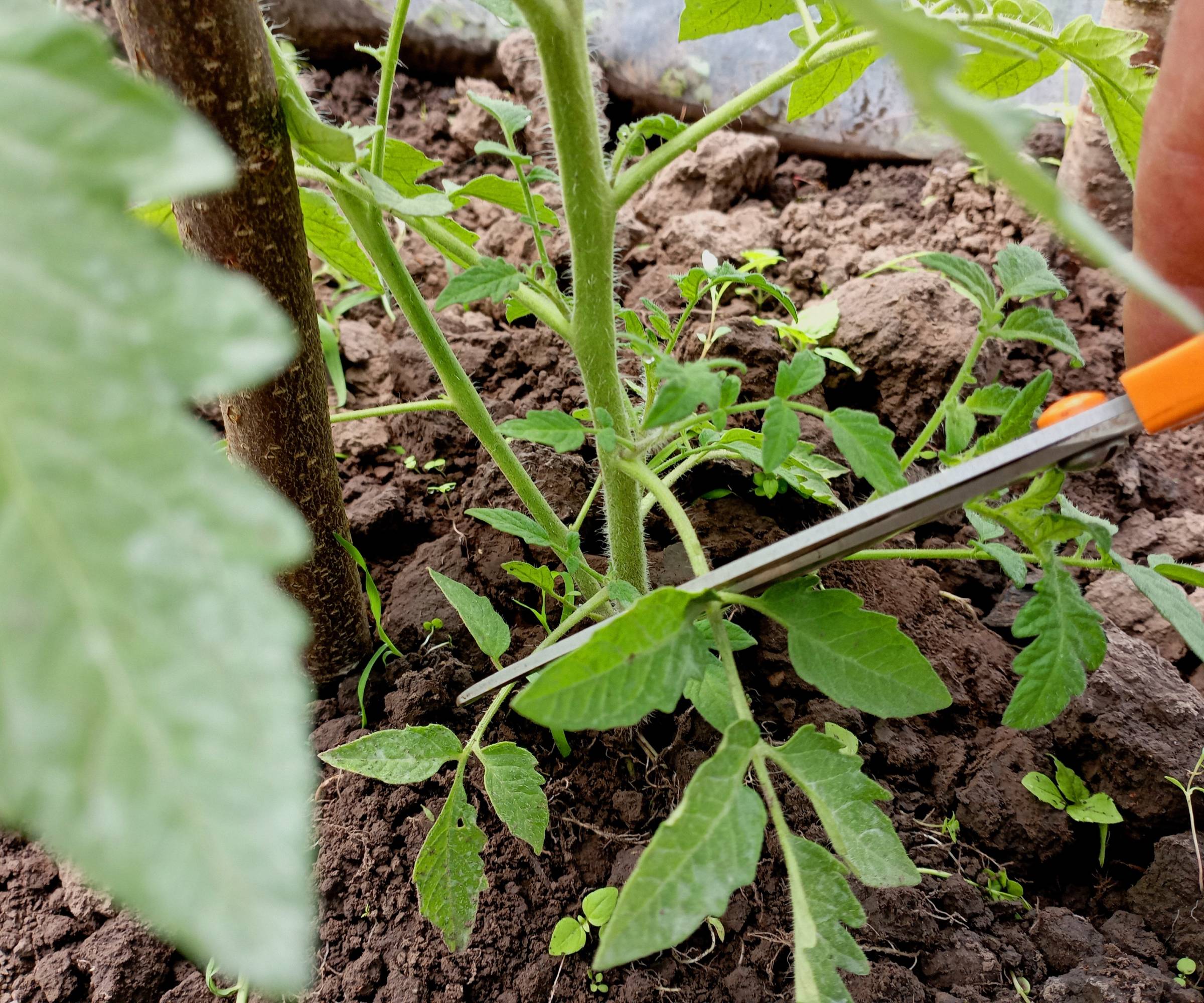
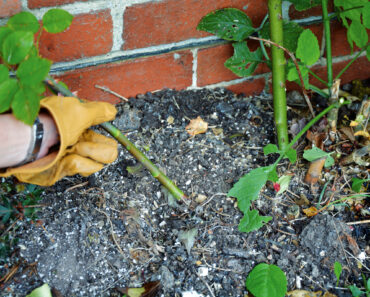
When pruning tomatoes, start at the bottom. Those lower leaves touching the soil, or hovering just above it, are the first place blight and early leaf spot get a foothold – rain splashes soil-borne spores up onto them, and from there the trouble climbs. Stripping the bottom 6 to 12 inches (15 to 30cm) of foliage off each plant opens up airflow right where things sit stagnant and humid. It looks a little brutal the first time. The plant won’t miss them.
Those low leaves aren’t doing much photosynthesizing anyway, shaded out by everything above. Pulling them lets air move through the base and dries the zone out faster after a storm, which is half the battle with fungal trouble. Do it on a dry morning so the wounds seal before evening humidity settles back in. A clean cut or a clean snap, either works – just don’t leave torn stubs that invite rot.
2. Consistency With Deep Watering
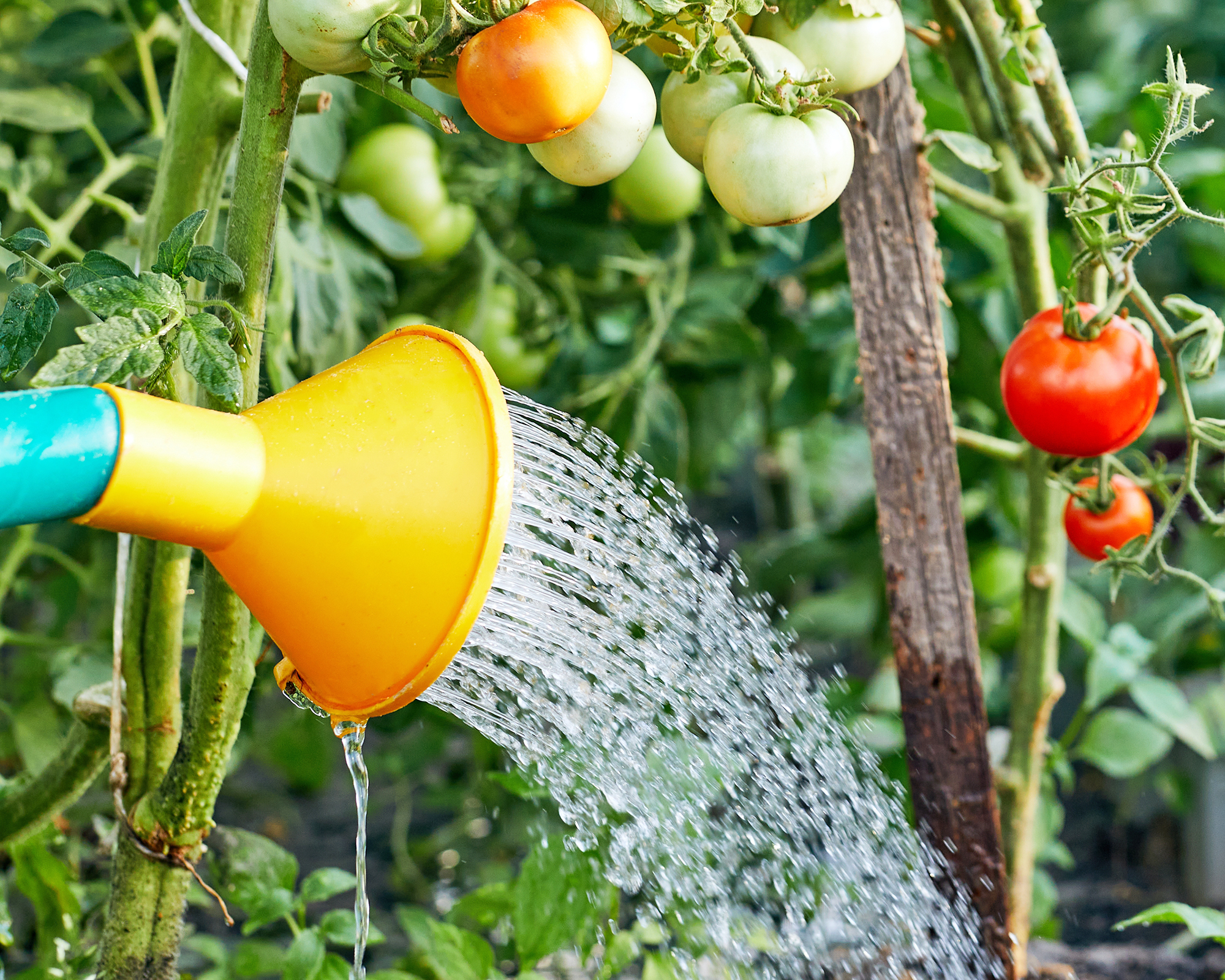
Tomatoes hate surprises when it comes to water. Deep, consistent soaking is what heads off blossom end rot and split tomatoes both, and the two problems actually share a cause – erratic moisture. When a plant goes bone dry and then gets flooded, the fruit swells faster than the skin can stretch, and it cracks. Calcium uptake stalls during the dry stretches too, which is what triggers that sunken dark patch on the bottom of the tomato.
The fix is boring, but it works. Water tomatoes deeply and less often, right at the base. A couple of long soakings a week beats a daily sprinkle that only wets the top inch (2.5cm). A drip line or soaker hose from Amazon takes the guesswork out of it, running slow and low so moisture sinks down to where the roots are. Mulch over the top of that and the ground holds even between waterings. That last part is honestly reason enough to mulch.
3. Midsummer Sucker Pruning
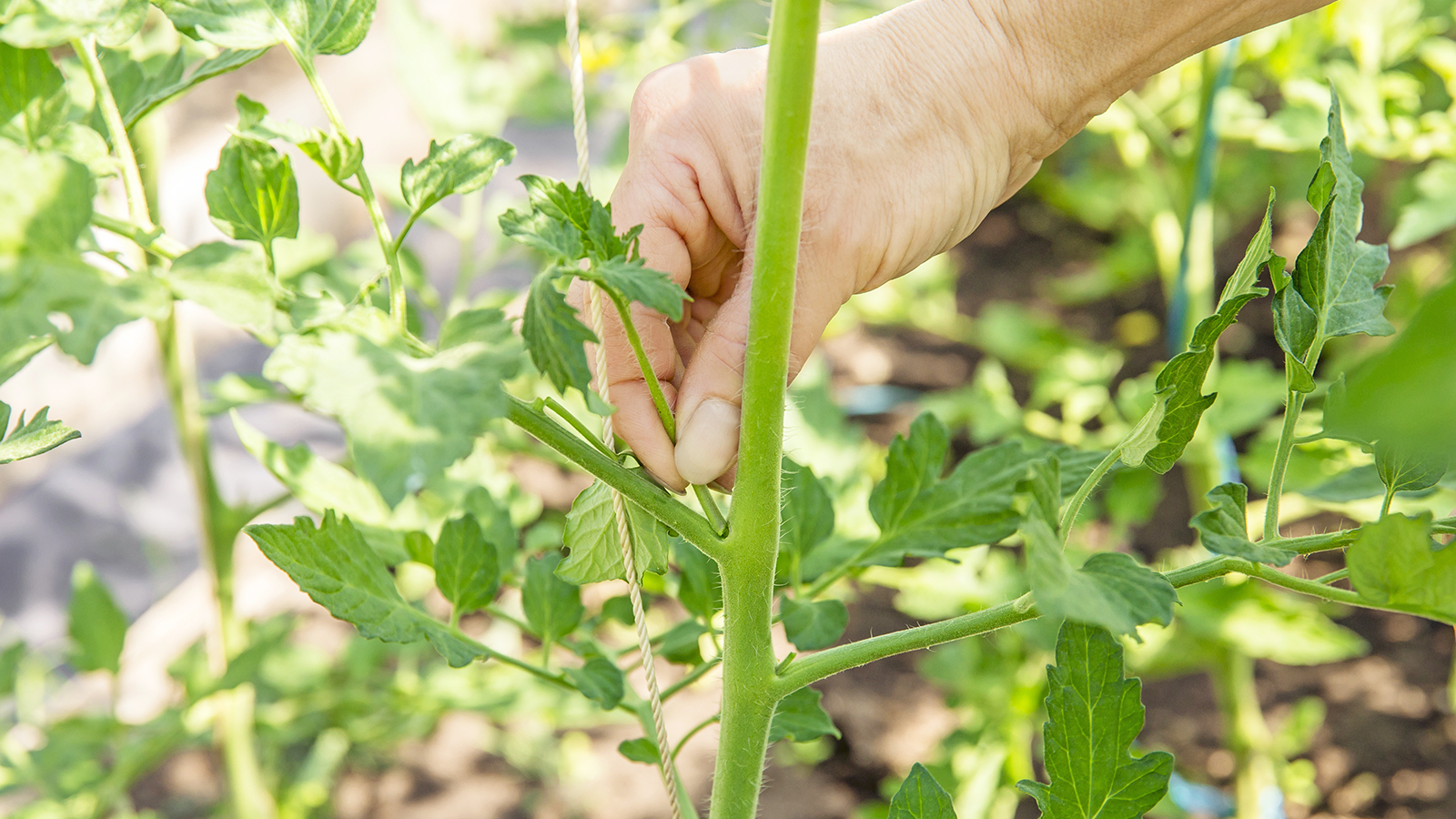
Tomato suckers are the little shoots that pop out in the crotch between the main stem and a branch. Left alone, especially on indeterminate types, they grow into whole secondary stems that eat energy the plant could be putting into fruit. Midsummer is prime time to stay on top of them, since the vines are growing fast and throwing new suckers weekly. Pinch them out while they’re small – thumb and forefinger, no tools needed.
There’s a limit to this, though. Determinate tomatoes set most of their crop at once and shouldn’t be sucker-pruned much at all, since every growing tip counts toward the harvest. On indeterminate tomatoes, a light hand beats a heavy one in the heat. Strip too much foliage and you expose fruit to sunscald, those pale leathery patches that show up on shoulders baking in full sun. Take the obvious suckers, leave enough canopy to shade what’s ripening.
4. Mid-Season Potassium Boost
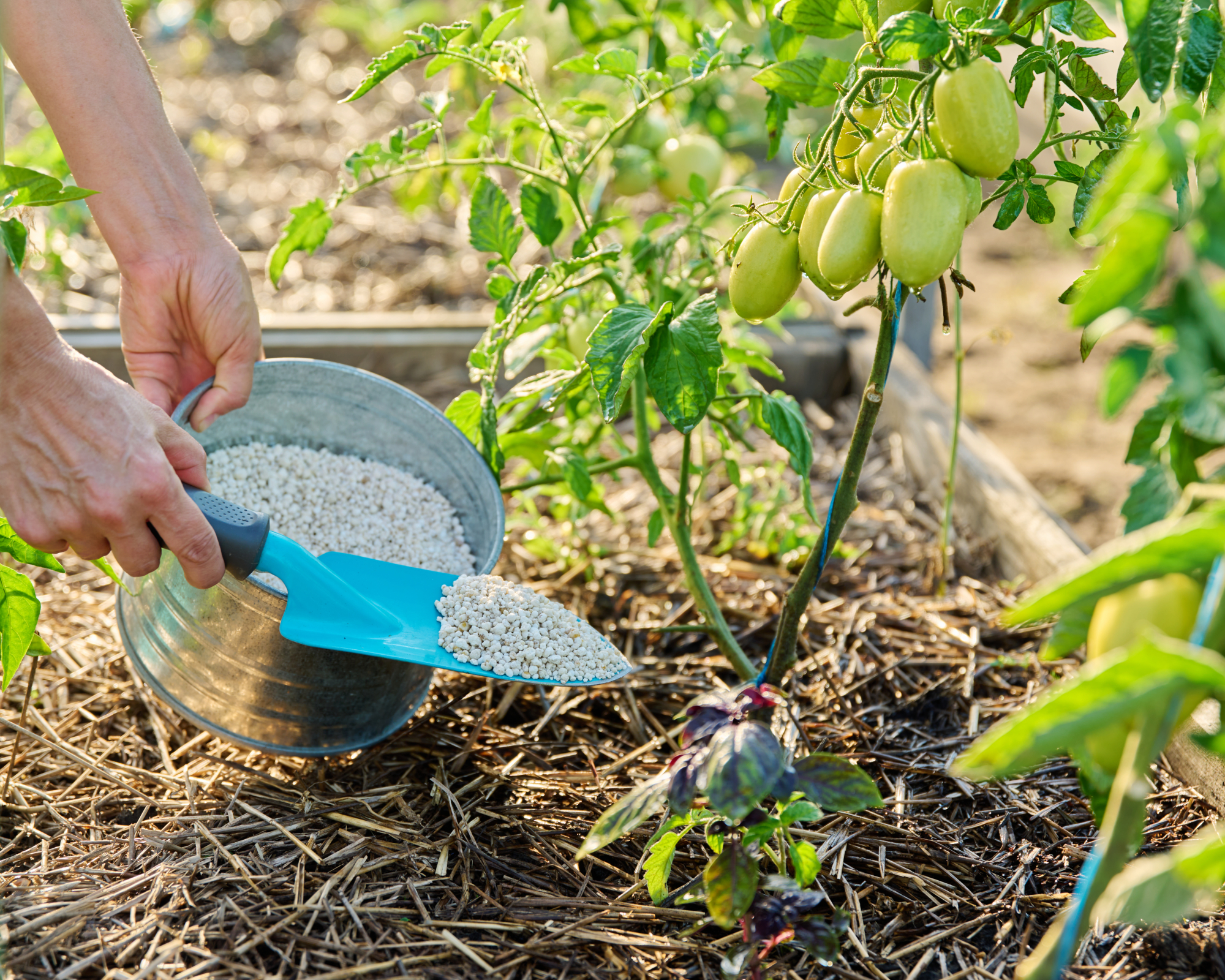
By July, the early fertilizer is mostly used up and the plant is heading into its heaviest fruiting stretch. This is where a potassium boost earns its keep – potassium drives fruit development and flavor, and a mid-season side dressing keeps production from tapering off early. Skip fertilizing tomatoes with the high-nitrogen stuff now. Nitrogen at this stage just pushes leafy growth at the expense of the tomatoes already forming.
Side dressing is simple. Scatter a low-nitrogen, higher-potassium feed in a ring a few inches (7 to 8cm) out from the stem, scratch it into the soil surface, then water it in. Something along the lines of a tomato-specific granular fertilizer from Amazon does the job without much fuss. The plant picks it up over the following weeks, right as the fruit load peaks. Do it once now and most gardens won’t need another round before the season winds down.
5. Reinforcing the Rigging
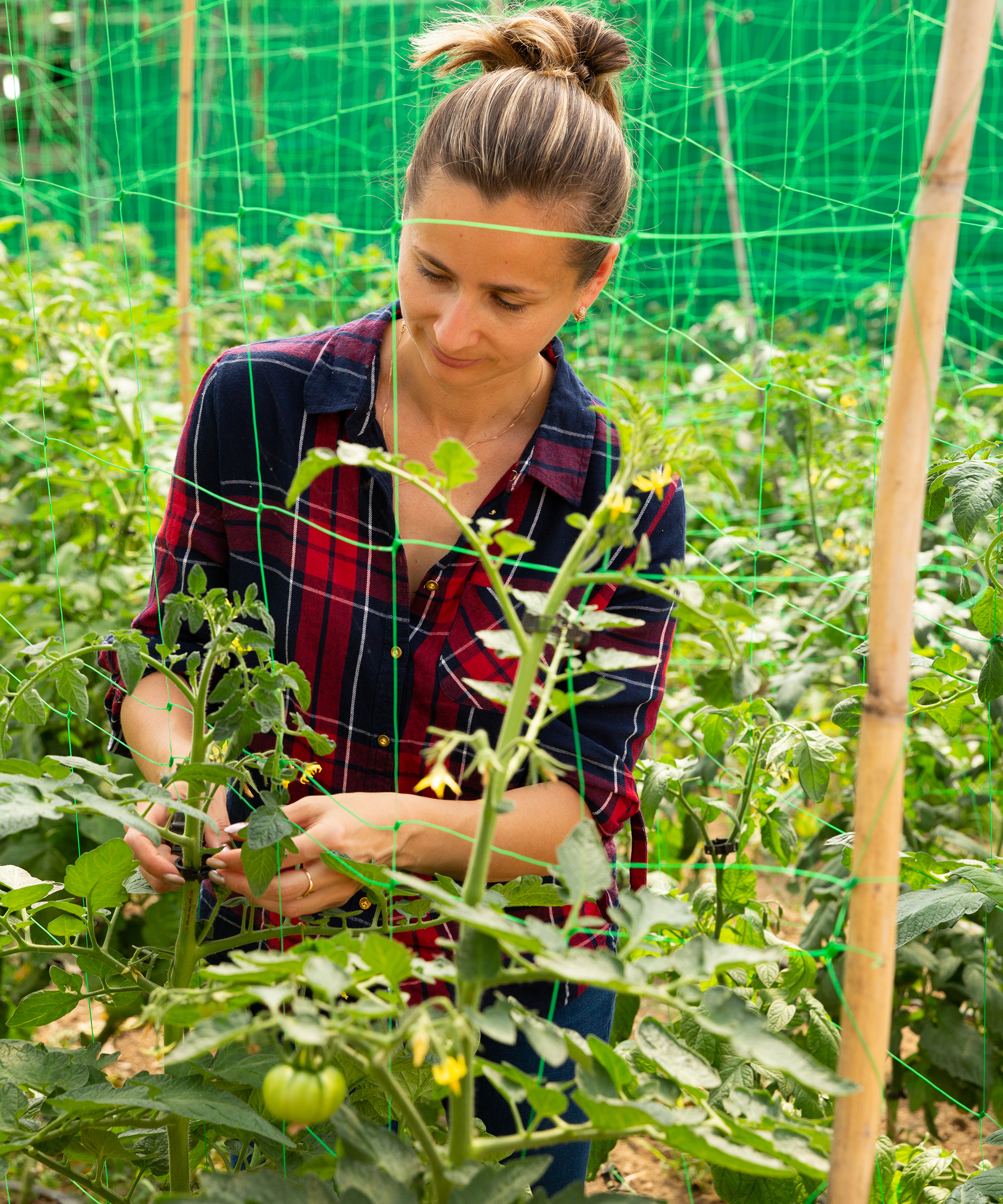
All that fruit has weight, and July is when supports start giving out. A cage that held fine in June leans under a fully loaded plant, and once a stem kinks or snaps, that whole branch of developing tomatoes is finished. Walk the row and look for strain. Maybe a stake has worked loose, or a tie is starting to bite into a thickening stem. Better to catch it before a storm rolls through and lays everything flat.
Loosen any ties that are cutting in and re-secure with something soft. Strips of old T-shirt work, or these adjustable plant ties from Amazon that don’t dig into the stem as it thickens. Add a stake where a plant is outgrowing its cage, and tie in the heavy trusses so they’re not hanging off a single joint. Ten minutes of reinforcement now saves a snapped main stem later, and there’s no coming back from that one.
6. Snapping Off Key Growing Tips
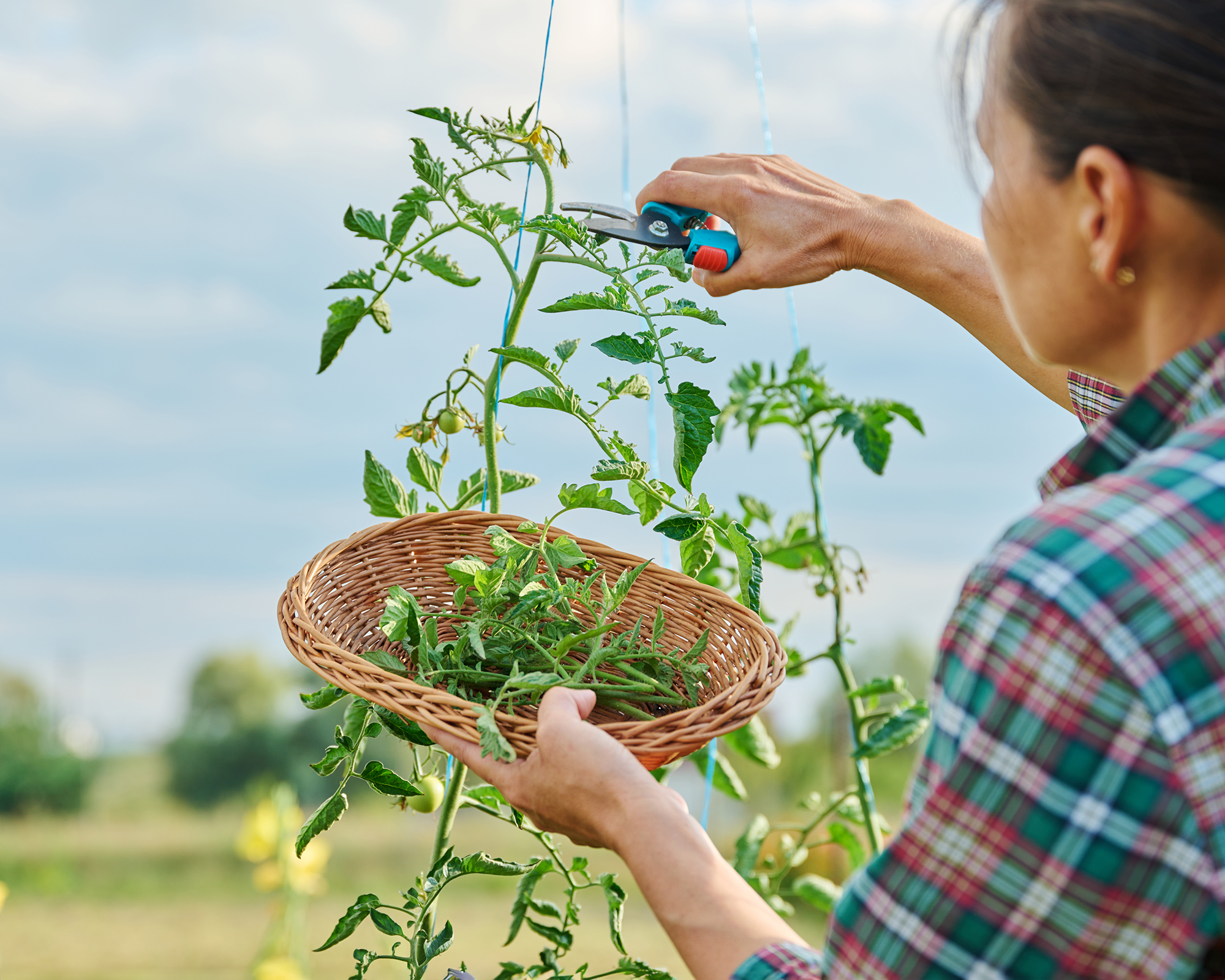
This one’s aimed at the tail end of the run, but it’s worth knowing about now. Toward the close of tomato season – usually mid to late summer, depending on climate – snapping off the growing tips of indeterminate plants tells them to quit making new growth and ripen what’s already there. Any flower cluster that opens past a certain point won’t have time to mature anyway, so the plant does better funneling that energy into the fruit already hanging.
It’s called topping, and it can be the difference between a pile of green tomatoes at first frost and a properly ripe haul. Cut or pinch the top few inches (7 to 8 cm) off each main stem, just above the highest cluster worth keeping. Everything gets redirected downward. In shorter-season areas it’s close to essential; in long, warm climates there’s less urgency, though it still helps concentrate flavor late in the year. Miss July, and tomatoes coast. Get it right, and they produce like they’ve got something to prove.