
A compost bin gives you the satisfaction of turning kitchen and garden waste into rich, crumbly compost, which you can use as a mulch in the garden or mix with loam and leaf mould to make your own potting mix. What’s more, because food and garden waste releases methane (a harmful greenhouse gas) when sent to landfill, composting is good for the planet, too.
There are lots of types of compost bin available to buy, at the garden centre or via your local council, but it’s also easy to make your own. All you need is a bit of time, some basic tools and some old pallets.
Our compost bin shopping list
You might already have what you need to get started on making your compost bin. If you don’t, we’ve done the hard work for you with our handy shopping list.
- Hawksmoor Carbon Steel Rake 350mm | from £21.98 at Toolstation
- Grade One Stamped Euro Pallets | from £14.99 at safefence
- 1.5m Wooden Posts Treated – 10 Pack | from £38.99 at premierbarriers
- Magnusson Carbon steel Sledge Demolition hammer 6.61lb | from £18.90 at B&Q
- Bahco 10-24-51 Bowsaw 24In | from £23.94 at Amazon
- Stainless Steel Wire Rope 1mm Drum 100m | from £13.10 at Essential Supplies
You Will Need
- Spade or rake
- Strong wooden pallets (4)
- Sturdy wooden stakes (6)
- Sledgehammer
- Bow saw
- Strong wire
Total time: 1 day
Step 1
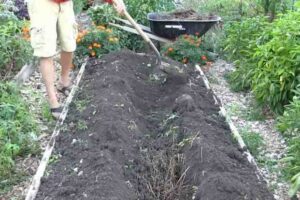
Clear the area where you’re going to put the compost bin and, if necessary, level the ground using a spade or a rake. You need to stand the bin on bare soil, not paving. Add a base of chicken wire if you are worried about rats getting in.

Step 2
Take a pallet and stand it on its long edge to form the back edge of the compost bin. Push a stake through the two layers of the pallet at either end, using a sledgehammer to drive them firmly into the ground – about 20-30cm deep.

Step 3
Position the remaining two pallets at right angles to the first to make the sides, butting the corners tightly together to stop compost spilling through the gaps. Fix in place with stakes in each corner, as in step 2.

Step 4
To keep the structure stable, wire the pallets together at each corner. Trim the tops of the stakes with a bow saw.

Step 5
Wire the last pallet onto the front of the right side pallet to make a gate – you’ll need to open it when you want to get to the compost – and start filling your bin with garden and kitchen waste. It’s a good idea to cover your bin with carpet or other material to keep it warm – this will help to speed up the composting process. And check that it is moist – you may need to water it lightly in warm weather.

Frequently asked questions
Help! My compost bin is full of slugs
Don’t worry about slugs or snails in your compost bin. Many slugs are detritivores, meaning that they eat decaying plant and animal matter, so they play a vital part in helping the compost heap break down. When the compost is ready to use as a mulch in the garden, you may find slug eggs. Simply transfer these back into your compost bin so the young slugs can continue to help with the composting cycle.
What base is best for a compost bin?
It’s best to stand your compost bin directly on the soil, as soil micro-organisms, detritivores and other fauna will have direct access to the heap and help it to start breaking down. However, a stone base, such as a concrete slab, is fine. Just add a couple of spadefulls of garden soil to the bottom of the bin to help speed up natural colonisation, and therefore decomposition.
Help! There are ants in my compost bin
Ants are common in compost bins when the material becomes dry – they don’t colonise moist heaps. The best thing to do is to encourage them to move on by leaving the lid off the bin for a few hours – this will expose the nest and the worker ants will move it, along with all of the ant eggs, elsewhere. Then, when they have vacated the nest, simply water it to dampen the material, and the composting process will resume. Never put ant powder on a compost heap. Ant powder is designed for use indoors and may have a detrimental effect on the garden ecosystem, including other invertebrates like worms and spring tails. If using the compost to grow vegetables, ant powder could also end up contaminating your food.