Most vegetable gardens are fed on a loose schedule: a scoop of granular in spring, maybe a mid-season boost, whatever the instructions on the bag suggest. That works fine most of the time. But what many gardeners don’t realize is that when you fertilize plants matters nearly as much as what you feed them. The gap between a well-timed dose of fertilizer and a badly-timed feeding shows up fast, sometimes as scorched roots and sometimes as a plant that sulks for a week instead of taking off.
Figuring out the best time to fertilize plants isn’t complicated, though. Plants only draw on nutrients when they’re actively growing and the soil around their roots is damp enough to carry those nutrients. Feed during that window and the plant takes up nearly everything on offer. Feed outside of it and a good share of that fertilizer either sits there unused or, worse, harms the plant it was meant to help.
Here’s exactly when to fertilize your vegetable garden for a bigger harvest and thriving plants. Plus, find out the worst time to feed plants.
Best Time to Fertilize Vegetables
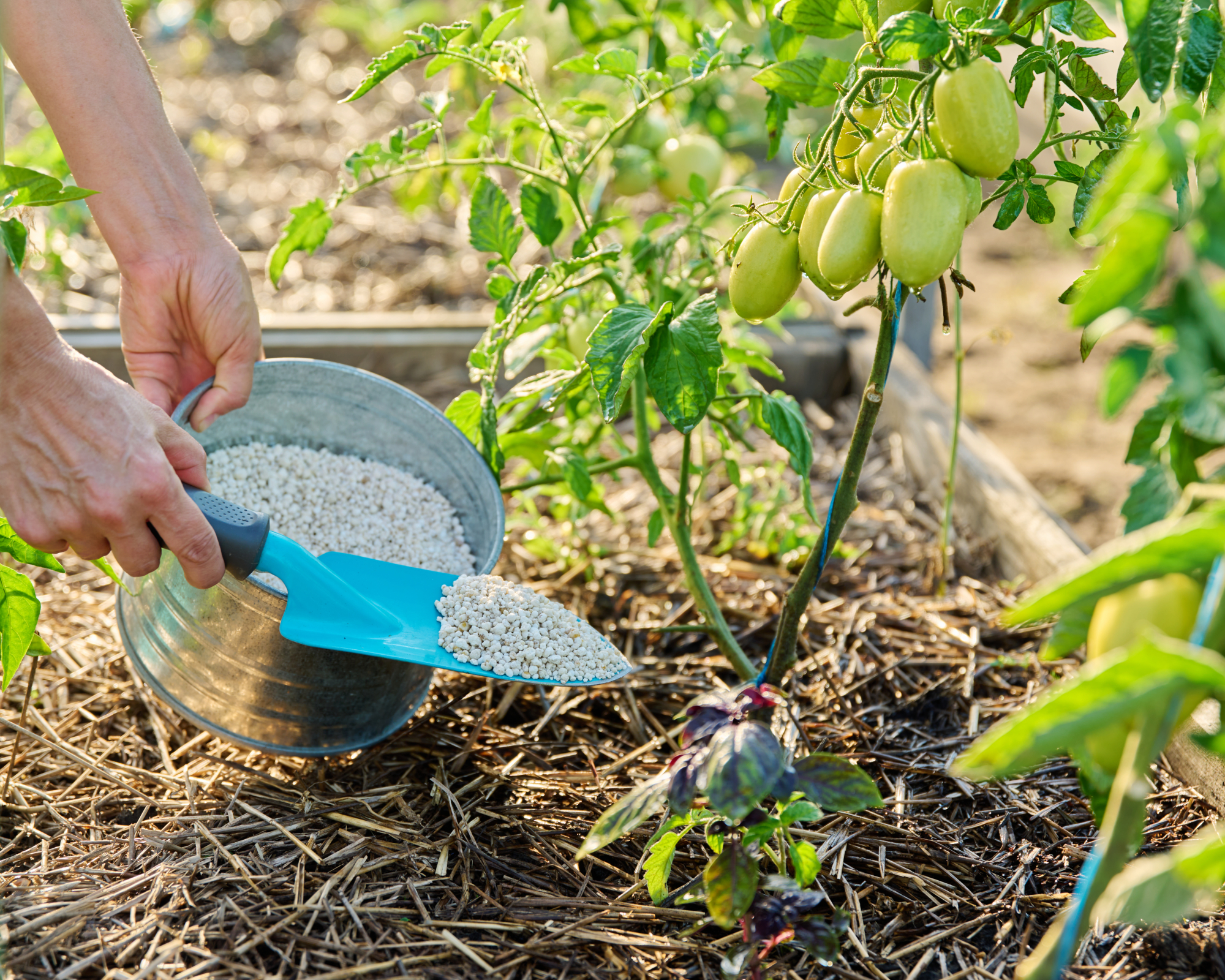
The best time to fertilize a vegetable garden is when plants are actively growing and the ground is already damp. For most vegetables that is sometime between early establishment and fruit set. At that point, the plant moves from building leaves to filling out fruit and it stays hungry the whole way through this process.
If you fertilize during this phase, the nutrients get pulled up and put to work almost right away. Fertilize plants on a cool, overcast morning and it helps even more since your veggies aren’t spending everything they have just trying to survive the heat of the day.
Morning is the friendliest time slot for fertilizing before the heat builds. The soil is usually still holding moisture from overnight, the roots are awake, and there’s a long stretch of mild conditions ahead for the plant to use the nutrients you’re giving it.
Watering first or feeding the day after decent rain makes a real difference. Nutrients need water to travel and dry soil just leaves them stranded up top. A balanced liquid fertilizer from Amazon works quickly since it’s already dissolved in water and ready for the roots to absorb.
Why This Is the Ideal Time
Fertilizing your vegetable garden on a damp morning during a period of active growth isn’t only about being tidy. It changes how much of the fertilizer your plants can actually reach.
Nutrients provided while roots are active and the soil is moist get absorbed better, instead of washing past the root zone during the next hard rain. That means less waste, and less runoff that carries nutrients somewhere they were never meant to be. More of what you paid for actually gets to the plant.
There’s a knock-on effect on growth, too. A plant fed steadily through its hungry phase grows at an even pace, which usually means better fruit and fewer of the soft, sappy shoots aphids attack. Provide too much nitrogen too late in the season, though, and the plant puts out lots of leaves when it should be ripening fruit. The feed technically worked, but it aimed the plant at the wrong goal.
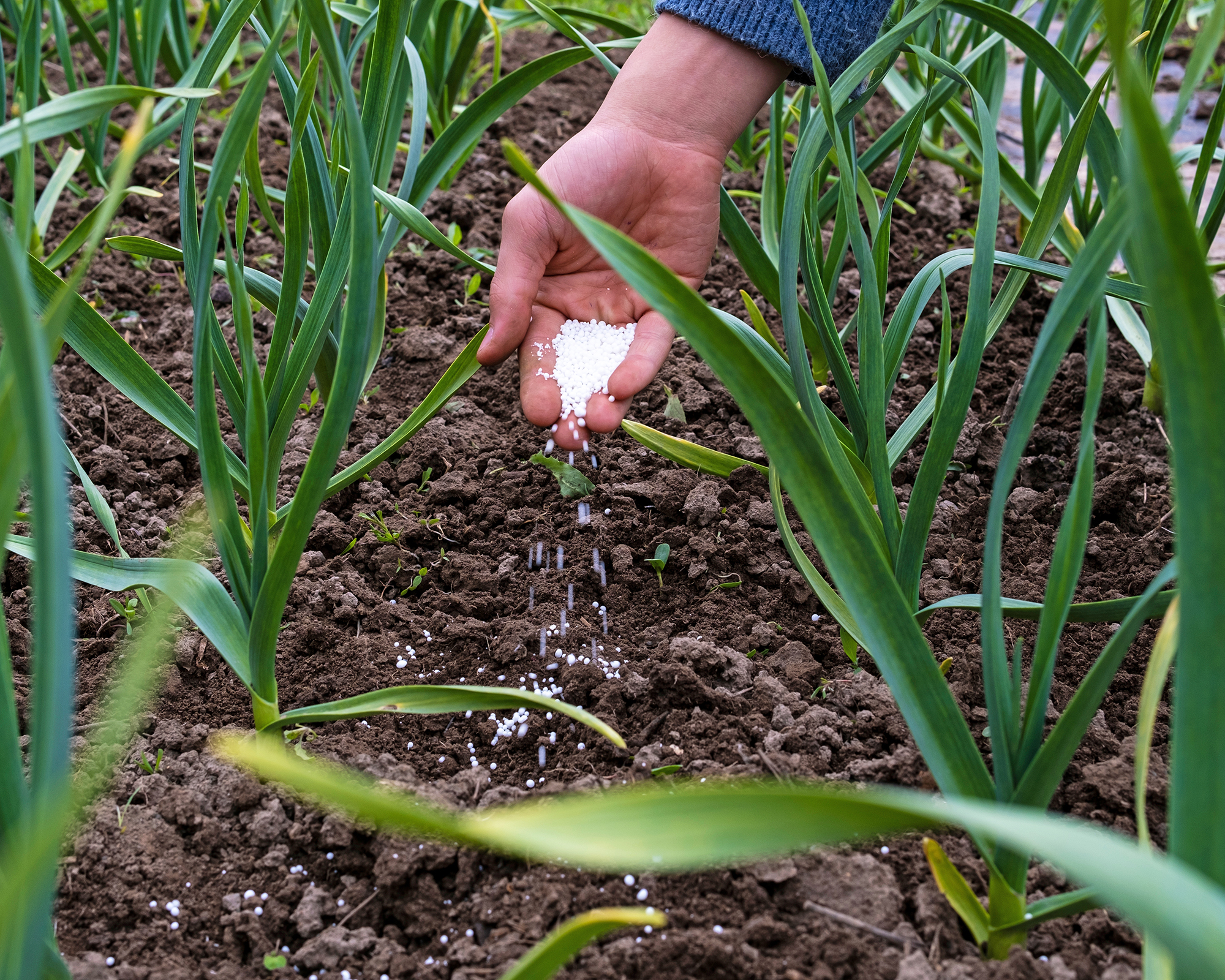
Worst Time to Fertilize Vegetables
Here’s the main lesson to take away when it comes to fertilizing vegetables: never feed a plant that’s already stressed from heat and dry soil. It may seem almost backwards – the plant looks like it’s suffering, so surely a boost of nutrients would help? It won’t. Fertilizer is essentially salts and salts in dry ground pull moisture the wrong way, drawing it out of the roots instead of into them.
If the top few inches (8 cm) of soil feel bone dry, that’s the signal to hold off. A soil moisture meter from Amazon helps you tell if you’re soil is too dry in seconds, if the surface moisture is hard to read. For a wilting, sun-baked plant, feeding is a fast track to fertilizer burn or scorched root tips and crispy leaf edges that appear in just a day or two.
Follow the same precaution when feeding any plant that is visibly struggling – that includes wilting in the heat or new plants suffering transplant shock. Feeding rarely fixes those issues. More often it stacks stress onto a plant that is already maxed out.
It’s better to solve the problem first, usually by watering your vegetable garden, and let plants steady themselves before adding fertilizer. A hungry plant can perk back up in just a few days. A burned one takes a lot longer to come back.
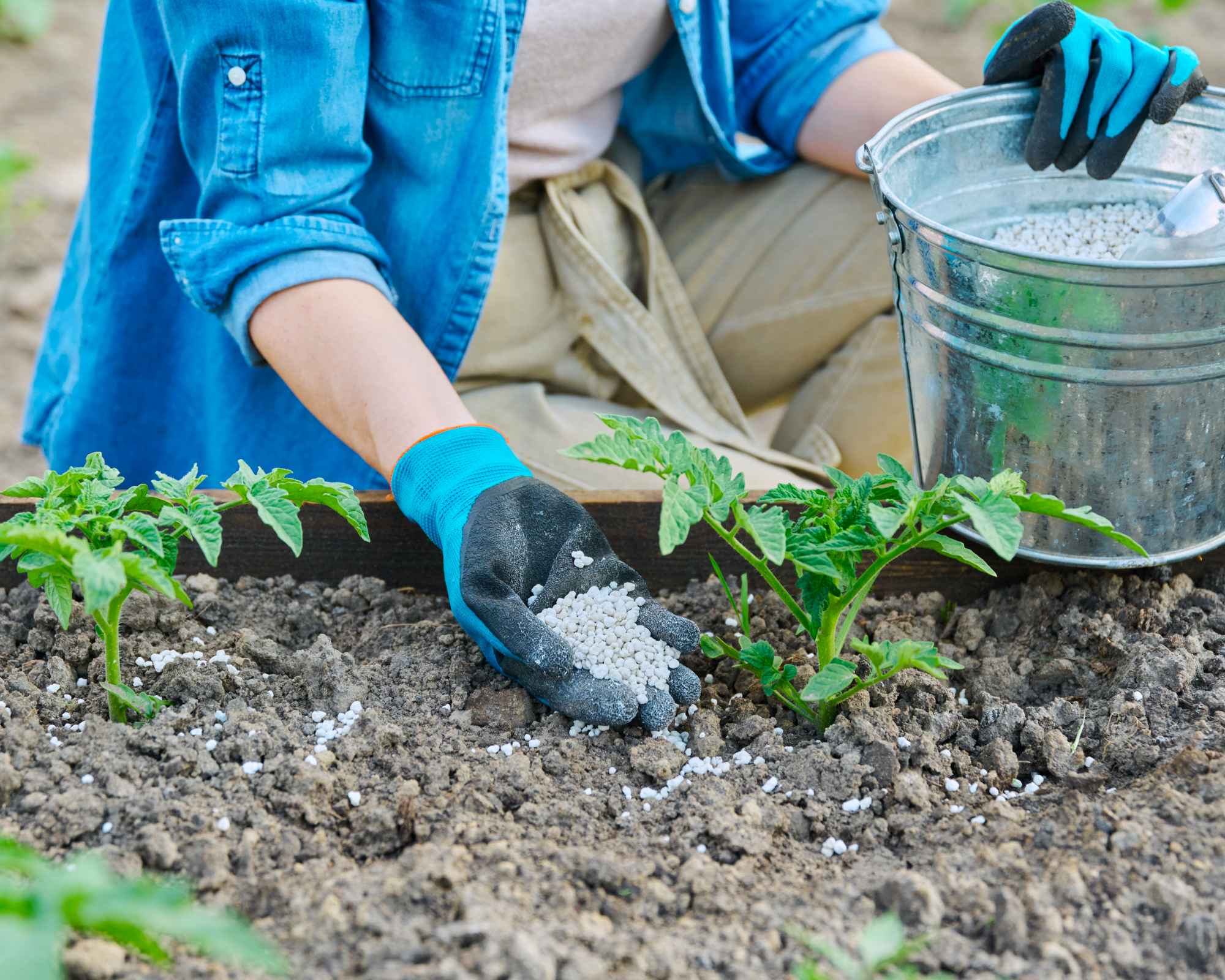
What to Do If You Missed the Window
Missing the ideal vegetable fertilizing window isn’t a huge deal. The right fix is rarely to pile on extra fertilizer to catch up. That’s how one missed feeding turns into a case of fertilizer burn.
Instead, water your vegetable beds deeply and let them settle. Wait for a mild morning, then feed at about half the usual strength. Half-strength fertilizer at the right moment does more than a full dose forced at the wrong time.
Gentler options carry less risk when you’re playing catch-up, too. A diluted liquid feed watered in or a thin layer of compost worked over the surface releases slowly and won’t shock plants. A long-neck watering can from Amazon makes it easy to get a diluted feed right to the base of each plant without splashing foliage in the midday sun.
After that, it’s mostly patience. Your vegetable garden catches up on its own clock, not yours, so rushing the process rarely ends the way you hope.