
by Bethany Hayes (revised and updated)
The 30-second version: Most of the water a garden wastes is lost to evaporation, runoff, and overwatering — not to thirsty plants. The biggest wins are free or cheap: water early in the morning, mulch every bit of bare soil, build up organic matter so the soil holds water like a sponge, and water deeply but less often instead of a little every day. From there, drip irrigation and a rain barrel cut waste further, and simple checks — a moisture meter, a quick hunt for hose leaks — keep you from watering when you don’t need to. The single most common mistake isn’t underwatering; it’s overwatering, which wastes water and hurts your plants.
Where garden water actually goes
We live in an area with steep water bills — a single-family household here pays at least $80 a month, and in summer with a big family and a garden, ours easily hits $200. That’s what got me serious about this. But the thing I’ve learned is that saving water in the garden isn’t about giving your plants less; it’s about losing less to evaporation, runoff, and habit. Almost every tip below is really just plugging one of those leaks.
I’ve grouped them from the cheapest, highest-impact habits down to the gadgets, so you can start at the top and stop wherever your budget runs out.
Quick reference: where to start
| Tip | Cost | Impact |
|---|---|---|
| Water in the early morning | Free | High |
| Mulch all bare soil | Low | High |
| Build organic matter / compost | Low | High |
| Water deeply, not daily | Free | High |
| Use a moisture meter | ~$15 | Medium |
| Check for hose/spigot leaks | Free | Medium |
| Rain barrel | Low–medium | Medium |
| Drip irrigation | Medium | High |
| Efficient emitters / tune-up | Medium | Medium |
| Rain shut-off device | ~$200 | Medium (large gardens) |
The free habits that matter most

1. Water in the early morning — containers included
When you water matters as much as how much. Early morning, before the temperatures and winds pick up, is the best time for everything in the garden: less is lost to evaporation, and your plants go into the heat of the day with a full tank. Watering in the heat of the afternoon sends much of it straight back into the air, and watering at night leaves foliage wet for hours, which invites fungal disease.
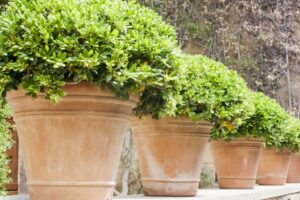
There’s a common belief that containers should be watered in the afternoon. They shouldn’t — pots dry out faster than beds, but morning is still the right time for them too. In a real heat wave, the better move is to water containers in the morning and again in the early evening if they’ve dried out, not to switch to afternoon watering.
2. Mulch every bit of bare soil
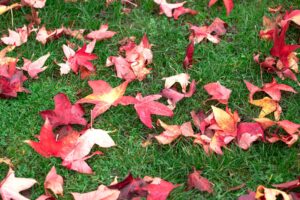
Covering exposed soil with a few inches of organic mulch is one of the highest-return things you can do. It slows evaporation dramatically so you water less often, keeps the root zone cool, suppresses weeds that would otherwise steal water, and reduces erosion. As organic mulches like shredded leaves, straw, or grass clippings break down, they feed the soil too. If I had to pick one water-saving habit besides timing, this would be it.
3. Build up organic matter in your soil
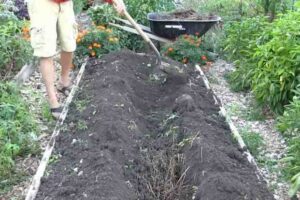
Healthy soil rich in organic matter acts like a sponge — it holds many times its weight in water and releases it slowly to roots. Adding compost fixes both extremes: it helps sandy soil hold water longer, and it helps heavy clay both absorb and release water instead of running off or staying waterlogged. This is a slow, season-over-season improvement, but it steadily lowers how often you need to water and buffers your plants against drought stress.
4. Water deeply, but not every day
This is the habit that wastes the most water of all: watering a little bit every single day. Frequent shallow watering evaporates fast and trains roots to stay near the surface. Instead, water deeply and less often so moisture reaches down and roots follow it. A simple check — if the soil is still moist a couple of inches below the surface, you don’t need to water yet. Most plants need far less frequent watering than gardeners give them.
Cheap tools that prevent waste
5. Use a moisture meter
If you tend to water on a schedule rather than by need, a moisture meter takes out the guesswork. Push the probe in and it tells you whether the soil is dry, just right, or too wet. Most cost under $15, and they pay for themselves quickly by stopping you from watering soil that doesn’t need it.
6. Check your hose and spigot for leaks
A slow drip you never notice can waste a surprising amount of water and money over a season — outdoor leaks are easy to miss precisely because they’re outside. Check your hose, connections, and spigot for drips, and replace worn washers. It costs nothing and is one of the quickest fixes on this list.
Capture and deliver water efficiently
7. Collect rainwater in a barrel
Rainwater is free and free of the chlorine and minerals in city water, and a rain barrel under a downspout is an easy way to capture it. You can run a hose off a spigot or just dip a watering can in. One quick caveat: a handful of states regulate or limit rainwater collection through water-rights laws (it’s not always about drought), so it’s worth a two-minute check of your state’s rules before installing a big system. For most people, it’s perfectly legal and genuinely useful.
8. Install drip irrigation
A drip system is the most water-efficient way to water a garden. It delivers water slowly right at the base of each plant, so almost none is lost to evaporation or overspray, and the roots get a steady supply. As a bonus, keeping water off the leaves — unlike overhead sprinklers, which wet the foliage and can splash soil-borne diseases up onto plants — helps prevent a lot of common plant problems.
9. Upgrade to efficient emitters or get a tune-up
If your sprinkler or drip setup is more than a few years old, newer water-efficient emitters can cut usage noticeably, and an irrigation pro can spot waste you’d never catch. I know paying for help feels backwards when you’re trying to save money — but watering runs up your bill for most of the year, so a one-time tune-up usually pays for itself, especially on a larger garden.

10. Add a rain shut-off device
This little sensor attaches to an automatic irrigation controller and tells the system to skip its cycle when it’s already rained enough. It’s easy to forget to account for rain, and this does it for you so you’re never watering a yard that’s already wet. They run around $200 installed — worth it if you have a large garden on a timer, less necessary if you water by hand.
Common Questions
What’s the single best way to save water in the garden?
Two free habits: water in the early morning, and mulch all your bare soil. Together they cut evaporation more than any gadget, and neither costs much.
Is it true you should water containers in the afternoon?
No. Pots dry out faster than beds, but morning is still best. In extreme heat, water in the morning and again in the early evening rather than switching to the afternoon.
How do I know if I’m overwatering?
Check the soil a couple of inches down. If it’s still moist, wait. Daily watering out of habit is the most common cause of both wasted water and unhealthy, root-rotted plants.
Is collecting rainwater legal?
In most places, yes. A few states regulate it under water-rights law, so check your state’s rules before setting up a large system — but a basic rain barrel is fine for most gardeners.
Final Thoughts
Saving water in the garden comes down to losing less, not giving your plants less. Start with the free habits — morning watering, mulch, better soil, and deep-but-infrequent watering — because they deliver the most for the least. Add a moisture meter and a leak check to stop watering you don’t need, and reach for drip irrigation or a rain barrel when you’re ready to invest a little. Do that and you’ll keep your plants thriving while watching your water bill come down.

The post 10 Water-Saving Tips for Your Garden appeared first on Gardening Channel.