
Quick answer: Legumes are technically a type of vegetable — but they come specifically from the seed of plants in the Fabaceae family. Vegetables can be any edible part of a plant (leaves, roots, stems, flowers). Legumes are always seeds. That means all legumes can be called vegetables, but not all vegetables are legumes.
Legumes vs. Vegetables: At a Glance
| Vegetables | Legumes | |
|---|---|---|
| What part of the plant? | Any part — leaf, root, stem, flower, or seed | Seeds only (inside pods) |
| Botanical family | Many different families | Fabaceae (the legume family) |
| Examples | Carrot, broccoli, lettuce, tomato | Beans, peas, lentils, peanuts |
| Protein content | Low to moderate | High — some are complete proteins |
| Can they overlap? |  Yes — green beans and peas are both Yes — green beans and peas are both |
|
| Fixes nitrogen in soil? |  No No |
Yes |
| Common in dried form? | Rarely | Very common (dried beans, lentils, chickpeas) |
What Are Vegetables?
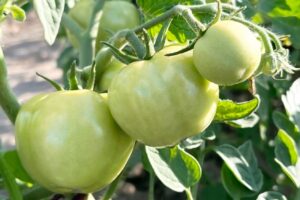
“Vegetable” is a broad culinary and dietary category that covers the edible parts of many different plants. Vegetables can be leaves, roots, stems, shoots, tubers, bulbs, or even flowers. The category is loosely defined — which is why there’s so much overlap and so many edge cases (tomatoes are botanically fruits but culinarily vegetables, for example).
Vegetables are typically grouped into types based on the plant part being eaten:
| Type | Also Called | Examples |
|---|---|---|
| Cruciferous | Brassicas | Broccoli, kale, cabbage, cauliflower, Brussels sprouts, radish |
| Cucurbit | — | Cucumber, squash, pumpkin, zucchini, watermelon |
| Leafy greens | — | Spinach, lettuce, arugula, Swiss chard, collard greens |
| Nightshade | Solanaceae | Tomatoes, potatoes, bell peppers, eggplant |
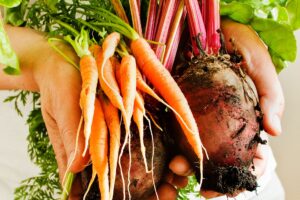
| Root / bulb | Tubular vegetables | Carrots, beets, garlic, onions, sweet potatoes, turnips |
| Legumes | Pulses (when dried) | Beans, peas, lentils, chickpeas, peanuts |
What Are Legumes?
Legumes are plants from the family Fabaceae — one of the largest plant families in the world, with over 20,000 species. What makes a legume a legume is that we eat the seeds, either from inside the pod (as with green beans and fresh peas) or after the seeds are dried (as with lentils, chickpeas, and black beans). The dried seeds of legumes are also called pulses.
Legumes are nutritional powerhouses. They are high in protein, fiber, and complex carbohydrates, low in fat, and free of cholesterol and sodium. Some legumes — like soybeans — are complete proteins, meaning they contain all essential amino acids. That makes them especially valuable in plant-based and vegan diets. Legumes also have a low glycemic index, meaning they have minimal impact on blood sugar.
| Legume | Fresh or Dried | Type | Common Use |
|---|---|---|---|
| Green beans | Fresh | Bean | Steamed, stir-fried, salads |
| Garden peas | Fresh or dried | Pea | Side dish, soups, frozen |
| Black beans | Dried | Pulse | Mexican cuisine, soups, rice dishes |
| Chickpeas (garbanzo) | Dried | Pulse | Hummus, curries, roasted snack |
| Lentils | Dried | Pulse | Soups, Indian dal, salads |
| Soybeans / edamame | Fresh (edamame) or dried | Soybean | Tofu, tempeh, soy milk, snack |
| Peanuts | Dried | Groundnut | Peanut butter, snacks, cooking oil |
| Black-eyed peas | Fresh or dried | Pea | Southern cuisine, soups |
| Pinto beans | Dried | Bean | Mexican cuisine, refried beans |
| Lima beans | Fresh or dried | Bean | Side dish, succotash, soups |
Is It a Legume, a Vegetable, or Both?
This is where most people get confused. The honest answer: some foods are both, depending on how you look at them. Here’s a quick-reference breakdown of the most commonly asked-about foods:
| Food | Legume? | Vegetable? | Notes |
|---|---|---|---|
| Green beans | Yes |
Yes |
Eaten fresh as a vegetable; botanically a legume |
| Peas | Yes |
Yes |
Both, especially when eaten fresh |
| Lentils | Yes |
Rarely |
Almost always referred to as a legume or pulse |
| Chickpeas | Yes |
Rarely |
A dried pulse — not typically called a vegetable |
| Peanuts | Yes |
No |
A legume — not a nut, not a vegetable. Grows underground. |
| Edamame | Yes |
Sometimes | Young soybeans; often treated as a vegetable side dish |
| Black beans | Yes |
No |
Dried pulse — categorized as a legume |
| Lima beans | Yes |
Yes |
Eaten fresh as a vegetable or dried as a pulse |
| Soybeans | Yes |
Sometimes | Depends on form — edamame is vegetable-like; dried is not |
| Snow peas | Yes |
Yes |
Eaten whole pod and all — very vegetable-like |
Why Legumes Matter for Gardeners
Beyond nutrition, legumes have a superpower that no other vegetable group shares: they fix nitrogen in the soil. Legume roots form a symbiotic relationship with certain soil bacteria (Rhizobium), which convert atmospheric nitrogen into a form plants can use. When legume plants are turned back into the soil at the end of the season, they leave behind a nitrogen boost that benefits whatever you plant next.
This is why legumes make excellent companion plants for heavy nitrogen feeders like corn, tomatoes, and squash. It’s also why crop rotation plans traditionally include a legume year — rotating beans or peas into a bed restores fertility without chemical fertilizer.
Frequently Asked Questions
Are legumes vegetables?
Technically yes — legumes are a subcategory of vegetables. But in everyday use, “vegetable” and “legume” are treated as separate categories. Legumes are always seeds from plants in the Fabaceae family; vegetables can be any edible part of many different plants. When something is both (like green beans or peas), it’s usually called a vegetable in the kitchen and a legume in a botanical or nutritional context.
Are green beans legumes or vegetables?
Both. Green beans are botanically legumes — they are the immature seed pods of Phaseolus vulgaris, a plant in the Fabaceae family. But they’re eaten fresh, cooked like a vegetable, and sit in the produce section next to other vegetables. They occupy both categories comfortably.
Is a peanut a vegetable?
No — a peanut is a legume, not a vegetable and not a nut. Peanuts grow underground (unlike tree nuts) and are the seeds of the peanut plant (Arachis hypogaea), which belongs to the Fabaceae family. They’re nutritionally and botanically much closer to beans and lentils than to almonds or walnuts.
What makes something a legume?
Two things: it must be a plant in the family Fabaceae, and the edible part must be the seed (or seed pod). If the edible part is a leaf, root, or stem, it’s not a legume even if it’s from a Fabaceae plant. Legumes are defined by both their family membership and the specific part of the plant we eat.
Why are legumes good for the garden?
Legumes fix nitrogen in the soil through a symbiotic relationship with Rhizobium bacteria in their roots. This means they naturally fertilize the soil as they grow — and when you turn them under at season’s end, they release that nitrogen for future crops. Rotating legumes through your beds is one of the most effective ways to maintain soil fertility without synthetic fertilizers.

The post Are Legumes Vegetables? What’s the Difference — and Does It Matter? appeared first on Gardening Channel.