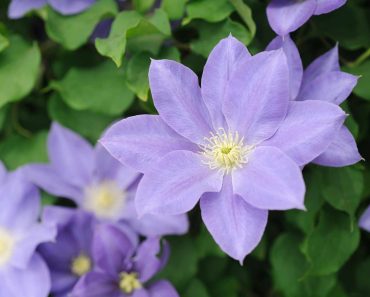
Aquilegias (Aquilegia vulgaris) are traditional cottage garden perennials also known as columbine and granny’s bonnet, thanks to the bonnet-like shape of their nodding flowers. Native to the UK, they bloom from May to June, bearing purple or occasionally white flowers. However, there are many cultivated varieties of granny’s bonnet available to buy, with flowering colours including pale yellow, blue and pink. What’s more, hybrid cultivars – the result of a cross between Aquilegia vulgaris and Canadian native Aquilegia canadensis – have led to an even greater variety of flowering colours to choose from, including bi-coloured varieties, which usually have white petals and contrasting, brightly coloured sepals.
All aquilegias are popular with bees. They make lovely cut flowers, too, as their glaucous foliage works as a foil for other plants.
Where to plant aquilegias

Aquilegias are typically found in the woodland edge, so plant them in partial shade in a fertile, moist but well-drained soil. They do well in woodland borders and as part of a cottage garden scheme, planted among other naturalistic flowers such as love-in-a-mist and hardy geraniums. They also work well in pots, as part of a mixed, naturalistic display.
Aquilegias can self-seed prolifically, so bear this in mind if you have a small garden or want a low-maintenance gardening routine. However, most gardeners are delighted when self-sown aquilegias turn up, especially as they readily cross-fertilise so you won’t know which colour the flowers will be until they bloom.
When to plant aquilegias
Sow aquilegia seed in trays of moist, peat-free seed compost between January and May to plant out when large enough to handle, or direct-sow where they are to flower from April to June. Alternatively, buy pot-grown aquilegias and plant them out in spring or autumn.
How to plant aquilegias
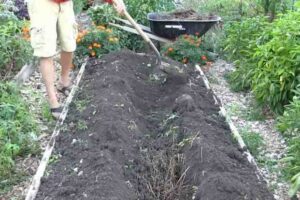
Dig over the soil, adding in leaf mould or garden compost to improve drainage. Tease out the roots of pot-bound plants and plant into the planting hole, firming around the rootball and watering well. Continue watering regularly in dry weather.
How to care for aquilegias
Once your aquilegia plants are established, they need very little aftercare. For the best foliage display, cut back the summer growth in September for a late flush of new leaves that should last through winter.
If you don’t want to collect the seed or let your aquilegia self seed, deadhead spent flowers as and when they appear, cutting back the whole flowering stem. Otherwise, let seeds develop and save them if you want to but leave them to self-sow if you don’t mind where they turn up.
How to propagate aquilegias

Aquilegias self-seed prolifically, but if you want to collect the seed to sow yourself, wait until the pods have dried on the stem. Cut the stems and then gently place the seedheads into a paper bag, so the seeds will be contained when the seedheads release them. Keep the seed in a cool, dry spot and sow them in spring.
Here, Alan Titchmarsh explains how to save seed from aquilegias:
View Green Video on the source website
Aquilegias can also be propagated by division, in early spring. Gently lift the roots out of the ground and separate them gently – aquilegias suffer from root disturbance so be as careful as possible – they may have a year off flowering afterwards.
Pests and diseases

Aquilegias can be affected by aphids and leaf miners. Both of these are a natural part of the garden’s ecosystem and provide food for birds and other species further up the food chain. They don’t usually pose a problem for the plants, so it’s best to ignore them.
Aquilegia downy mildew is a fungal disease that can spread very quickly given the right conditions – cool and damp. Leaves will show spreading yellow patches that cause the leaf to curl and turn brown, with a white growth on the underside of the leaf. The flowers look distorted and stalks and seed pods can develop brown blotches. There’s no remedy apart from removing affected plants and burning them.
Great aquilegia varieties to grow
Aquilegia vulgaris ‘Lime Sorbet’ has pale limey-white double flowers. Height x Spread: 80cm x 50cm
- Buy Aquilegia vulgaris ‘Lime Sorbet’ from Sarah Raven
Aquilegia vulgaris var. stellata ‘Nora Barlow’ is one of the oldest Aquilegia varieties, named after Charles Darwin’s granddaughter, with pink, green and white petals. H x S: 90cm x 40cm
- Buy Aquilegia vulgaris var. stellata ‘Nora Barlow’ from Beth Chatto
Aquilegia alpina is an alpine variety with bright blue flowers, growing to 80cm. H x S: 80cm x 45cm
- Buy Aquilegia alpina from Beth Chatto
Aquilegia fragrans has pale cream flowers and a pineapple fragrance, and hails from the Himalayan foothills of Pakistan, northern India and Kashmir. H x S: 40cm x 50cm
- Buy Aquilegia fragrans from Kevock Garden Plants
Frequently asked questions
Do I cut down aquilegia after flowering?
That’s up to you. If you want your aquilegia to develop seed, which you can save and sow the following spring or just allow to self-sow around your garden, don’t cut the flowers down. However, if you aren’t interested in saving seed and want to tidy up the appearance of the leaves, cut it back, including the leaves, and a fresh batch of leaves will grow for winter.
Does aquilegia come back every year?
Aquilegias are short-lived perennials, meaning they do come back each year but may die after a few years, so it’s a good idea to save seed to grow more plants.