Wildlife watch: House martins

Wildlife gardening - leave mud for nesting house martins in dry weather

A close relative of the barn swallow and a distant relative of the swift, the house martin is a summer migrant from Africa, and uses mud to make its cup-shaped nest under the eaves of houses, to raise its young. It’s a small bird with blue- black upper parts and all-white under parts. It has a short forked tail, which is shorter than both the male and female swallow’s tail. It feeds on insects, and spends most of its time in flight, collecting prey – often alongside swallows and swifts. You may have spotted them gathering mud from puddles in spring. 

Arriving in May, house martins use mud to repair or build new nests, and then mate. The female lays up to five eggs, which take three weeks to hatch, and then both parents feed their young. They typically have two broods but may sometimes have a third, which means some pairs will still be in the UK now, in October. Of our three similar looking species, house martins are the last to leave, with swifts leaving in early August, swallows a few weeks later, and house martins waiting it out until the last brood has fledged. 

How to help house martins 

Green Video Post Element
Video ID: “b1af0da012cf88476dd64c535ad6d9d5faf7ec40”
Mix ID: “”
Player ID: “qAUyOzk5”
If the player doesn’t appear here within a few seconds, the Player ID or Licence Key (set via IM Green Video settings) might be invalid.

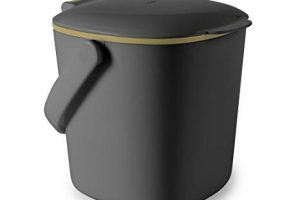
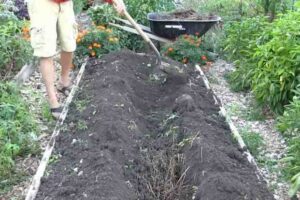
In a dry spring, make them a mud bath so they can make and repair their nests. Simply get a bin or compost bin lid and fill two-thirds with soil and then add water so the mud is tacky and wet but not sloppy. Add more water as and when you need to. If you have a bigger space, use rainwater to make a muddy patch in your garden, that they can help themselves to. 

Otherwise, the best thing to do for house martins is to grow plenty of plants that support insects. These include native plants for caterpillars and other ‘leaf munchers’ but also flowering plants that provide nectar and pollen for pollinators, including flies. Planting a mixed native hedge will not only support insects but also provide shelter in which insects can gather, while a pond will provide a home for aquatic insects and aquatic larvae, which all adds up to make for full bellies of house martin chicks. 

More wildlife inspiration:

Carts

Accessories

Flower Seeds

Composting

No Preview
What Your Peace Lily Actually Needs in March – Homes and Gardens
No Preview
When to pick watermelon for peak flavor and quality
Choosing the right fruit trees for your climate
How to harvest herbs: How and when to harvest homegrown herbs
No Preview
Digested week: Allotment folly, the trolley problem and gen Z bedtimes | Lucy Mangan
15 Garden Trends To Avoid in 2024: Experts Warn Against These Outdated Designs
How To Overwinter Ollas For Years Of Use: Get More From Irrigation Pots
How To Grow An Indoor Lemon Tree
The best eight planters and containers for strawberries
12 low maintenance plants that will tolerate neglect
Beyond No Mow May: six wildlife wins that last all year
Everything in pots DYING? Try these 10 winning varieties
Corn vs. Maize: What’s the Difference? (It Depends on Where You Live)
Can You Eat Cauliflower With Black Spots?
Companion Planting: Herbs that Pair Perfectly As Growing Partners
Should you cut the bottom leaves off tomato plants?
Top 6 Struggles of Growing Herbs Indoors (w/ solutions)!!!??? // Garden Answer
Top 5 Beginner Tips For Apartment Gardeners Aja Dang Epic
How To Grow Tomatoes Indoors
How To Care For Indoor Plants + GREENIFY YOUR SPACE
How to Grow Vegetable Seedlings
Try it now | How to grow Bean Sprouts in the fastest and easiest
Biggest & Thickest Buds on Cannabis using This Organic Hardener & Sugars
MY SECRETS TO BIG MONEY PLANT (POTHOS) | MONEY PLANT CARE TIPS - COMPLETE GUIDE
MY SECRETS TO BIG MONEY PLANT (POTHOS) | MONEY PLANT CARE TIPS – COMPLETE GUIDE