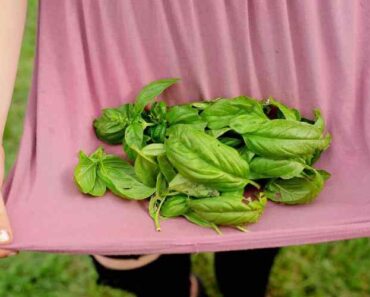

Flowers have carried secret meanings for centuries. The Victorians elevated this into an art form called floriography — a coded language where a carefully chosen bouquet could express what polite society wouldn’t allow you to say out loud. A red rose meant deep love. Yellow acacia meant secret love. Basil meant hatred. Every petal, color, and arrangement carried weight.
This A-Z dictionary covers the meanings of the most important flowers, from the most-searched (roses, tulips, sunflowers) to the more obscure. Use the jump links below to navigate directly to any letter, or scroll through the full guide.
Quick Reference: Most Popular Flower Meanings
| Flower | Primary Meaning | Also Symbolizes |
|---|---|---|
| Red Rose | Deep love & desire | Passion, romance |
| White Rose | Purity & new beginnings | Innocence, sympathy |
| Yellow Rose | Friendship & joy | Warmth, care |
| Pink Rose | Admiration & gratitude | Gentleness, appreciation |
| Sunflower | Loyalty & longevity | Adoration, warmth |
| Tulip | Perfect love & fame | Elegance, grace |
| Daisy | Innocence & joy | New beginnings, cheerfulness |
| Lily | Purity & rebirth | Devotion, motherhood |
| Lavender | Purity & grace | Serenity, cleanliness |
| Orchid | Rare beauty & strength | Luxury, refinement |
| Peony | Happy marriage | Bashfulness, prosperity |
| Iris | Wisdom & valor | Hope, faith |
| Hydrangea | Gratitude & understanding | Heartfelt emotion |
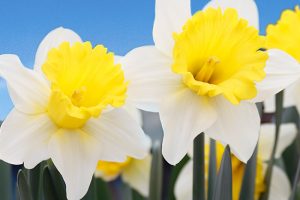
| Daffodil | New beginnings & rebirth | Hope, resilience |
| Violet | Modesty & virtue | Faithfulness, devotion |
Flower Colors and Their Meanings
Color changes everything. A pink carnation means gratitude, but a red carnation means admiration, and a white one means pure love. Before sending flowers, it’s worth knowing what the color communicates on its own — independent of the flower type.
| Color | General Meaning | Common Examples |
|---|---|---|
| Red | Deep love, passion, desire | Red rose, red tulip, red carnation |
| White | Purity, innocence, sympathy | White rose, white lily, white chrysanthemum |
| Yellow | Friendship, joy, warmth | Yellow rose, sunflower, daffodil |
| Pink | Admiration, gratitude, gentleness | Pink rose, pink peony, pink carnation |
| Purple | Royalty, enchantment, admiration | Lavender, iris, violet, lilac |
| Orange | Enthusiasm, fascination, energy | Orange rose, marigold, tiger lily |
| Blue | Tranquility, trust, mystery | Forget-me-not, blue hydrangea, delphinium |
| Green | Renewal, health, good fortune | Green chrysanthemum, bells of Ireland |
Jump to letter: A • B • C • D • E • F • G • H • I • J • L • M • N • O • P • R • S • T • V • W • Y • Z
A Brief History of Flower Meanings
Floriography is a symbolic communication through flower arrangements. Humans have been using flowers to send messages for thousands of years. Even the ancient Greeks knew and understood the meaning and symbolism of flowers, but the practice of sending coded messages through flower arrangements became most popular during the Victorian Era, between 1837 and 1901.
During the Victorian Era, when it was often improper to express certain feelings directly, flowers became a clever way to send secret messages. An elaborate “language of flowers” emerged. Almost every flower and color had its own meaning, as did the number of flowers given, the way they were wrapped, and even the hand used to present them.
The practice likely originated even earlier — possibly from the court of Constantinople in the Ottoman Empire, passing through Turkey and Persia to Europe during the reign of Louis XIV of France. The 1884 publication The Language of Flowers by Kate Greenaway helped codify many of the meanings still referenced today.
A
Amaryllis – pride, determination
Anemone – fragility, sincerity
Azalea – femininity, grace
B
Begonia – gratitude, joy
Bluebell – humility, gratitude
C
Cactus – love, endurance
Camellia – gratitude, modesty, and adoration
Carnation – fascination, gratitude. Pink carnations mean “I’ll never forget you.” Red carnations mean admiration. White carnations mean pure love and good luck.
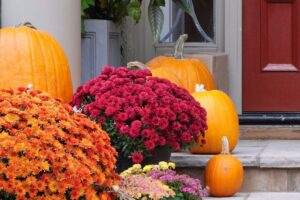
Chrysanthemum – joy and optimism. Note that in some Asian cultures, particularly Japan, white chrysanthemums mean death and are used in funeral arrangements.
Clematis – beauty, ingenuity
D
Dahlia – commitment, dignity
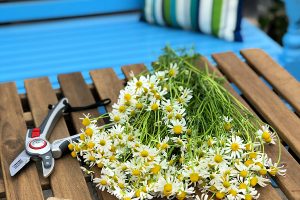
Daisy – innocence, joy
Daffodil – new beginnings, rebirth
Delphinium – big-heartedness, boldness
E
Edelweiss – courage, devotion
F
Freesia – trust, innocence
Forget-Me-Not – true love, remembrance. Often given as a token of lasting memory and loyalty.
G
Gardenia – secret love, purity, refinement
Gladiolus – strength of character, sincerity
H
Hawthorn – hope
Heather – admiration, beauty. White heather is considered especially lucky.
Heliotrope – devotion, eternal love
Hibiscus – grace, delicate beauty
Hollyhock – ambition, fruitfulness
Honeysuckle – generosity, sweetness, devoted affection
Hydrangea – understanding, gratitude, heartfelt emotion
I
Iris – valor, wisdom, faith. In Greek mythology, Iris was the goddess of the rainbow, and the flower was believed to carry messages between heaven and earth.
Ivy – marriage, fidelity, eternal life
J
Jasmine – grace, elegance, love. In many cultures, jasmine is associated with good luck and romance.
Jonquil – affection, sympathy, desire for affection returned
L
Larkspur – lightness, grace, beautiful spirit
Lavender – purity, cleanliness, grace, serenity
Lilac – first emotions of love, youthful innocence
Lily – rebirth, purity, devotion. White lilies are often associated with sympathy and funerals; orange lilies with passion and confidence.
Lily of the Valley – sweetness, humility, the return of happiness
Lotus – enlightenment, rebirth, spiritual awakening. Sacred in Egyptian and Hindu traditions.
M
Magnolia – dignity, perseverance, nobility
Marigold – creativity, passion, grief. In Mexican culture, marigolds (cempasúchil) are used in Día de los Muertos celebrations to guide spirits home.
N
Nasturtium – patriotism, conquest, victory in battle
O
Orchid – strength, rare beauty, luxury, refinement. One of the most prized flowers in history, orchids have long symbolized exotic elegance.
P
Pansy – loving thoughts, remembrance (“pansy” derives from the French pensée, meaning “thought”)
Passion Flower – passion, faith, spiritual devotion
Peony – bashfulness, happy marriage, prosperity. In Chinese culture, peonies are the “king of flowers” and represent good fortune.
Poppy – remembrance, sleep, consolation. Red poppies are a symbol of remembrance for fallen soldiers, particularly in the UK and Commonwealth countries.
Primrose – young love, cheerfulness, “I can’t live without you”
R
Ranunculus – charm, attraction, radiant with charms
Rhododendron – elegance, grace, beware
Rose – The meaning of a rose depends entirely on its color. Red: deep love and desire. White: purity and new beginnings. Yellow: friendship and joy. Pink: admiration and gratitude. Orange: enthusiasm and fascination. Purple: enchantment and majesty. A single rose of any color traditionally means “I love you” or “I care.”
Rosemary – remembrance, fidelity, “your presence revives me”
S
Sage – long life, wisdom, domestic virtue
Snapdragon – grace, strength, deception. In Victorian times, a snapdragon hidden in the hand suggested the giver had a secret to share.
Snowdrop – hope, consolation, the arrival of spring
Statice – remembrance, sympathy, success
Sunflower – loyalty, longevity, adoration. The sunflower always turns toward the sun, making it a powerful symbol of devotion and unwavering love.
Sweet Pea – blissfulness, thank you, departure, goodbye
T
Thistle – defiance, independence, retaliation. The national flower of Scotland.
Tulip – perfect love, fame. Like roses, tulip color matters: red tulips declare love; yellow tulips mean cheerful thoughts; white tulips offer forgiveness; purple tulips suggest royalty.
Tuberose – sensuality, dangerous pleasure, forbidden love
V
Valerian – accommodating disposition, readiness
Verbena – sensitivity, devotion, enchantment
Violet – modesty, virtue, faithfulness. Napoleon was so associated with violets that his supporters wore them as a secret symbol after his exile.
W
Wallflower – fidelity, devotion in adversity
Water Lily – purity, enlightenment, peace
Wisteria – welcome, steadfastness, longevity
Y
Yarrow – healing, health, everlasting love
Yellow Iris – passion, flame, ardor
Z
Zinnia – thoughts of friends, lasting affection, daily remembrance
Frequently Asked Questions
What flower means love?
The red rose is the universal symbol of romantic love. Other flowers associated with love include the red tulip, gardenia (secret love), and heliotrope (eternal love).
What flower means friendship?
Yellow roses are the classic symbol of friendship and joy. Sunflowers (loyalty), zinnias (lasting affection), and chrysanthemums (optimism) are also strong friendship flowers.
What flower means I’m sorry?
White tulips (forgiveness), purple hyacinth (please forgive me), and white roses (purity, fresh start) are the most traditional apology flowers. A simple white lily also conveys sincerity and sympathy.
What flower means strength?
Gladiolus is the traditional symbol of strength of character. Orchids represent strength combined with rare beauty. Protea symbolizes strength and transformation.
What flower means congratulations?
Sunflowers (adoration, loyalty), daffodils (new beginnings), and ranunculus (radiant with charms) are all strong choices for celebrations. Orange roses (enthusiasm) are also perfect for congratulatory moments.
Did people really communicate with flowers in the Victorian era?
Yes — extensively. During the Victorian Era (1837–1901), when direct expressions of emotion were often considered improper, flower arrangements became a genuine form of coded communication. The meaning could shift based on the flower, its color, how it was tied, which hand delivered it, and even whether it was presented upright or upside down. Kate Greenaway’s 1884 book The Language of Flowers helped standardize many of the meanings still used today.
The post The Secret Language of Flowers: A-Z Dictionary of Flower Meanings & Symbolism appeared first on Gardening Channel.