
February always brings more than a glimmer of hope; with the first signs of nature’s promise, in the form of bulbs, peeping through the crumbs of cold soil, and in some cases, crocus and snowdrops being the most notable, they are even flowering. In recent years February has also been a notoriously unpredictable month. ‘Beasts from Easts’, sunbathing on occasion and all-too-often sinking in the sludge after relentless downpours. So, February is a time that brings variety and unpredictability.
In February, the garden is at its most dormant and the sap is not yet rising, making it our last chance for winter pruning of trees and shrubs. And if you haven’t yet pruned your grape vines, time is running out. Although many trees need little pruning, you can sensitively remove any dead, diseased or crossing branches now.
Fruit trees like apples and coppice trees, such as chestnut, willow and hazel, respond really well to a prune. Late-fruiting shrubs like cotoneaster, and Euonymous europeaus, and E. elatus can be tidied up, and winter heathers can be pruned now to remove old seed heads. Finally, now is the ideal time to cut back any herbaceous perennials.
Below, I share some of the plants you should prune now, ones to avoid and explain how to prune apple trees in winter.
More winter pruning advice:
Plants to prune now:
Tidy up last year’s scruffy remnants in February to make way for the season to come – focusing on winter interest plants that have gone past their best.
Hazel

Coppice hazel by sawing one-fifth to one-third of branches down to the base. Take small stems for pea sticks, and large poles for bigger stakes and structures.
Hydrangea

Remove seedheads from hydrangeas. Cut back to a pair of swollen buds, which will produce flowers late this summer.
Buddleia

Buddleia responds really well if taken down to a stool. This keeps growth in check and flowers low.
Cornus (winter-stem cultivars)

Cut dogwoods grown for their winter stem colour to a stump. Varieties like ‘Midwinter Fire’ should lose a third of growth.
Avoid pruning:

- Cornus mas: Unlike its bright-stemmed cousins, Cornus mas is flowering now
- Forsythia: Pruning forsythia now will prevent flowers
- Chaenomeles: Soon to be or already blooming. Prune early-flowering shrubs, like chaenomeles, after flowering
- Tender plants: It’s still a little cold and wet to prune tender plants. It will likely cause them to rot and die. Once they get going, they can be tough, but right now they’re vulnerable
- New growth on perennials: Pruning new growth now can mean ingress of bacteria and fungus into sappy, damaged shoots. So, when cutting back perennials, proceed with caution
Step-by-step: Winter pruning apple trees

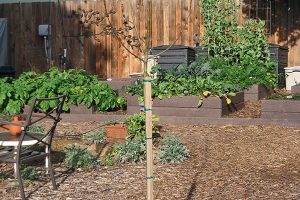
Pruning fruit trees is not strictly necessary – they can grow large and gnarly and still produce healthy crops, but if you have limited space or want to keep the tree in rude health and maximise productivity, then considered pruning is your ally. Always use sharp, clean secateurs and saws.
- Timely pruning protects plants from pests and diseases, which, for apples and pears, means pruning during the dormant season.
- The overall effect you’re after is an open, uncongested tree that will allow air and light in to keep things healthy and ripen the fruits.