1: Give them fatty treats

When the ground is too frozen for birds to find food and winter seedheads are in short supply, we can help them survive. The British Trust for Ornithology says that small birds must eat more during a cold snap because they can’t store fat as we do.
Use high-energy, fatty foods, such as suet balls, sunflower hearts and quality unsalted peanuts (labelled as aflatoxin-free and from a reputable supplier) in a proper feeder. Avoid salty fat.
2: Grow flowers with winter nectar

As our climate warms, buff-tailed bumblebees are increasingly seen foraging in winter, rather than hibernating.
The Bumblebee Conservation Trust has observed the plants bees prefer for winter food, and three of them are easy to grow: heather (Erica carnea) in sun-baked pots of ericaceous compost; fragrant mahonia in part shade; and winter honeysuckle (Lonicera x purpusii) in sun.
3: Build a log pile

This easy trick takes ten minutes and provides habitat for lots of wildlife, from insects to frogs.
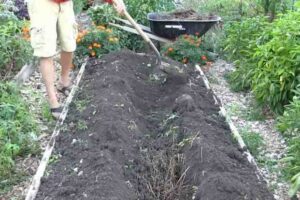
Stack a heap of logs in a wild, shady part of the garden. To attract stag beetles, begin by digging a trench, place a few old logs in it, and partially cover with soil, then stack the visible log pile on top.
4: Leave seedheads be

As well as looking beautiful, dusted with frost and hung with spiders’ webs, the spent seedheads of flowers provide habitat for insects, which birds feed on as well as the seeds.
Grasses (such as miscanthus), teasel, phlomis, stonecrop and sea holly look superb in skeletal form. Rosehips are also particularly useful to many birds, so leave rose pruning until January or even February if possible.
5: Grow the holly AND the ivy

These festive evergreens provide a wealth of benefits for wildlife over winter. Holly’s prickly leaves provide birds with useful cover against predators, and the berries serve as a food source for them. Ivy provides nectar-rich flowers for pollinators, nutritious berries for birds, and its dense, leafy growth is excellent shelter.
6: Don’t forget the bats

Bats are the popular branded yeast extract spread of the animal world: we either love or fear them. Bat appreciators can help them by increasing the garden’s insect population – for instance, by installing a pond and avoiding the use of pesticides.
To provide roosting sites, purchase bat boxes and secure them to buildings, walls or trees that face south or west, in quiet areas.
7: Let leaves lie

Leave the leaves in borders because they act as a mulch and harbour lots of insects for birds to eat all year round. If they are on your lawn, either bag them to make leaf mould or collect them the easy way, conveniently shredded, by running over them with a lawnmower fitted with a grassbox.
Although some leaves rot down more quickly than others, in general, it’s best to get leaves off your lawn if they are there in large numbers, as they could cause fungal problems and inhibit spring growth.
8: Don’t be a neat freak

Letting the garden get a little overgrown in places helps wildlife. Don’t cut things back as much until spring, and leave one or two areas of long grass and nettles.
9: Build a Toad Hall

A dark, empty terracotta pot, or a slate laid down over a comfy void, is the equivalent of a detached dream house for a toad, and they will thank you by eating slugs later in the year.
Install your own Toad Hall in a damp, quiet corner, atop moss or leaves. Either use a pot with a section broken off at the top (which makes a doorway when turned upside down) or sit one side of your upturned pot on a stone to allow access. Alternatively, use discarded tiles or slats, as above.
10: Be berry nice

Trees and large shrubs dramatically boost biodiversity in general, and if they have berries in winter, they’ll help birds, too.
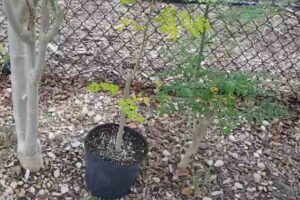
Hollies morph into a larder for birds during autumn and winter when they’re covered in berries, and some crab apples carry fruit over a particularly long period into winter, including ‘Comtesse de Paris’ and Jelly King. Plant them as bare roots in winter, but not when the ground is either sodden or frozen solid.
11: Make a stumpery

Enchanting and easy to build, a stumpery is a garden area where plants grow over old tree stumps (easily available from your local friendly tree surgeon), and they support a huge range of wildlife. Stumperies are traditionally placed in shade, with ferns and shade-loving flowers (such as foxgloves) growing on and around the stumps.
12: Give them your windfalls

Don’t collect all the apples on the ground, as they feed wildlife, from song thrushes to winter-foraging red admiral butterflies.
13: Build a wonder wildlife wall

Dry-stone walling is superb habitat for lizards, slow worms, toads, newts, voles and insects. The easiest way to do this is with a simple, low wall to divide garden areas. Dig a trench; place large stones along either side and small stones in the centre; continue this way to a height of 50-90cm. Have a wider base, then taper to the top; cap with wide, flat stones.
14: Leave your compost heap till spring

Many animals (including grass snakes and toads) spend winter cosseted by the warmth of a compost heap, so don’t disturb them when they need this shelter the most. Instead, wait until spring – most smaller heaps won’t be rotting down that fast in winter, anyway.
15: Feed birds at different heights

Birds feed in different ways, so offer food at various levels to help a wider range of them. Blue tits love hanging wire peanut feeders; woodpeckers enjoy suet-cake feeders on trees, while robins prefer bird tables.
Many birds – including blackbirds – feed on the ground, which can be as simple as suet pellets. Feed only in the morning (and clean up very regularly) to avoid problems with rats. Also, ensure that you’re not inadvertently creating a hunting haven for local cats.
16: Make a hedgehog house

Give hedgehogs a cosy hideaway for their winter hibernation, and they will repay you by gobbling slugs later in the year. Leave a dense pile of leaves in a tucked-away corner throughout autumn and winter. Alternatively, build this simple hedgehog house and put it in a quiet place, such as under an evergreen shrub.
17: Remember that they’re thirsty, too

It may not seem that way to us, but cold snaps can make it harder for wildlife to access drinking water, so provide water at drinking stations and in the bird bath. Keep both very clean to avoid disease.
Like bird feeders, water stations should be in a sheltered, quiet place. Position them so birds have a 360° view, with a tree or shrub not too far away – but not too close, otherwise it may make them vulnerable to predators.
18: Fashion a frog palace

A fun weekend project, a hibernaculum is an underground hide that shields amphibians and reptiles from the cold.
Dig a hole 50cm deep and line it with sand or gravel, topped with leaves. Next, install a jumble of logs, air bricks, stones and sections of pipe (scratched on the inside for snakes to grip and not wide enough for rats) that reach the surface for air and entry; press everything in firmly, so it doesn’t move; pack with leaves or straw. Finally, cover with long logs laid horizontally, topped with earth and leaves.
19: Plant evergreen shelter for birds

As well as protecting them from harsh weather, evergreen plants provide birds with insects to eat and nesting sites. Pyracantha keeps predators out and is laden with berries in autumn, and evergreen cotoneasters carry berries well into winter.
20: Float a football (or anything that floats)

Frozen ponds look nice, but animals cannot drink from them, and the ice prevents aeration for creatures at the bottom of the pond, such as dragonfly larvae. You can stop the ice from forming completely, however, by floating a ball on the surface. In a big freeze, the ball trick doesn’t always work, so melt a patch of pond ice daily with warm water.
21: Keep bird feeders clean

Feeding from dirty feeders can be worse than not feeding at all, because they’re a hotspot for the spreading of fatal avian diseases such as trichomonosis. Whilst they investigate this, the RSPB has even halted sales of its feeders.
To clean your feeders, wash them once a week in hot, soapy water, rinse thoroughly, spray with disinfectant, rinse again, then let them dry. Animal-safe disinfectant spray is available from the RSPB and pet shops.
22: Make a bee hotel

Solitary bees love to overwinter in the hollow stems of a bamboo hotel. Use strong secateurs to cut sections of bamboo cane and place these amongst a frame of bricks or pieces of wood (the latter should be screwed together). To help ladybirds and beetles, too, add pine cones and small logs.
23: Put up bird boxes

Roosting in nest boxes helps small birds survive winter. Place open-fronted boxes, no more than 2m above the ground, to attract robins and wrens. Boxes with a small entrance hole, 2 to 4m high, bring tits. Ensure boxes don’t face south into the sun.
24: Rethink bonfires

Hedgehogs and toads love the shelter of stacked dry wood in winter, but if you have plans to set fire to that wood, they could easily be harmed or killed. If you must have a fire, keep material to burn in covered skip sacks or burn clippings the day you’ve gathered them, rather than letting a pile build up over time. The RHS advises recycling or reusing garden waste (for instance, by composting) instead of burning it.
25: Plant a mixed hedge

A hedge composed of different wildlife plants provides shelter, habitat, and food throughout the year. The best time to plant bare-root hedging (such as hawthorn, blackthorn, and dog rose) is between November and February.