
Portuguese squill (Scilla peruviana) is a rarely grown bulbous perennial, bearing star-shaped, purple-blue flowers above rosettes of broad, strap-shaped leaves in early summer.
As well as Portuguese squill, Scilla peruviana goes by a variety of common names. These include Peruvian lily, Cuban lily and hyacinth of Peru, though all these names are misleading as Scilla peruviana is native to the Mediterranean. It arrived in England in the early 17th century on a ship named The Peru, and was mistakenly classified as having come from South America.
Scilla peruviana is not fully hardy and requires good drainage and a warm, sheltered site. In the UK, growing Scilla peruviana in pots is often the best option, as you can move plants under cover in autumn.
Bear in mind that all parts of Scilla peruviana are toxic if ingested. Wear gloves when handling and keep the plant out of reach of pets if they are likely to nibble at the plant or eat the bulbs.
How to grow Scilla peruviana
Grow Scilla peruviana in well-drained soil in borders or in pots, in a sunny, sheltered site. Water and feed pot-grown plants when in growth. Deadhead after flowering and allow leaves to die back naturally, though sometimes the foliage remains evergreen. Mulch thickly in winter to protect bulbs from hard frosts or move pots under cover.
Where to grow Scilla peruviana

Grow Scilla peruviana in well-drained soil in a sunny, sheltered site. They do well in containers, which can then be moved under cover for winter.
How to plant Scilla peruviana

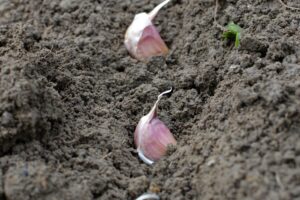
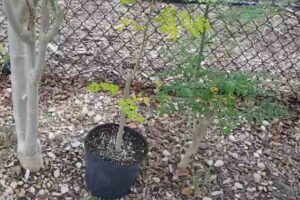
Plant bulbs in autumn, 8cm deep and spaced 5 cm apart if growing in the ground, closer when growing in containers. Pot-grown plants should be planted with the soil level of the pot at the same level as the ground.
How to care for Scilla peruviana
Water sparingly – Scilla peruviana needs to be kept on the dry side in summer. For plants growing in pots, water regularly but sparingly once growth appears, aiming to keep the compost moist, but take care not to overwater. Feed every fortnight with a high potash fertilizer from when flower buds appear until the flowers fade. After flowering, remove the faded blooms by cutting close to the ground, but allow the foliage to die back naturally so the bulb builds up nutrients for the following year. You can cut off leaves once they have yellowed and died.
How to propagate Scilla peruviana
Divide the bulbs of established clumps when dormant, in late summer and early autumn.
Pests and diseases
Slugs and snails may be a problem, otherwise it should be trouble-free in the right growing conditions.
Advice on buying Scilla peruviana
- Scilla peruviana is an uncommon bulb that is not widely available. Buy the dry bulbs to plant in autumn or look for ready-grown plants sold in flower, in summer
- As well as the species Scilla peruviana, there are several named varieties. Caribbean Jewels Series and the variety ‘Sapphire Blue’ are said to be slightly hardier than the species. ‘Alba’ has pure white flowers, though is rarely available
- Always check bulbs for signs of damage or disease before planting
Where to buy Scilla peruviana
Frequently asked questions
When should you divide Scilla peruviana?
Divide established clumps of Scilla peruviana in summer once flowering has finished, ideally when the bulbs have gone dormant.
How do you handle Scilla peruviana bulbs?
All parts of the plant are toxic if ingested. Wear gloves when handling and keep the plant out of reach of pets if they are likely to nibble at the plant or eat the bulbs.
Do scilla bulbs spread?
When growing in the right conditions, scilla bulbs multiply to form larger plants that can be divided. Scilla peruviana is not invasive.