
Ribes sanguineum, also known as flowering currant, redflower currant, winter currant, and Oregon currant, is a deciduous shrub in the Grossulariaceae family. It’s fast-growing and can grow up to 60cm per year, reaching an eventual height and spread of 3m. It has a rounded, spreading habit and bears clusters of pink or red flowers in early spring. The leaves are green and lobed, and in autumn they turn yellow before falling off.
Native to western North America, flowering currant has been a favourite of gardeners for many years. In some Native American cultures, it’s used for medicinal purposes and is considered a symbol of renewal and healing.
Ribes sanguineum is an excellent choice for attracting wildlife, the flowers attract bees and the edible berries are eaten by some species of birds. It’s hardy and can withstand frost and cold temperatures. It isn’t considered invasive in the UK, but it can self-seed in some areas.
Although the berries of flowering currant are edible, they are not as flavoursome as similar berries like blackcurrants, and can taste peppery. However, they are rich in pectin and can be used to make jam, jelly, cordial, syrup, fruit leather, and chutney with some additional sugar.
How to grow Ribes sanguineum
Grow flowering currant in moist but well-drained soil in full sun to partial shade. Prune in spring after the flowers have faded.
Where to grow flowering currant

Ribes sanguineum does best in full sun to partial shade but can also grow in shaded areas, although it may not flower as prolifically in shade. It can tolerate a range of soil types, from acidic to alkaline, and grows best it in well-drained soil.
When planting flowering currant, it’s important to space the plants at least 2m apart to allow for adequate airflow and prevent diseases from spreading. It’s perfect for growing among other spring-flowering plants, such as daffodils and tulips.
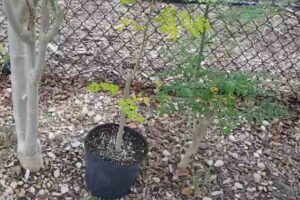
Flowering currant can be grown in pots but it will need a large container and regular watering. For pots, choose a dwarf variety, such as Ribes sanguineum ‘white icicle’, which grows to around 1.2 metres in height.
How to plant Ribes sanguineum
The best time to plant flowering currant is in autumn or early spring when the soil is moist and temperatures are mild. Before planting, prepare the soil by removing weeds and adding organic matter to improve drainage and fertility.
Dig a hole that is slightly deeper and wider than the root ball of the plant. Place the plant in the hole and backfill with soil, ensuring that the top of the root ball is level with the soil surface. Water thoroughly to settle the soil around the roots.
How to care for Ribes sanguineum
Flowering currant is a relatively low-maintenance shrub, but it does require some care to ensure it stays healthy and produces lots of flowers. Water regularly, especially during dry spells, to ensure the soil stays moist but not waterlogged. You can also add a mulch to keep the rootball moist and prevent weeds.
How to prune Ribes sanguineum

Pruning is an essential part of caring for flowering currant, helping to maintain the shape of the plant, promote bushy growth and encourage abundant flowers. It can be pruned quite hard, up to one-third of its height, without harming the plant. However, it’s best to avoid cutting back into old wood as this can reduce the number of flowers produced the following year.
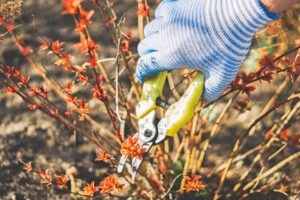
Prune in spring after the flowers have faded. Start by removing any dead, damaged, or diseased wood. Then cut back any crossing or rubbing branches to improve airflow and prevent diseases. Finally, prune back the tips of the branches to encourage bushy growth.
How to propagate Ribes sanguineum
Propagation is an easy and cost effective way to increase the number of flowering currant plants in your garden. You can propagate flowering currant by taking softwood or hardwood cuttings.
Softwood cuttings are taken in early summer, from the current season’s growth when it is still soft and flexible. Remove the lower leaves and dip the cut end in hormone rooting powder. Plant the cuttings in a pot of well-draining soil and keep them moist and out of direct sunlight. After several weeks, the cuttings should have rooted and can be potted up or planted out in the garden
Hardwood cuttings are taken from mature wood in autumn or winter when the plant is dormant. Select a healthy stem that is about the thickness of a pencil and remove any side shoots. Make a clean cut just below a bud. Dip the cut ends into hormone rooting powder and plant them in a well-draining soil mix. Keep the cuttings moist and in a cool, bright area out of direct sunlight. They should root within a few months.
Pests and diseases

Like all plants, flowering currant can be susceptible to pests and diseases that can impact its growth and flowering potential.
- One of the most common pests that affect Ribes sanguineum is aphids. These aren’t usually a problem and are controlled naturally by predators such as birds, ladybirds, hoverflies and wasps. However, in large numbers, they can distort the foliage. To deal with large infestations use your hose to blast them off your plants. Alternatively, use an insecticidal soap or organic spray. Bear in mind that you will almost certainly also be removing predators such as ladybird and hoverfly larvae – it’s nearly always best to leave nature to do the job for you.
- Another common problem is powdery mildew, a fungal disease that affects the leaves and stems of the plant, causing a white powdery coating to appear. This can be prevented by providing good air circulation around the plant (by planting at the suggested distance from other plants and good pruning), watering it at the base rather than from above, and removing any infected leaves.
- Leaf spot is another disease that can affect Ribes sanguineum. This is characterised by brown or black spots on the leaves, which can eventually cause them to drop off. To prevent this, avoid overhead watering and remove any infected leaves.
Advice on buying Ribes sanguineum
- When buying flowering currant, look for healthy plants with well-established roots, healthy foliage and no signs of pests or diseases
- Choose a reputable nursery or garden centre to ensure you are purchasing a healthy and high-quality plant
- Check the plant’s size, growth habit and flower colour to make sure it’s suitable for your garden space and tastes, as Ribes sanguineum can vary considerably in size and colour
Where to buy Ribes sanguineum online
Varieties of flowering currant
Ribes sanguineum ‘King Edward VII’ – bright crimson flowers appear in early spring. Popular cultivar with a strong upright growth habit. Height x Spread: 2m x 2m
Ribes sanguineum ‘Pulborough Scarlet’ – deep pink flowers from late winter to early spring. Compact cultivar suited to smaller gardens. H x S: 3m x 2.5.
Ribes sanguineum ‘Brocklebankii’ – pale pink flowers from early spring. Compact cultivar ideal for use as a specimen plant or in a mixed border. H x S: 1.5m x 1.5m.
Ribes sanguineum ‘Elkington’s White’ – white flowers fromn early spring. A relatively rare cultivar prized for its delicate, refined appearance. H x S: 2m x 2m.
Ribes sanguineum ‘white icicle’ – dwarf variety with cascading clusters of white flowers in early spring. A relatively new cultivar that’s gaining popularity for its long, elegant flower clusters and vigorous growth habit. H x S: 1.8m x 1.5m.
Ribes sanguineum ‘Oregon snowflake’ – dependable and compact variety with deeply lobed foliage and abundant white flowers from late winter to April. H x S: 1.5m x 1.5m.