Wasps have a habit of rebuilding where a colony already did well. Filling that eave or porch corner with strongly scented plants makes the address far less appealing, and the right picks hold that line into fall.
Take down a nest in July and the problem looks solved. The site itself doesn’t change, though. It stays dry and sheltered, out of the wind, and that is the short list a queen scouts for come early spring. She isn’t looking for the old paper. She’s looking for the eave.
Hanging something in that space works better than leaving it open. Plants that repel wasps do double duty here. They take up the real estate and put a strong fragrance right where a scout would land. None of this amounts to a force field, and an established colony won’t be bothered by any of it. Occupancy is the point. A queen looking for a vacancy shouldn’t find one. What you’re doing is changing the site from empty shelter to active, occupied space.
6 Plants To Hang Where a Wasp Nest Used To Be
Aroma does the work, so these should be within arm’s reach — a pinch or a brush in passing releases far more oil than a plant sitting undisturbed. A coco coir-lined hanging basket from Amazon is a simple way to get them up at eave height, where air moves through the foliage and keeps the scent at the site rather than four feet below it.
1. Spearmint
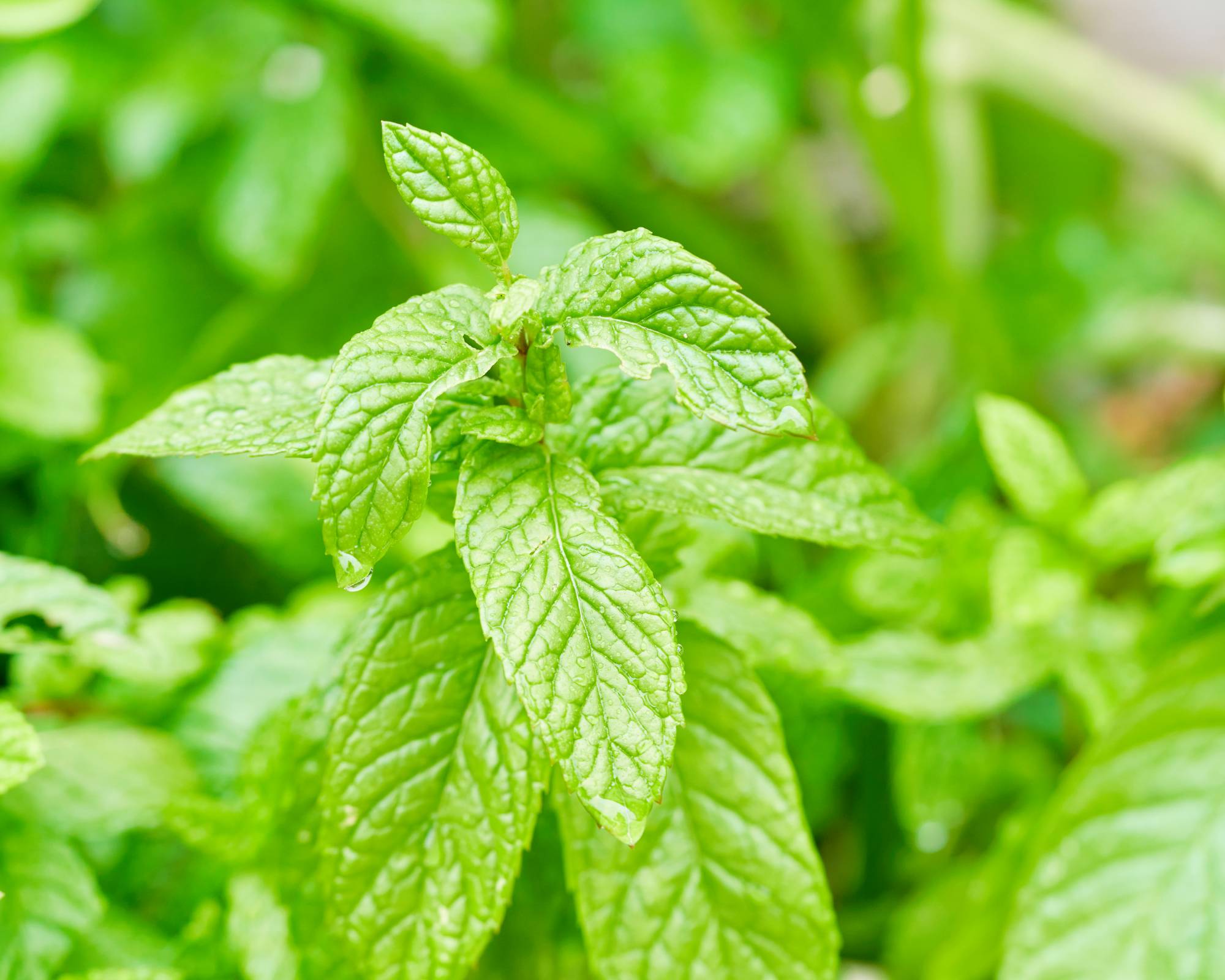
Mint plants get recommended for nearly every pest problem, which makes the suggestion easy to wave off. Spearmint (Mentha spicata) earns it here. Menthol content runs high enough that wasps tend to give it room, and the plant is hardy clear through USDA zones 3 to 11. It also spreads aggressively, so a basket is the practical way to keep it. Full sun to part shade, steady moisture, and a hard cutback whenever it turns scraggly is all it takes. Pinch a few stems every time you pass, though, as the fragrance fades within a day or so otherwise. You can find a 2-pack of spearmint plants from Lowe’s.
2. Wormwood
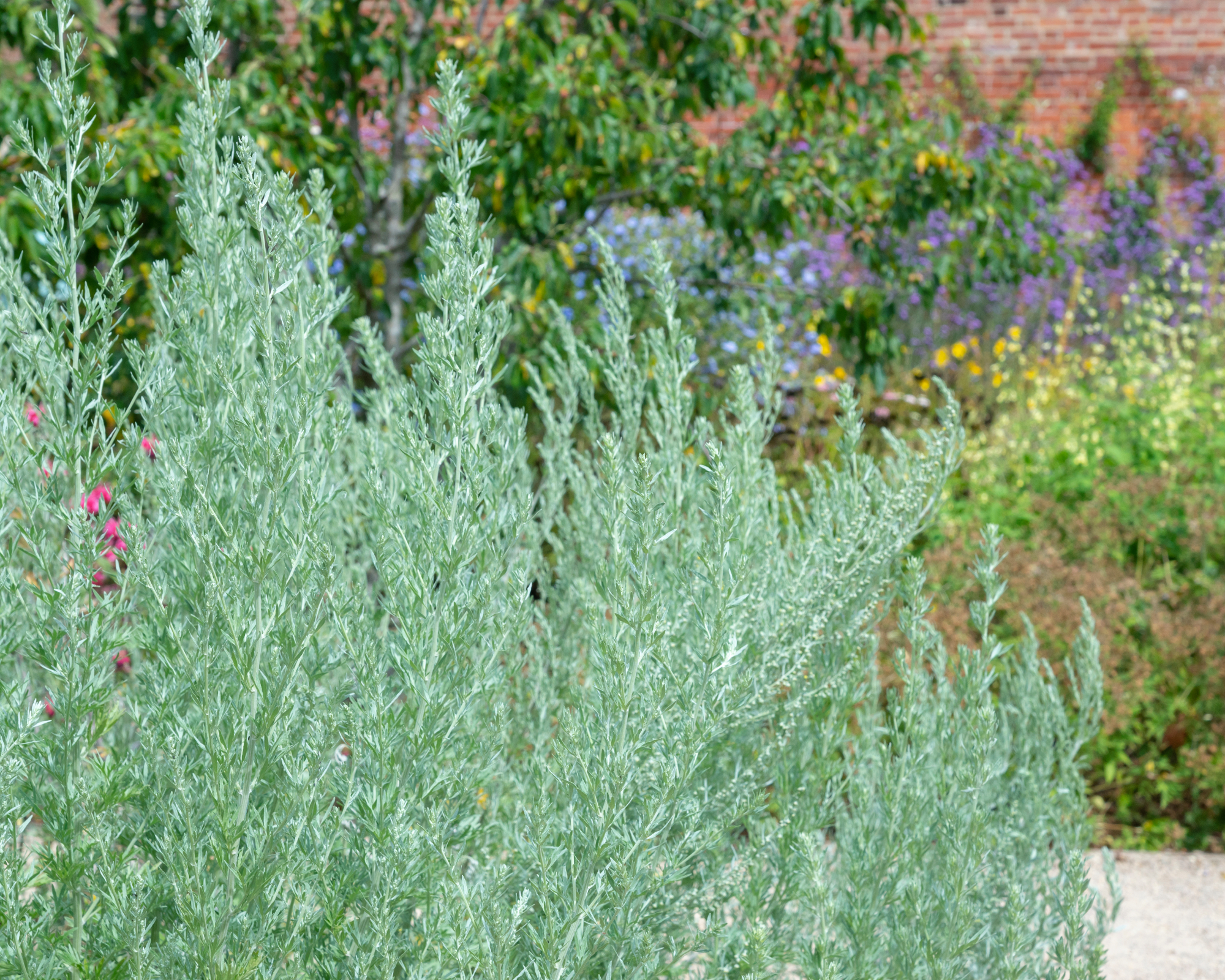
Bitter is the whole point of wormwood (Artemisia absinthium). Chemical compounds absinthin and thujone sit in that silvery foliage, and very little chews on it or settles in near it. Hardy in zones 4 through 9, it wants full sun and soil that drains fast. Soggy roots will kill it quicker than winter will.
Water sparingly once it’s established, then shear it in spring so it doesn’t go woody and open in the middle. Keep it clear of tender neighbors, too. The roots leach compounds that can stunt what’s planted alongside, so planting in a basket or container by itself is ideal. MARS Gardens on Etsy has 1-gallon wormwood ‘Powis Castle’ plants for sale.
3. Common Thyme
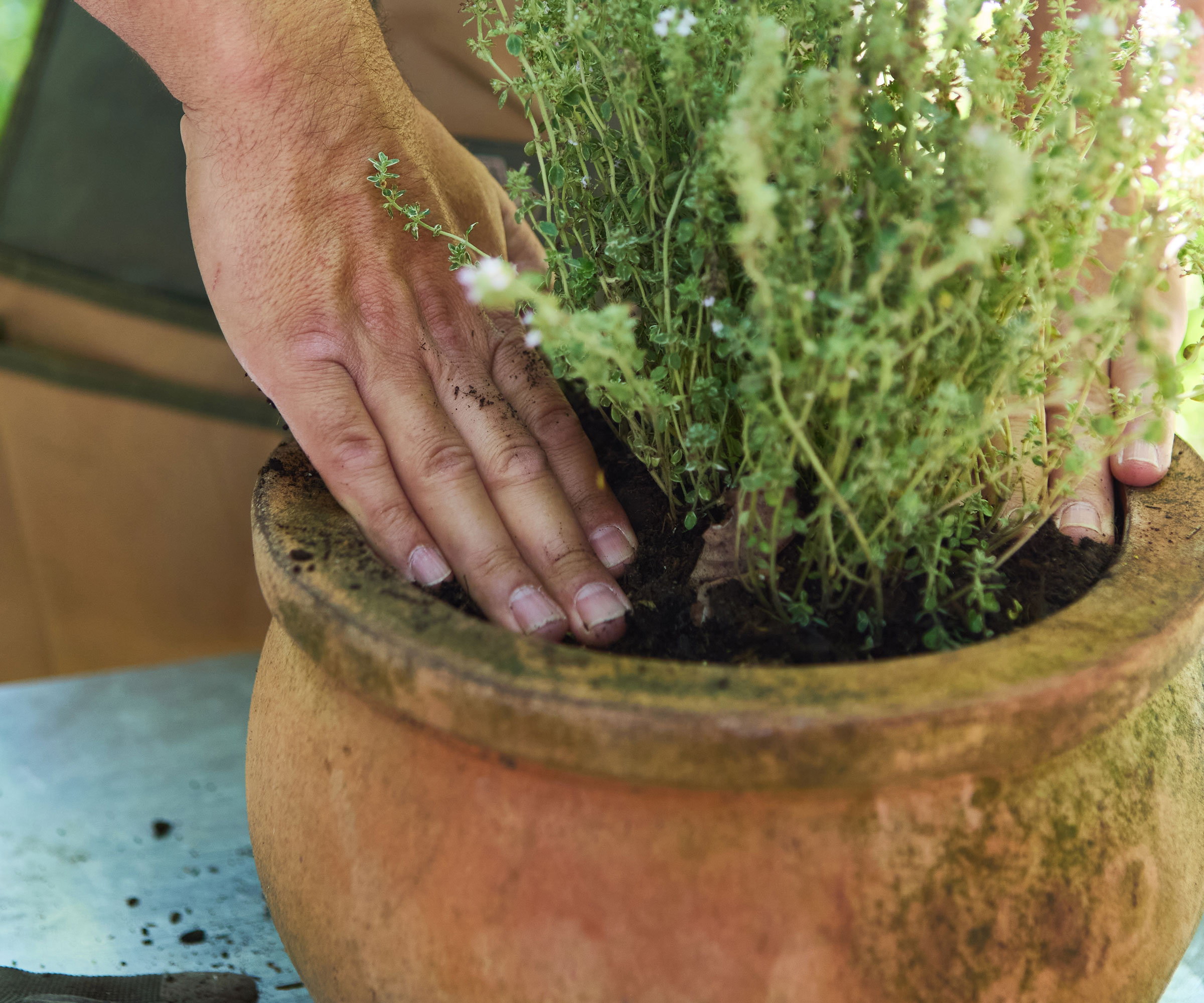
Thymol turns up in a fair number of commercial repellents, which is reason enough to hang the herb it comes from. Common thyme (Thymus vulgaris) trails over a basket edge and takes zones 5 to 9 without much complaint. Full sun. Gritty soil, sparse water — it sulks in rich compost and rots outright in wet feet. Trim after flowering to stop the stems going bare and hard at the base, which is quick work with a sharp pair of bypass pruning shears from Home Depot. Skip that trim two years running and you’re basically starting over.
4. Lemongrass
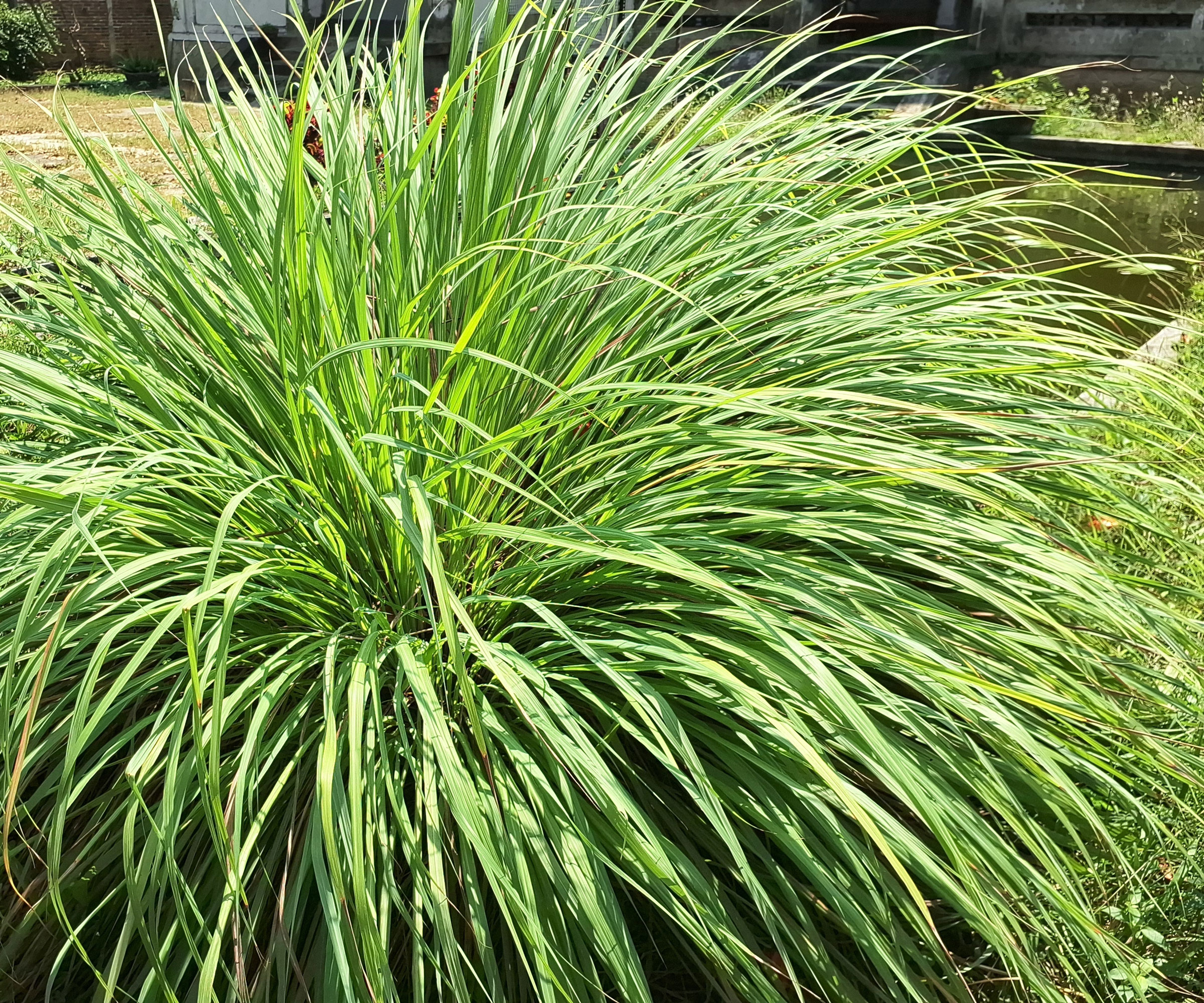
Citronella has a branding problem. The plant sold under that name is a scented geranium with very little perfume to it, while the real source sits much closer to lemongrass (Cymbopogon citratus) — loaded with citral and citronellal, and pungent the moment a leaf gets bruised. Perennial only in zones 9 to 11, so north of that it’s a summer container that comes indoors before frost. It prefers full sun, generous water, and a pot bigger than looks necessary. It grows fast enough to fill a basket by August. Overwintered inside, it looks rough by March, but it does recover. Get a lemongrass plant delivered straight to your door from Fast Growing Trees.
5. Silver Dollar Eucalyptus
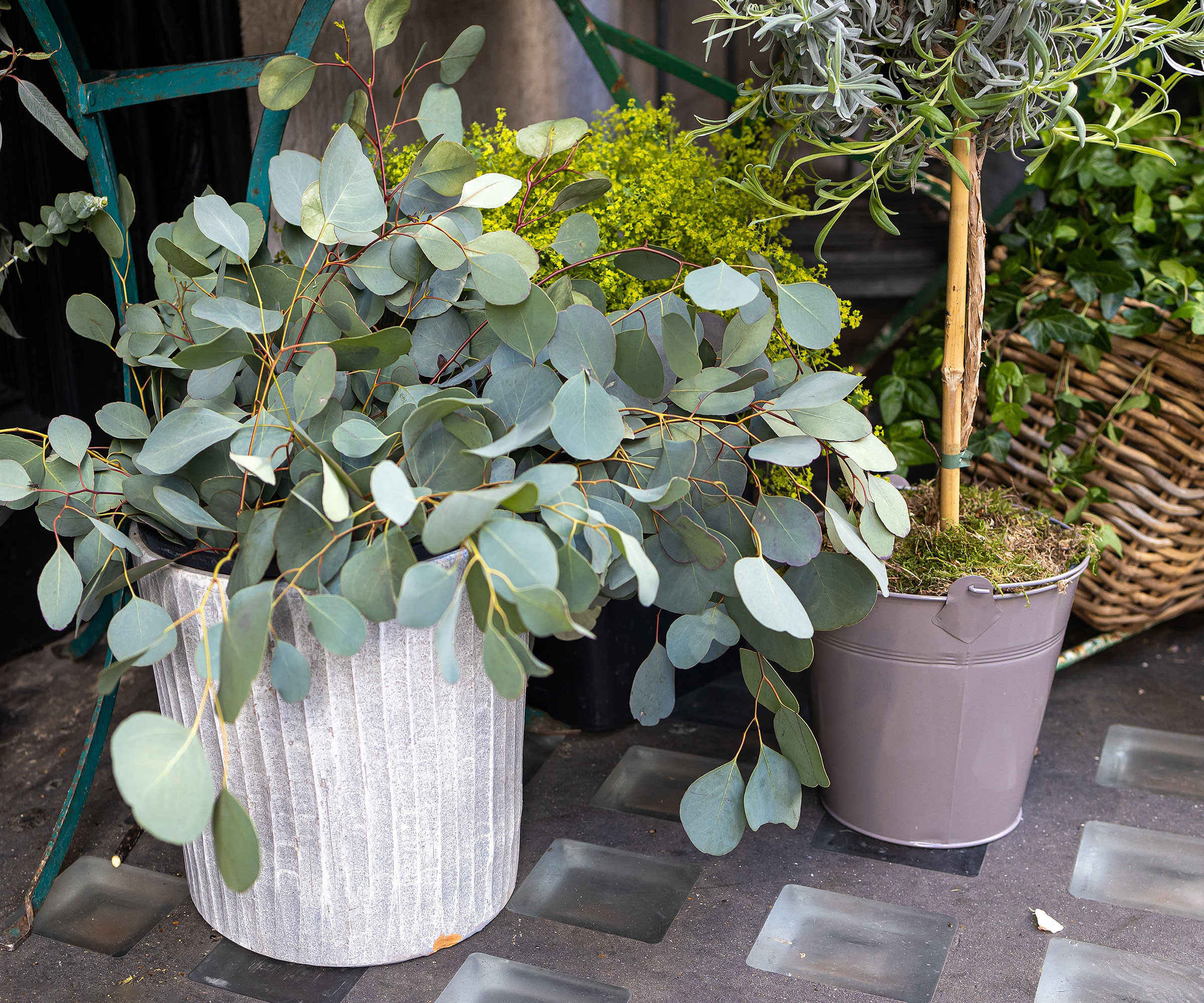
Florists hang eucalyptus in showers because steam drags the oil out of the leaves. A hot July eave does something close to the same thing. Eucalyptus cinerea holds in zones 8 through 11 and is usually grown as a container annual north of there, in full sun with soil kept on the dry side. Pinch the tips or it goes leggy in a hurry. Cut stems keep throwing scent for weeks after they dry, so a bundle tacked near the old site is a reasonable stopgap while a live plant fills in. Silver dollar eucalyptus plants are available from Etsy through Droke’s Greenhouse, a certified nursery.
6. French Marigold
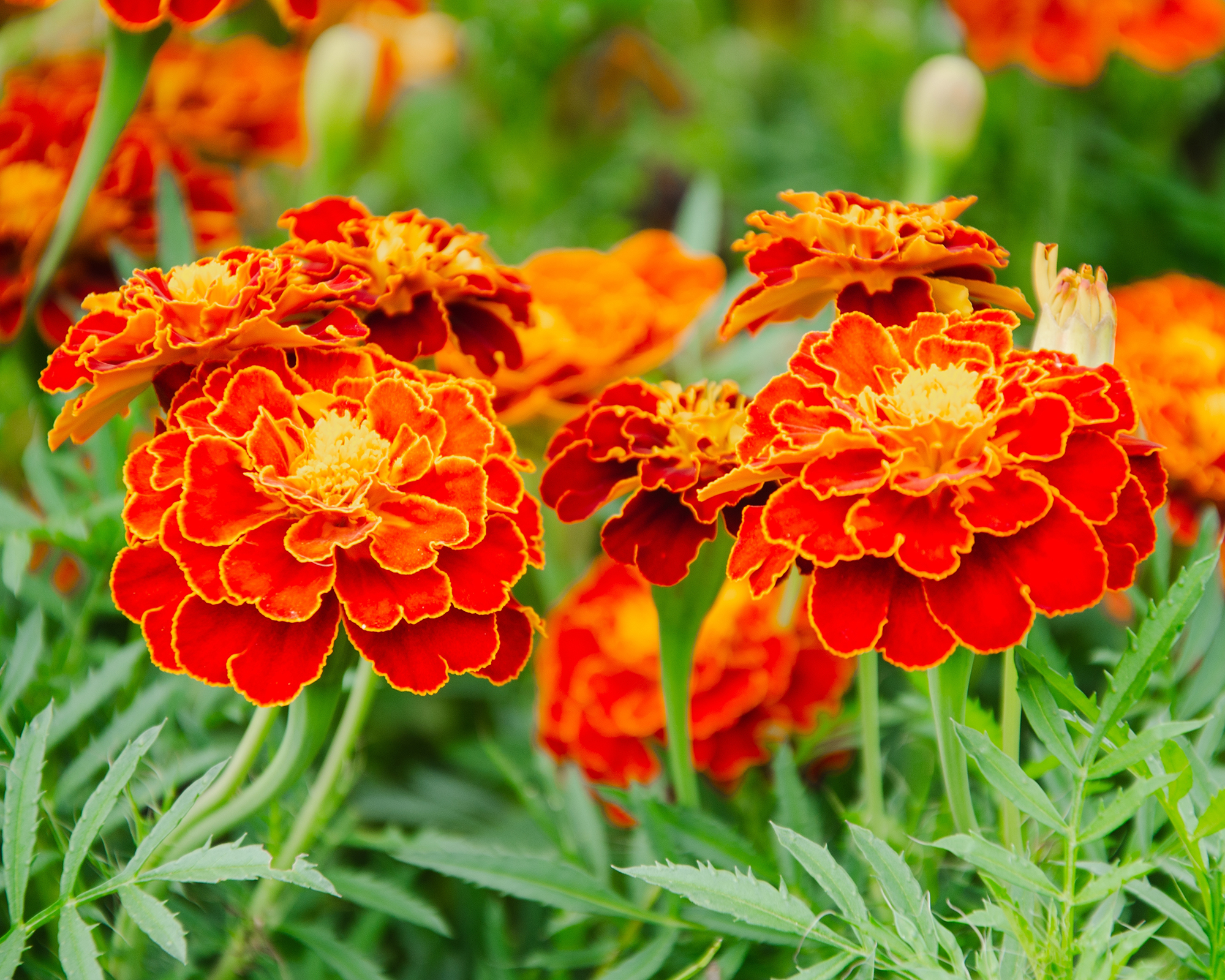
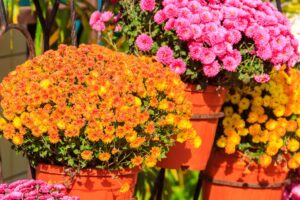
Planted for color, and working for wasp control on the side, French marigolds (Tagetes patula) carry their pungency in the foliage rather than the flowers. Their scent is strongest in afternoon heat, right when scouting activity picks up. Marigolds are annual everywhere, though they’ll self-sow in mild zones. You can pick up a 4-pack of marigolds from the Home Depot.
These want full sun, deadheading through summer, and less water than seems right. Overfed plants give more leaf and less aroma. Mounting height does matter — wall-mounted plant hanger brackets from Walmart put the basket up under the eave rather than well below it.