
The glossy mahogany-brown nuts of the horse chestnut or conker tree, are commonly known as conkers, after the game played with them by generations of children. However, unlike the nuts of the similarly named but unrelated sweet chestnut tree, conkers aren’t edible to humans unless cooked. However they are widely used for crafts such as model-making as well as games.
What are conkers?
Conkers are the nuts of the horse chestnut or conker tree. True nuts, they sit within a spiky fruit casing. When they fall to the ground in autumn their shells often split to reveal the shiny brown conker inside. Its shine fades with age.
The game of conkers has been popular amongst children for almost two hundred years, since horse chestnut trees were widely planted in parks and streets. ‘Conkers’ is played in pairs, using the nuts threaded individually on to string or shoelaces. Each player takes it in turn to try and hit the other’s conker and the winner is the one who breaks their opponent’s conker, so no pieces remain on the string. The name ‘conkers’ may have derived from the word ‘conk’ which is slang for ‘to bash’ or ‘hit’, and also for a person’s head, or it may have come from the word ‘conqueror’ or winner. The World Conker Championships, which have taken place annually in Northamptonshire since 1965, have raised over £400,000 for charity.
What’s the difference between conkers and sweet chestnuts?

The nuts of the conker tree and sweet chestnut tree are both rich dark brown in colour and produced within green outer casings, but there the similarity ends. Horse chestnut shells have short spikes all over, and the nuts are round and glossy. Sweet chestnut shells have many fine spikes, and each case houses two or three, flattened nuts. The two trees are unrelated – the botanical name of the horse chestnut or conker tree is Aesculus hippocastanum and the sweet chestnut tree is Castanea sativa. The sweet chestnut is edible and widely used for savoury stuffing as well as in other dishes, and is delicious to eat roasted. Neither tree is native to the UK, although the conker tree has been widely planted since its introduction from the Balkans over four hundred years ago.
Can you eat conkers?

Conkers have a bitter taste and raw conkers are toxic if eaten, as they contain the glucoside aesculin. While conkers can be eaten when cooked, the taste is not pleasant. Conker flour was commonly made in Victorian times. This involved breaking up and cooking the conkers to make a fine crumble, and then leeching them in water for a few days to wash out the aesculin. In the home, conkers can be used to keep clothes moths away – simply place fresh conkers in the wardrobe and they will emit moth-repellent chemicals as they dry. Conkers also contain soap-like chemicals and are sometimes used in shampoos and shower gels.
Do conkers have a benefit to wildlife?
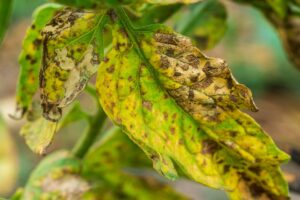
Conkers are eaten by some mammals, including deer and wild boar, but are toxic to other mammals including dogs. The flowers of the conker tree, borne in May, are nectar-rich and provide food for many insects. Some species of moth lay their eggs on the leaves, particularly noteworthy is the horse chestnut leaf-miner moth, Cameraria ohridella, which makes brown ‘mines’ in the leaves and gives the tree the appearance of entering autumn senescence early. These moths and their larvae provide food for insect-eating birds.