Calla lilies provide a touch of the tropics to summer gardens. Though gardeners in far southern climates can grow these beautiful flowers year-round, most of us have to accept that they’ll only grow as annuals.
The other option is to dig up plants each fall and overwinter them, then replant them each spring as you would any other summer garden bulbs. Alternatively, you can grow calla lilies in containers indoors.
I’ll walk you through the basics of caring for calla lilies indoors and out, no matter where you live.
Quick Calla Lily Facts
|
Botanical Name |
Zantedeschia aetheopica |
|
Plant Type |
Tender perennial |
|
Height |
12-24 in (30-61 cm) |
|
Spread |
18-24 in (46-61 cm) |
|
Light |
Full sun, part shade |
|
Soil |
Neutral, slightly acidic |
|
Hardiness |
USDA 8-10 (Not in the US? Convert your zone) |
|
Flowers |
Summer |
|
Native Range |
Southern Africa |
Planting Calla Lilies
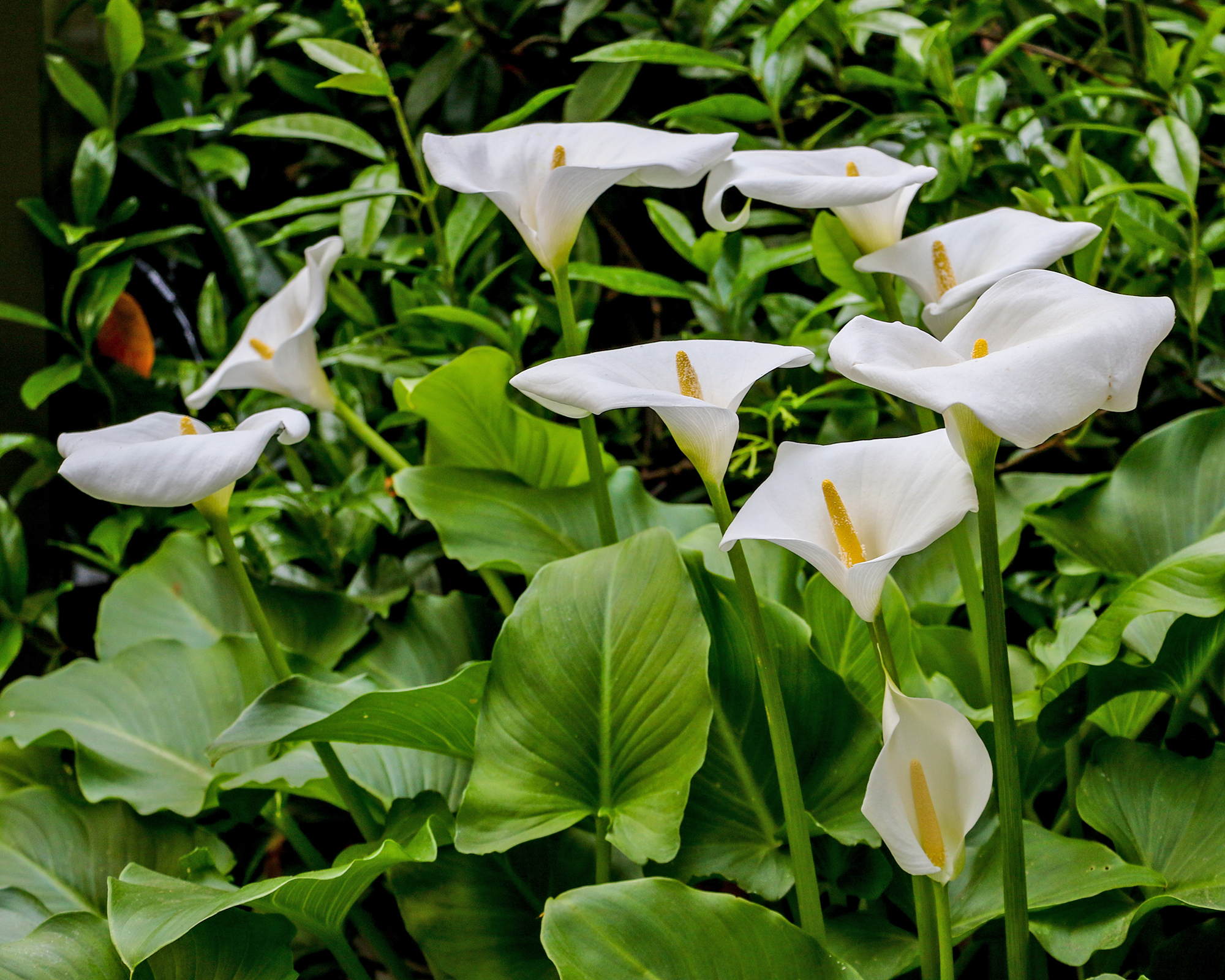
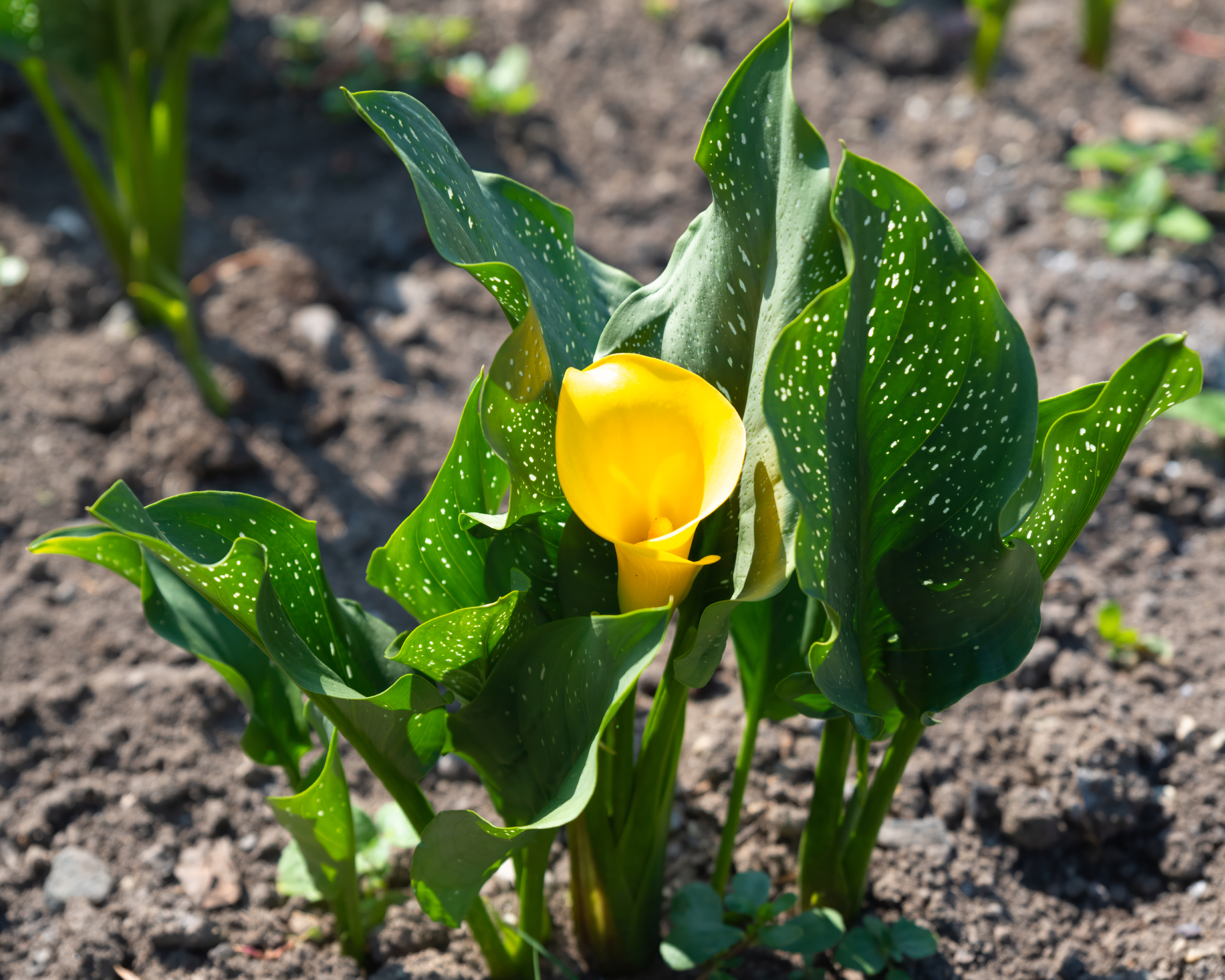
Calla lily plants make a beautiful addition to the ornamental landscape. Though the graceful white calla lily flowers are the most common, available cultivars come in a wide range of colors.
Below, we will explore the basic needs of this stunning perennial in greater detail, as well as information for planting them in the garden and indoors in containers.
Soil Requirements
Calla lilies should be planted into well-amended beds with good drainage. Since they are quite adaptable, the rhizomes will grow well under a wide range of soil conditions, including those that consist of sand or clay. Their ideal garden soil should be neutral or slightly acidic with a pH of 5.6 to 6.5. You can test the pH with soil test kits, like this one on Amazon.
To successfully grow callas indoors, the plants can be placed into containers filled with a high-quality indoor potting mix, like this one from Miracle-Gro.
Light Requirements
Calla lilies grow best where they can receive part sun or full sun throughout the day. Ample light is essential to the production of flowers.
Still, gardeners living in areas that are especially warm or receive intense sunlight may want to consider planting calla lilies in beds that are shaded throughout the hottest parts of the afternoon.

Watering
Caring for calla lilies includes paying special attention to soil moisture. Indoor plants, as well as those grown directly in the garden, appreciate consistent moisture throughout the season in addition to adequate humidity.
In regions that receive regular rainfall, watering calla lilies in the garden is not often required once plants are established. However, the plants can benefit from drip irrigation, like this Rain Bird Watering Kit from Amazon, or soaker hoses in regions that are especially dry or prone to prolonged periods of drought.
Temperature & Humidity
Calla lily plants grow best where conditions are warm with temperatures of at least 70°F (21°C) during the day. Humidity in the environment also plays a key role in maintaining adequate levels of moisture.
Calla lily flowers can tolerate high temperatures in most gardens, provided the humidity conditions are ideal. Extreme heat can be detrimental to the plant, however, in regions that are dry or arid.
Fertilizing
You will need to fertilize calla lilies to keep them looking their best. Well-balanced fertilizers can be used any time before the plants start to flower. Both granulated and liquid feeds are good options, depending upon one’s specific needs. This organic bloom-boosting fertilizer from Espoma is a good option.
As with most perennials, make certain to avoid using fertilizer after the plant has finished blooming.
Pruning
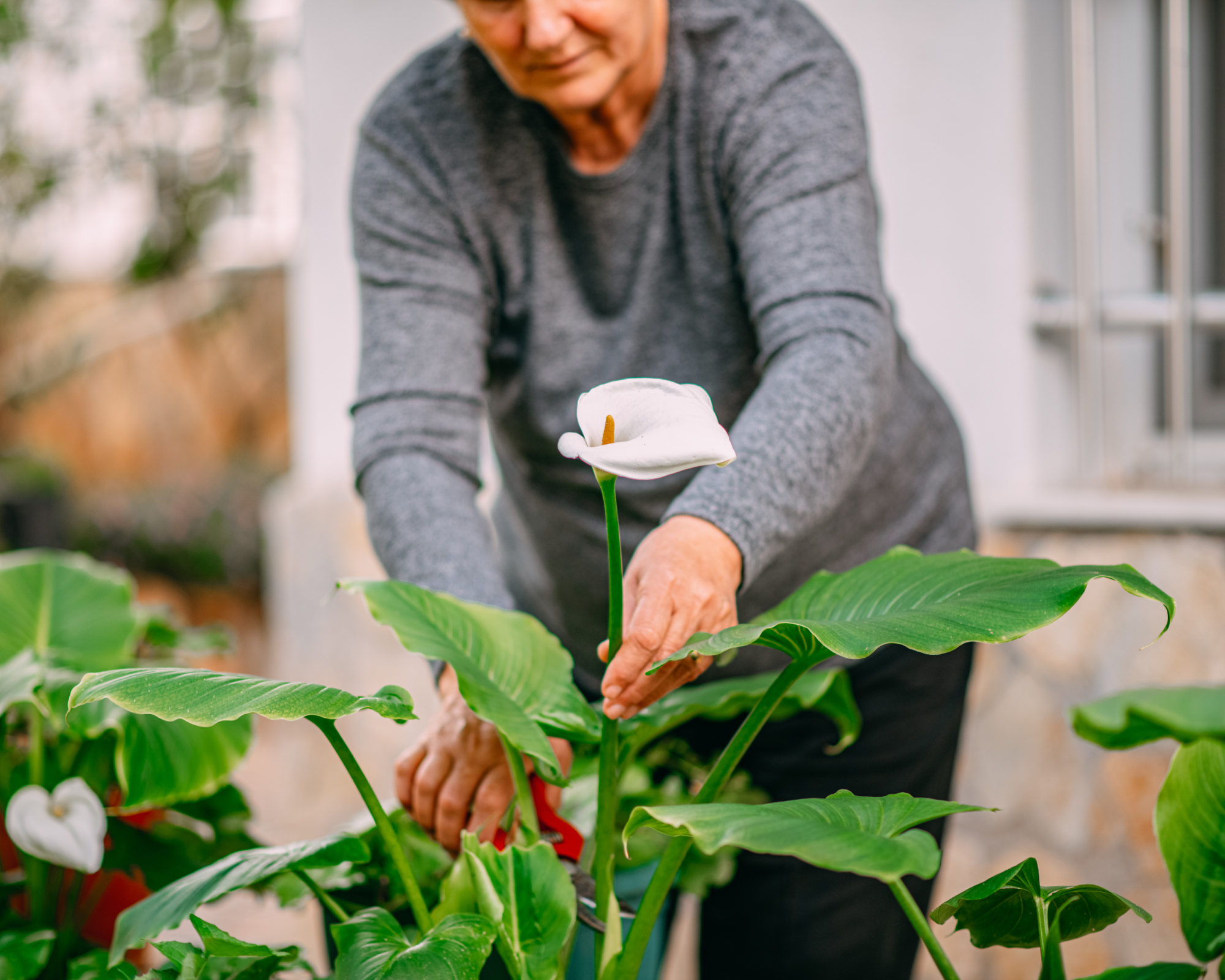
Calla lily flowers can be removed as they begin to fade from the plant. Deadheading calla lily flowers prevents the production of seeds and encourages repeat blooming.
Each spent flower stem should be removed carefully all the way back to the base of the plant. Dead or yellowing foliage can also be pruned in this manner, which helps to maintain a healthy and tidy appearance in garden beds.
Calla Lily Varieties
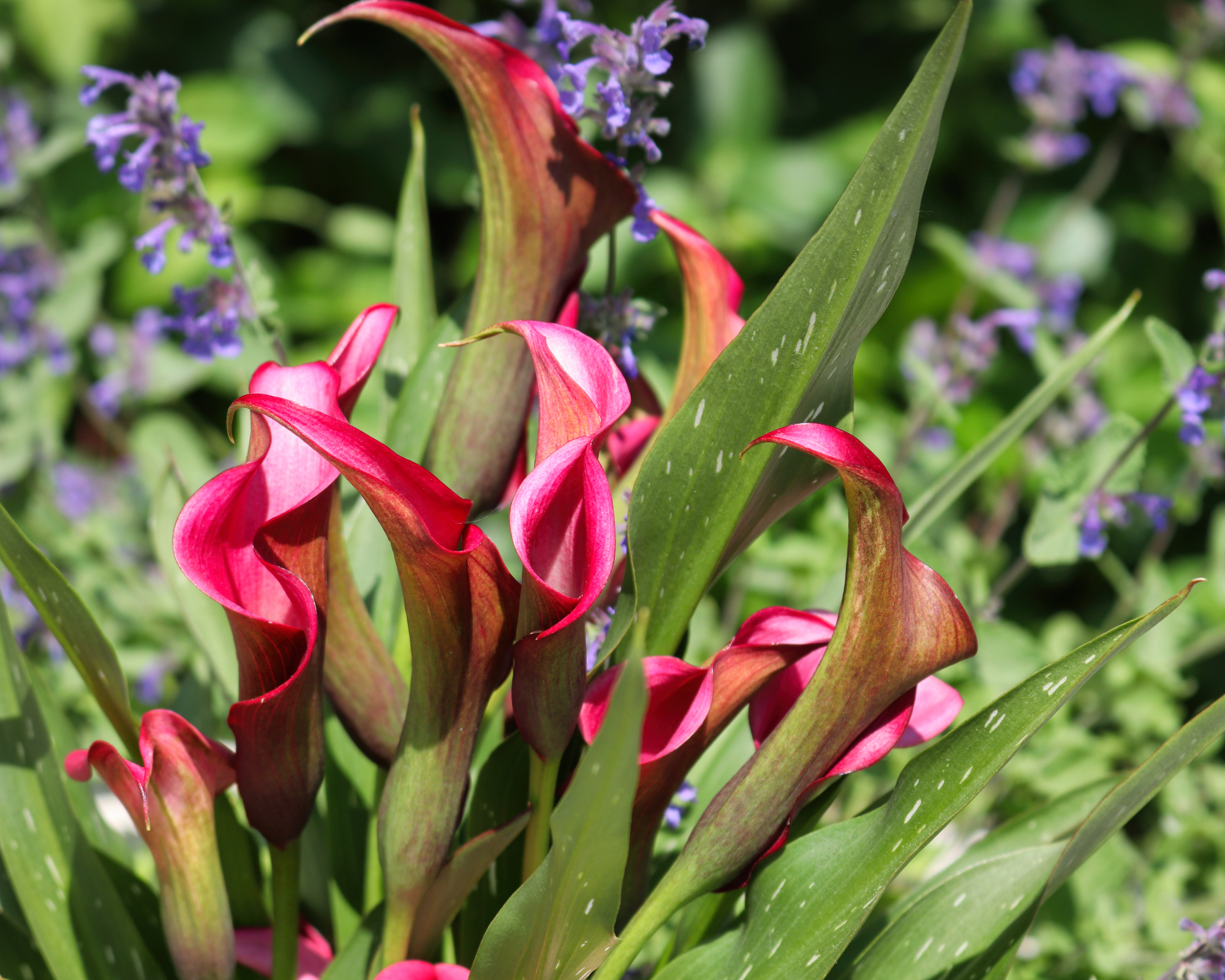
You can find a wide array of calla lily bulbs from Home Depot and your local garden center to grow in your garden. These are some of the most common varieties of calla lilies to look for:
- ‘Crystal Clear’ Calla Lily
- ‘Garnet Glow’ Calla Lily
- ‘Odessa’ Calla Lily
- ‘Morning Sun’ Calla Lily
- ‘Picasso’ Calla Lily
Propagation
Though it is possible to grow calla lily plants from seed, most gardeners prefer to divide those that have already established themselves in the garden. This can occur every three to five years and will result in flowers that are identical to the parent plant.
You should divide calla lilies in the fall while each plant is dormant. After carefully lifting rhizomes from the soil the roots can be cut apart. New divisions should have at least one healthy, viable growing eye.
Common Problems
While care for these plants is relatively simple, there are some common problems with calla lilies that gardeners need to be aware of.
Notable among these are diseases that directly affect the plants’ rhizomes and foliage. Root rot, powdery mildew, and various kinds of wilt may be the direct result of excess moisture.
Several types of pests may also target calla lily plants. Slugs and Japanese beetles are the most problematic.
Container Care
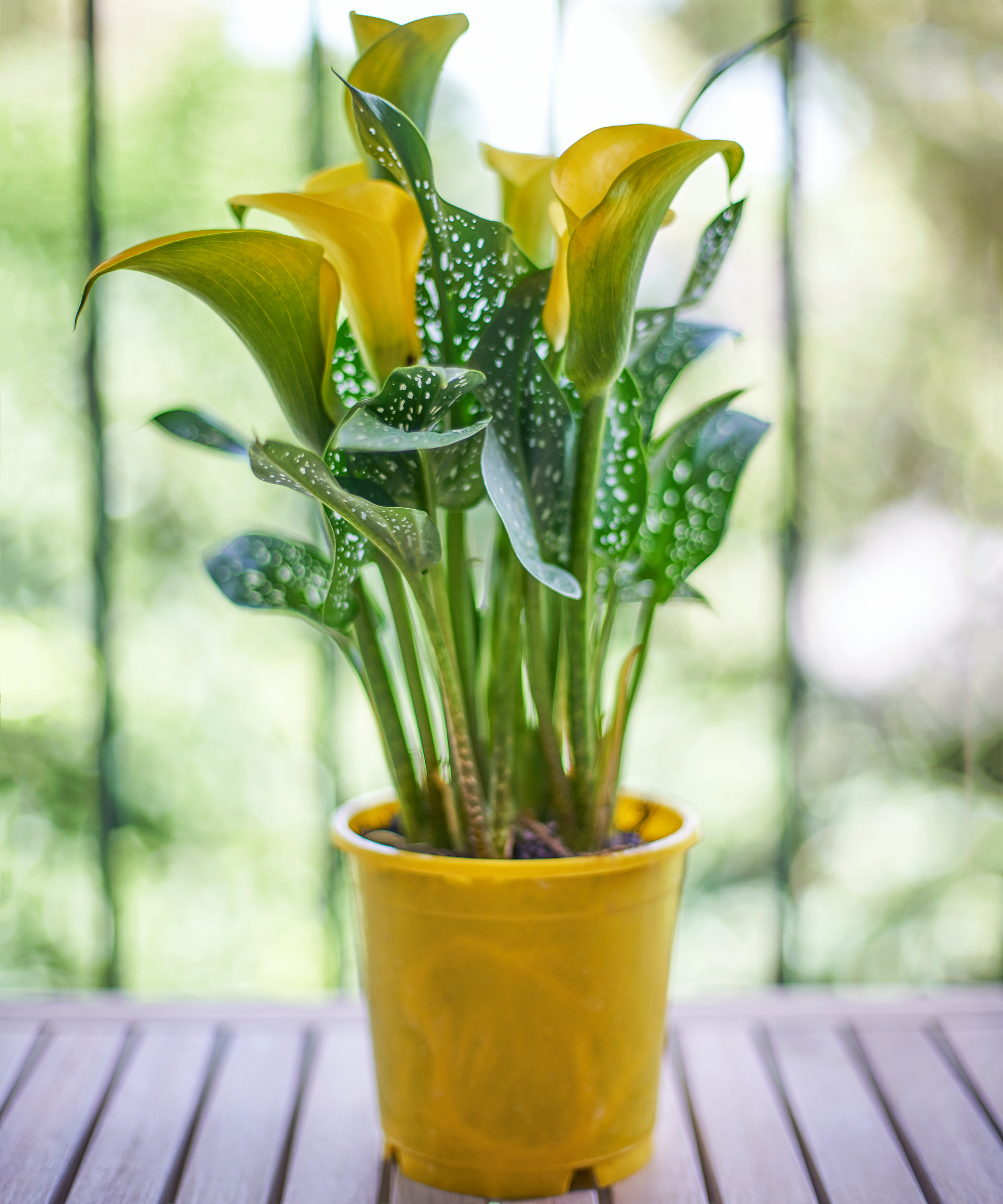
Calla lilies are common houseplants because they do well growing in containers. But they will need occasional repotting to perform their best. If you grow calla lilies in pots, they will outgrow their containers and require repotting once every one or two years. Do this in the fall when the plants are dormant.
During repotting, you can also divide mature plants and replant them into new containers. Or you can just move your overgrown plant into a larger container that’s about 1 inch (2.5 cm) larger in diameter than the old pot.
Frequently Asked Questions
Are calla lilies toxic?
All parts of the calla lily plant are extremely toxic. Calcium oxalate and other chemical compounds may be fatal if ingested. Extreme caution should be taken when they are planted near children and pets, as well as when being handled by growers.
Calla Lily Care Must-Haves
Get a gorgeous mix of calla lily bulbs for your summer garden from Amazon.
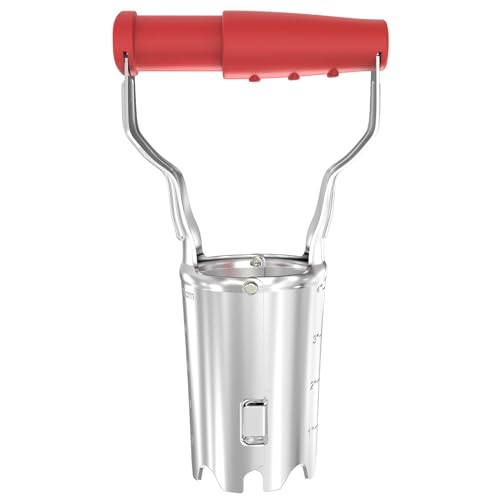
Make planting calla lily bulbs quick and easy with this handy bulb planter tool.
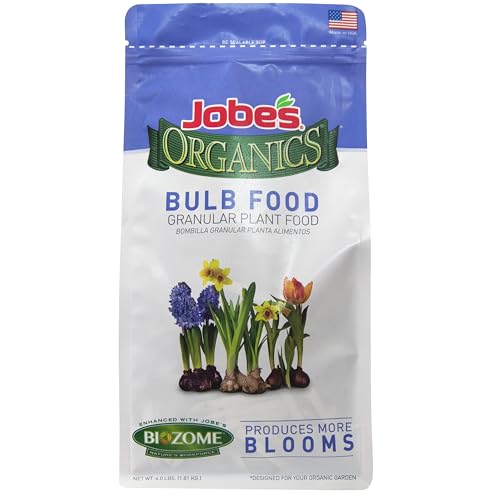
Give blooms a boost with this specialized organic bulb fertilizer.