Go down the bird food aisle this time of year and the choices just keep going, from seed blends to suet cakes in a dozen flavors. Some people walk right past all of it. They make their own at home, and one old recipe shows up in their kitchens again and again.
That recipe is Marvel Meal, and if you’re feeding birds on a budget, it’s hard to beat. The whole batch is peanut butter, vegetable shortening, cornmeal, and flour. Odds are you’ve got all four in the cupboard right now.
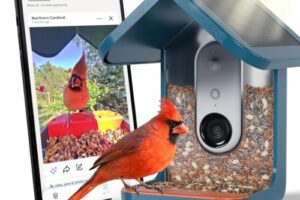
Chickadees, titmice, and wrens come for the soft dough – and so do bluebirds, which don’t always bother with a seed feeder. It’s cheap, it keeps in the freezer, and kids can help mix it. And if you love helping birds in your backyard, then enter our competition to win a Birdfy smart feeder.
What Is Marvel Meal, and Why Do Birds Love It?
Its exact origin is hard to pin down, but bluebird fans have been passing the recipe around for years, and Penn State Extension still shares it today. There’s nothing to cook and no beef fat to render, which some suet recipes call for. You also won’t find a ring of spilled seed under the feeder the way you do with a seed mix.
Insect eaters get the most out of it. Bluebirds rarely eat seeds, and woodpeckers, nuthatches, and wrens lean on insects for much of the year. Come winter, bugs get hard to find. A rich, fatty food fills that gap with the calories birds need to stay warm through long nights, at a time when natural food can be scarce.
How to Make Marvel Meal for Backyard Birds
The recipe is short:
- 1 cup of plain peanut butter – do not use a flavored peanut butter
- 1 cup of vegetable shortening
- 4 cups of cornmeal
- 1 cup of all-purpose flour
- Toss in a handful of sunflower seeds if you like – this Wagner’s 5-Pound Bag of Black Oil Sunflower Seed from Amazon will be enough to make multiple batches.
Beat the peanut butter and shortening together in a big bowl until it’s smooth. Then work in the cornmeal and flour a cup or so at a time, and stir the seeds in last. You’re after a soft dough that holds its shape when you squeeze a lump of it. If kids are helping, check for peanut allergies before anyone digs in.
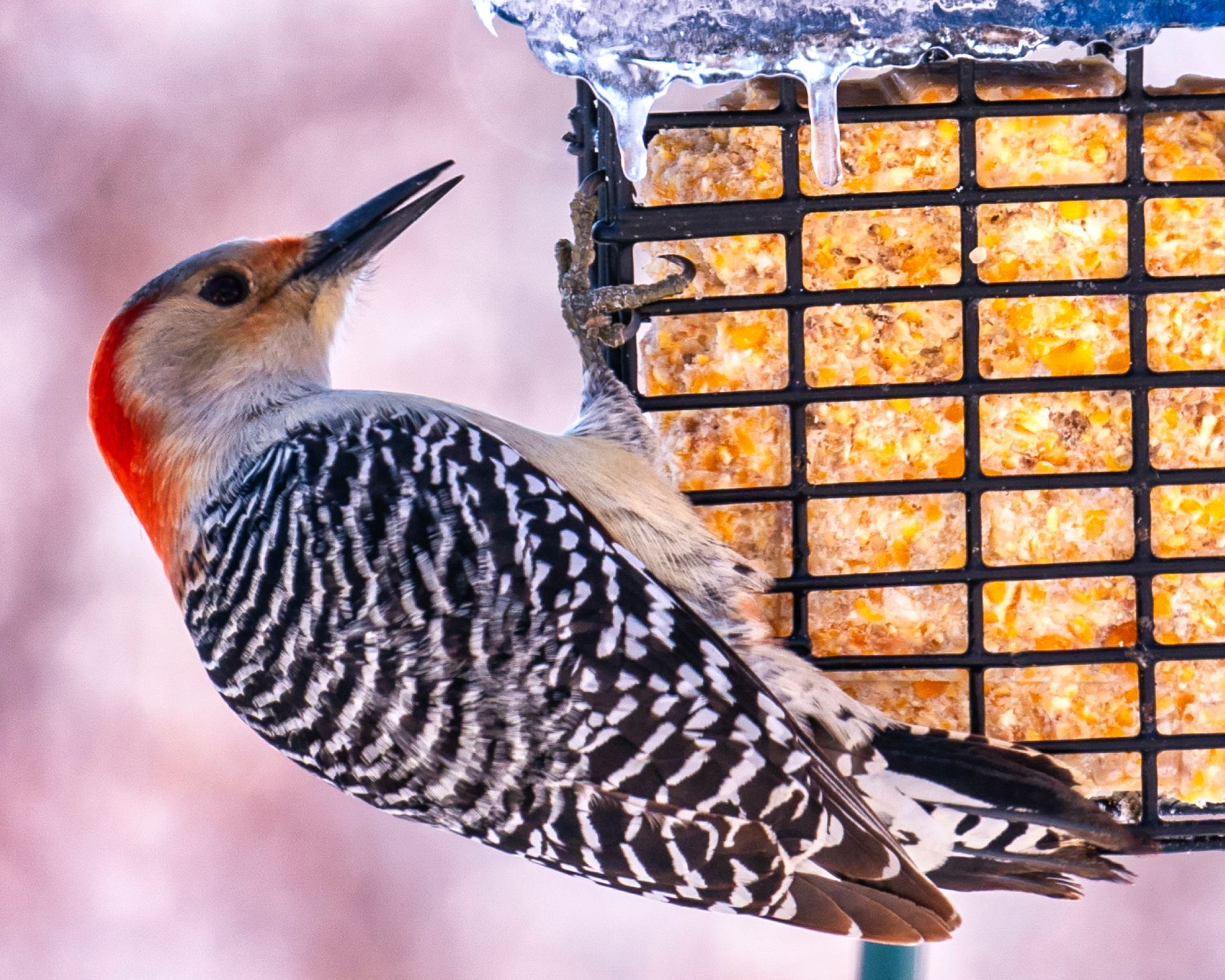
Marvel Meal doesn’t need to go in the fridge first. Soft is good, since that’s what lets you press it into a feeder. If you’d rather have firm blocks for a suet feeder, spread the dough in a pan lined with wax paper, freeze it, and cut it into pieces.
The Best Ways to Serve Marvel Meal
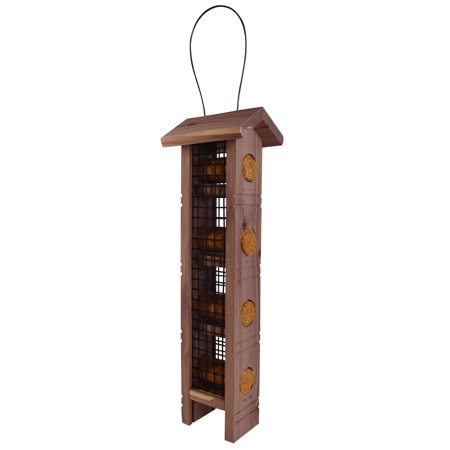
Log feeders, like this Pennington red cedar suet feeder from Walmart, are the old standby. Press the dough into the drilled holes. You can also just smear some on rough bark or a pinecone, or fill half a coconut shell.
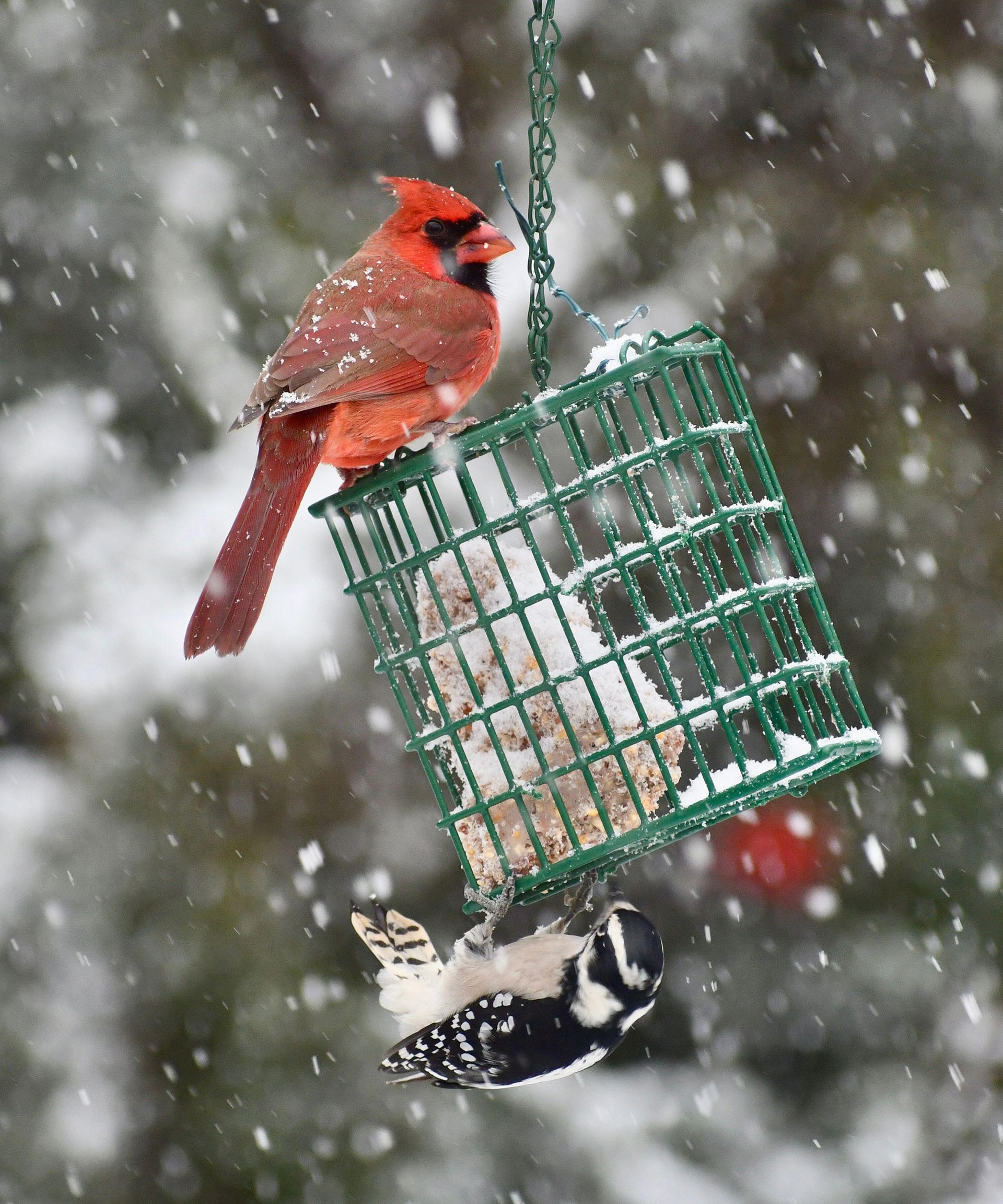
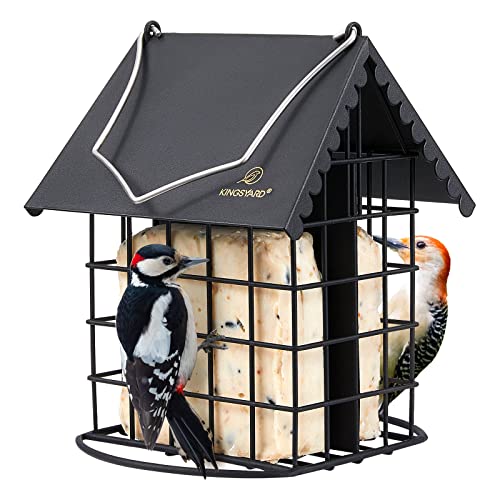
Place frozen blocks of Marvel Meal in a basic suet cage, like this Kingsyard all-metal double suet bird feeder with perch. The cage keeps squirrels and bigger birds from making off with the whole chunk. But never use a mesh onion bag – birds can get their feet tangled and stuck.
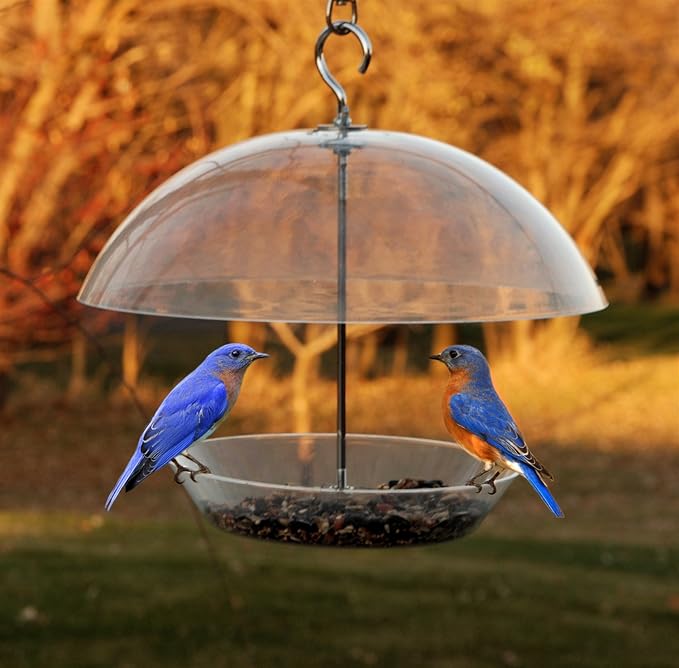
For bluebirds, roll the dough into small balls and set them in an open dish with some cover over it. Audubon’s Woodlink dome-top seed and bluebird feeder, available at Home Depot, has a roof right above the dish. Wet weather turns the dough to mush, and a clear plastic squirrel baffle hung over a hanging feeder helps keep the rain off. Don’t put out more than the birds will clean up in a day or two.
Which Birds Will Eat Marvel Meal?
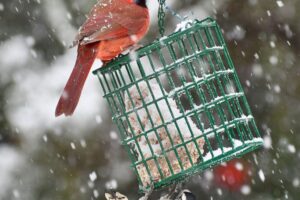
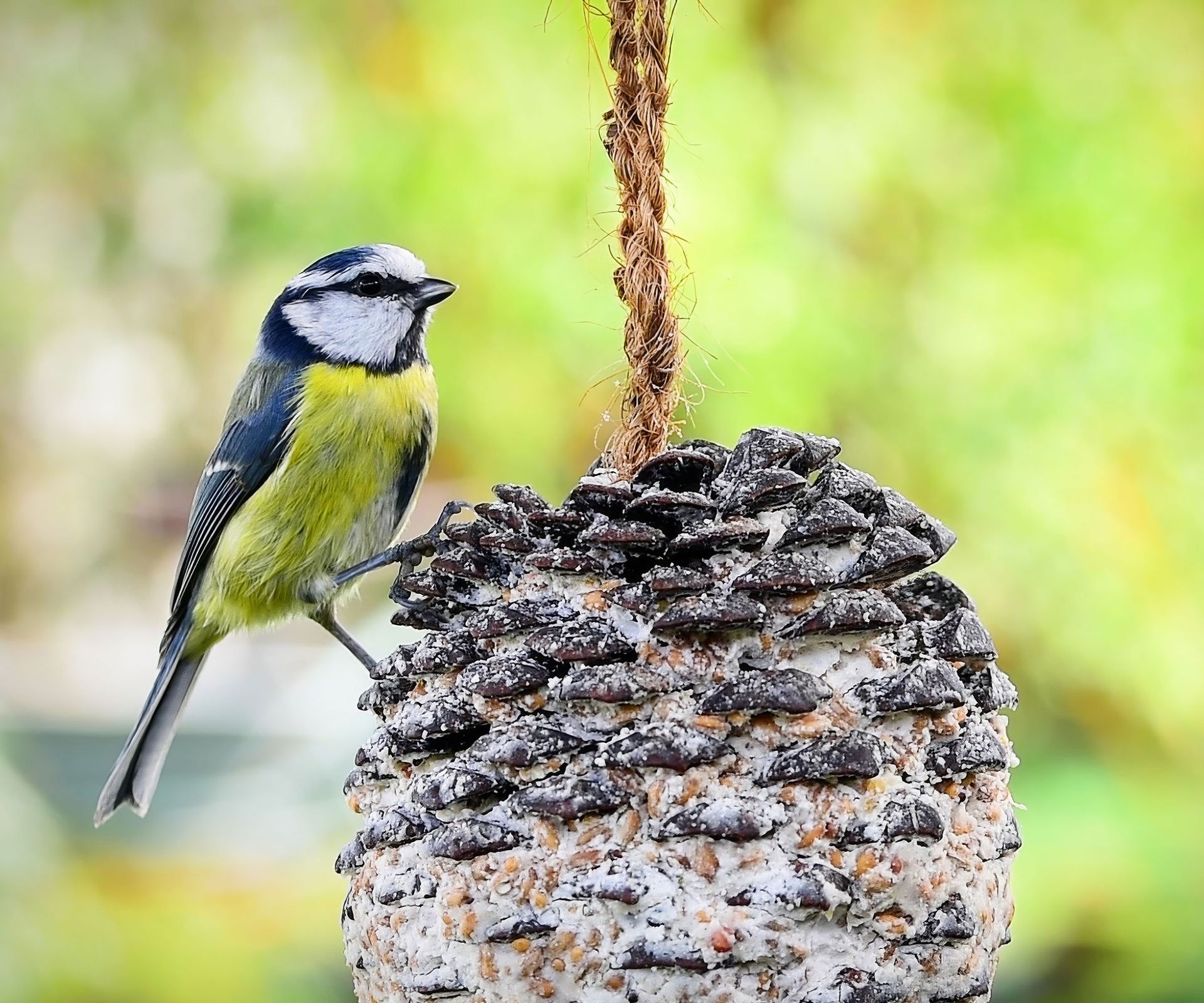
Penn State lists chickadees, titmice, wrens, and bluebirds as fans. Woodpeckers, nuthatches, blue jays, and even cardinals stop by too, though European starlings can turn into pests.
Bluebirds are the hard ones. They don’t go to feeders the way chickadees do, and a lot of them have to learn that a dish means food. Who shows up in your yard depends on what lives around you and how you set out the food. Try a couple of spots and give it a few days. Hang feeders near trees or shrubs so small birds have somewhere to dart, just not so close that a hawk can sit hidden in them.
When Should You Feed Marvel Meal to Birds?
Marvel Meal is a winter treat, not a year-round meal. Start putting it out when the nights get cold in late fall and natural food is getting scarce. Birds don’t need a steady diet of rich food, and heat brings its own problems. When highs climb to about 65°F to 70°F (18–21°C), the fat goes soft and can go rancid – and greasy food can mat feathers and even get onto eggs in a nest. Once spring stays warm, take it down.
Leftover dough keeps in sealed bags in the fridge, and the extra can go in the freezer. Keep seed somewhere cool and dry as well. The Gamma2 Vittles Vault from Walmart holds up to 35 pounds (16kg). Toss anything that’s moldy, wet, or smells rancid. About every two weeks, scrub feeders in a mix of 1 part bleach to 9 parts water, and do it more often when it’s wet or the feeders are busy. Rinse them well and let them dry before you fill them again.
Shop Bird Feeders for Marvel Meal
Fill a log with Marvel Meal on a frosty morning, and a chickadee will probably find it before your coffee gets cold. Keep the batches small and the feeders clean, and they’ll stick around all winter.