There’s something rather magical about spotting an owl in your backyard. These mysterious nighttime visitors can be surprisingly elusive, but there are ways to make your garden a more welcoming place for them. And no, you don’t need acres of woodland or a sprawling country estate to get your very own owl hangout started.
The secret is to think beyond the owls themselves (although there’s never any harm in making an owl nest box) and create a garden that supports the wildlife they depend on.
Whether you want to lure in your birth month owl, or find yourself – much like Justin Bieber – welcoming in any owl that flits by, there are plenty of ways to make your backyard more appealing to these beautiful birds of prey. And the good news? Well, you can make a surprisingly big difference with just five plants.
The 5 Plants That Make An Owl Hangout
That’s right, folks! If you want more owls in your garden, that means providing shelter for small mammals, encouraging insects and other prey, and offering trees and shrubs where owls can perch, roost or potentially nest.
From tall native grasses to berry-producing shrubs and evergreen trees, then, these are some of the best additions for creating an owl-friendly backyard.
1. Switchgrass
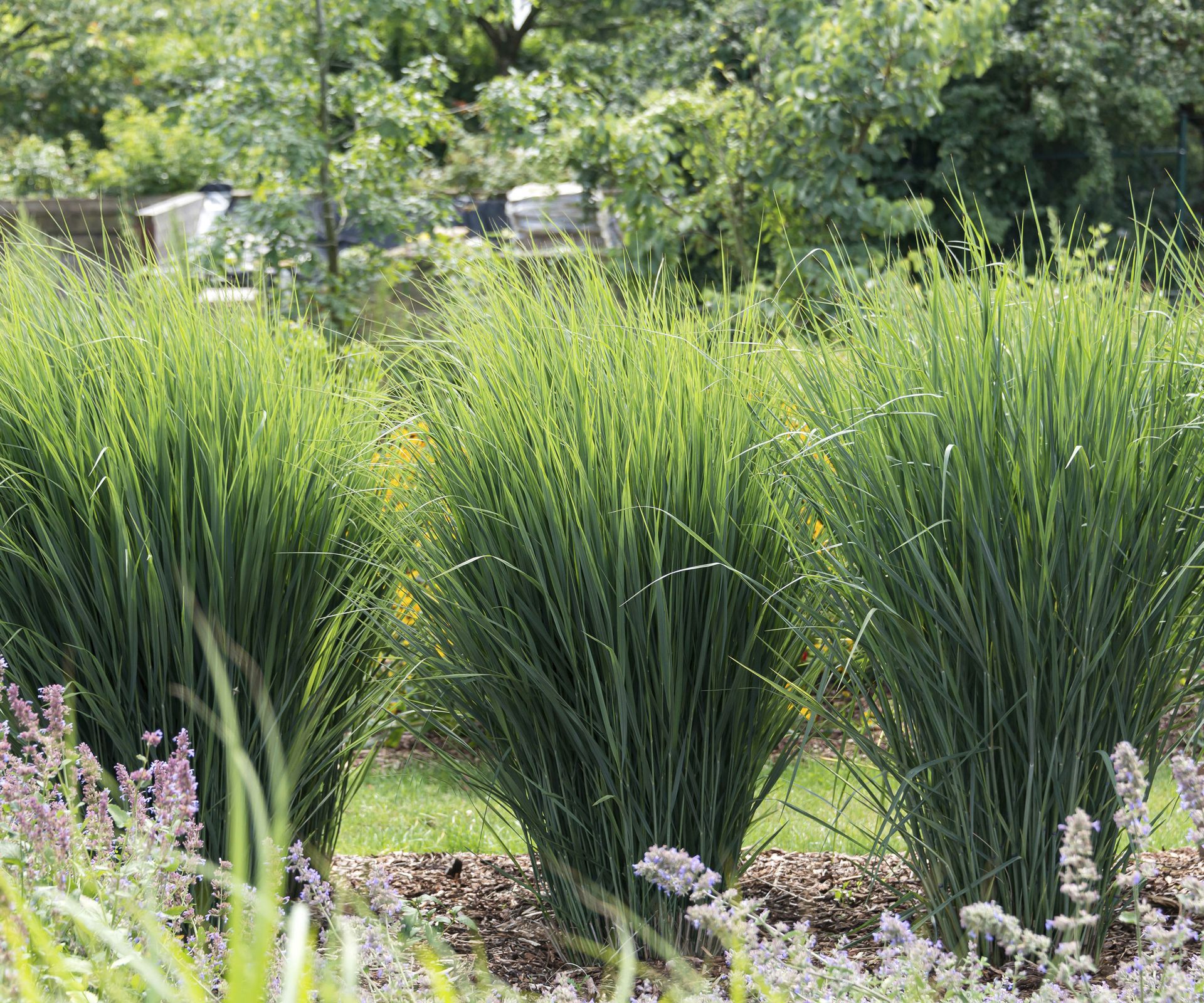
Switchgrass (Panicum virgatum) is a fantastic native grass for an owl-friendly garden, particularly if you have a sunny spot where you can let it grow relatively undisturbed.
Why? Well, because its tall stems and dense clumps provide valuable cover for small mammals, including voles and mice, which are important prey for many owl species. The grass also offers shelter for other wildlife through winter, when more exposed parts of the garden can become less hospitable.
Shop Switchgrass:
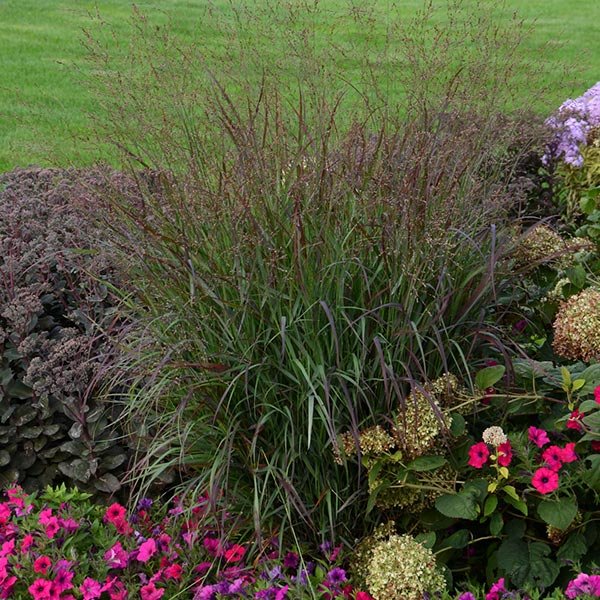
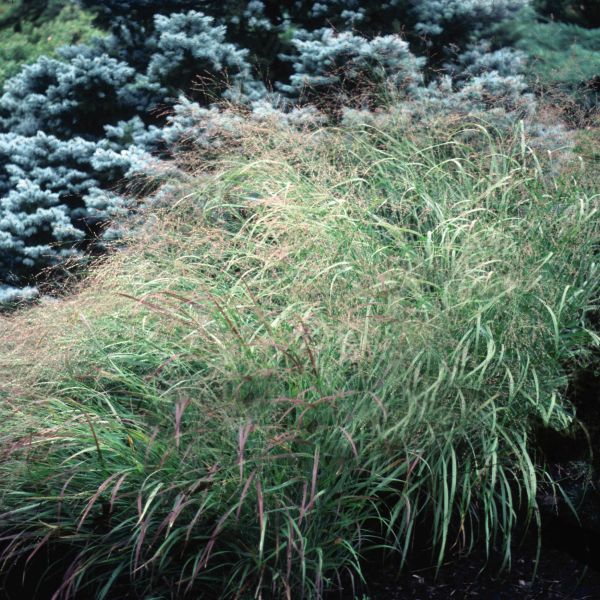
Switchgrass is particularly useful in meadow-style plantings, where it can grow alongside native wildflowers. It produces attractive seedheads in late summer and fall, too, and it’s a relatively low-maintenance perennial once established.
Give it a sunny position and well-drained soil, then, and leave some of its growth standing over winter rather than cutting everything back in fall. You may just find it swiftly becomes your new favorite garden plant, let alone the best part of your owl hangout!
2. Native Pines and Spruces

If you want to make your garden more appealing to owls, don’t underestimate the value of evergreen trees! Native pines and spruces provide year-round cover, with dense branches offering potential daytime roosting spots and sheltered perches. Their evergreen foliage can also make wildlife feel more protected from disturbance and exposure.
Different owl species have different preferences, but trees are an important part of the habitat for many woodland-dwellers like barred owls. Some species also use natural cavities in mature trees for nesting.
If you have room, consider something like this stunning Eastern White Pine from Nature Hills. Just remember that a newly planted sapling is unlikely to become an instant owl retreat, though, so it’s always better to preserve mature trees where you can!
3. Blackberry Brambles
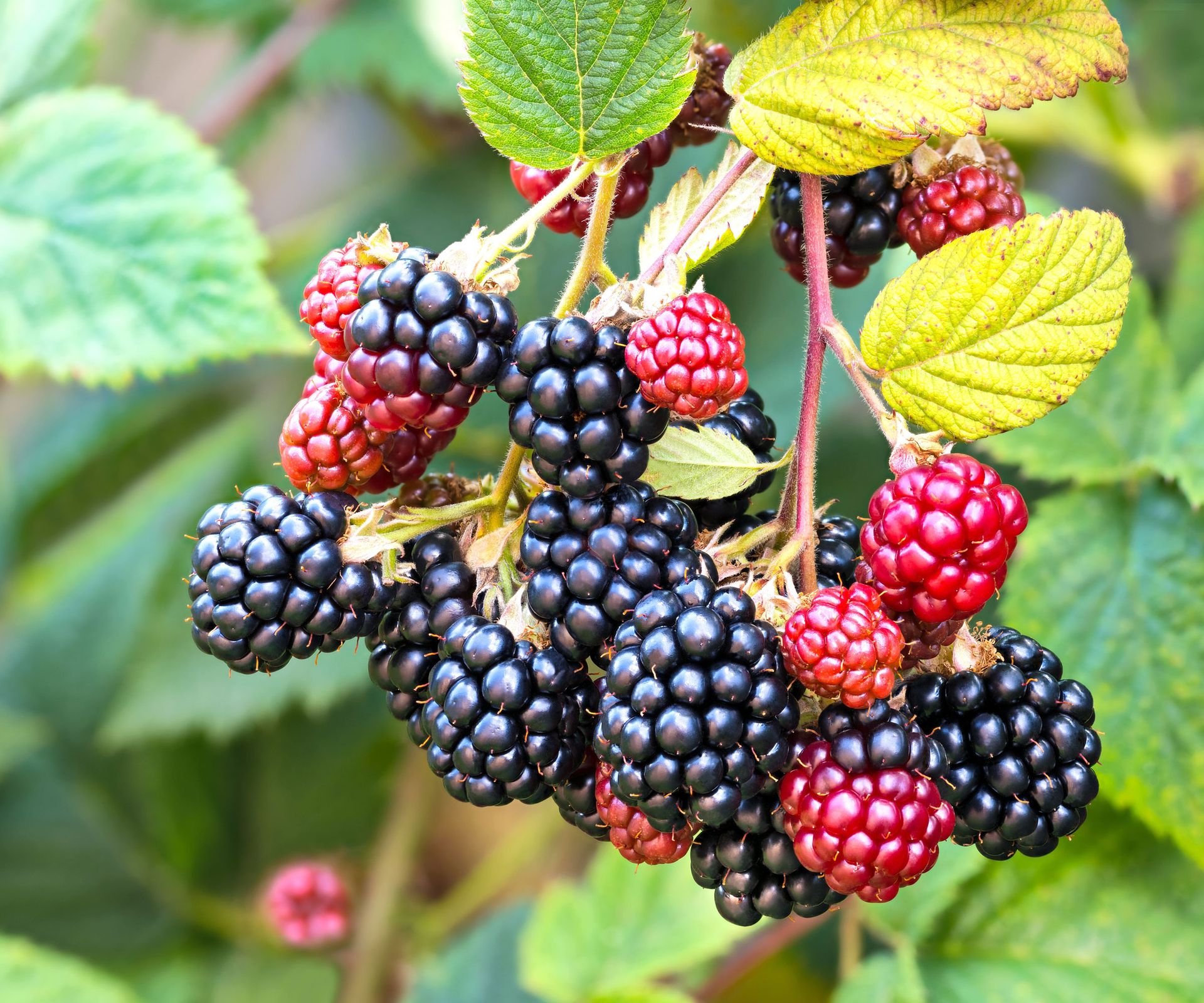
A slightly wild patch of blackberry brambles (Rubus spp.) might not be everyone’s idea of a perfectly manicured garden, but it’s a genius addition to anyone hoping to turn their yard into an owl hangout. After all, blackberry thickets provide dense cover for small critters and nesting birds, not to mention food and shelter for plenty others besides.
Why does this matter for owls? Because a garden that supports a healthy range of small animals can help provide the prey that visiting owls need, of course! And you don’t have to let blackberries take over your entire yard, either. A small patch of something like Baby Cakes® Blackberry Bush from Nature Hills along a boundary or at the back of a wildlife-friendly border can provide plenty of habitat value.
Just remember that brambles can spread, so give them room and keep growth away from paths and areas where people regularly walk.
4. Serviceberry
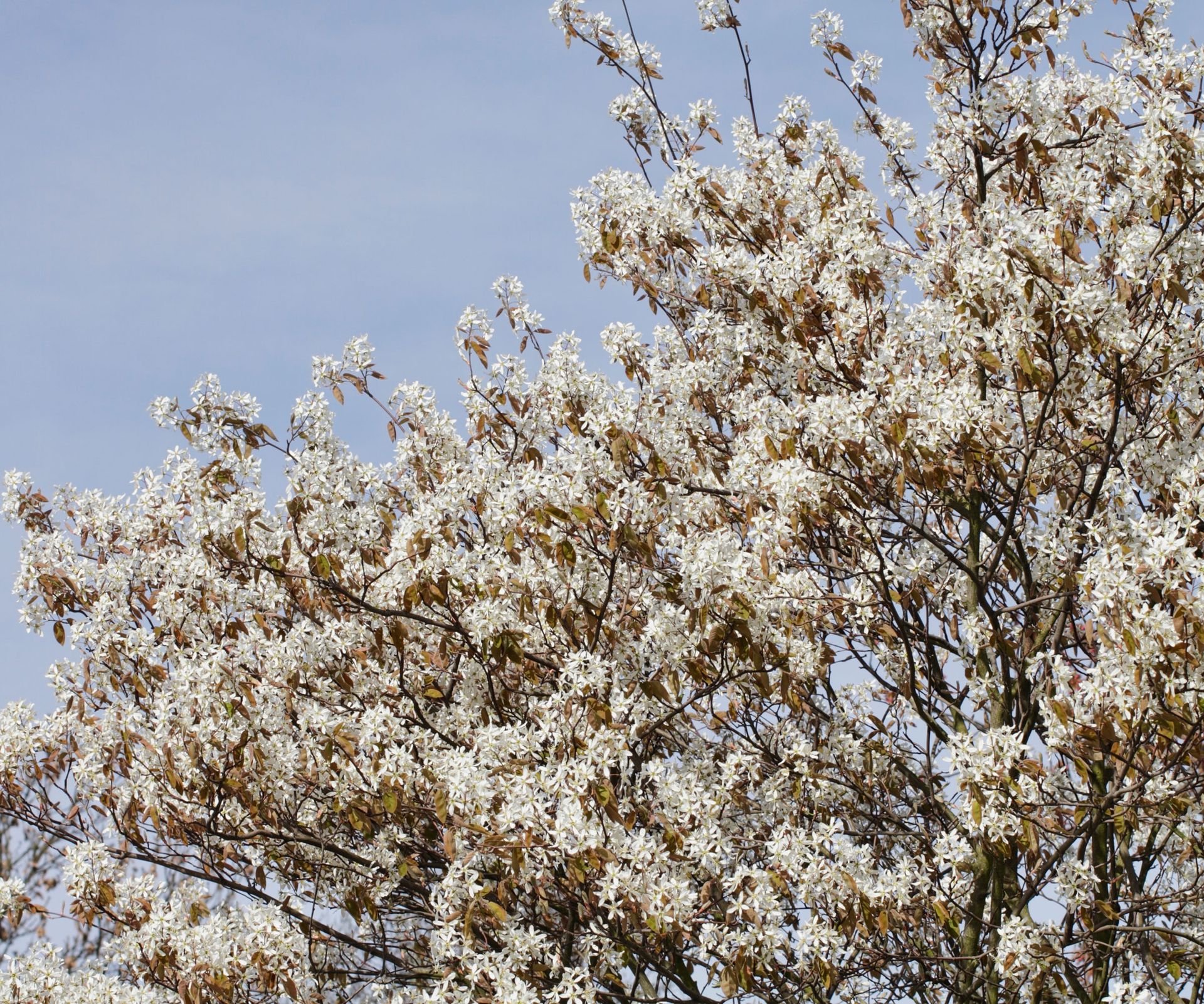
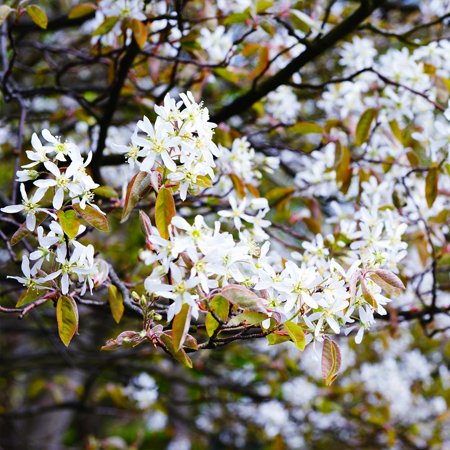
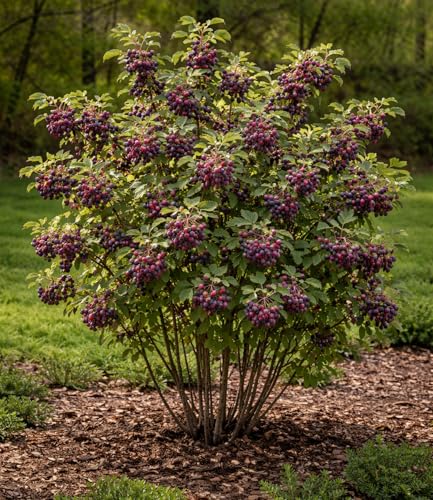
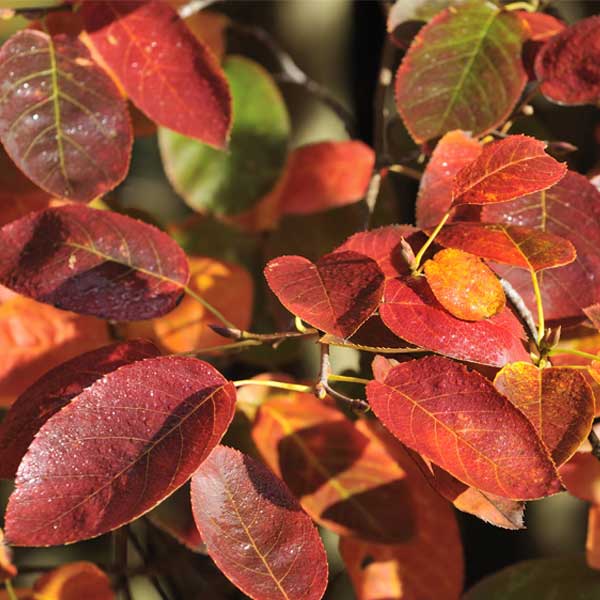
Serviceberry (Amelanchier spp.) is a beautiful native shrub or small tree that brings several seasons of wildlife interest to the garden; think white flowers that attract pollinators, followed by edible berries in summer, which are enjoyed by birds and other wildlife.
Its value doesn’t stop with the berries; serviceberry also supports insects and provides useful woody cover, helping to create a more diverse backyard habitat. For an owl-friendly garden, this is all about supporting the wider food web… but hey, it helps that it’s a stunner, too!
Shop Serviceberry:
5. Goldenrod
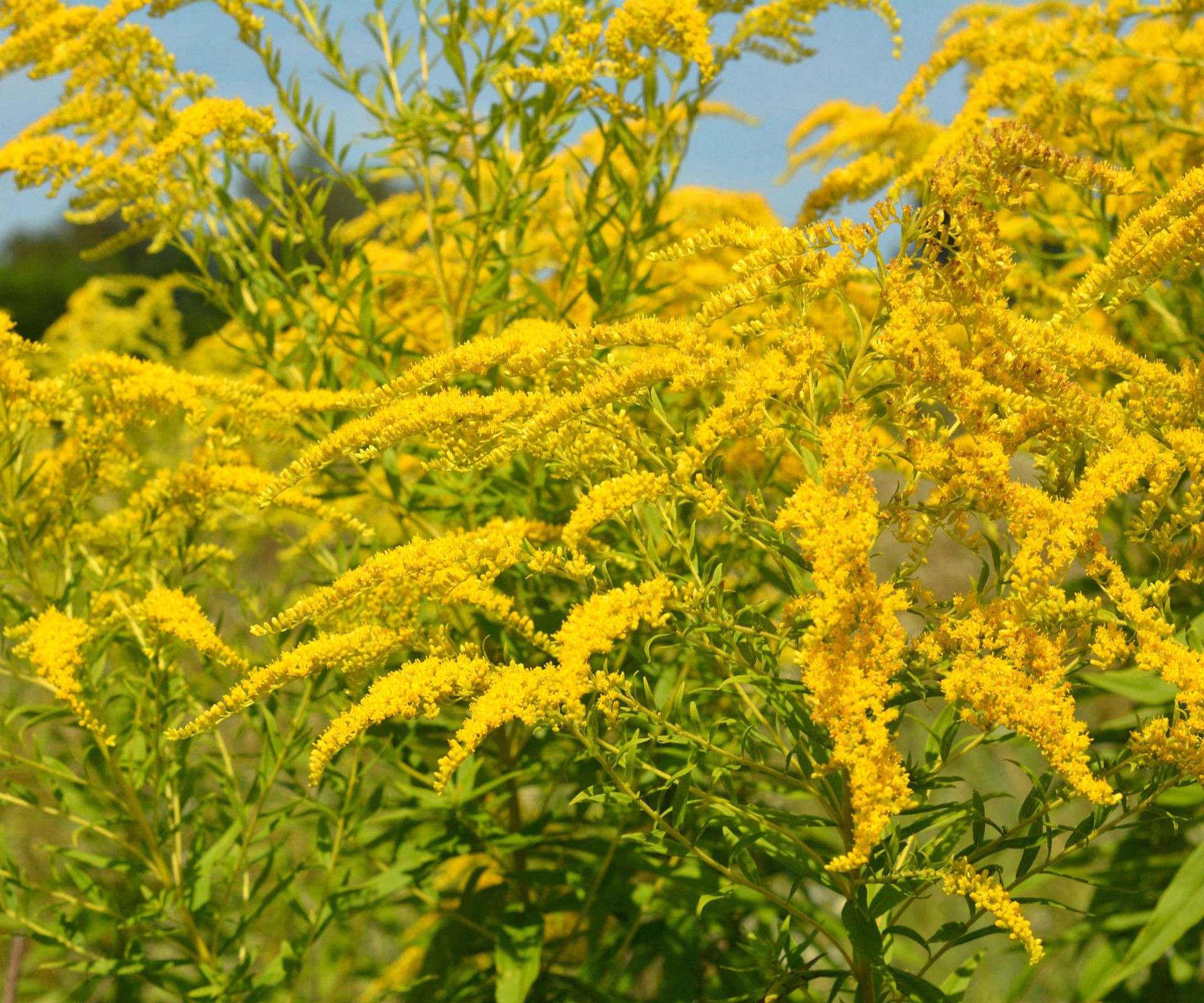
Goldenrod (Solidago spp.) is often overlooked as a wildlife plant, but its bright yellow flowers provide an important late-season source of nectar and pollen for bees, butterflies and other insects. Those insects, in turn, help support other wildlife, including small birds and mammals.
Some smaller owl species also eat large insects, making insect-rich habitats like goldenrod a must for your owl hangout! Especially as it’s a lovely way to add late-summer and fall color to your garden. Many varieties are native to North America, and once established, they’re generally easy to grow.
Something like the Fireworks Solidago (Goldenrod) Plant from Burpee is a great way to go!
BONUS: And The Rest!
These five plants are a great starting point for your owl hangout, but there are plenty of other native choices that can help make your backyard more wildlife-friendly. #
Viburnums, for example, produce berries that feed birds and other wildlife, while their dense branching offers useful cover, too. Native dogwoods offer flowers, berries and dense branching that can provide shelter for wildlife, not to mention some much-added beauty to any yard (there’s a reason they’re swiftly replacing magnolias for a lot of people!).
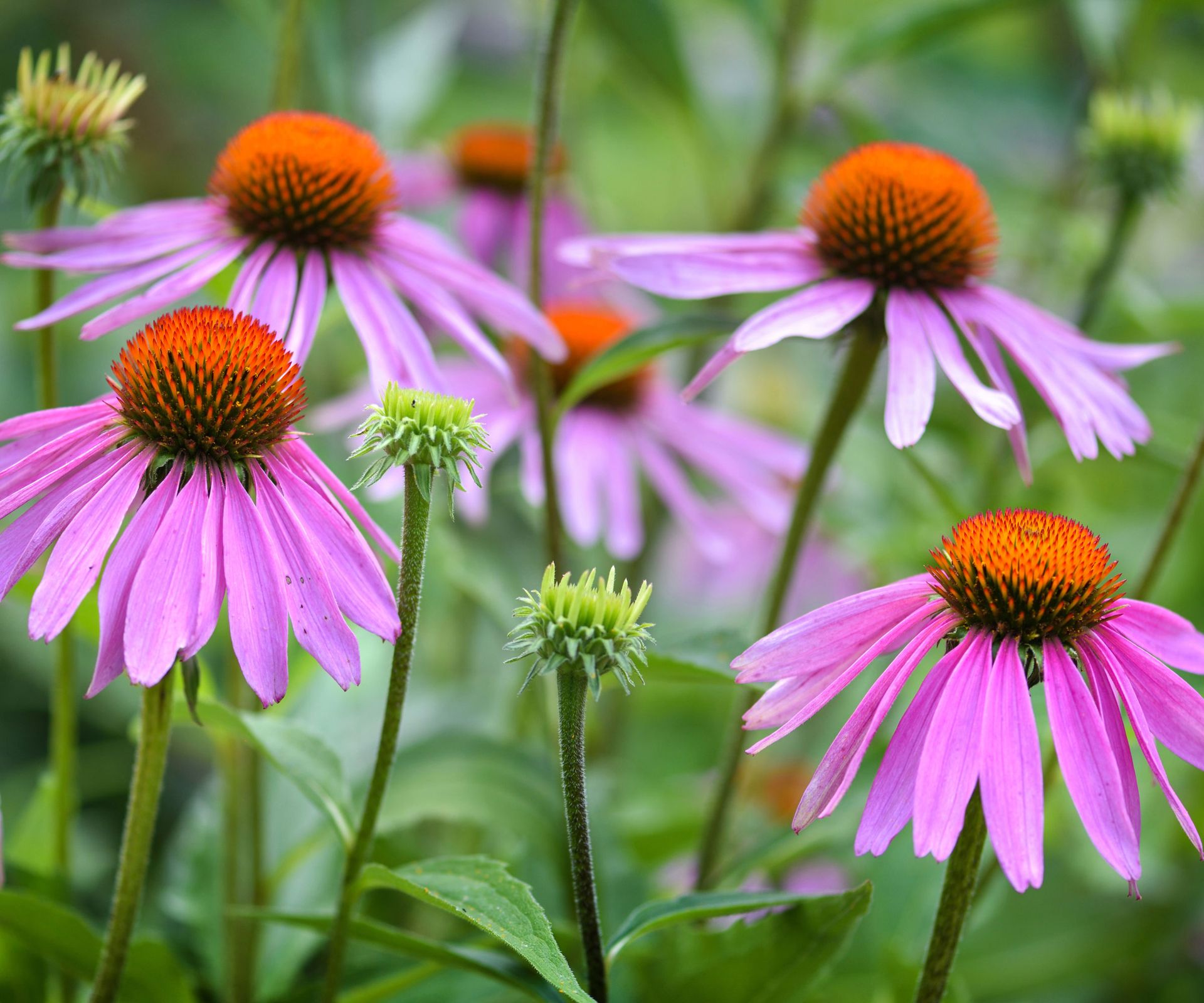
Junipers offer dense year-round cover and provide berry-like cones that are eaten by birds and small mammals. And purple coneflowers (Echinacea purpurea) attract pollinators and produce seedheads that feed birds and other critters, too.
Shop Owl Nesting Boxes:


Of course, planting is a brilliant starting point, but there are a few other things you can do to make your garden more appealing to these fascinating birds. As ever, try leaving some areas of longer grass and natural vegetation rather than tidying every corner. Keep mature trees where possible, particularly those with natural cavities, and consider whether a species-appropriate owl nest box might be suitable for your local area.
It’s also important to avoid rodent poisons, as owls can be exposed to rodenticides when they eat poisoned mice and rats. Keep lights to a minimum after the sun goes down, as they can confuse nocturnal birds and critters. And, finally, remember that owls need peace and quiet; take care to avoid disturbing potential roosting and nesting areas, particularly during breeding season.
You might not spot an owl straight away, but by planting for wildlife and allowing your garden to become a little more natural, you’ll be creating a much richer habitat for all sorts of visitors. And who knows? Before too long, your owl hangout might just be the most buzzing nightspot in town…