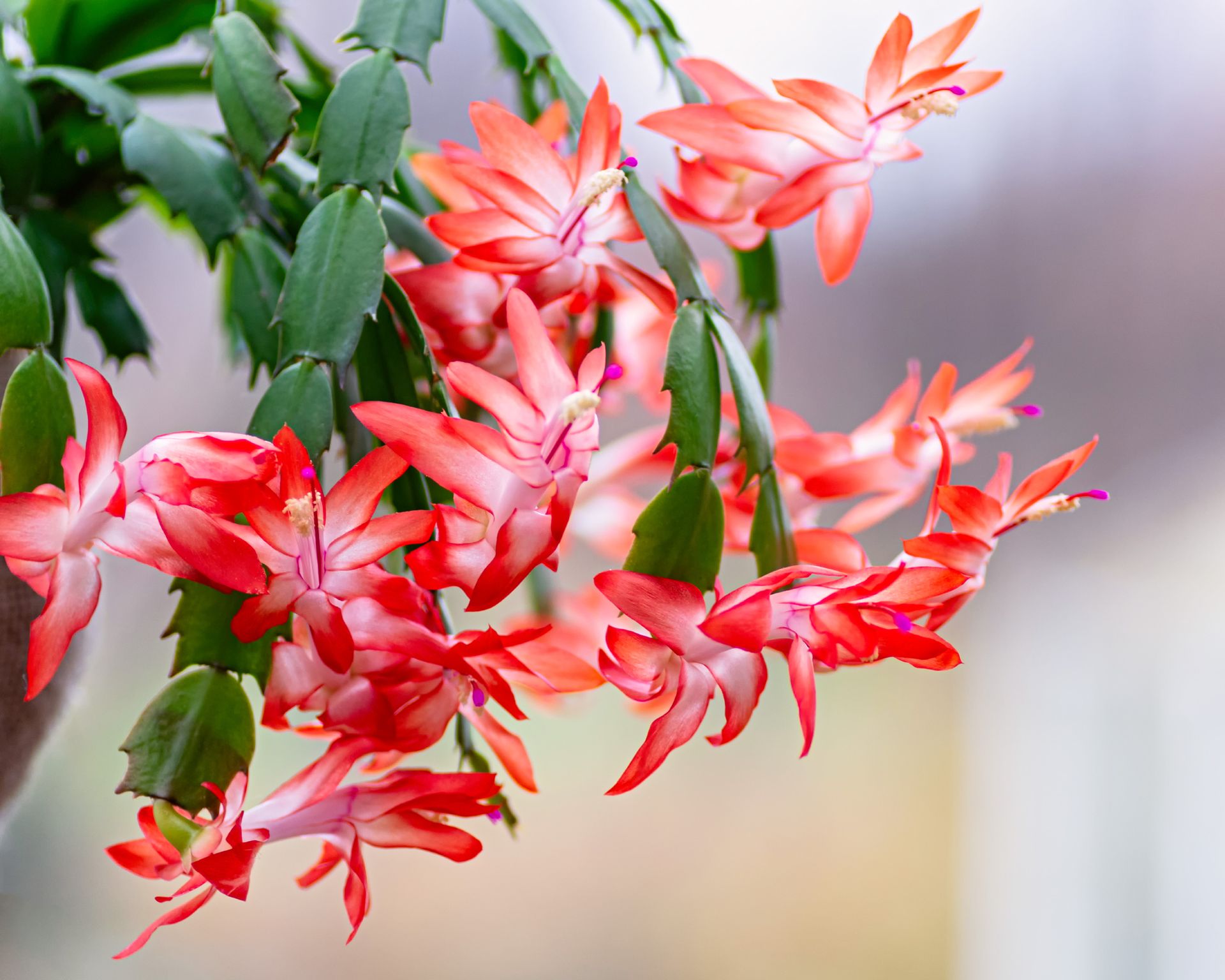
If your Christmas cactus isn’t budding by mid November, don’t despair – this easy trick mimics methods professional growers use to force these plants into bud, and it’s usually highly effective. It’s so disappointing when a Schlumbergera isn’t showing even the smallest pinpricks of colored buds on its stem ends by late fall, especially if you’ve been diligently delivering all the care your Christmas cactus needs in November. But by shifting your stubborn plant into survival mode, you can kickstart its bloom cycle. And guess what? All you need is a banana and a plastic bag.
Pro growers require their plants to form plenty of buds at exactly the right time to ensure peak sales so, among other processes, Schlumbergera plants are often sprayed with synthetic hormones. This causes the plants to stop growing green leaf segments and switch to developing flowerbuds. And you can use the exact same idea with the natural chemicals a ripe banana releases if your Christmas cactus isn’t blooming yet.
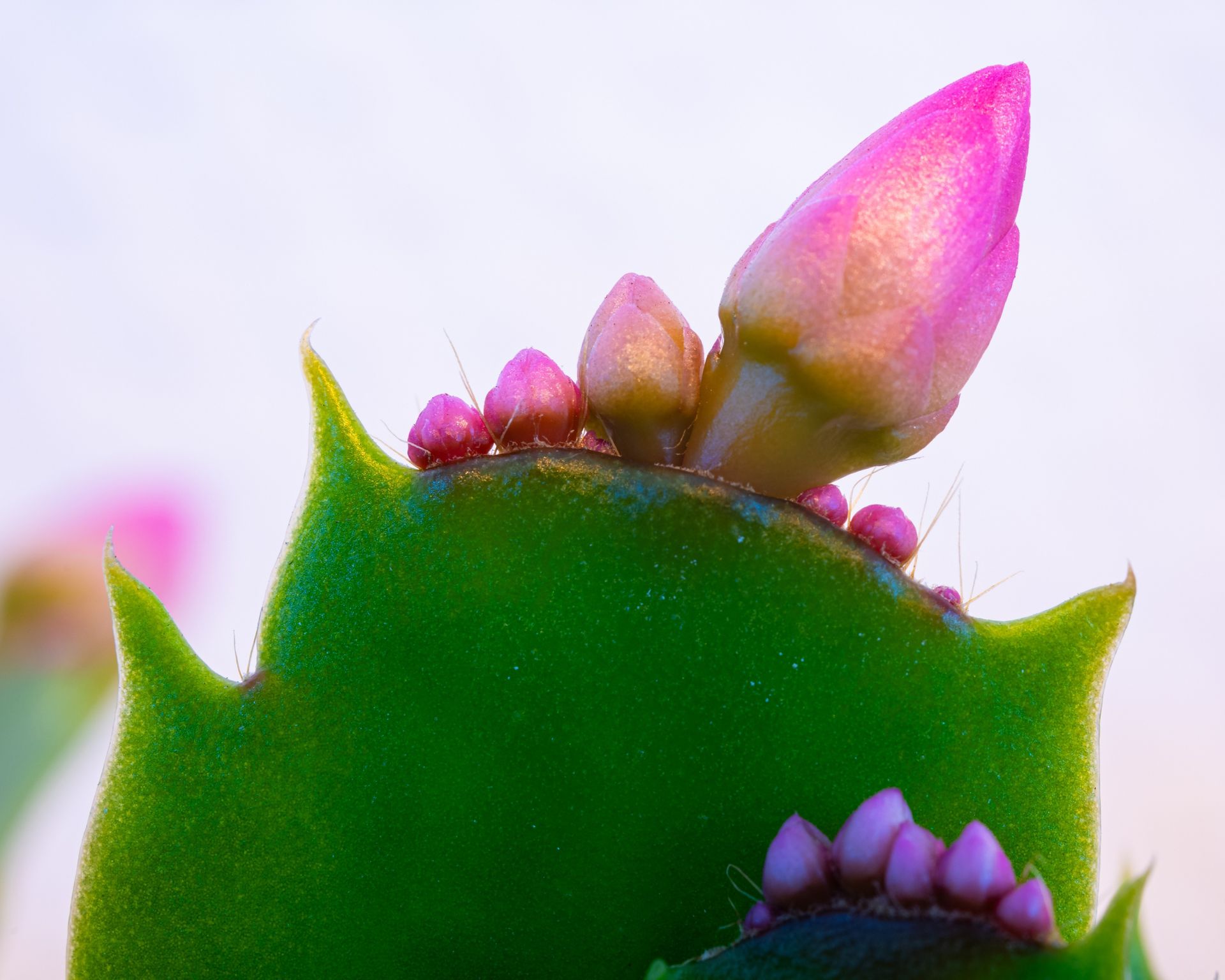
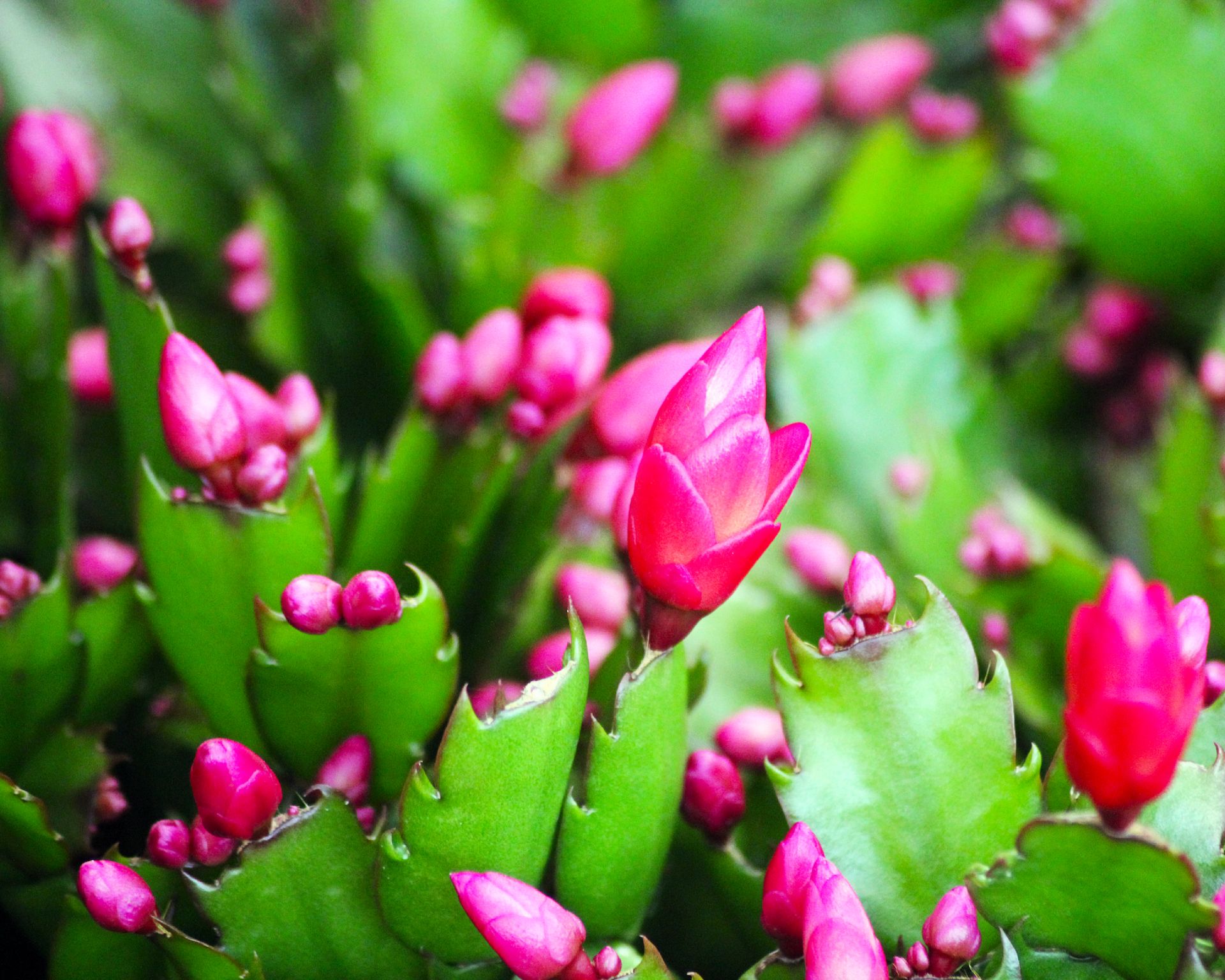
We all know that leaving a ripening banana in a fruit bowl causes the rest of the fruit to rot, fast. That’s down to the ethylene it emits, a natural hormone that plants release when nearing the end of their life cycle. So, by trapping ethylene around your Christmas cactus for a short time, you can trick the plant into thinking it’s under extreme threat, which triggers it to develop flowers as a last-ditch survival effort to preserve its genetics via seed production. Clever, huh?
How to Trick a Stubborn Christmas Cactus Into Growing Buds
1. Choose a Very Ripe Banana
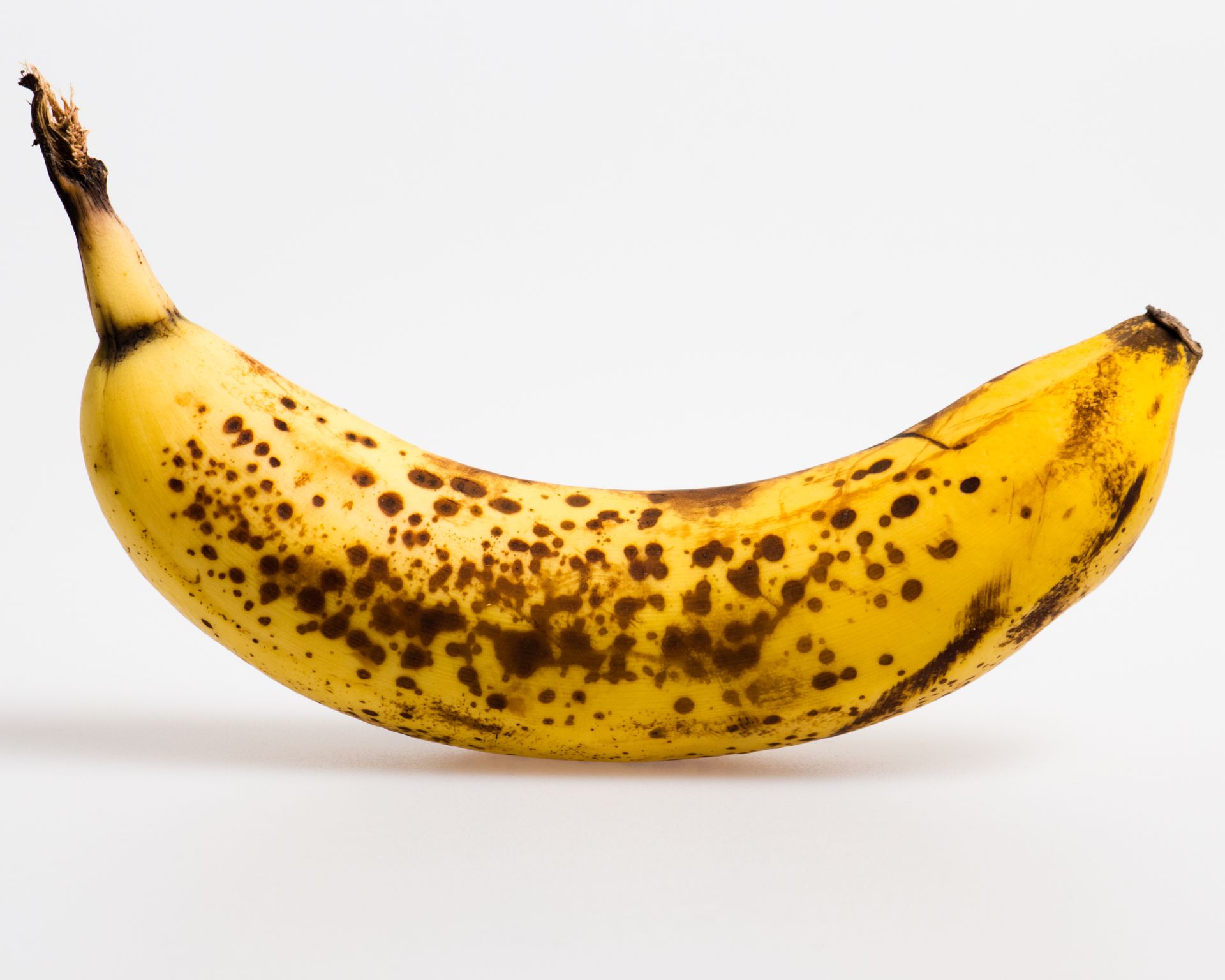
Highly ripe bananas that have brown spots or are turning brown emit the highest levels of ethylene. You only need to use the peel: though the whole fruit produces ethylene gas, the soft, sweet flesh of a banana is a magnet for fruit flies and fungus gnats and adds too much moisture to the little greenhouse you’re about to create.
2. Leave the Peel To Sit For an Hour
Excess moisture will quickly evaporate from the inner surface of the peel, further reducing humidity and any risk of pests or disease.
3. Put the Pot and Peel on a Plate
Now stand your Christmas cactus, still in its container, on a plate or big plant saucer and lay the banana peel alongside the pot base. It’s important that the peel doesn’t touch the leaf segments or soil as this risks transferring mold or fungal spores.
4. Fit a Clear Bag Over the Lot
Pull a clear plastic bag down over the plant, plate and banana peel, and tuck or tie under the plate to seal. If the bag is flimsy and falls onto the stems, use chopsticks or skewers poked into the soil to create a frame so there’s no direction contact between plant and plastic.
It’s important the bag is clear as an opaque bag is likely to take the stress a step too far and your plant may drop leaf segments instead of developing buds. It also means you can keep a close eye on your plant through the process. A clear unscented trash bag like this from Amazon is ideal as it’s plenty big enough to make fashioning your mini-greenhouse easy.
5. Stand in Bright but Indirect Light
Now your Christmas cactus is in its little greenhouse, it’ll quickly overheat if it’s hit by the sun’s rays so find it a spot in a bright room but out of direct sunlight.
6. Let the Ethylene Circulate for 48 Hours
The optimum amount of time to leave your Schlumbergera in its ethylene tank is exactly 2 days and 2 nights. This gives the gas plenty of time to chemically shock the plant and trigger bud development, without damaging the plant or giving mold a chance to develop in the restricted air circulation.
While professional growers use incredibly precise parts-per-million doses of synthetic chemicals, you can’t tell exactly how much ethylene your chosen banana is emitting. So, keep an eye on your Christmas cactus and if at any point the plant looks like it’s struggling or there’s the slightest sign of mold, remove the bag straight away. Don’t be tempted to leave the bag on any longer than 48 hours as too much ethylene can harm bud development.
7. Remove the Bag and Wait for Buds
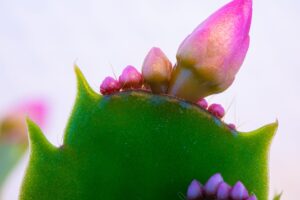
Carefully take off the plastic bag, discard the peel and place your plant in the spot where you want it to flower, being sure to avoid these Christmas cactus disaster zones. After a week or so, you should see pinhead-sized bumps starting to form on the leaf segment tips and by two weeks, they should be clearly visible.
Inspect Your Christmas Cactus Closely Before Trying This Trick
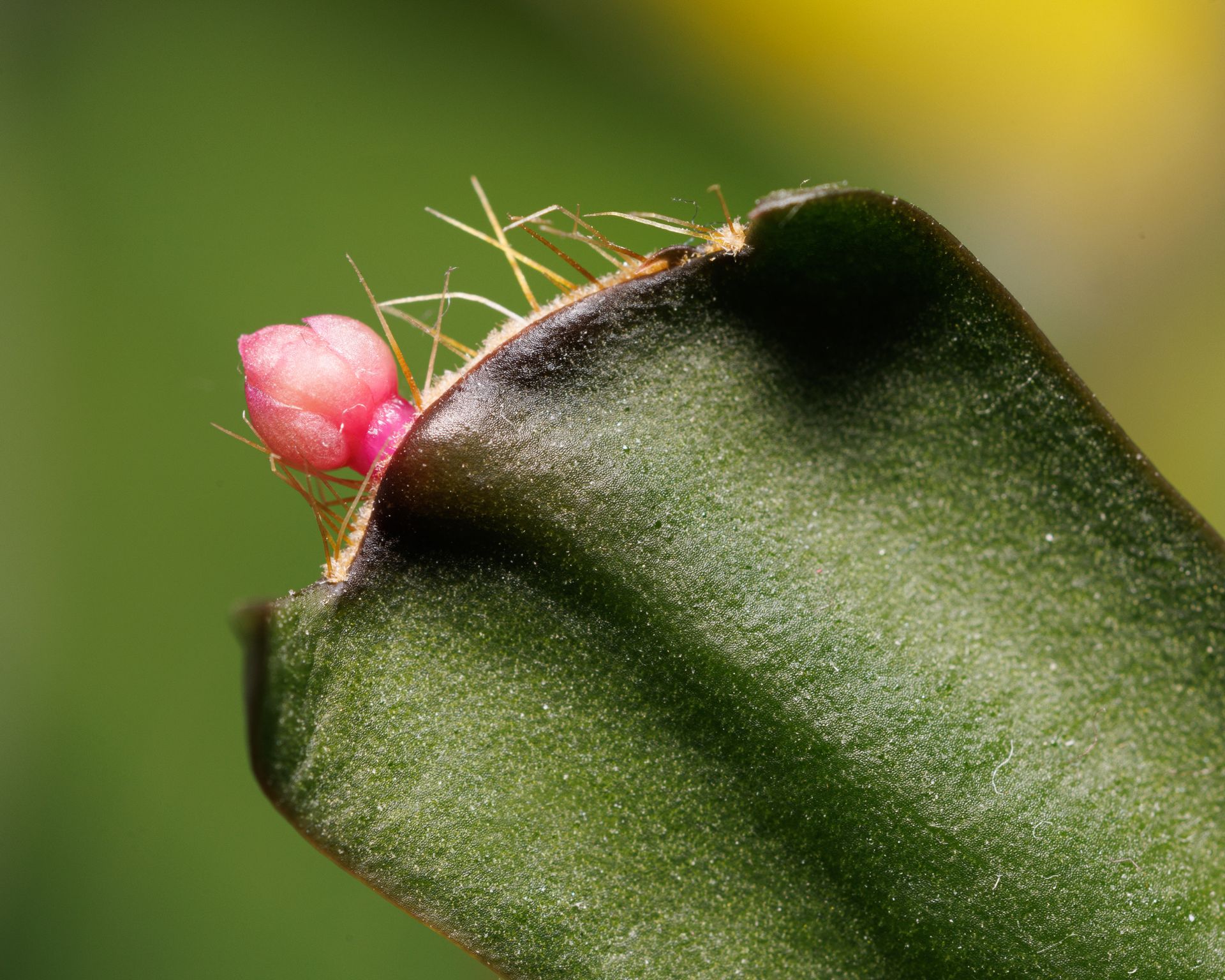
It’s vital you check your plant hasn’t already begun developing buds before trying this trick. Inspect leaf tips under a bright light – or use a cheap magnifying glass with LED light like this from Amazon – to look for any bumps beginning to form right on the tips of the leaf segments. These may be tiny so gently feel for them with a fingertip, too. If your Schlumbergera has pink or red flowers these little bumps will be bright but if your plant blooms white they may be green and harder to spot.
If you’re in any doubt, wait a week and see if those bumps get any bigger. While using ethylene from ripe banana peel is a very effective way to get a Christmas cactus to flower, this hormone shock can also cause existing buds to stall if the process has already begun.
Still No Buds on Christmas Cactus?

If this pro growers’ trick doesn’t work, there’s likely an underlying reason why your Christmas cactus isn’t flowering, that’s overriding the plant’s system.
- The plant’s internal clock is being disrupted. Christmas cacti have very specific light requirements, needing solid blocks of at least 10 hours of darkness a night to trigger the bud-setting process, and this is easily disrupted by artificial light. Every time you turn on a lamp or the television after dark, the plant resets its internal clock.
- Your home is too warm. In temperatures above 70°F, a Schlumbergera thinks it’s still summer and focuses its energy on growing leaf segments. Even if a plant is getting the darkness it needs to develop buds, consistent heat will override that trigger.
- You repotted your Christmas cactus this year. These plants evolved to grow not in soil but in tiny gaps between tree branches, their roots searching for crannies filled with rotting leaves to feed on. If you recently moved your plant into a bigger pot, it will prioritize growing roots to fill that space over flowering.
- You fertilized too late. A Christmas cactus that was fed standard houseplant food in late summer or fall will be too busy using all that energy to grow new leaf segments to even think about flowering.
Little Extras to Help a Christmas Cactus Flower Well
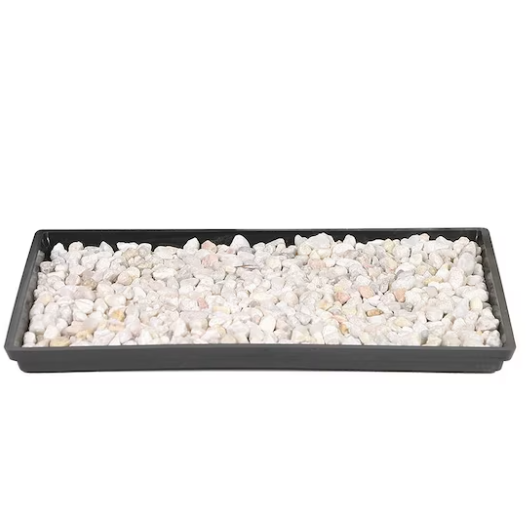 Increase Humidity
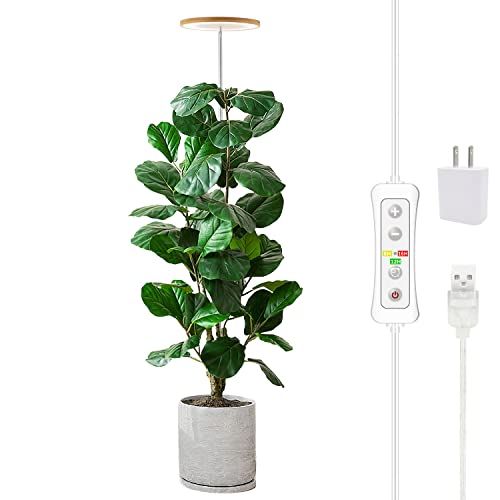 Provide Light
 Monitor Temperature
The banana bag trick is well worth trying if your Christmas cactus doesn’t have buds yet, and you still just have enough time to trigger your plant into producing flowers for the holidays. Next year, be sure to use the black-out hack that tricks your Christmas cactus into flowering right on time, and you won’t have to worry!