I like to schedule two haircuts a year: the first in spring and the second in fall. Cutting plants back can rejuvenate and stimulate growth. That works in spring but, as a matter of pruning basics, autumn is not a good time to do extensive pruning.
New growth from hard fall pruning won’t have much time to get established before frosts set in. Damaged plants will struggle next year, too.
However, there are some plants that profit from light trims in autumn. These are the ones I head to, pruners in hand, in September.
6 Plants to Prune in September
I’m ready, willing, and eager to prune plants in my garden over Labor Day weekend. Which ones should be on my list?
1. Blackberries
|
Botanical name |
Rubus spp. |
|
Hardiness |
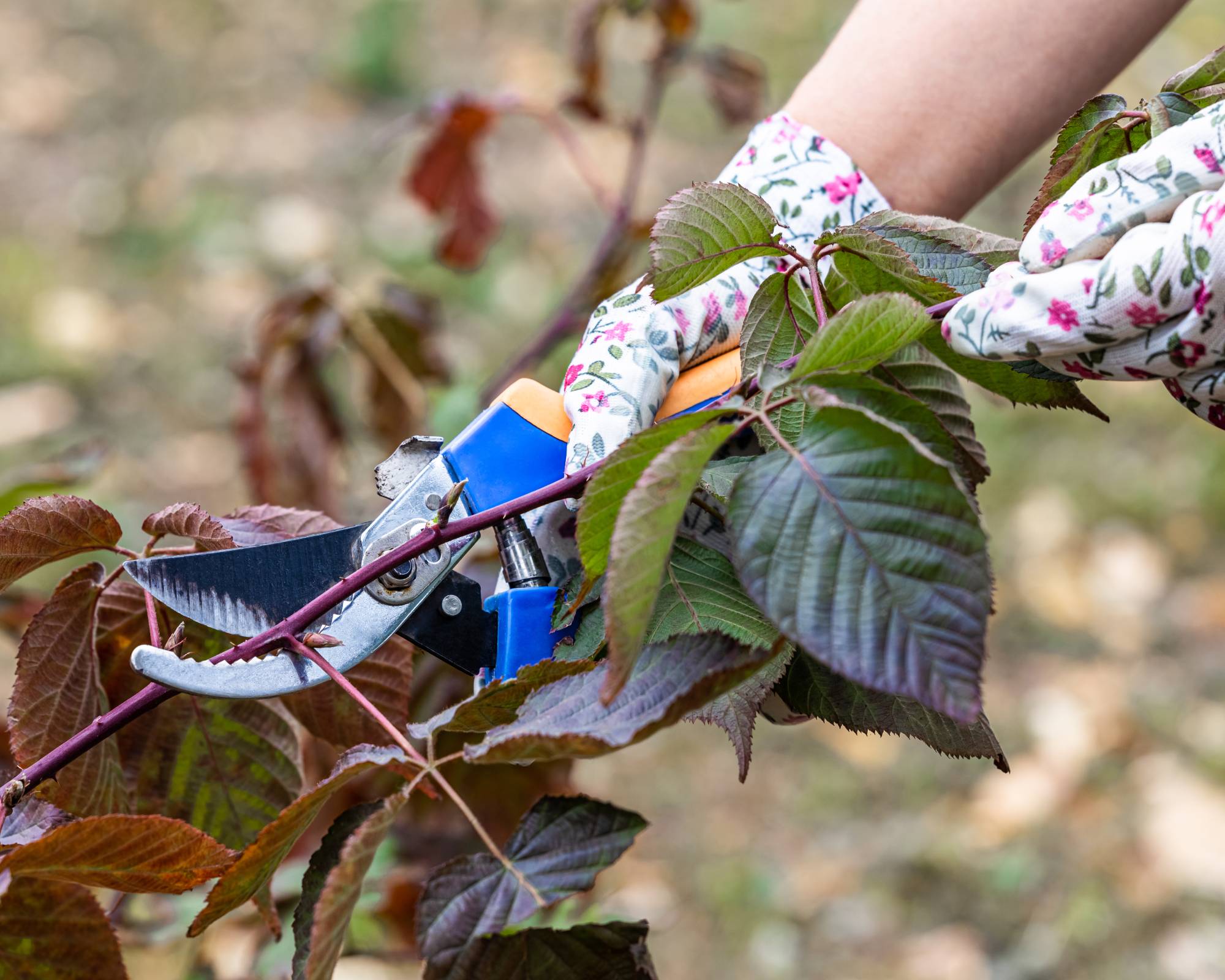
Blackberry canes are the woody stems of blackberry plants. The root system and crown of the plant live for many years, while individual canes grow for two seasons. They are called primocanes in year one, then bear fruit as floricanes in year two. Then they die.
Prune blackberries and other bush fruit in September. (This category includes almost every similar plant in the berry patch, including summer-fruiting raspberries, black currents, gooseberries and red currents.) Use sharp pruners to take out the fruited stems. You can easily sharpen your pruners with a Corona carbide sharpening tool from Home Depot. And always be sure to sterilize them with rubbing alcohol before and after use to reduce the spread of disease between plants.
Essentially, you want to cut down these floricanes (second-year fruiting canes) at ground level in September. Take care not to leave stubs. Don’t trim or cut the green canes (primocanes).
2. Peonies
|
Botanical name |
Paeonia officinalis |
|
Hardiness |
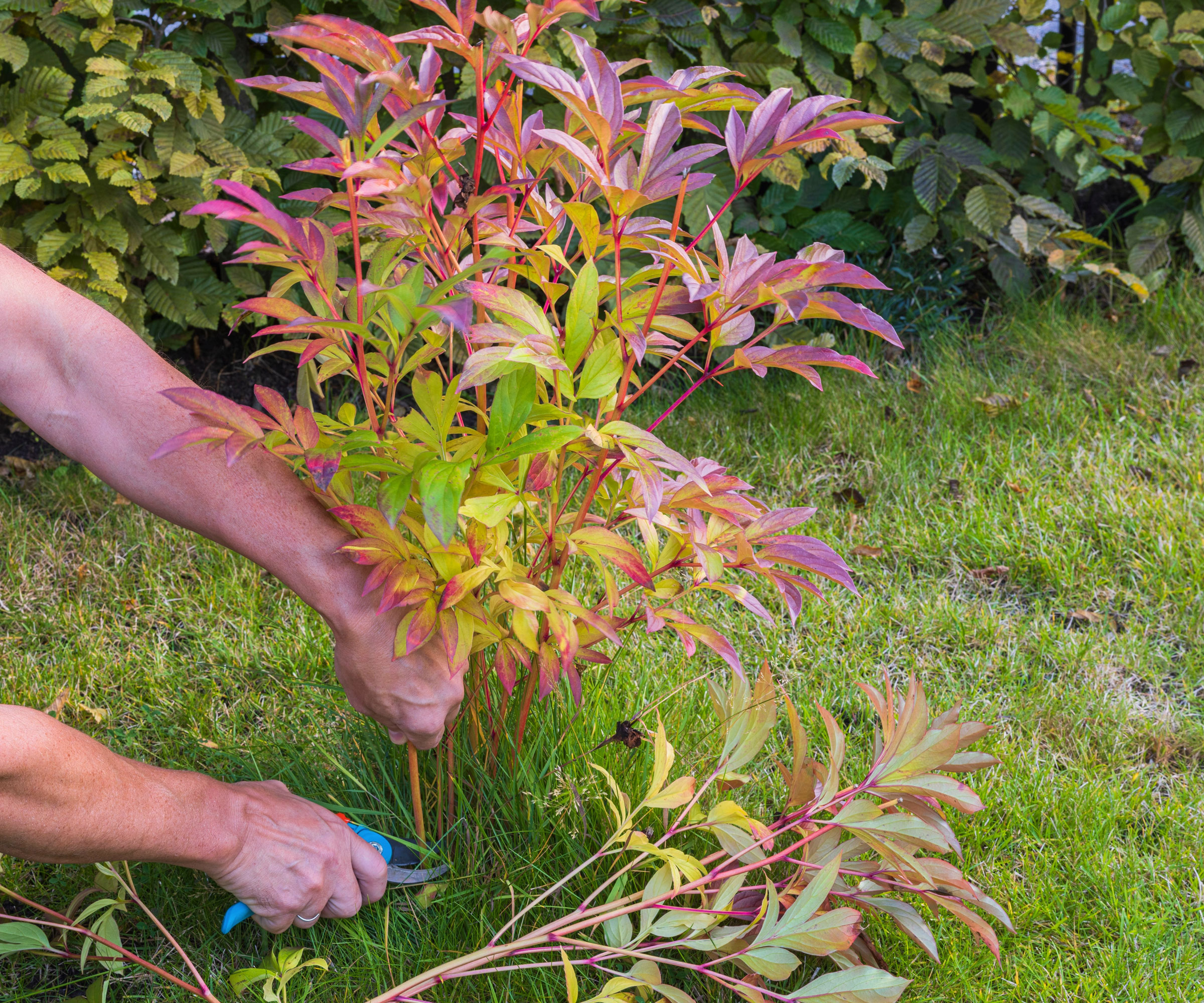
Is your September garden overcrowded with tall and messy perennials? Now’s the time to clean up the perennial bed, starting with peonies. Peonies are long-lived perennial plants with large, lush, gorgeous flowers.
In September, remove all the dead plant material and debris, including dead flower stems and basal foliage. The dead stems are often hollow, so trim them back low at an angle to prevent them from filling up with water and rotting. If new growth has already formed at the base of the clump, make the pruning cut just above it.
3. Rosemary
|
Botanical name |
Salvia rosmarinus |
|
Hardiness |
USDA hardiness zones 8-10 |
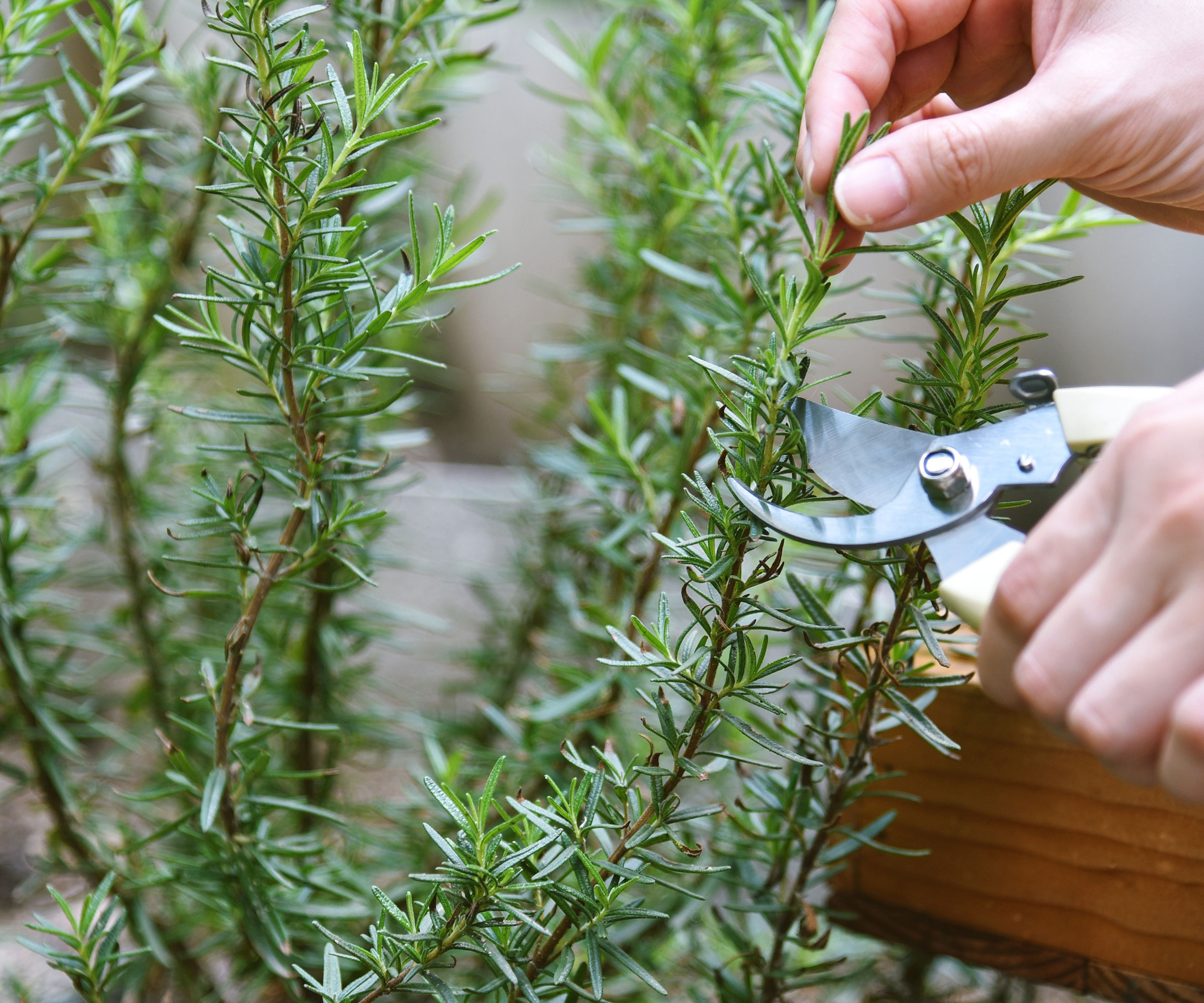
Don’t worry about annual herbs like basil or cilantro. They are dead by September or will die back soon. If they are wilted already, you can just add them to the compost. But September is a good time to take the snippers to rosemary in the perennial herb garden. These evergreen plants have aromatic needles and indigo blue summer flowers.
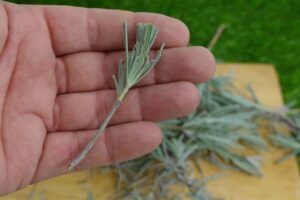
Rosemary and other herbs that grow in the Mediterranean region in Europe will die if they are pruned in winter. These shrubs – including rosemary, lavender, oregano and thyme – should all get trimmed in September.
But don’t head over to the perennial herb garden with the idea of chopping rosemary, or any of these herbs, to the soil. The idea is a light pruning to tidy them up, snip off browning spent stems, deadhead their withered tips and reshape them.
4. Yew Trees and Hedges
|
Botanical name |
Taxus spp. |
|
Hardiness |
USDA hardiness zones 2-10 |
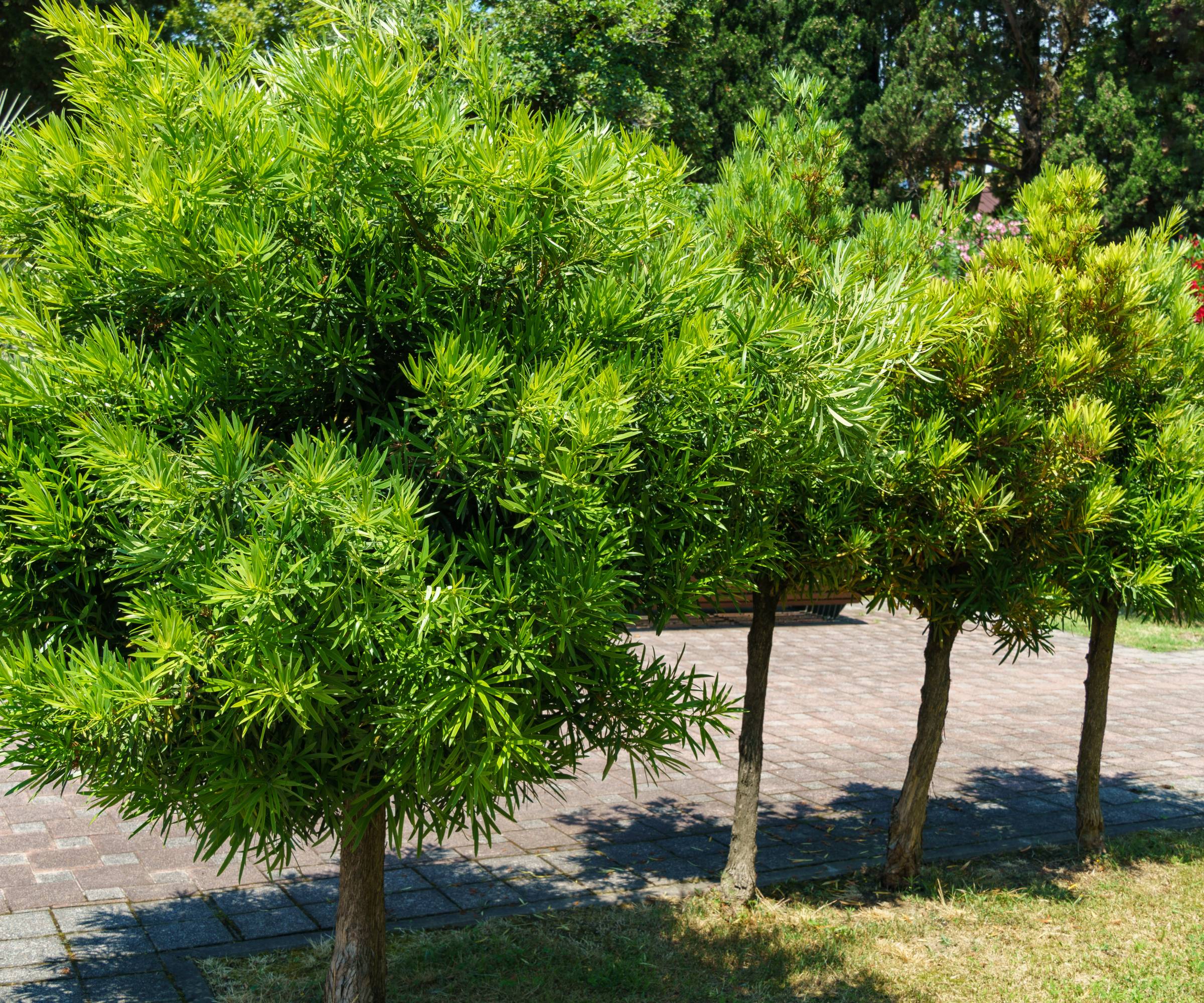
In landscaping, yew is a top choice as a foundation plant in front of homes. It is also commonly used in hedging. While many hedge shrubs won’t tolerate late pruning, yew shrubs are hardy and tough enough to sail through a September clip. Lots of homeowners prefer to clip their hedges once, and only once, every year. If this is you, think September.
One of the tricky parts about clipping a yew hedge is keeping the top level. Here’s one tried and true trick: install a guide line. What does this mean? Figure out how much lower you want your hedge to be, then push stakes down into the ground at regular intervals. Tie twine to the canes at the level you want the hedge to end up, then use that twine line as a guide as you cut.
5. Shasta Daisy
|
Botanical name |
Leucanthemum x superbum |
|
Hardiness |
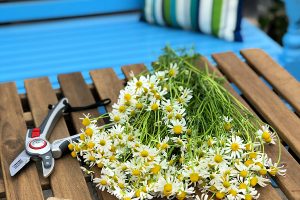
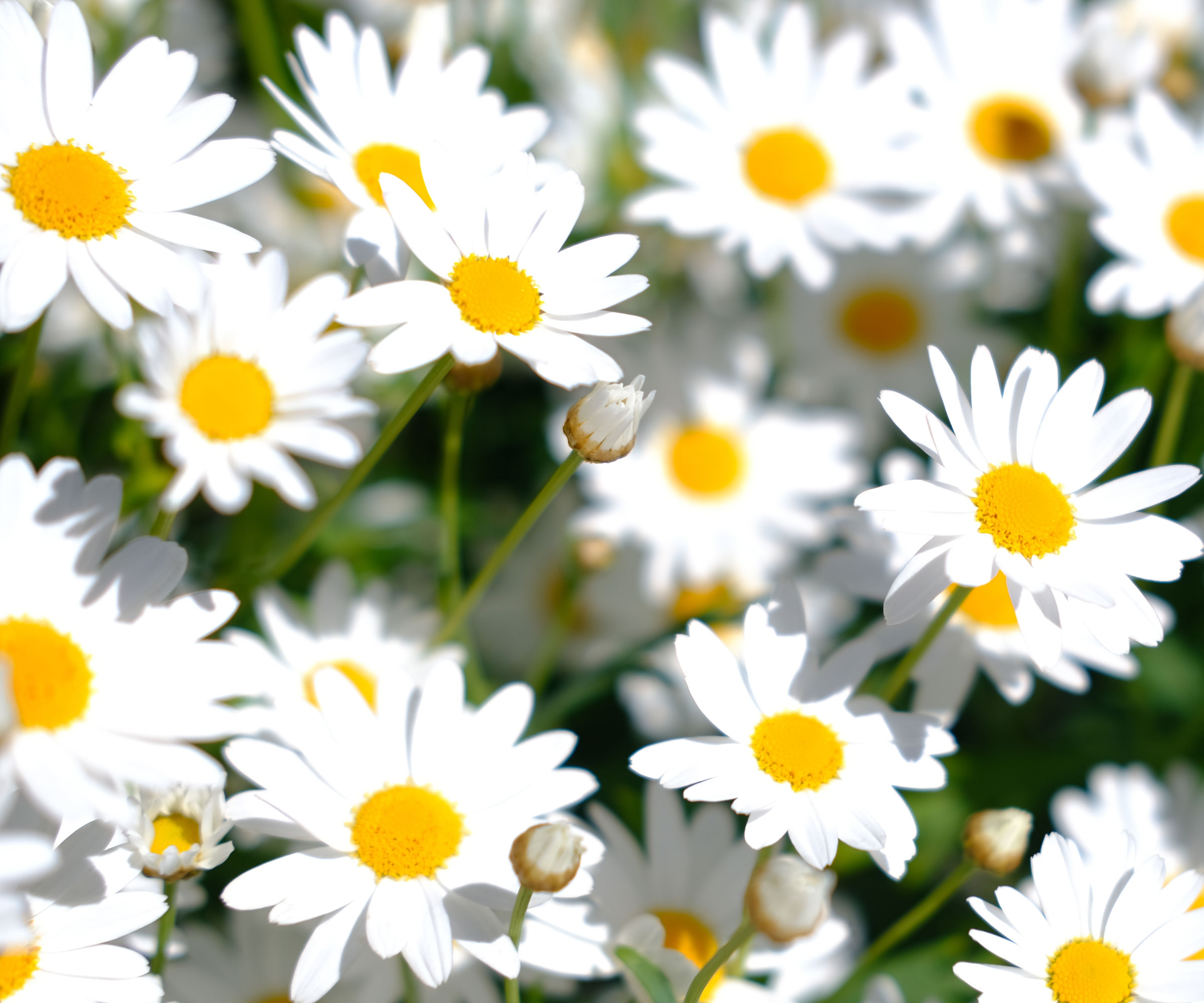
Shasta daisy plants bring joy to the garden. Their bright white petals with sunny yellow centers just make you happy. Shasta daisies don’t need frequent pruning. Don’t hesitate to deadhead, however, since you are likely to get more blooms and a flowering period that is longer.
But no matter what you do, these prolific bloomers will ultimately cease producing more of the cheerful, daisy-like flowers as the growing season comes to an end. September is usually the time.
After flowering is definitively done for the season, the plant is ready for its fall haircut. Trim back stems to just above the leaves at the base of the plant. Then remove all debris from the garden bed. This cleans up the garden and can also help this perennial return stronger the following year.
6. Garden Phlox
|
Botanical name |
Phlox paniculata |
|
Hardiness |
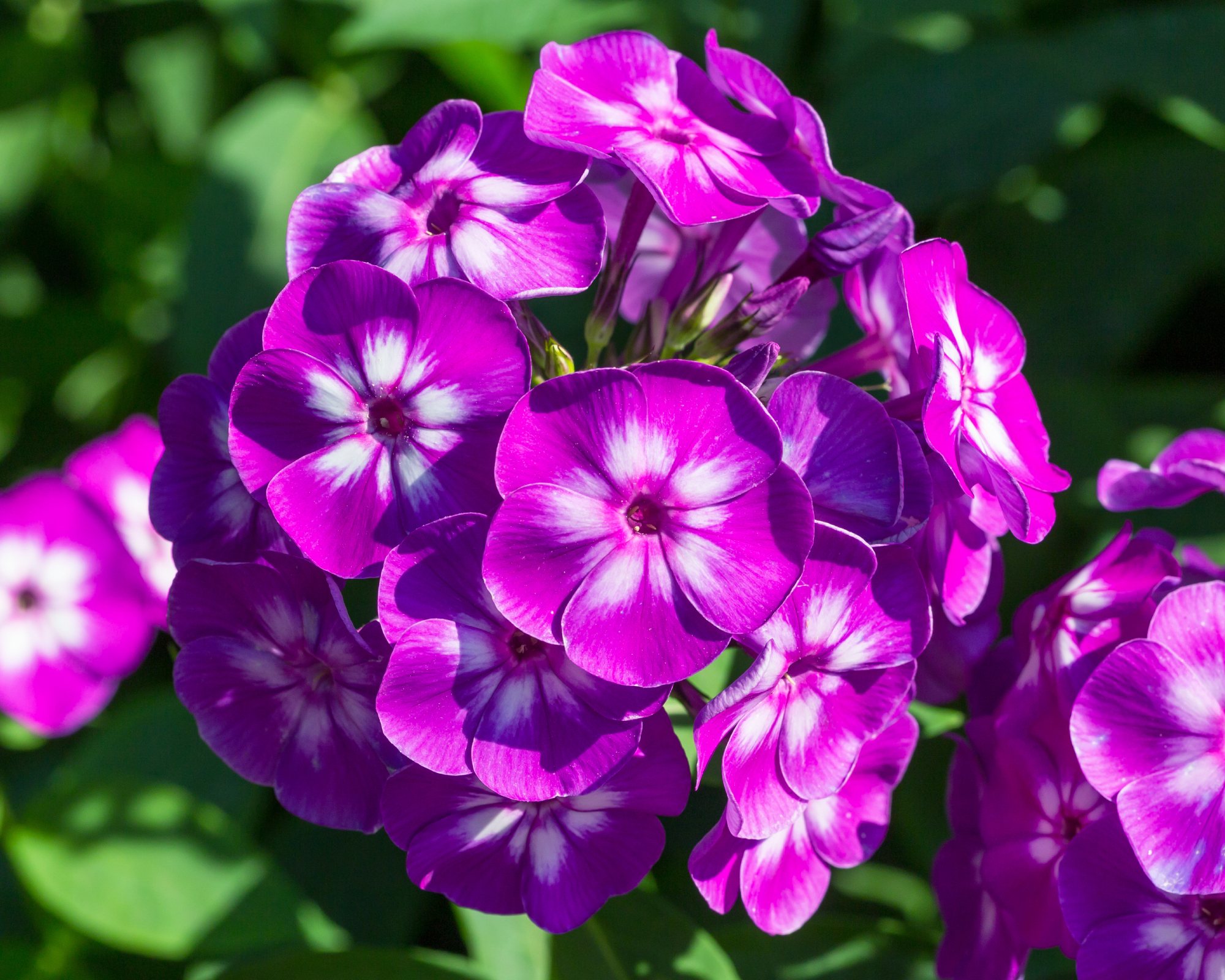
If your garden phlox plants look bedraggled toward the end of summer, or if you are dealing with phlox mildew every year, pruning can help. Pruning phlox before winter can stop powdery mildew from infecting your plant and it can increase blooms as well the following spring.
Garden phlox blooms start blooming later in the season than creeping phlox. This type of phlox reaches its peak blooming period toward early autumn. September is a good time for pruning. Cut off the top third of tall phlox stems. This will increase air circulation and make fungal diseases less likely. After the first killing frost, chop off the plant at ground level.
Do NOT Prune in September
Ready for a “definitely don’t prune” list? There are a few categories of plants that should never be trimmed back in fall.
- Do not prune spring-blooming plants in September, since they have set their flowers already and pruning would limit or eliminate spring blossoms.
- Do not cut back plants with strong winter seedheads. The birds overwintering in your garden have other plans for those seeds.
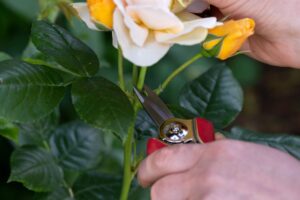
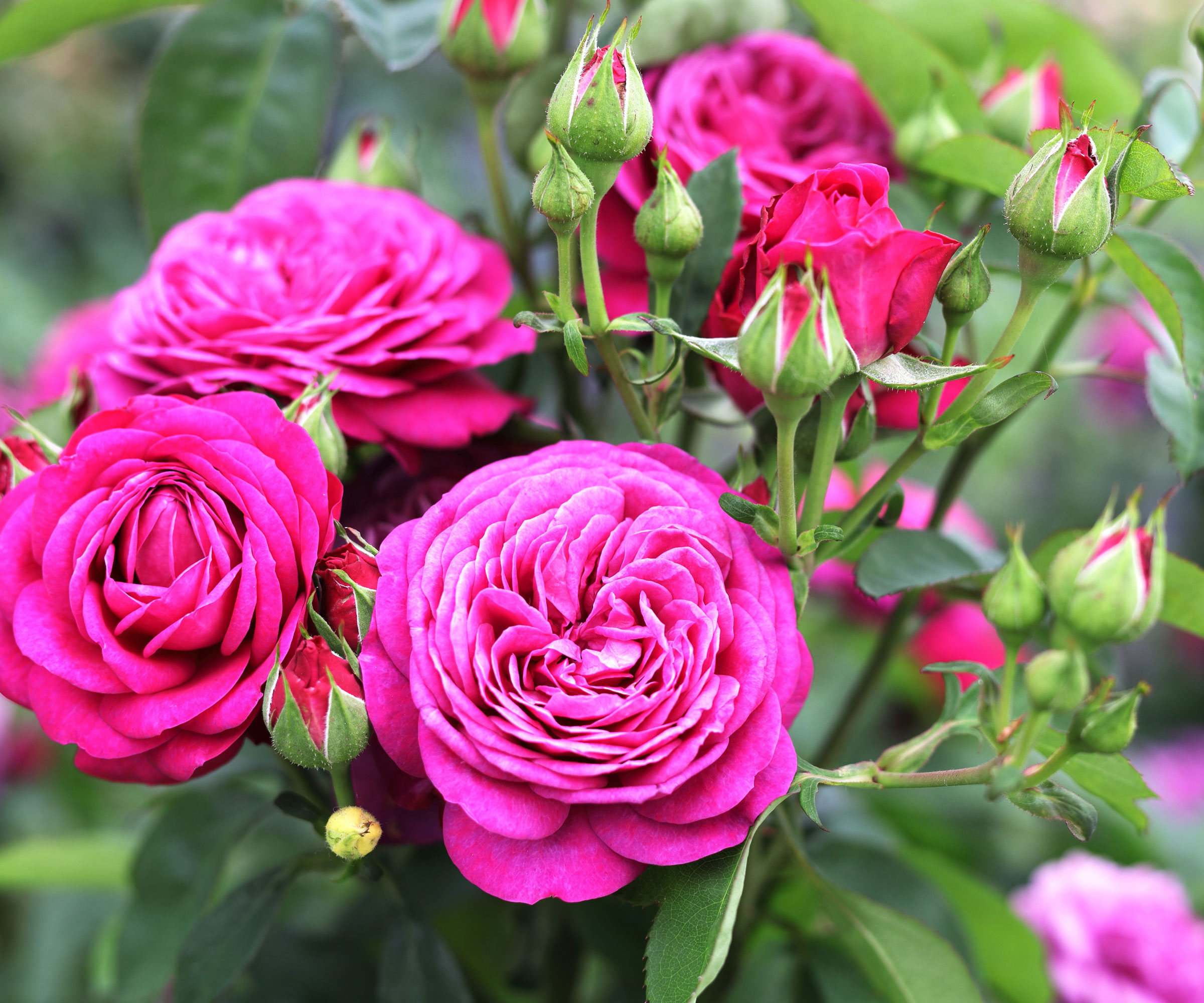
- Do not cut back that queen of the garden: roses. These are among the flowering plants most likely to produce new shoots once trimmed, new shoots that will suffer from winter cold and may endanger the entire bush.
- Do not prune fruit trees like apple trees, cherry trees or pear trees. It’s a much better idea to wait until winter and prune while these trees are dormant. Fall pruning, again, can result in new shoots vulnerable to winter weather.