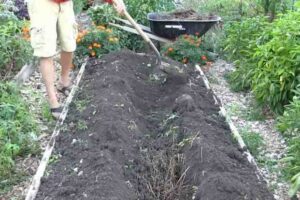
Call me sentimental, but I feel sad seeing those vegetable beds that overflowed with produce all summer lie empty in October. Gone are the bright red tomatoes, the sprawling zucchini, and the leafy greens growing in lush rows. All that remains is a little debris and bare garden soil. Likewise, beds once filled with colorful annual flowers may now look rather sorry for themselves.
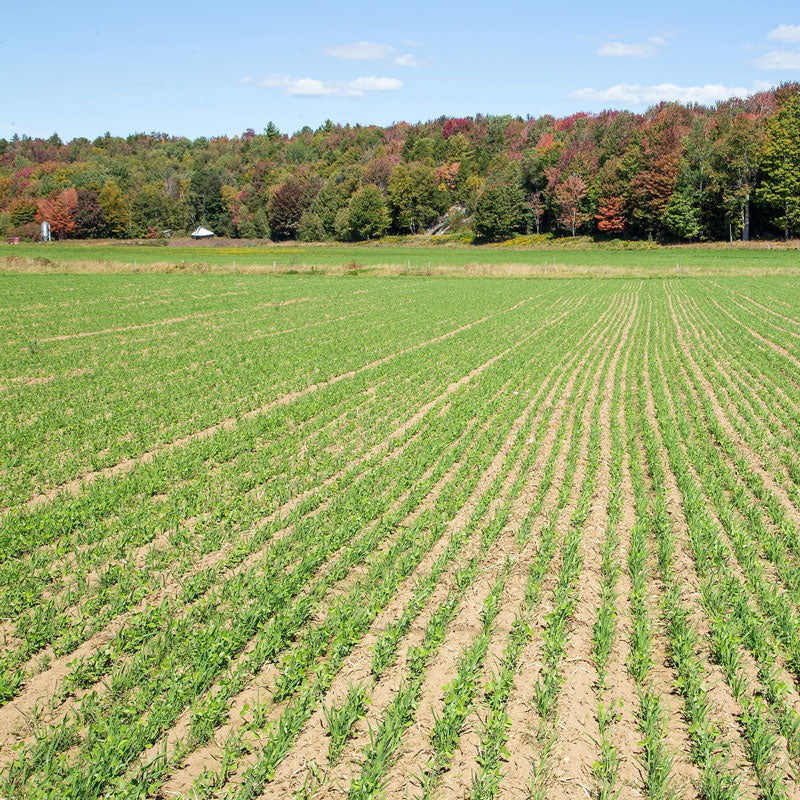
Seeing those sad, abandoned rows was what originally prompted me to try growing cover crops in the fall. But once I got into the habit, I discovered so many other benefits that I now recommend them to friends, family, neighbors – and you. In fact, cover crops offer many of the same benefits as mulch, suppressing weeds, improving soil structure, and protecting against erosion. They can also act as green manure, adding valuable organic matter and nutrients to the soil when you cut them down and incorporate them before spring planting.
Growing fall cover crops isn’t difficult, but it helps to get the information you need up front, including how to prepare the soil, which cover crops to plant, and when to plant them. That’s why I’ve pulled it all together for you in this article.
Why Bare Soil Is a Problem Over Winter
Even if you don’t feel sentimental about the deserted autumn beds, there are many reasons not to leave garden soil bare over winter. The practice can damage soil health, structure, and fertility.
Let’s think about erosion first. When plants grow in soil, their roots anchor it in place, preventing the precious top layer from blowing away. Winter’s worst can easily blow or wash away bare soil. That reduces the amount of topsoil that spring crops have to grow in.
Beyond washing away topsoil, winter rain can leach water-soluble nutrients from the soil. These vital nutrients are essential to growing a healthy spring crop. In addition, it can leave the soil crusted over, damage soil structure by removing air spaces, and generally leave it severely compacted.
Soil like this is not a good place to plant spring vegetables or flowers, but the weeds don’t object. In fact, aggressive winter weeds invade the bare ground, followed by nettles and bindweeds, as well as other early spring weeds.
Benefits of Cover Crops
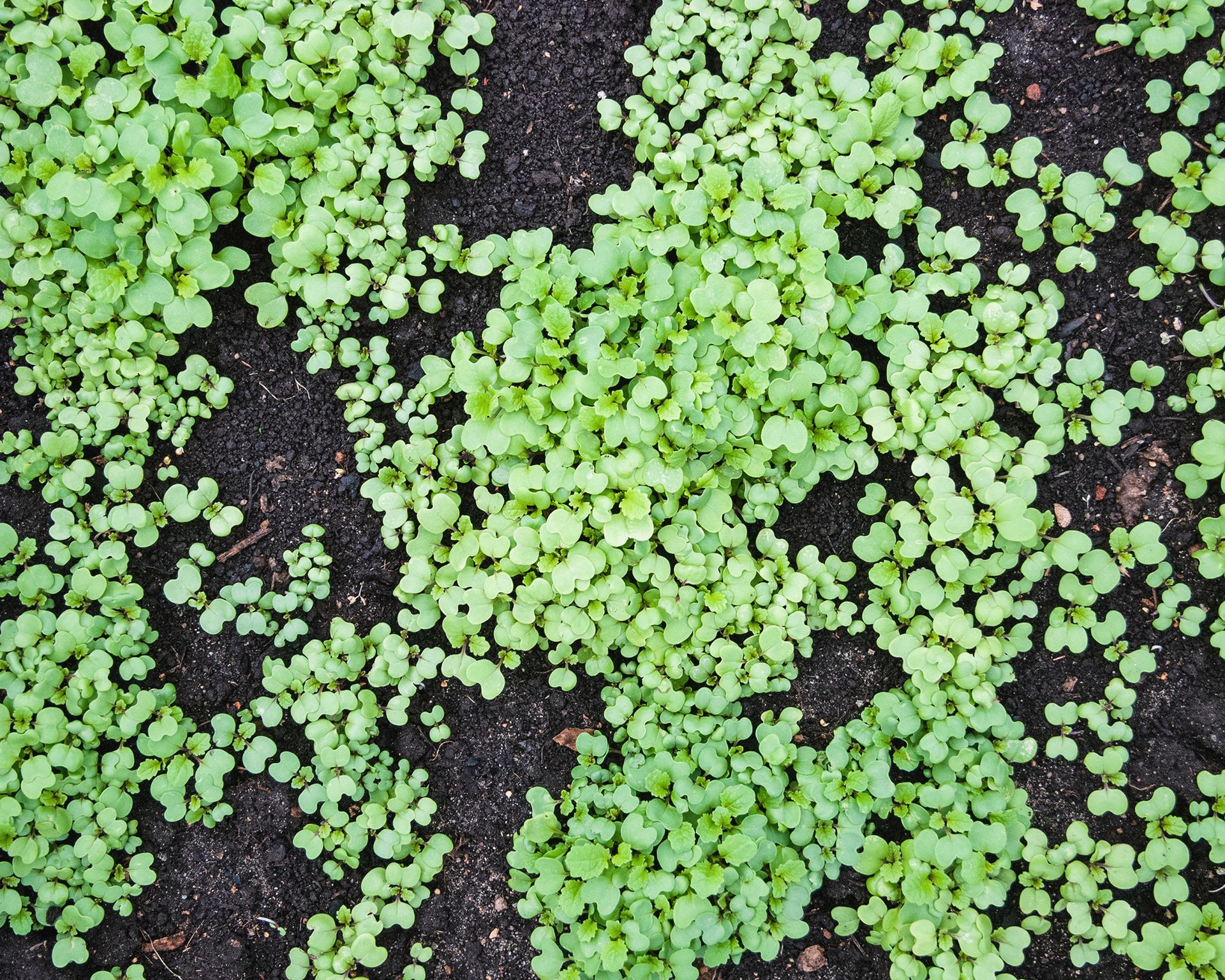
Cover crops address almost all bare-soil-over-winter issues, and they do it in spades. When you plant fall cover crops, their roots dive deep and hold the soil firmly in place. Weed roots are tougher than winter wind and heavy rain. That means that they prevent erosion. That’s important, but it’s not the whole story.
Installing fall cover crops also keeps winter weeds away, or at least dramatically reduces their number. They also stop the soil from crusting, improve the soil structure, and add additional organic matter back into the soil to get it ready for spring planting.
Be sure to wait 2–3 weeks after terminating the cover crops in spring before planting.
5 Top Fall Cover Crops
So, which cover crops should you grow? The best choice depends on your climate, soil, and what you plan to plant in spring. Some are particularly good at suppressing weeds, while others improve soil fertility or help break up compacted ground.
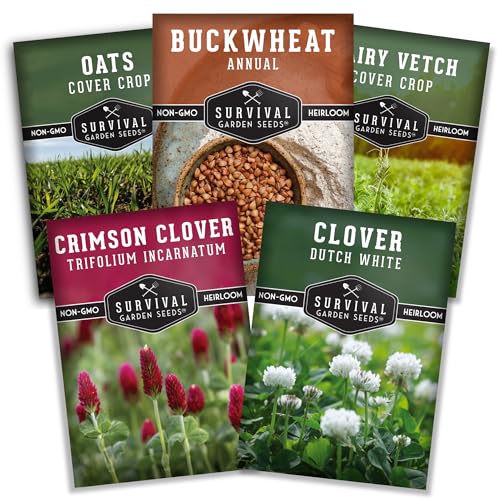
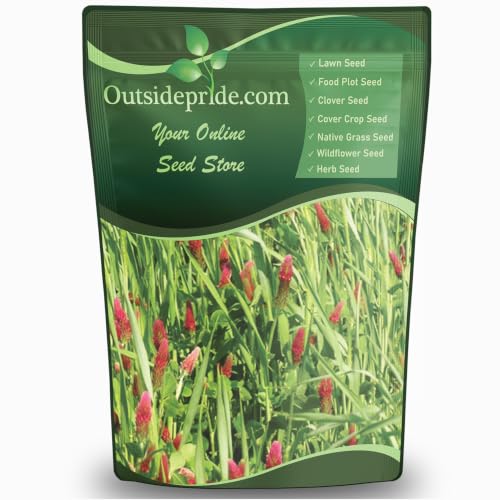
The good news is they are not expensive – you can pick up a 5-variety collection from Survival Garden Seeds on Amazon for about $10. For larger areas, consider a 10lb cover crop mixture from Outsidepride.
Here are some of the best options for protecting and improving your garden beds over winter.
1. Winter Rye
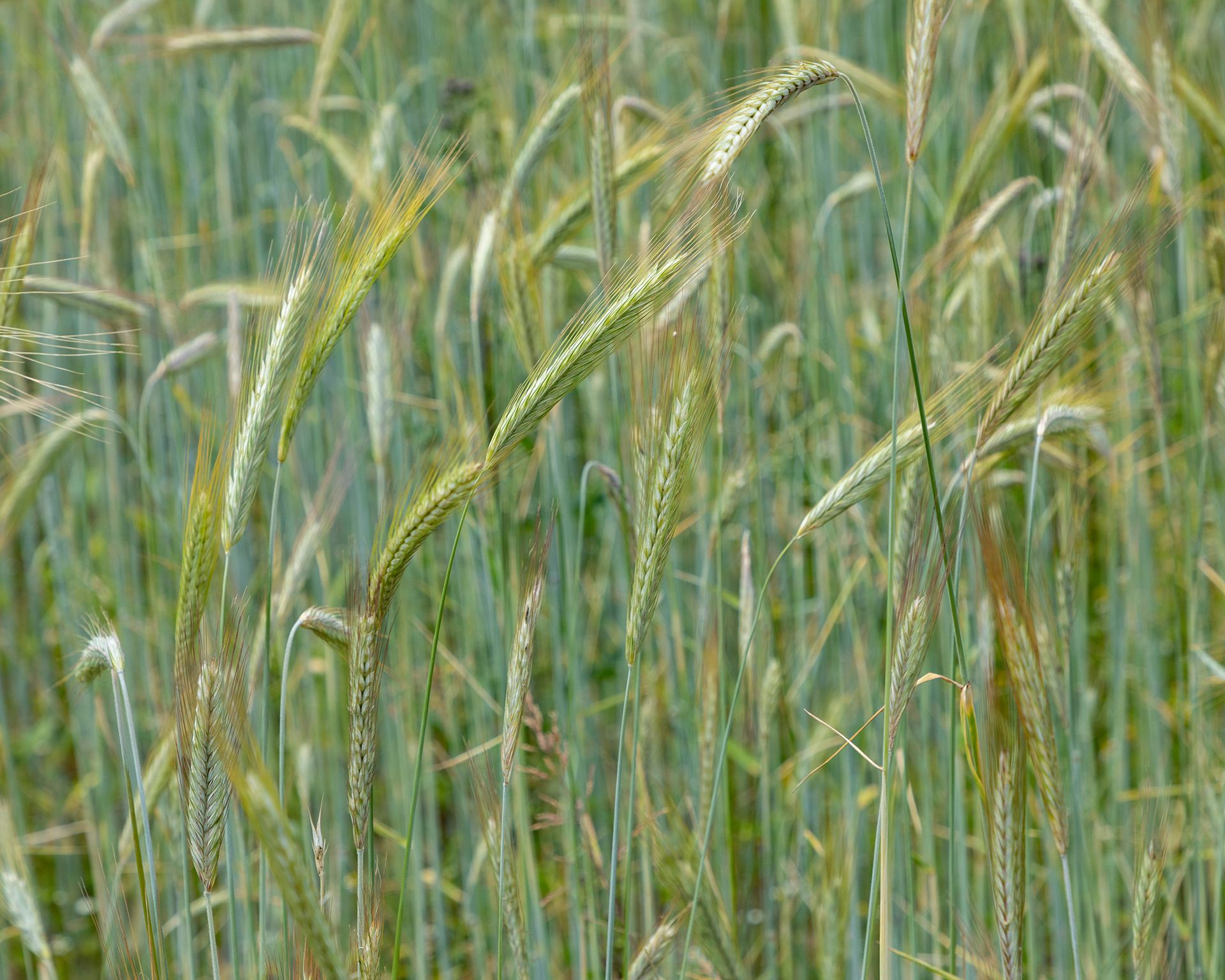
If you are just wading into the world of fall cover crops, winter rye (aka cereal rye) is one of the best places to start. This extremely cold-hardy, cool-season grass should be planted about four weeks before the first hard freeze. It is easy to grow and very reliable. You can pick up a 10lb bag of winter rye seeds from CZ Grains at Walmart.
Winter rye has deep, fibrous roots that stop erosion in its tracks. In fact, those roots can also loosen and break up heavy clay and choke out weeds. But it offers a second layer of weed protection: the plants release chemicals that block some weeds, like pigweed. In addition, those roots trap and hold residual nitrogen and minerals over winter, preventing leaching.
Chop out winter rye in early spring before it gets too woody.
2. Hairy Vetch
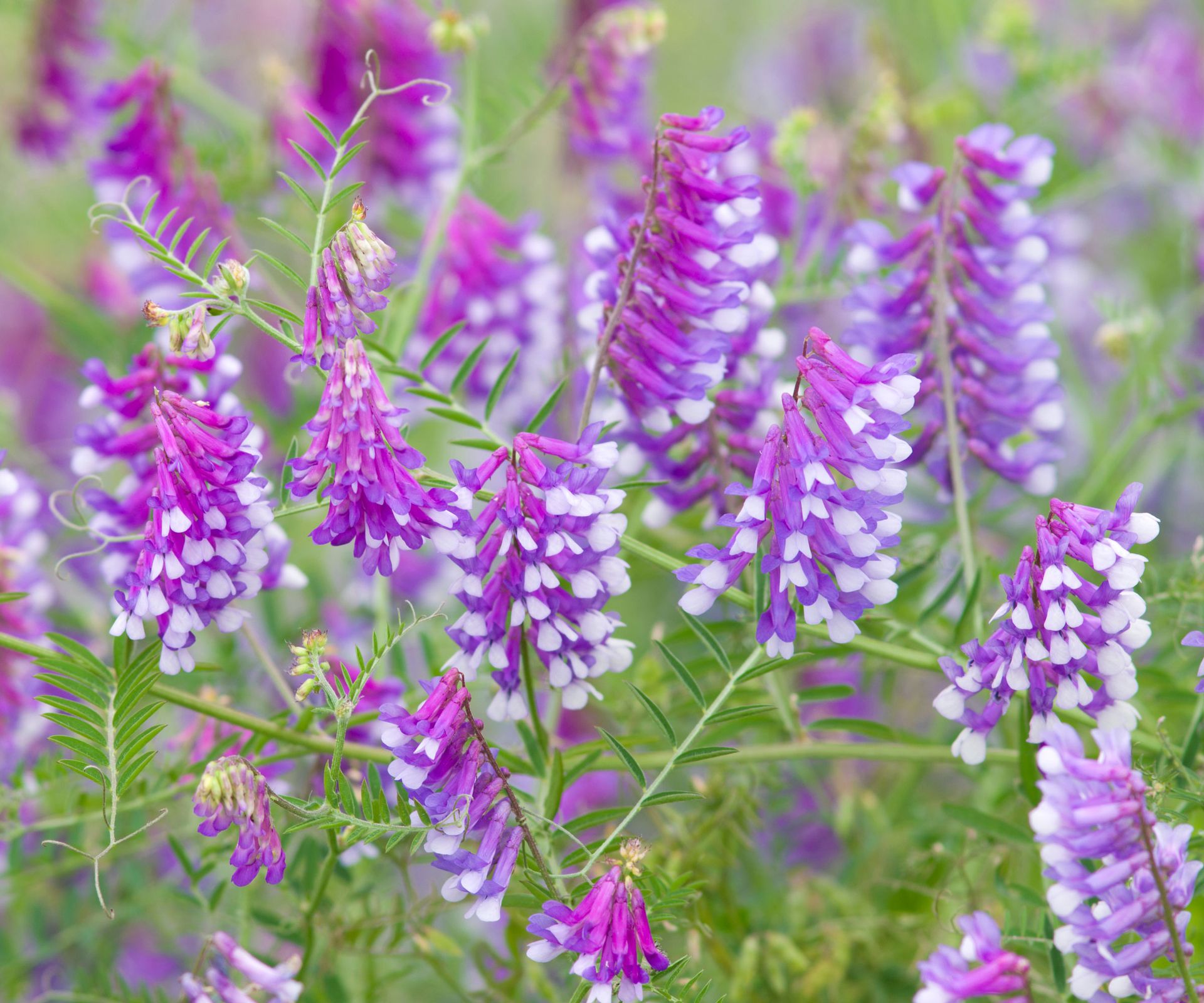
Hairy vetch is another great fall cover crop. It is a hardy winter annual legume and an especially effective cover crop because it fixes large amounts of nitrogen in the soil, up to 200 pounds per acre. That means that, come spring, you don’t need to add fertilizer.
The roots of this legume prevent erosion over the winter. It is a dense vining crop, with spring growth up to 12 feet (4 m) tall. It completely shades out any early-spring weeds.
Plant this cover crop early enough for the roots to be well established before the first hard freeze. You’ll want to take out your hairy vetch cover crop in spring while the plant is in the early bud or early flower stage.
Buy hairy vetch seeds from Sow Right Seeds on Amazon.
3. Crimson Clover
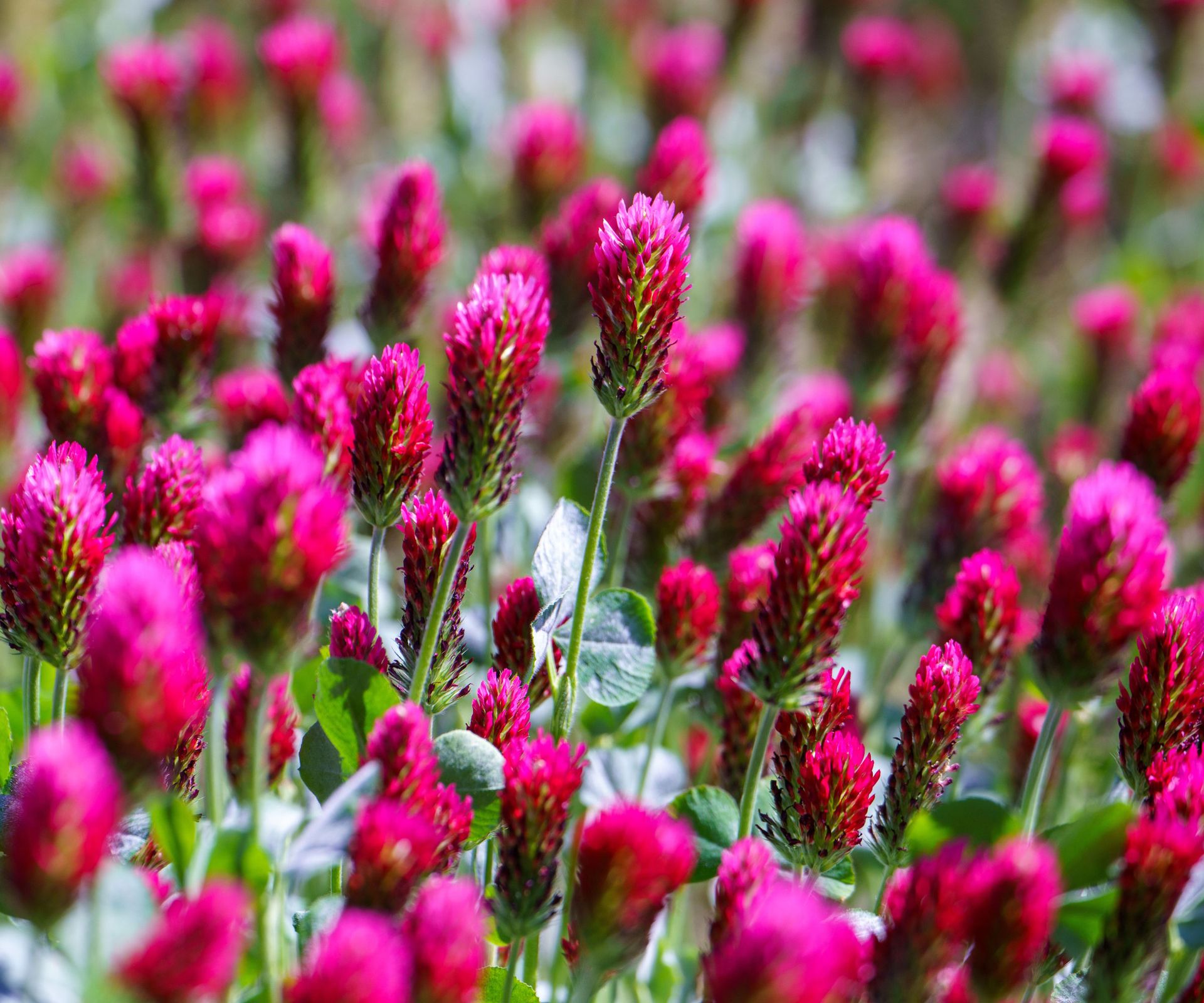
This cover crop is attractive and effective. Crimson clover is just plain pretty for a legume, with bright crimson, cone-shaped flowers that attract bees and beneficial insects in spring. It’s a good choice for those living in regions with milder winters.
Sweet Yards sells crimson clover in various pack sizes on Amazon.
Crimson clover is a cool-season annual legume that grows rapidly. It fixes nitrogen in the soil, adding up to 200 pounds per acre, which is perfect for fertilizing your spring garden. What about weeds? Crimson clover forms a dense ground cover mat that totally blocks weeds.
Plant clover seeds up to eight weeks before the first frost. It grows best in well-draining soil. This is a cover crop that is easy to terminate in spring since it dies back or breaks down easily, unlike aggressive root crops. Mow it down before it goes fully to seed. Wait a few weeks before planting your next spring crop.
4. Austrian Winter Peas
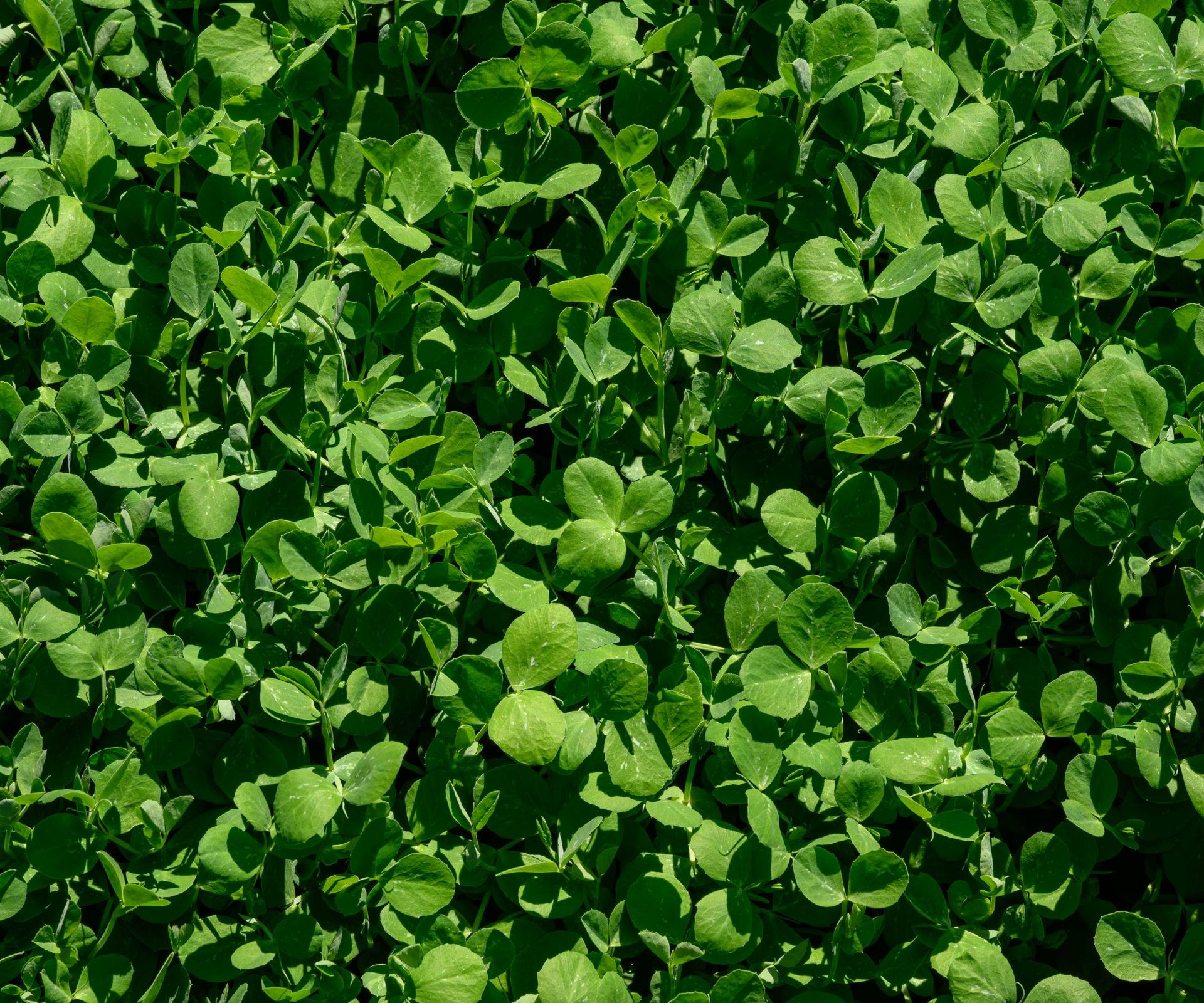
Austrian winter peas – or winter field peas – are cool-season annual legumes that are popular fall cover crops. Like other legumes, these peas fix nitrogen in the soil, producing up to 150 pounds of nitrogen per acre, to the benefit of your spring crops.
Outsidepride sells Austrian winter peas via Amazon in various pack sizes.
These plants are lush vines that carpet the soil. Just by growing, they choke out winter weeds. If you use rye or oats as companion plants for fall cover crops, they will provide upright physical support for winter pea stems.
Plant Austrian winter peas a month or two before the first hard frost in your area. It’s best to give these peas five or more weeks of growth to establish strong root systems and low, compact growth before freezing temperatures arrive. Come spring, these are easy plants to terminate. Their hollow stems can be chopped down in spring once they hit full bloom.
5. Winter Oats
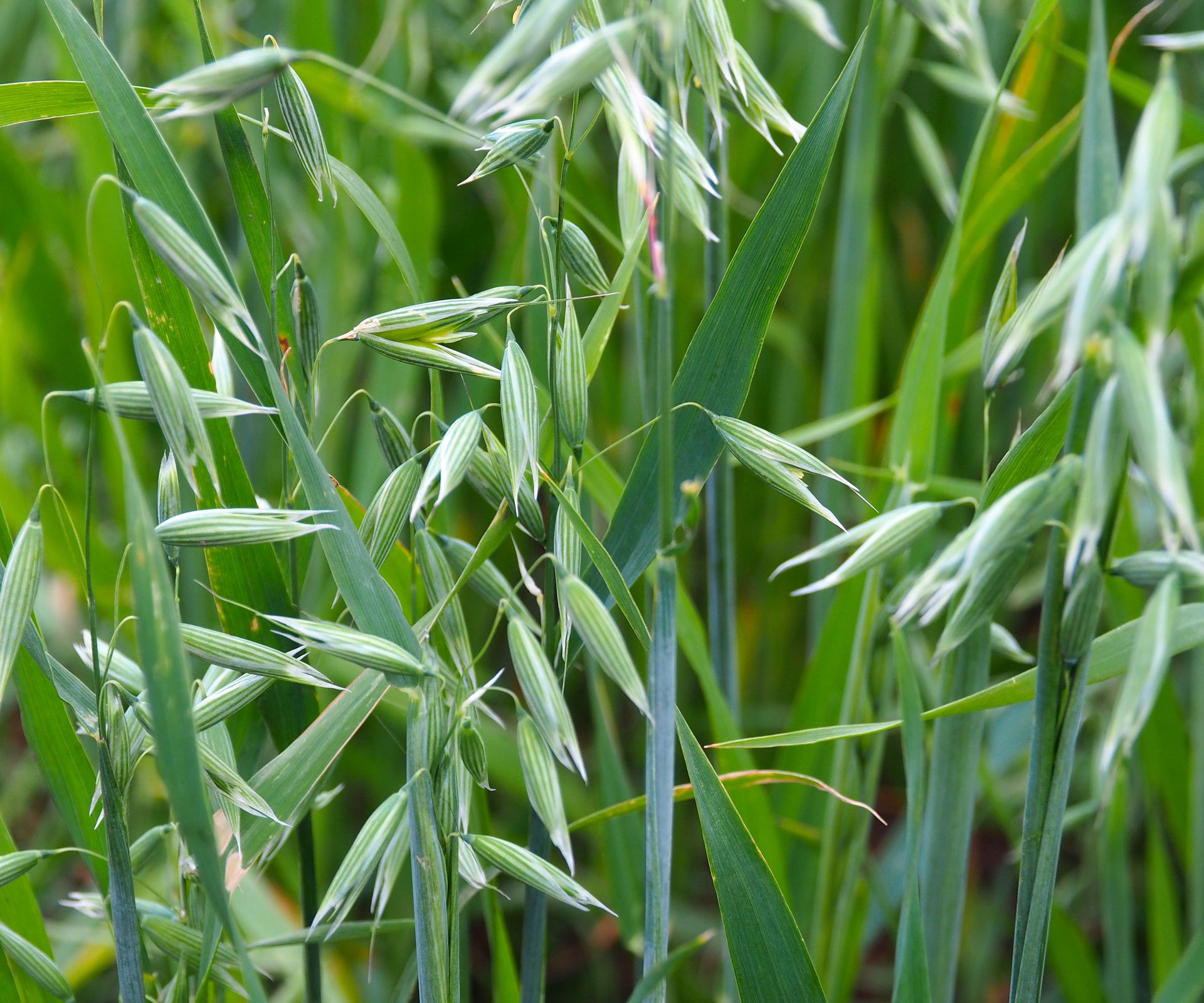
These are fast-growing cool-season annual grasses that make an exceptional cover crop. You can pick up a pack of winter oats seeds from Sow Right Seeds on Amazon. The plants’ dense, fibrous roots anchor the topsoil in place all winter long and also break up compacted earth.
Winter oats germinate quickly, helping them smother winter weeds. The plants also absorb soil nitrogen and release it back to microorganisms as they break down.
Winter oats often die back from winter frost. But this doesn’t stop their cover-crop value. The dead grass forms a natural, easy-to-manage mulch blanket.
Shop Cover Crop Seeds