Closed windows and the season’s first furnace run can quickly change the air inside your home. Dust gets stirred up, humidity drops, and outdoor plants come back indoors – bringing dust, damp potting mix, and other potential allergens with them.
During summer, houseplants barely register as an allergy issue. Many plants sit on porches or patios, while open windows help keep indoor air moving. By late September, those windows are closed and the pots are back inside. For some people, that shift can turn indoor plant allergies that went unnoticed for months into a stuffy nose that won’t quit.
Good houseplant care covers the basics, but fall calls for a few extra precautions. Dusty leaves and soggy potting mix cause most flare-ups, but a handful of common species also carry allergens in their sap or pollen, which deserve a closer look this time of year.
Why Indoor Allergies Worsen in Autumn
Once the furnace runs for the first time, it can stir dust, dust-mite particles, and whatever settled in the vents over the summer into the air. Swap the filter before that first cold night. The faint burnt smell on day one is usually dust burning off the heater. Closed windows can make the problem worse because less outdoor air comes in to dilute it.
The other half of the trouble starts at the watering can. Houseplants grow more slowly indoors as the days shorten, yet many still get watered on a summer schedule. Potting mix that never dries out can develop mold on its surface. Bagged mixes may carry molds such as Aspergillus fumigatus from the start, although one study of plant-filled homes found very little of it in the air unless plants or soil were disturbed. Wet soil is a watering problem first and an allergy problem second.
5 Houseplants That Can Add to Fall Allergy Symptoms
Houseplant allergies are fairly uncommon overall, but they can still be troublesome for sensitive people. Each plant below has documented cases associated with it, and all five are common enough to find in living rooms, bedrooms, and home offices. That does not mean you need to remove them automatically – the risk depends on the plant, how it is handled, and your own sensitivity.
1. Weeping Fig
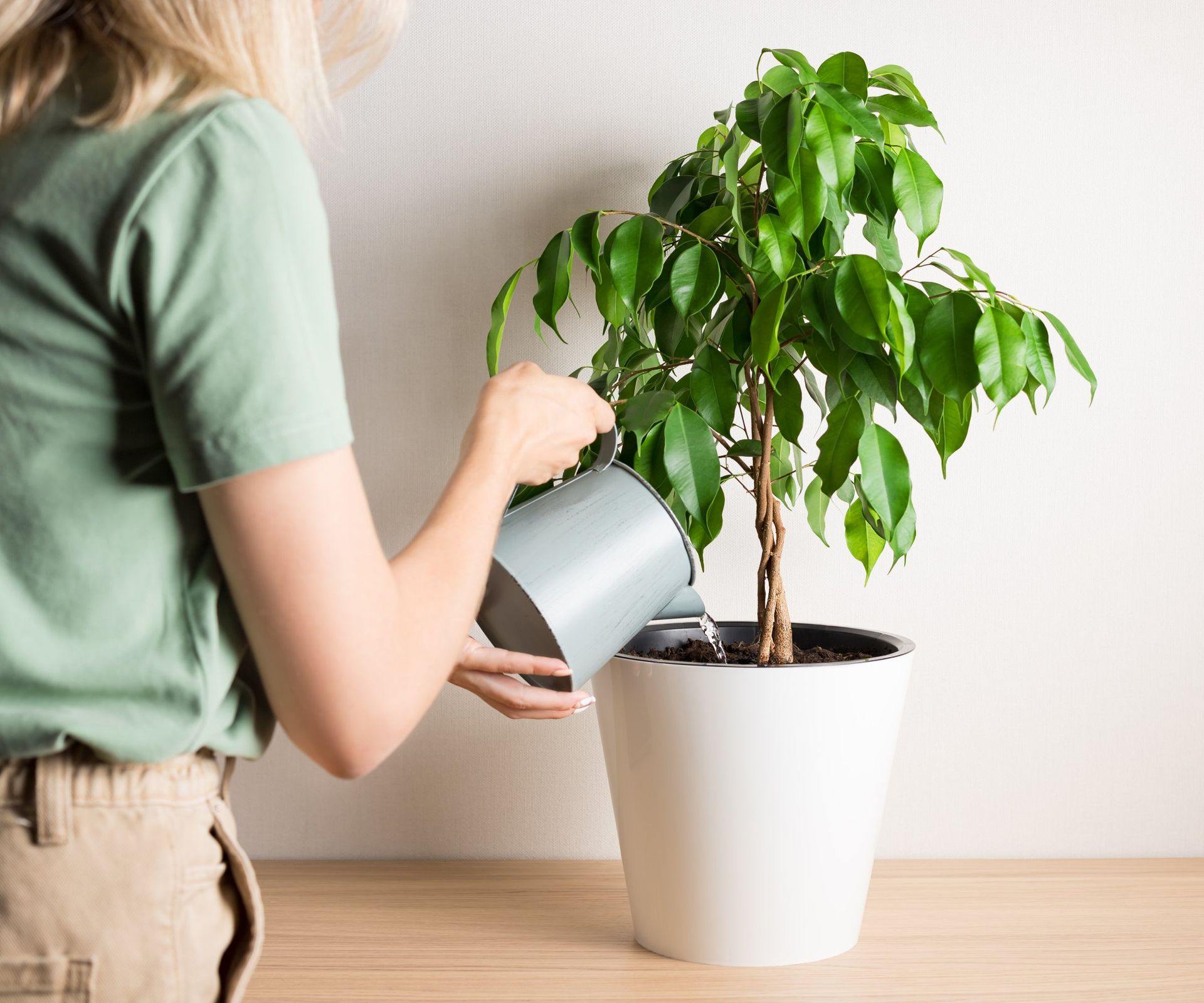
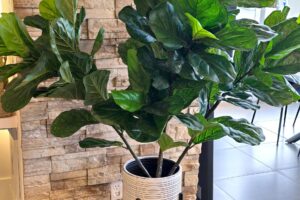
Weeping fig (Ficus benjamina) is probably the best-known allergenic houseplant, and the trouble starts with its milky sap. The allergens don’t always stay put, either. They can turn up in the dust on the leaves and on the floor around the pot, so a plant that nobody has touched recently can still be a source of exposure.
Some of its proteins can cross-react with natural rubber latex, so anyone with a latex allergy should wear latex-free gloves when pruning it. Amazon sells Supmedic disposable latex-free gloves in a range of sizes.
2. Yucca
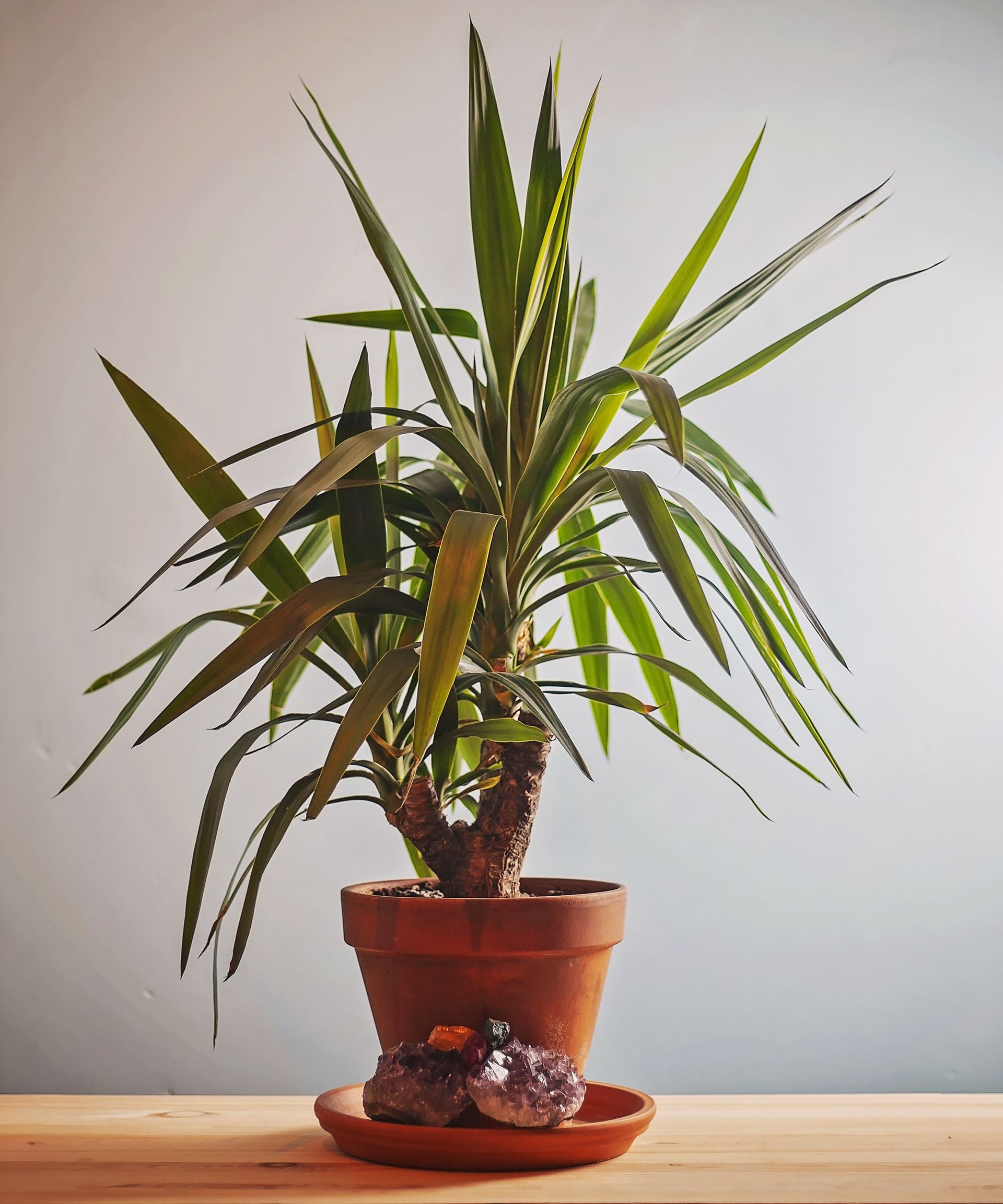
Yucca (Yucca gigantea) is grown for its foliage, so people rarely suspect it. But skin-prick testing has still turned up yucca sensitization in people with allergic rhinitis, and plant keepers who handle it for work have broken out in hives. Its long, stiff leaves hold dust along their whole length. Wiping each one down with a damp cloth now and then keeps it from piling up.
3. Peace Lily
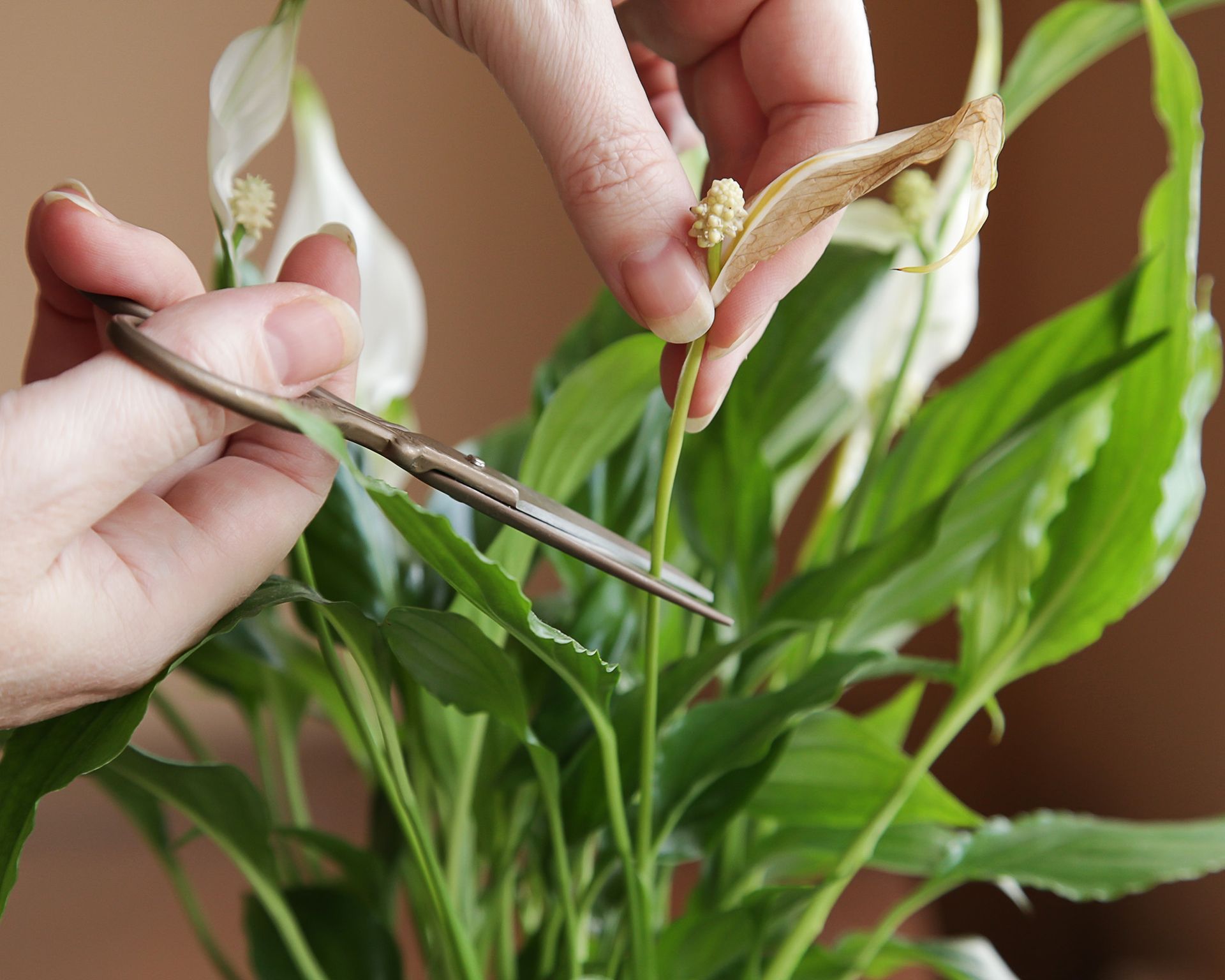
Peace lilies (Spathiphyllum wallisii) can rebloom indoors, and the pale, powdery spike inside each white hood is where the pollen comes from. Documented allergy cases have involved both that pollen and the leaves. The simple move is to snip spent blooms early and keep flowering pots out of the bedroom.
4. Potted Mums
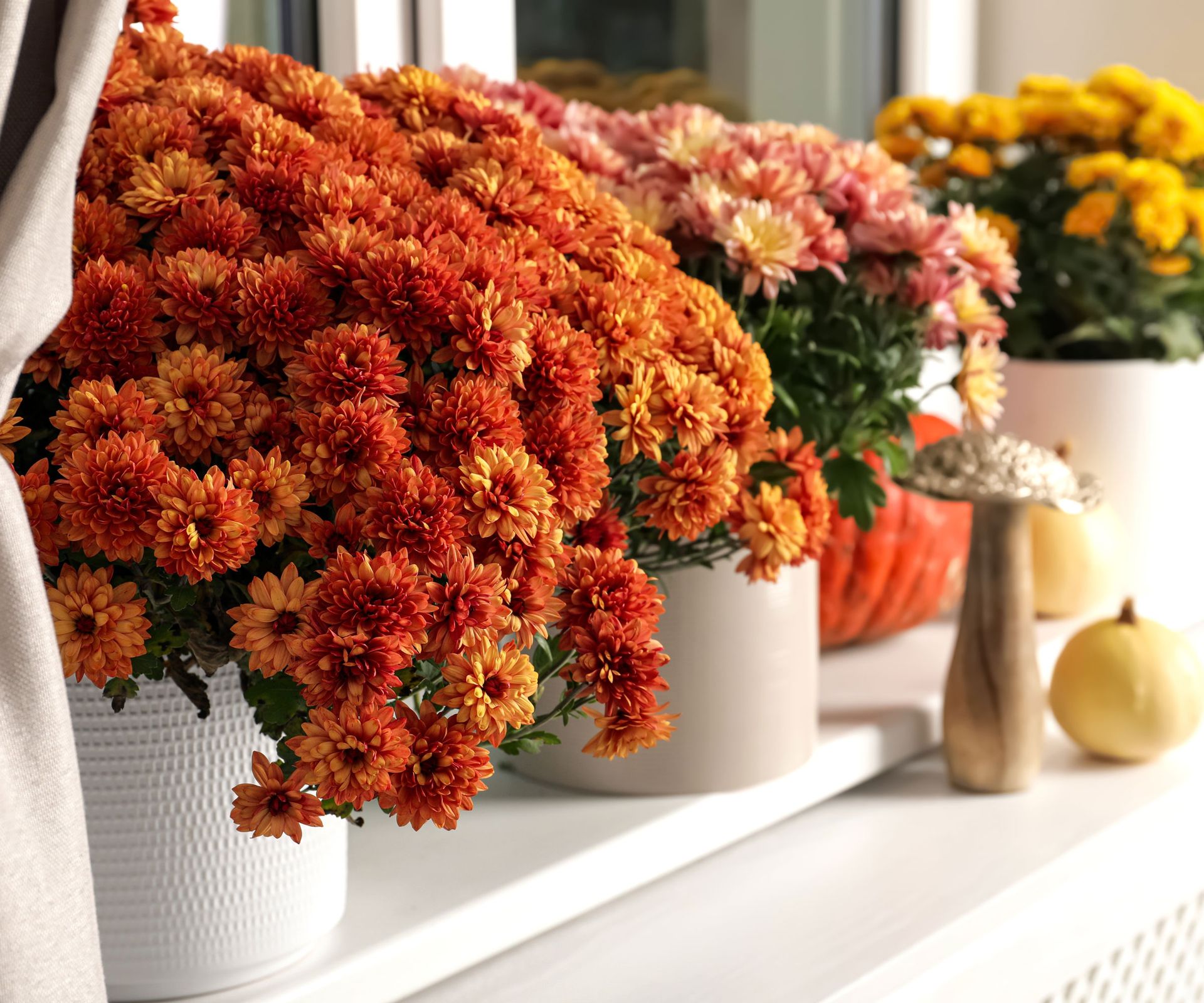
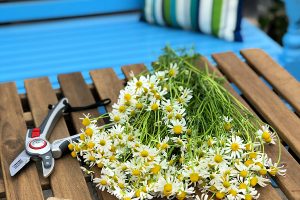
Mums start coming indoors as table decor around now. Their allergens, including sesquiterpene lactones, sit on the flowers and in the fine hairs on the leaves, where they can become airborne. Rashes tend to start on the fingertips of whoever pinches off the buds. Anyone who already reacts to chamomile or feverfew may react to mums as well – they’re all in the same plant family.
If you’re sensitive, wear gloves when handling mums, wash your hands afterward, and keep the plants away from your face and main living areas.
5. English Ivy (Hedera helix)
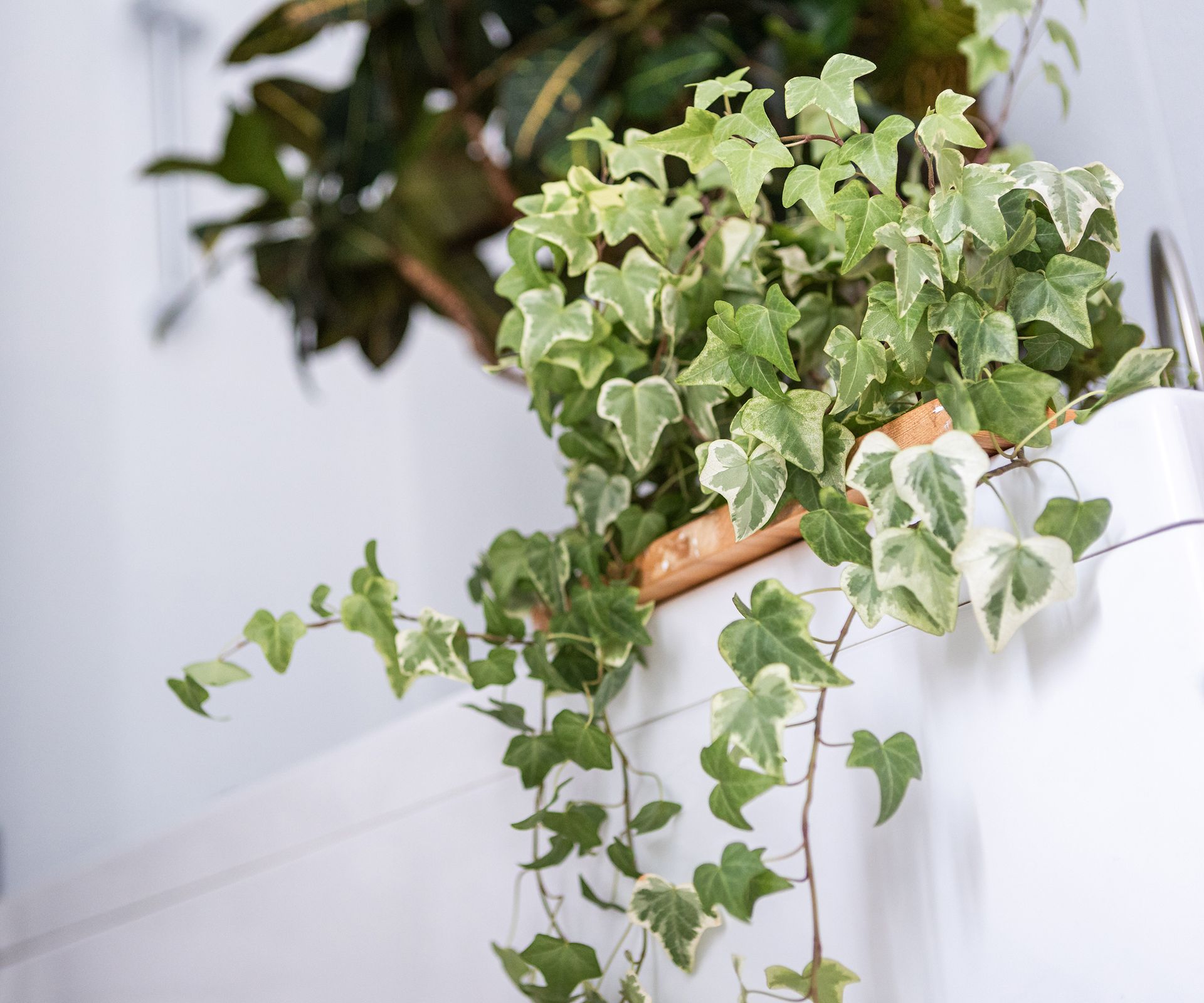
English ivy turns up among the more frequent houseplant sensitizers in skin testing of people with allergic rhinitis. It also contains falcarinol, a compound that can irritate skin or set off an allergic rash. Reactions usually follow pruning or pulling runners by hand. Ivy that summered outside should get a thorough rinse and a close look before it comes back in.
How to Cut Down on Plant Allergens Indoors
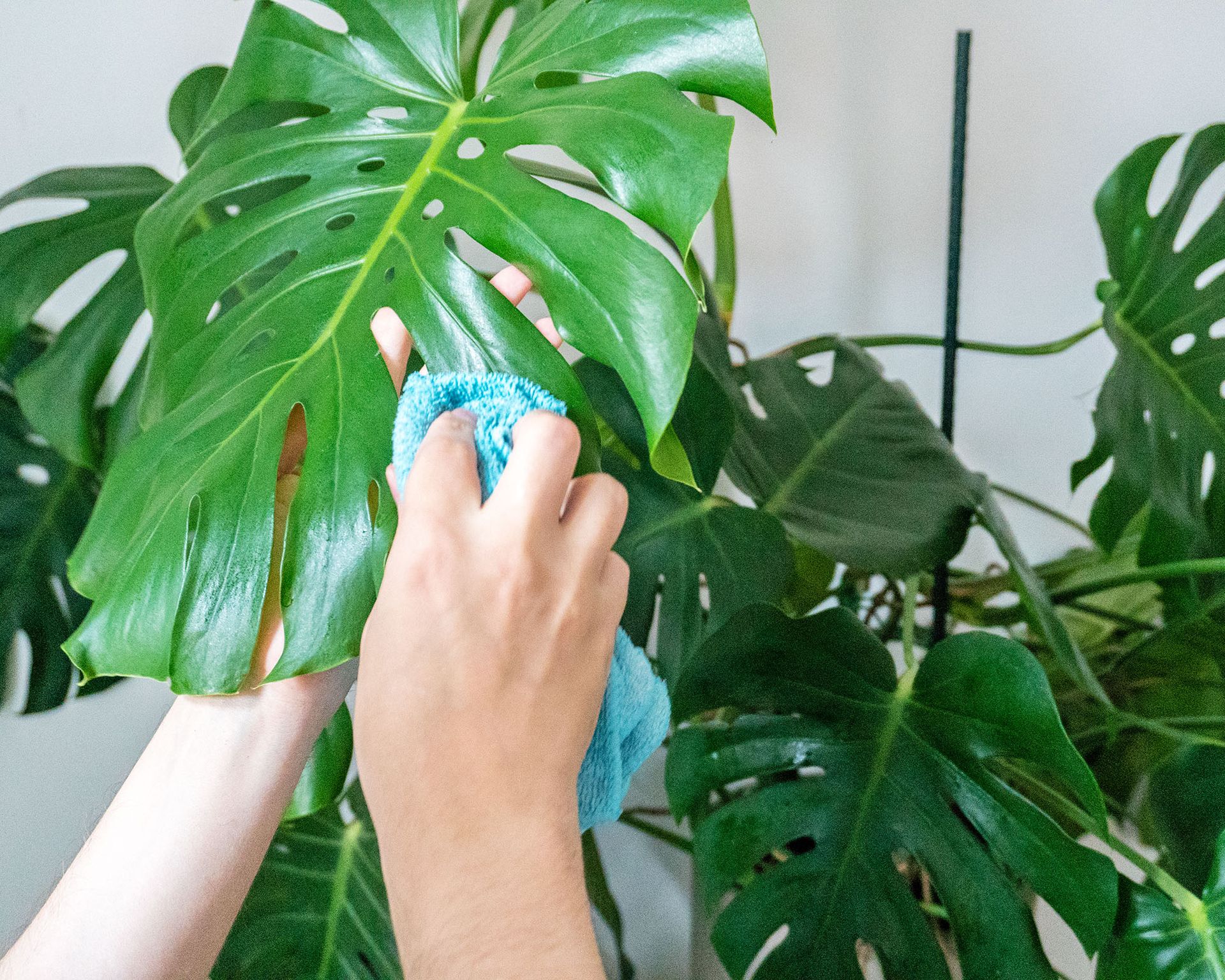
Dust is the easy win. Wipe broad leaves with a damp cloth, like these Amazon Basics microfiber cleaning cloths. Dry dusters just move spider mites and insect eggs from plant to plant. Smaller plants can go under the sink faucet in the morning so the leaves dry by evening. For the bedroom, a Levoit Core 300 HEPA air purifier can pull fine dust and pollen out of the air. It won’t do anything for dust on the leaves, though.
Let the top of the potting mix dry between waterings, and pour off whatever collects in the saucer. A white, cottony film on the soil means it’s staying too wet. Scrape that layer off outdoors and top the pot with fresh houseplant potting soil. Allergists generally advise keeping indoor humidity on the low side – dust mites and mold both thrive in damp air – so skip the humidifier near slow-drying containers.
Nobody has to give up a favorite plant over a few sneezes. If the stuffy nose sticks around into October, an allergist can test for specific houseplants, and a weeping fig that tests positive can move to a friend’s sunroom.
Low Trigger Houseplants
If you’re prone to houseplant-related allergies, choose foliage plants with smooth leaves, little or no indoor flowering, and low watering needs. These three plants won’t guarantee no reaction, but they avoid several common trouble spots.
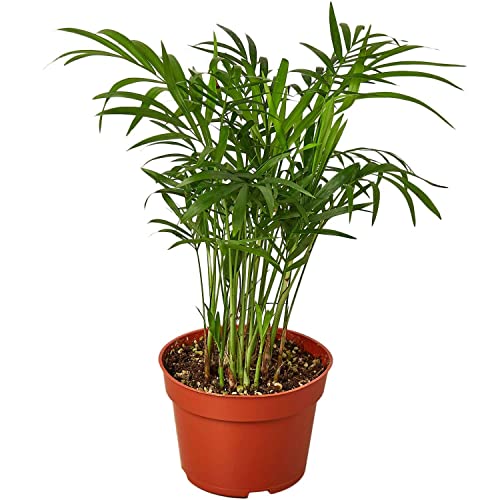
The parlor palm is a good choice for living rooms because it is foliage-led, does not have milky sap, and is generally considered pet-safe. Choose a young plant that is unlikely to flower indoors.
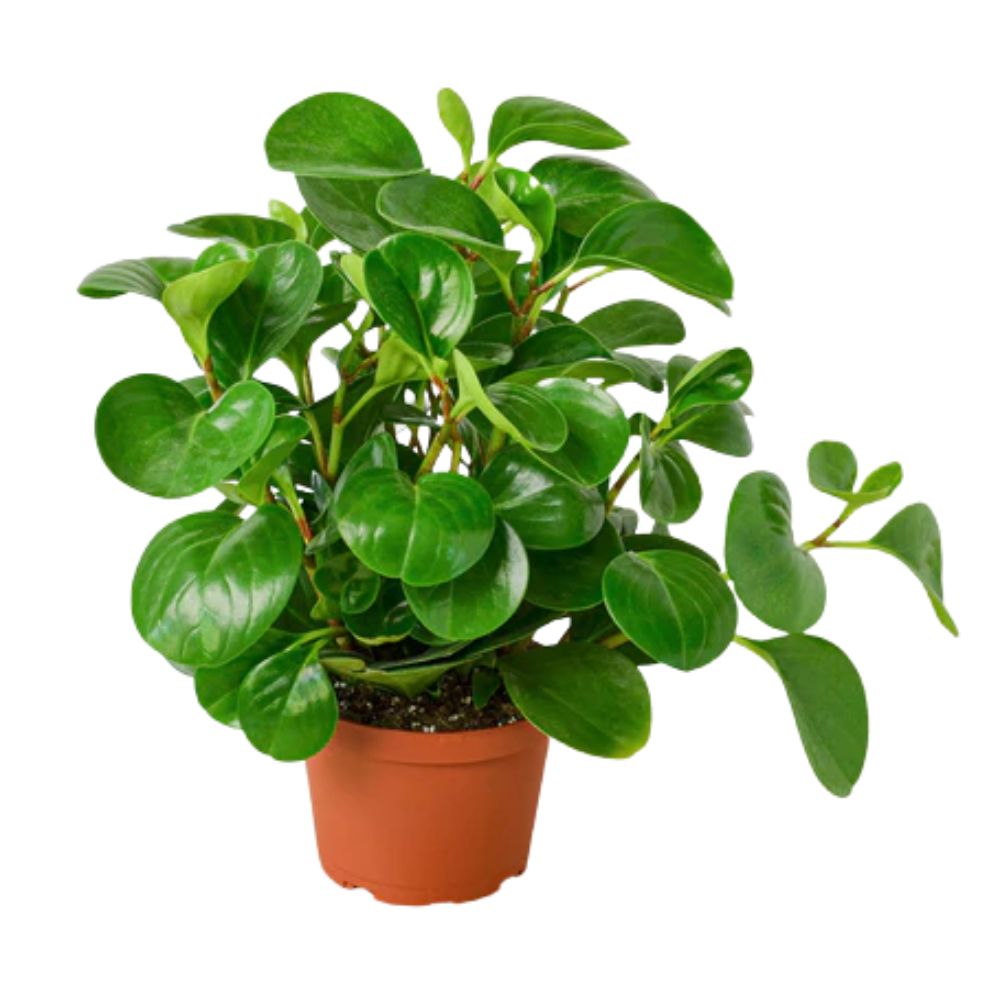
Also known as baby rubber plant, Peperomia obtusifolia is not a rubber tree and does not produce the latex-like sap associated with ficus plants. Its thick, smooth leaves and low watering needs make it a good low-allergen option.
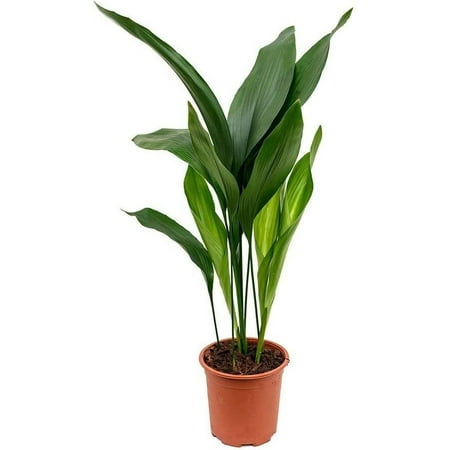
Cast iron plant (Aspidistra elatior) has large, smooth leaves, which won’t trap dust as much as fuzzy foliage. It rarely flowers indoors and tolerates low light and infrequent watering.