Kristin Davis has long been beloved (how many of us have referred to ourselves, unironically, as ‘a Charlotte’ based on her performance in Sex And The City? Thought so!), but her latest plant update has cemented her place in our hearts forever.
Now, celebrity homes usually have a funny way of making gardening look effortless. The gardens are immaculate, the houseplants are enormous, glossy and seemingly incapable of dropping a single leaf, and somehow every corner looks like it belongs in a magazine.
It can all feel a little unattainable if you (like so many people, whether they care to admit it or not) spend your life googling the easiest and hardest-to-kill houseplants, which is why Kristin’s latest plant update is so strangely reassuring.
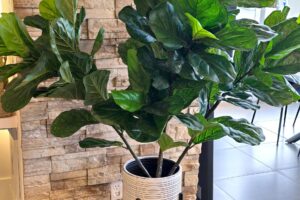
Meet Theo, Kristin Davis’s Fiddle Leaf Fig
Kristin Davis recently posted an Instagram video – not the actor, but her fiddle-leaf fig, which she named after him. Objectively, it’s an excellent name for a plant this dramatic, and Kristin clearly has a soft spot for her leafy namesake.
Unfortunately, Theo isn’t doing so well. Indeed, in the video, Kristin asks her followers for advice after noticing that the ends of his leaves have started to turn yellow and brown. She has a couple of theories of her own, wondering whether he might have overheated during the summer or whether it’s time to move him into a bigger pot, but (as so many people have rushed to reassure her in the comments) the good news is that Theo is almost certainly not dying.
The less good news? Those yellowing leaves and brown tips could be signs of more than one problem, and with fiddle-leaf figs – a plant famous for being a little dramatic – that’s perhaps not entirely surprising. So, if your own fiddle-leaf fig is looking less than fabulous, don’t panic. Here’s how to work out what’s causing yellowing leaves and brown tips, and what you can do to get your plant looking healthy again.
What the Brown and Yellow Leaf Tips Are Telling You
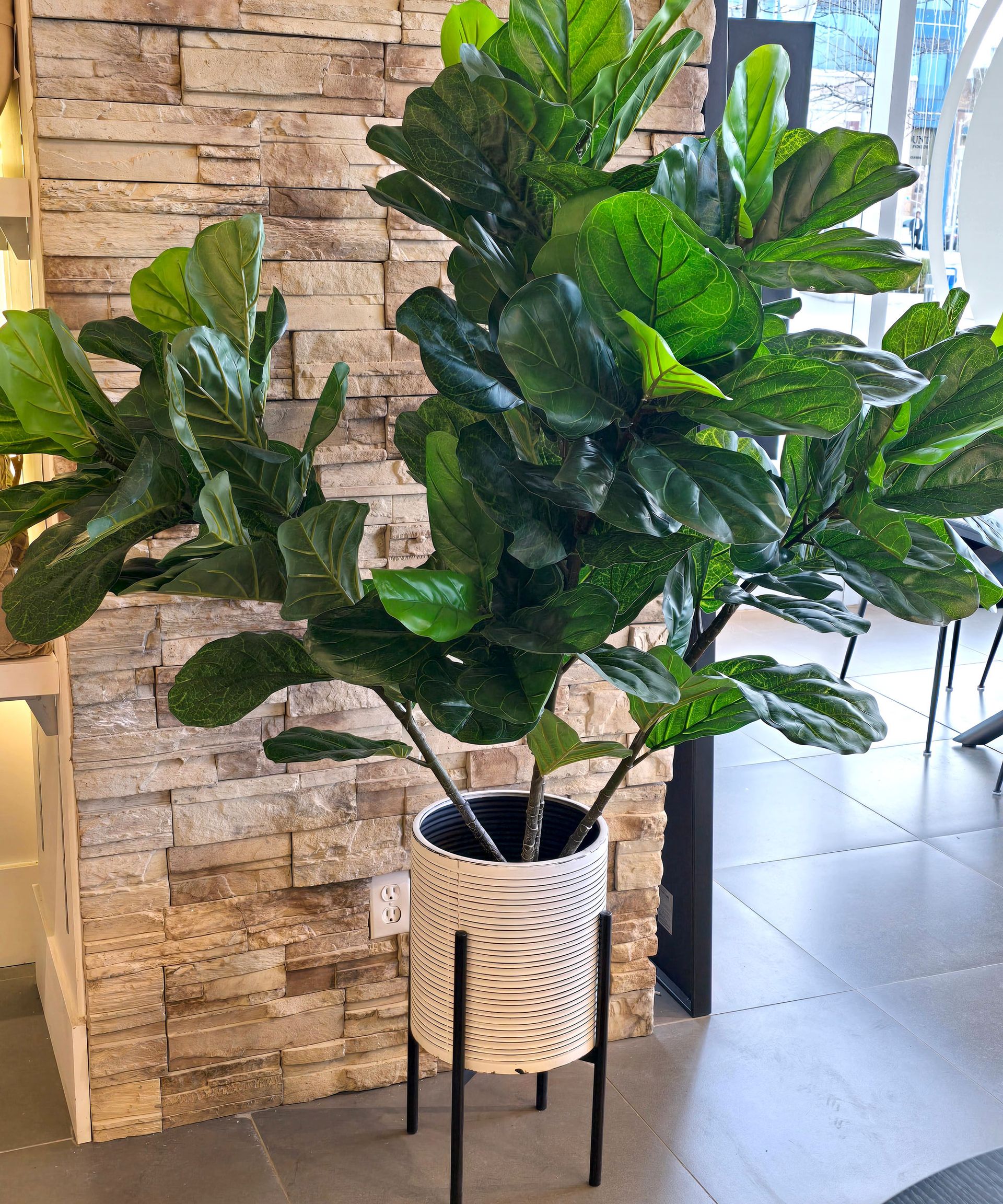
One of the most common complaints about fiddle leaf figs is brown and yellow leaf edges. Unfortunately, this can mean several things have gone wrong all at the same time, and that’s just one part of what can make this plant as difficult as a two-year-old. In Theo’s case (the plant, not the actor), based on Kristin’s own diagnosis, the most likely culprit is a combination of underwatering, heat stress, and possibly being root-bound in a pot that’s too small.
That’s a lot of issues, but here’s how to tell them apart. Yellowing that spreads from the edges toward the center, combined with browning tips, usually points to inconsistent watering. Either the fiddle leaf fig has dried out too much between waterings or got way too much water after not getting enough for a while.
Heat stress can cause similar symptoms: If the plant sat in a hot spot all summer, especially near a south-facing window or close to a heat source, the leaf margins are often the first thing to show it. A root-bound plant (one where the roots have filled the whole pot with nowhere to go) will show this stress across the whole plant.
Shop Fiddle Leaf Fig Essentials:
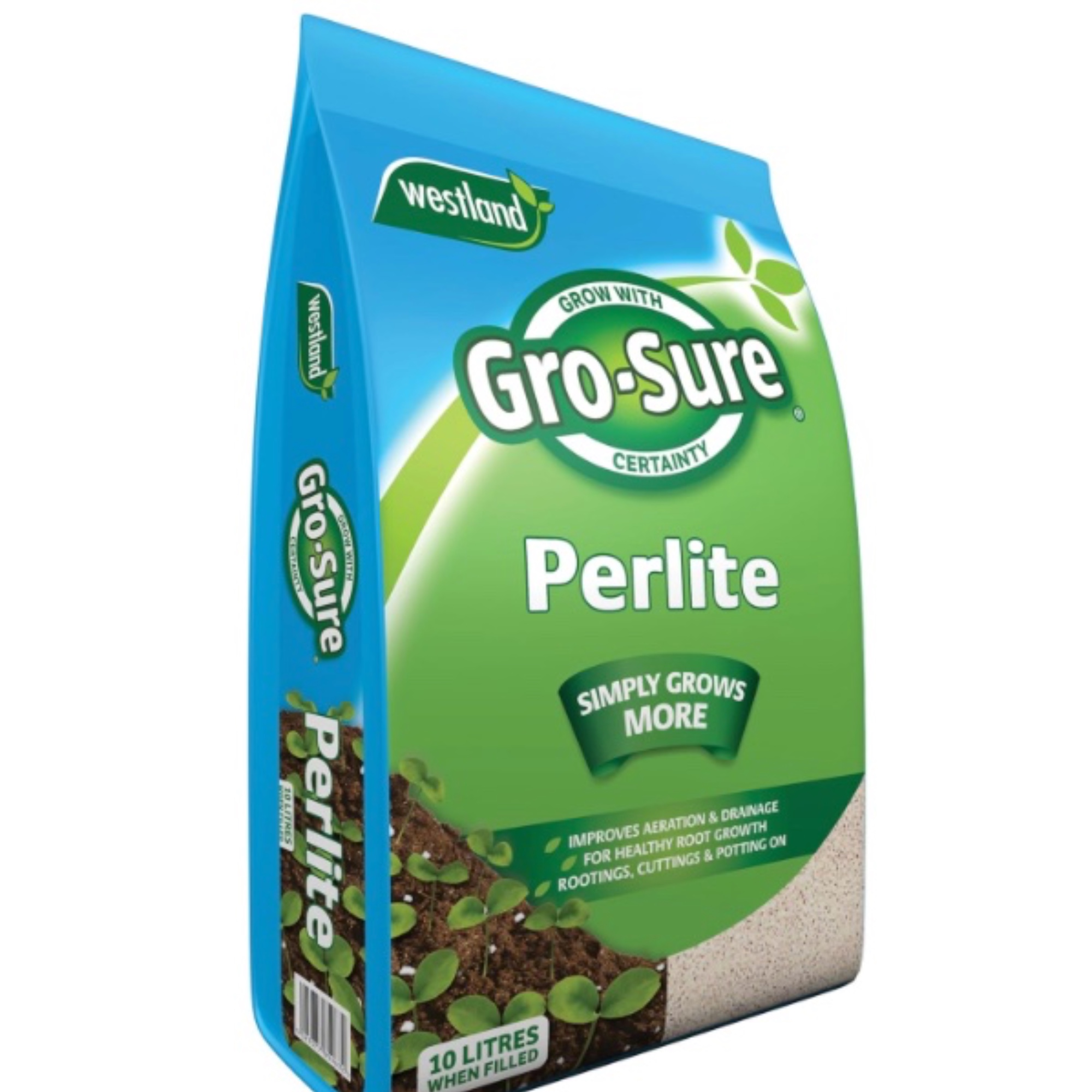 Improves aeration
Perlite is a great addition that will encourage healthy root growth and improve aeration and drainage, key elements for your fiddle leaf fig this month.
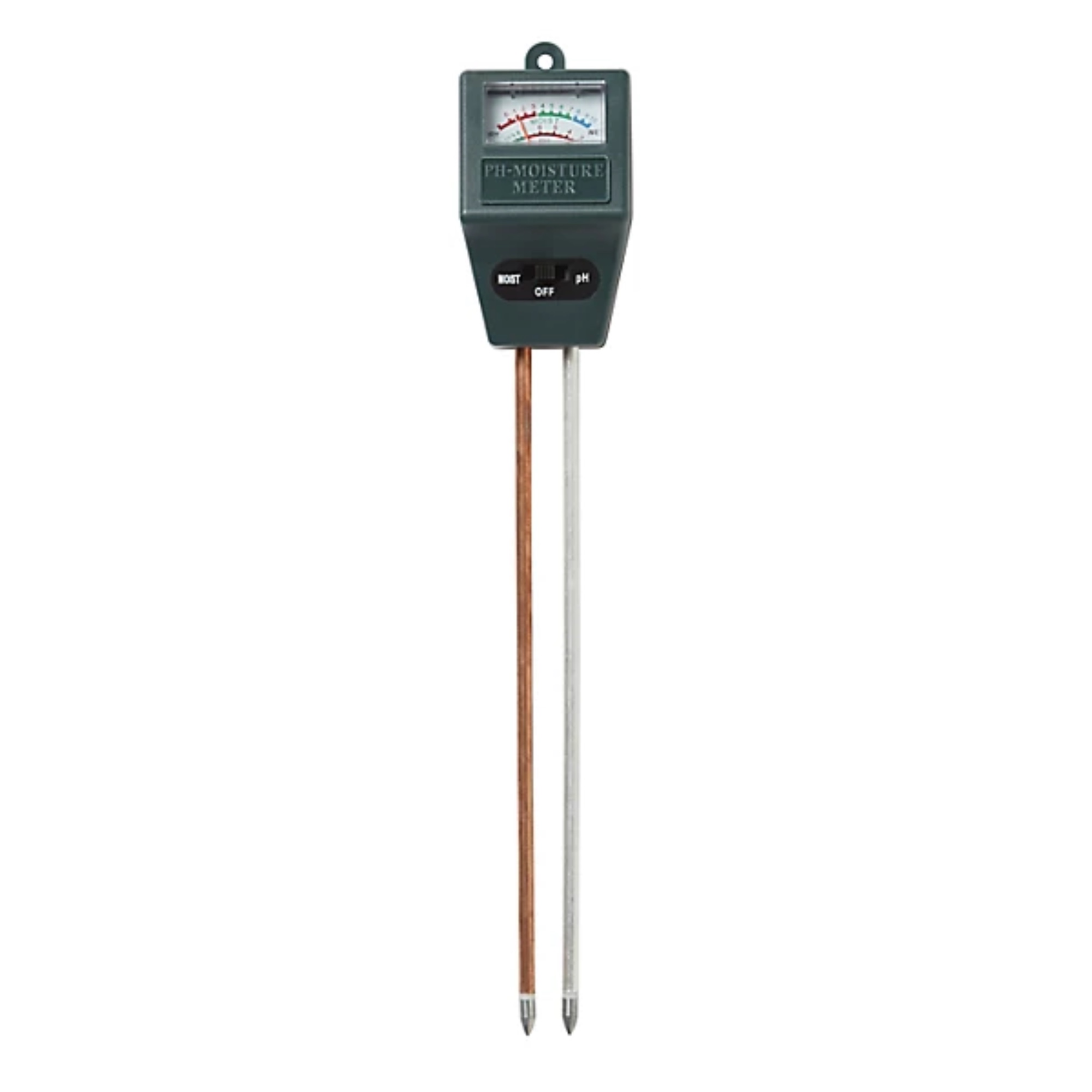 No batteries required
This soil multi-meter is the perfect tool for checking whether you’ve over or under watered. All you need to do is pop it in and see what the display says.
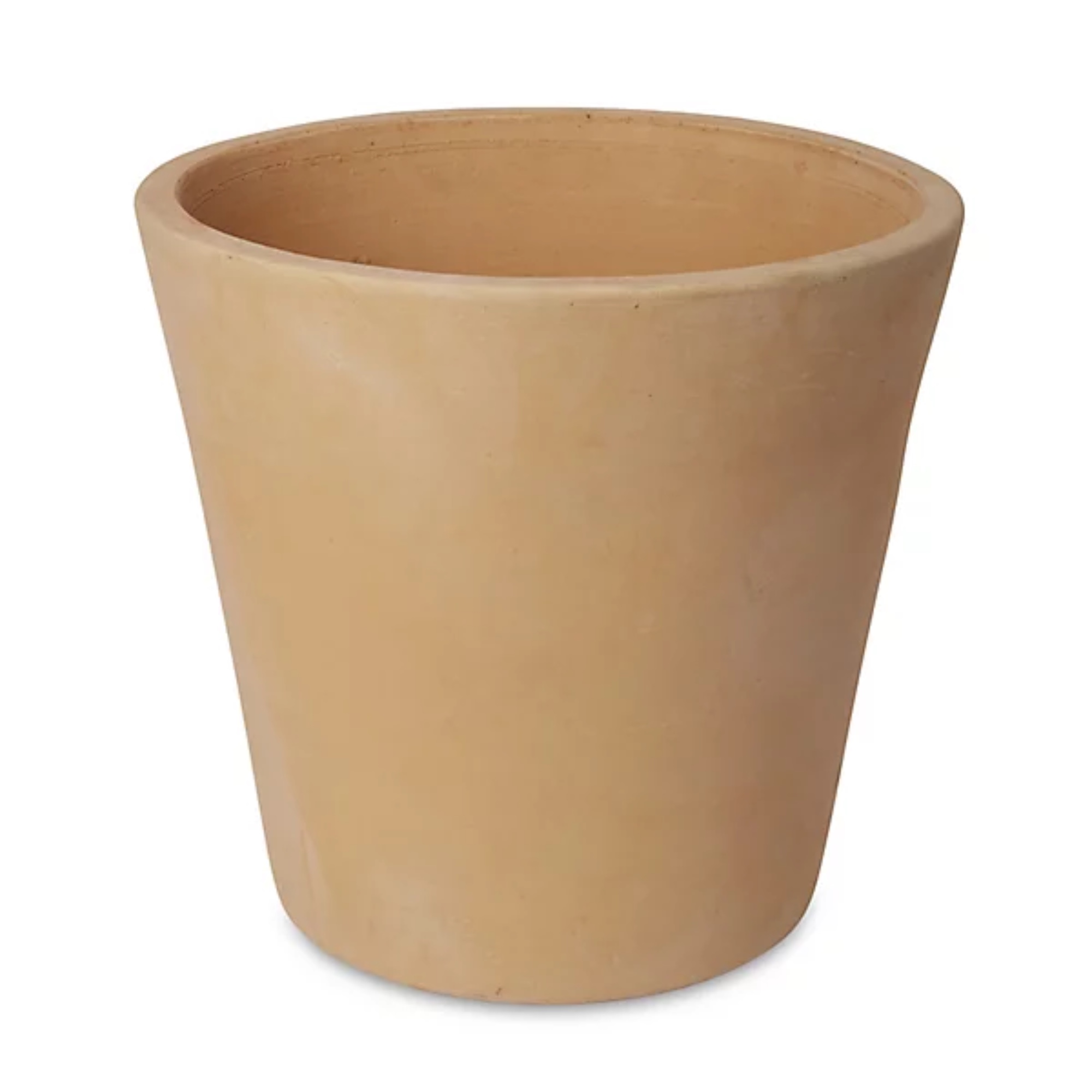 White washed
Terracotta pots are the better option as they allow roots to breathe better than plastic options – and we think they look much nicer too! Pop a plate or terracotta saucer underneath for inside use.
This can include yellowing leaves, stunted growth, and soil that dries out unusually fast, and all three of these things can be happening at the same time.
We guess Theo leans toward being slightly dramatic and complicated, like most actors.
So, Should Kristin Repot?
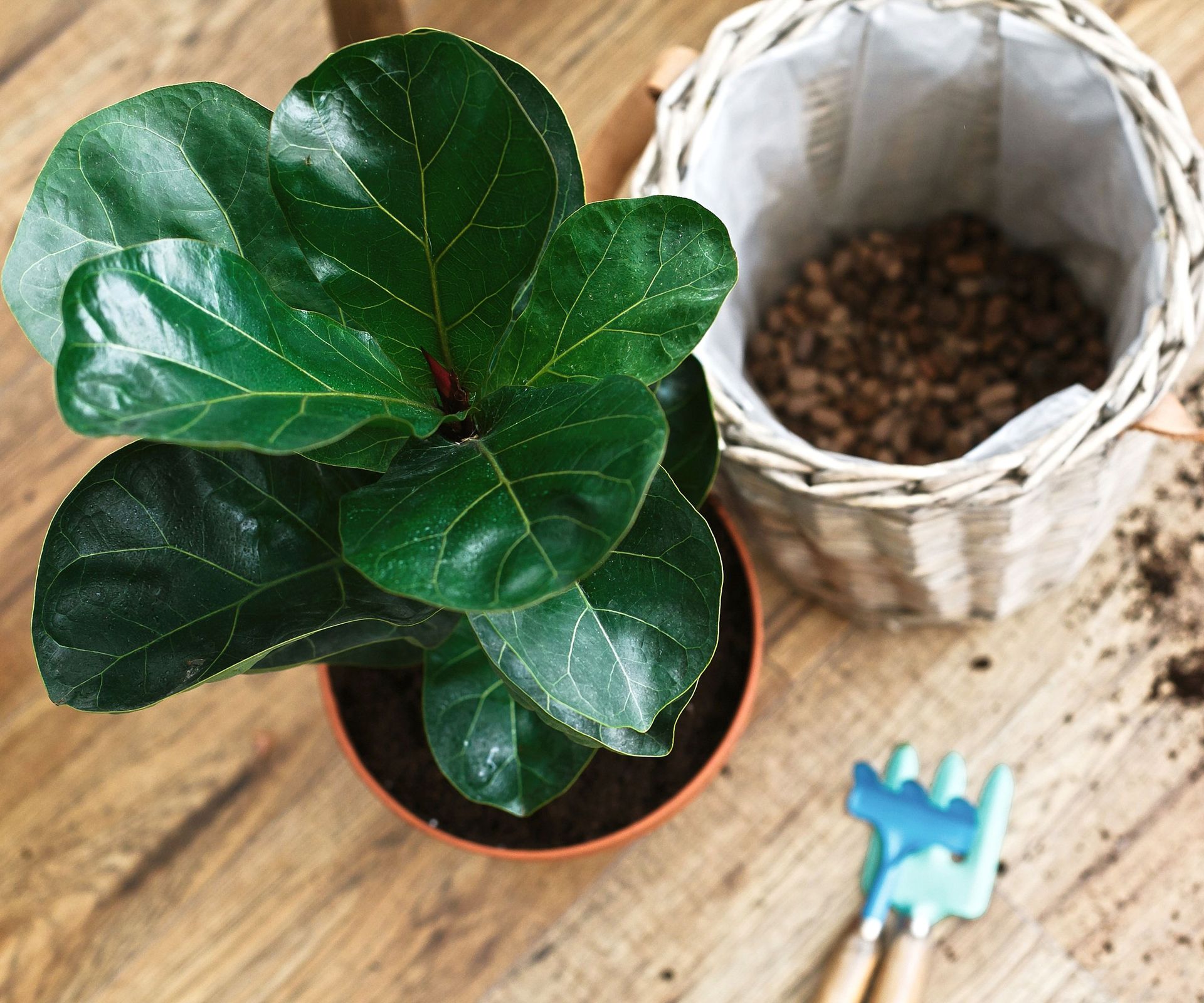
So, should Kristin repot that fiddle-leaf fig? Probably yes, but very carefully. It’s one of those plants that does better slightly root-bound rather than freshly repotted in a pot that’s too large. Too much soil can mean too much moisture retention, which in turn increases the risk of roots rotting. The best thing to do would be to go up in pot size, but just by one. For example, if Theo is currently in a 10-inch pot, a 12-inch pot would be your target, not 14.
Use a well-draining potting mix, and do it when the plant is in an active growth phase rather than when it’s already in distress. Leave it completely alone for at least 4 weeks while it gets adjusted.
If repotting isn’t an option at the moment, lift the plant out of its pot gently and check the roots. If they’re circling around the bottom too tightly, or poking out of the drainage holes, that’s your confirmation that the pot is too small, and it’s worth repotting sooner rather than later.
Fixing the Watering
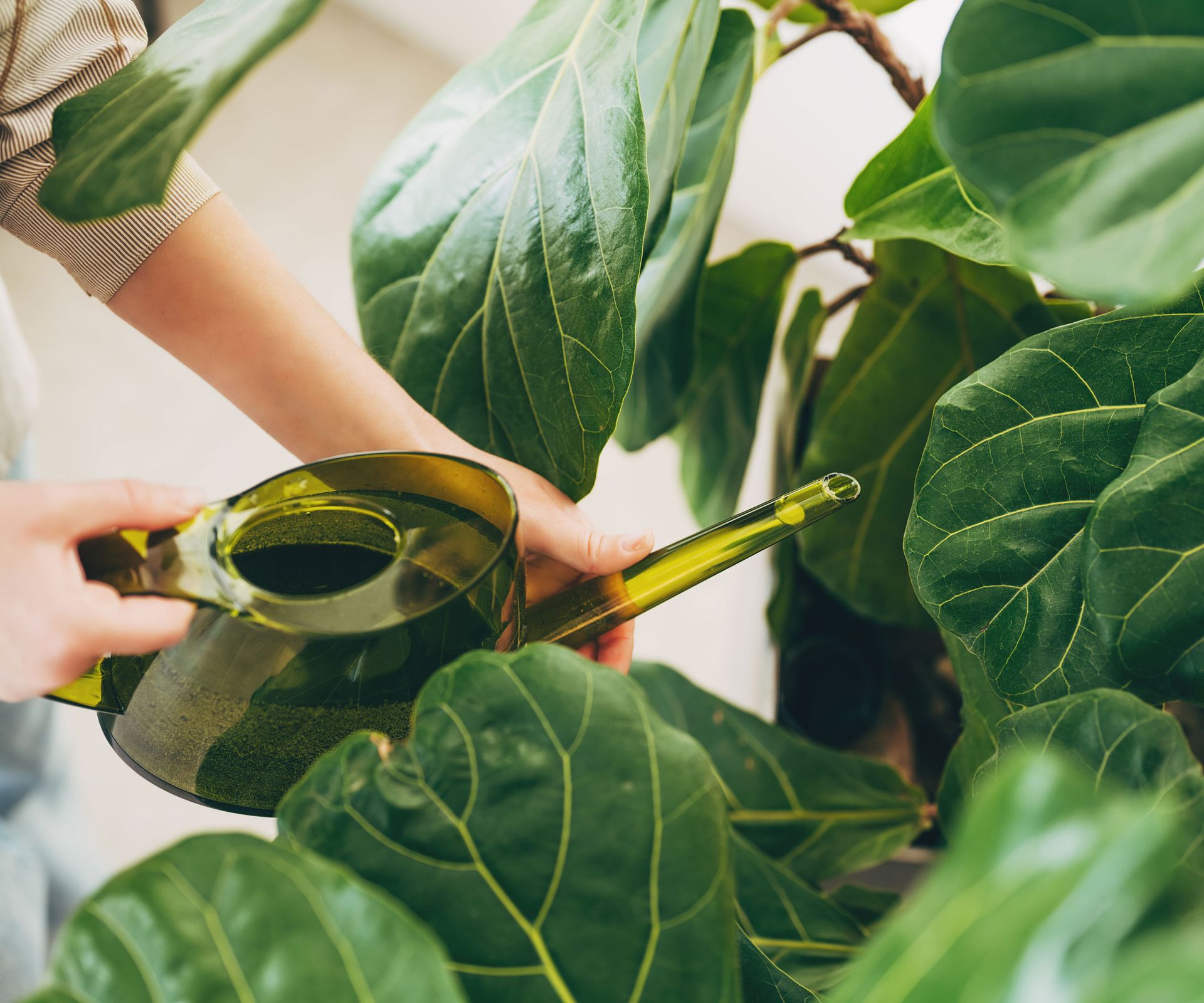
When it comes to a fiddle leaf fig, the golden rule is consistency. Stick your finger 2 inches into the soil, and if it still feels damp, leave it. Water it well when it’s dry, and let the excess drain out completely without letting the pot sit in standing water.
The plant’s water needs drop significantly in fall and winter as the growing phase becomes slower, so adjust your schedule accordingly.
Dealing With the Heat Damage
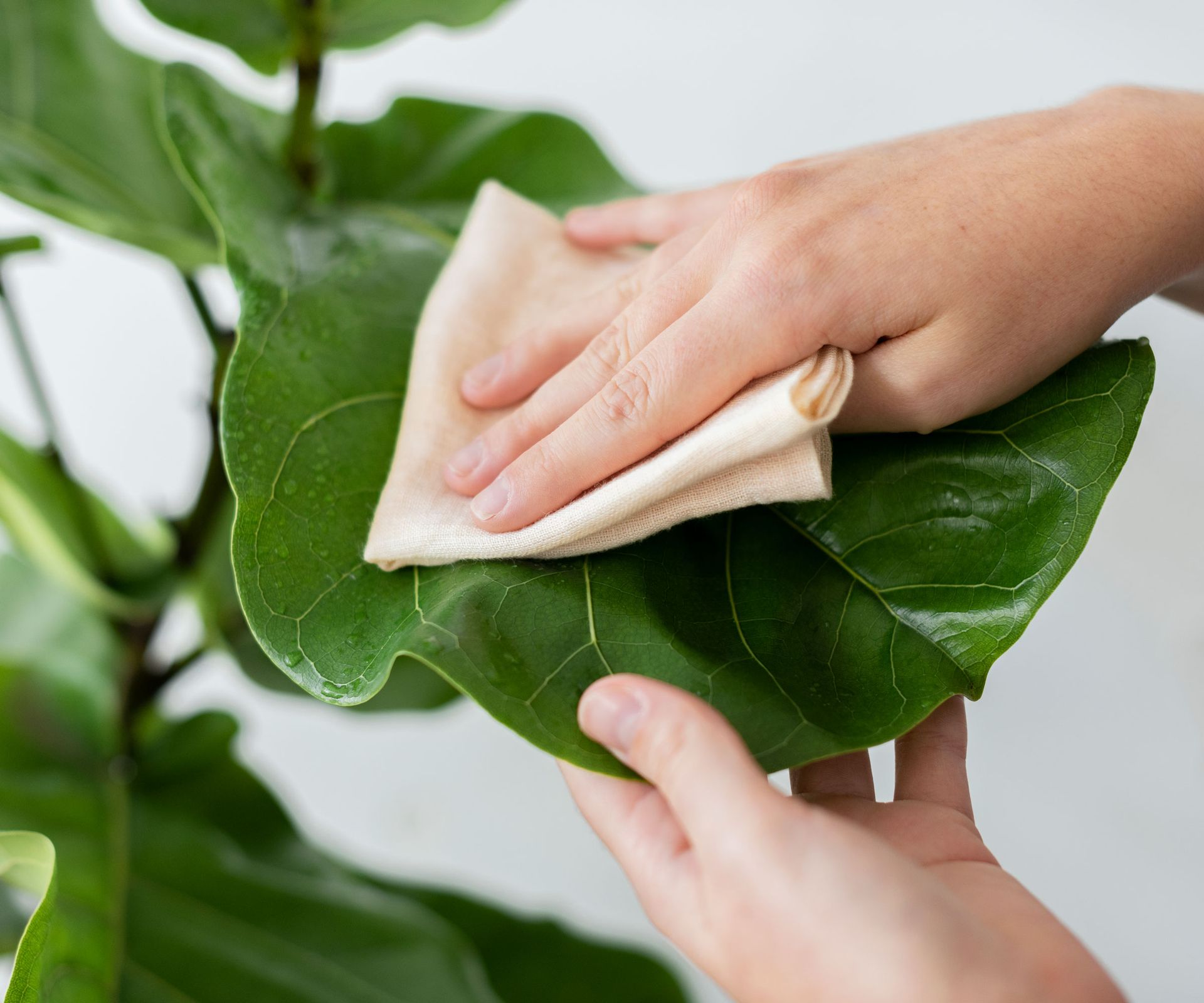
Once the leaves become brown and yellow on the edges, they won’t recover, and the damage has been done. But once you fix the underlying cause and the plant is otherwise healthy, new growth should come in nice and clean. Kristin should move Theo away from any direct sun or heat source and consider how dry the indoor air is in fall and winter: central heating can lower humidity, and it’s one of the fastest ways to get crispy leaf edges on a fiddle leaf fig. A low-maintenance fix for this is a pebble tray filled with water underneath the pot.
The brown and yellow tips won’t disappear, but Kristin’s fiddle leaf fig will certainly recover. With a slightly bigger pot, consistent watering, and being kept away from the radiator, he should be in good shape… a general rule of thumb which kind of applies to a lot of things, actually.