Few mulches carry a reputation quite like pine straw. If you’ve ever attended a community plant swap or browsed an online gardening forum, you’ve almost certainly encountered this warning: never put pine needles in your flower beds unless you want to turn your soil as sour as a lemon. Pine needles sour the soil, so the accepted wisdom goes, and they belong under acid-loving plants like azaleas and blueberries, and nowhere near a vegetable patch or perennial border.
The warning travels with the confidence of fact. Meanwhile, plenty of free potential pine straw mulch gets raked into bags each fall and hauled to the curb or municipal landfills. Welcome back to Garden Mythbusters – because It’s time to set the record straight on pine needles. Freshly fallen needles do carry some acidity, it’s fair to say. Pines often grow in acidic soil, so the suspicion didn’t come from nowhere. However, what this myth skips is everything that happens after a needle hits the ground.
That transformative process plays out slowly, quietly, and largely out of sight – and it’s precisely where the myth starts coming apart. If you’ve ever dodged using pine needles for fear of souring the ground near your tomatoes and perennials, this is hopefully going to reassure you. Take a closer look at pine straw, and it reveals itself not as a potential threat but as one of the most useful, budget-friendly mulches that nature has to offer. Let’s delve a bit deeper into a common misapprehension…
How the Pine Needle Myth Began
At full strength, the claim runs something like this: every fresh layer of pine straw leaches acidic compounds into the earth. Year after year, this buildup stacks, raising acid levels until the bed tips too sour for the likes of standard vegetables and perennials, which thrive best in slightly acidic to neutral ground (pH 6-7). If you haven’t tested your soil pH recently, it’s worth checking in, as this can change over time. Highly rated Raintrip Soil Meter 4-in-1 Probe, available from Amazon, is a helpful way to assess soil pH as well as light, nutrients and moisture levels.
A slightly gentler version of the pine needle myth suggests that while pine straw might not instantly kill your garden, it should be reserved for acid-loving ornamentals like blueberries and azaleas. In each case, the final takeaway is emphatic: keep your harvested pine needles away from your primary garden beds.
There is a number attached to this, too. Living pine needles taken from a tree typically test between 3.2 and 3.8 on the pH scale, putting them in roughly the same acidic neighborhood as grapefruit juice. A standard vegetable bed sits 2-3 points higher on the scale. Because the pH scale is logarithmic, which means every step down represents a tenfold increase in acidity, this numerical gap looks alarming. The stark number is what powers the myth. Yes, it’s a legitimate measurement taken from a living needle. But it’s been quietly misapplied to any soil where it might then land.
Why the Pine Myth Sticks
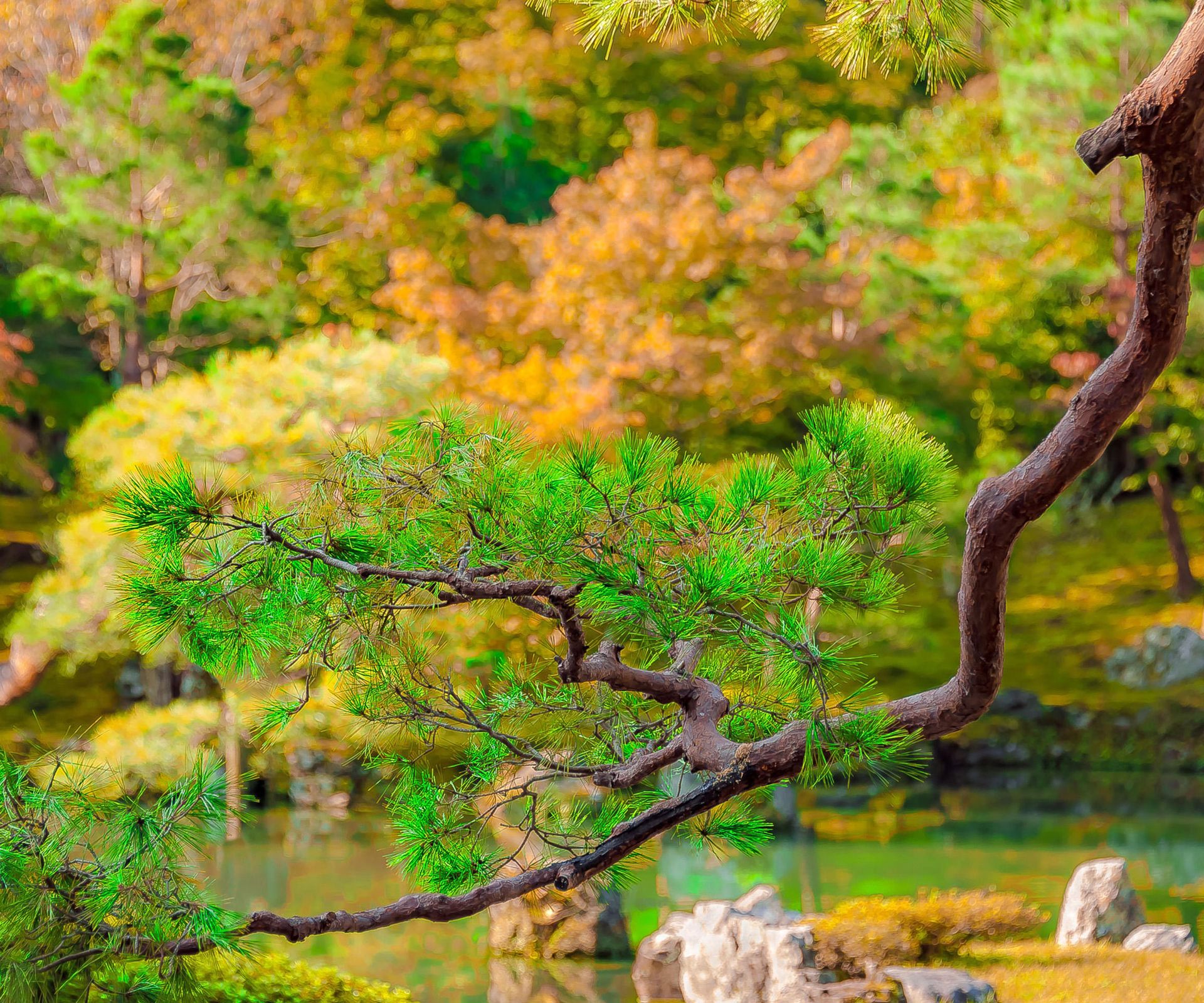
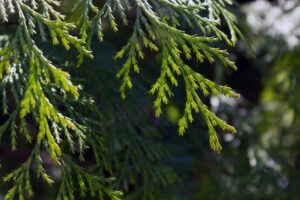
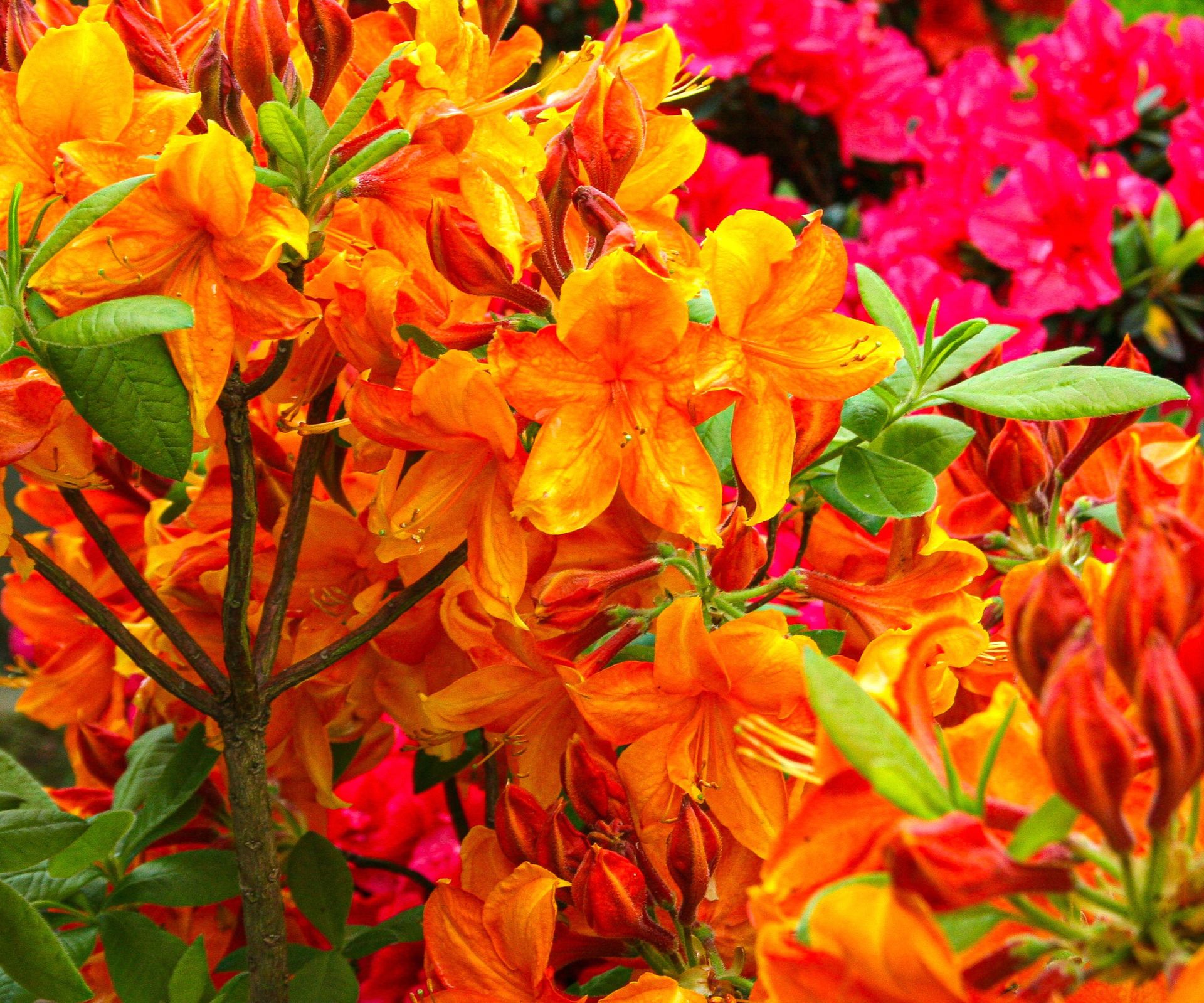
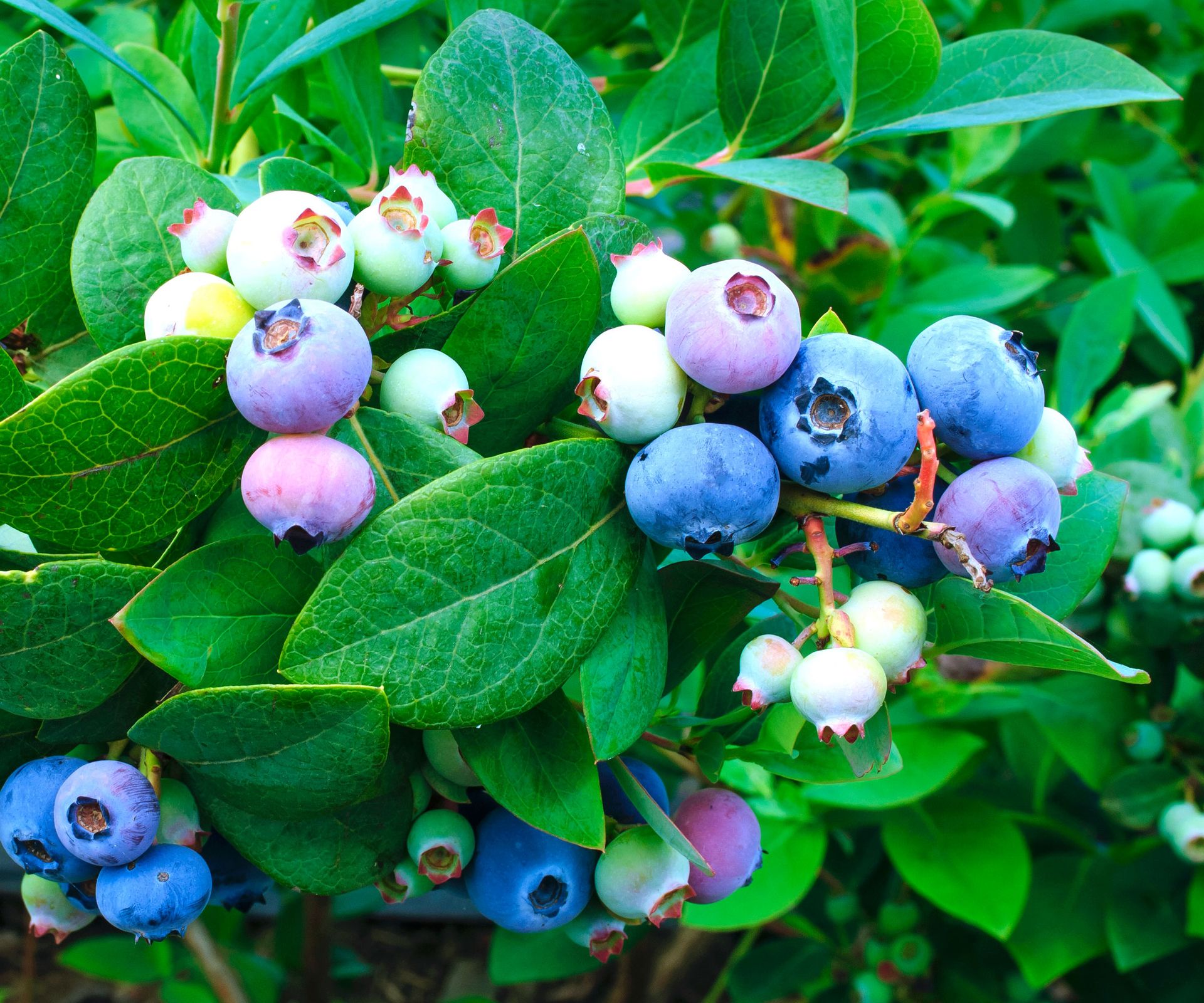
The main reason this myth is so sticky is a classic case of mistaken cause and effect. Southern Longleaf (Pinus palustris) and Eastern White (Pinus strobus) pine tree varieties dominate regions with sandy, naturally acidic soils. Across the South and coastal regions, landscapers top acid-loving azalea and camellia beds with pine straw almost by default. Over time, growers start to believe that it’s the needles that created the acidic conditions underneath. In reality, the acidic soil was there first, and the pines simply evolved to thrive in it.
Then there’s the bare earth under a mature pine tree. This looks like evidence. Grass thins out, weeds refuse to grow, and the carpet of needles lying on top takes all the blame. In reality, heavy shade is the likelier culprit. Dense pine canopies block vast amounts of sunlight, so the ground directly underneath struggles with the sunshine shortfall.
Meanwhile, a massive, shallow root network (often extending 2-3 times wider than the tree’s canopy) aggressively sucks up every drop of available moisture and nutrients. Furthermore, a dense mat of interlocked needles can physically prevent seeds from reaching bare dirt. So, all this comes into play. But all we hear is that the soil must be sour – and blaming the acidity in needles becomes a tidier explanation.
Problems with the Pine Myth
Here is the central reality, the bit where the pine needle myth falls down as it were: the acidity inside a fallen needle is fleeting and doesn’t hang around. As soon as a needle turns brown and drops, its organic compounds begin to break down. Microbes, fungi, and beneficial soil bacteria immediately digest the organic matter, neutralizing the organic acids during decomposition. Whatever minute acidic liquid does leach out hits the top layer of soil first, where natural buffering absorbs the hit.
The acid is real, but it is spent right at the surface, long before it has a chance to reach the roots of any plants growing in the ground. A 2-3-inch (5-8cm) layer of pine needles typically won’t move soil pH enough to register on a test. Even fresh green pine needles dug straight into a bed tend to cause only a slight, temporary and harmless dip before microbes balance the equation.
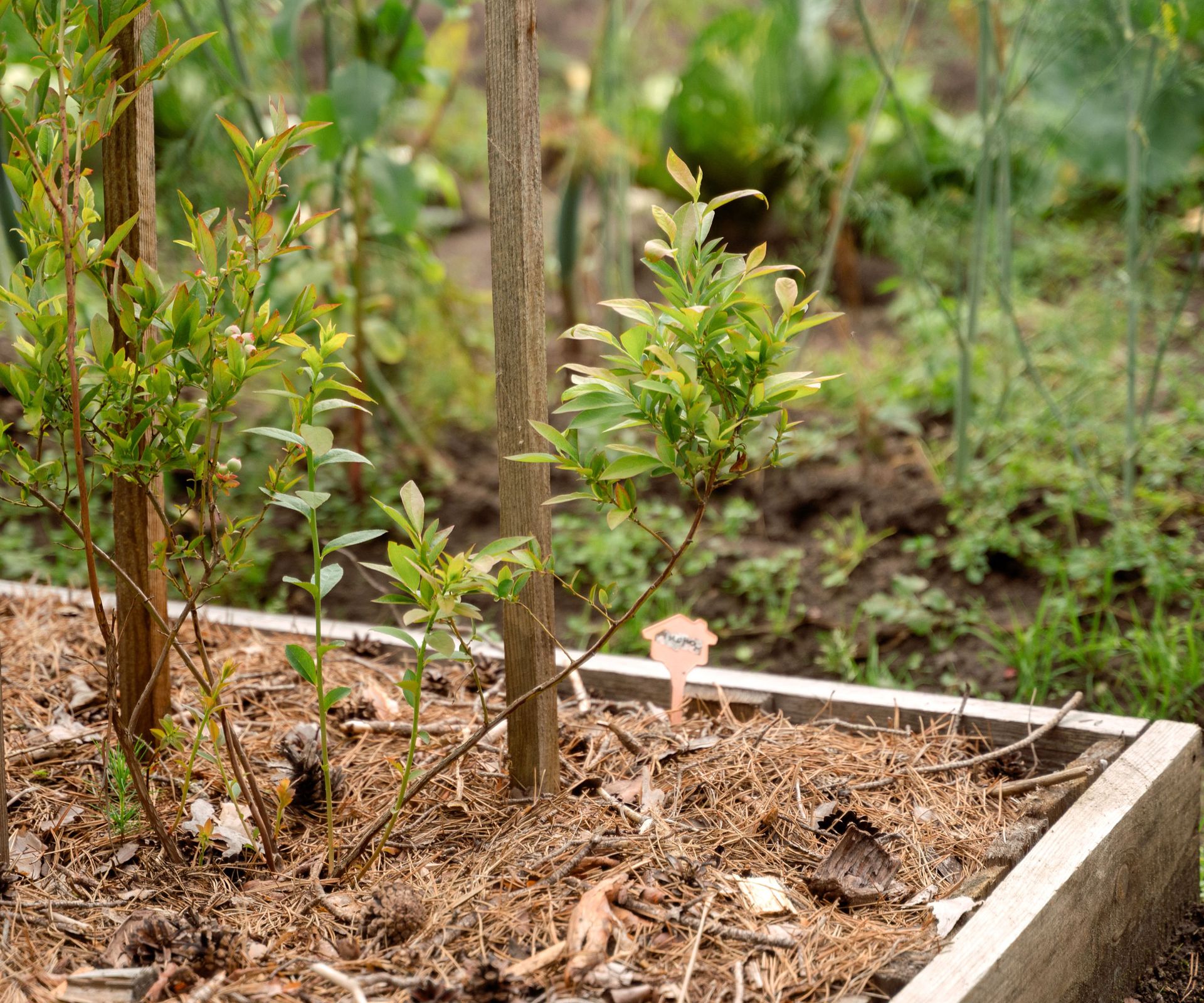
If you were growing an acid-loving plant and you wanted to make your soil more acidic, you’d need to go for something that means business. For example, if you are chasing a lower pH for blueberries or azaleas, you’d need elemental sulfur or a dedicated soil acidifier, like Espoma’s Organic Soil Acidifier from Walmart. Because using pine needles for this purpose simply won’t cut it.
Convert an open field into a forest plantation, and over decades the soil below may lose a few tenths of a pH point. Some of that likely traces to the living trees, which pull calcium and other base minerals into their own wood and foliage as they grow. Rainfall and the rock that the soil formed from still count for a great deal. But raking a few inches of dry needles over your hostas or tomatoes will not alter your soil pH.
Beyond the Pine Straw Myth
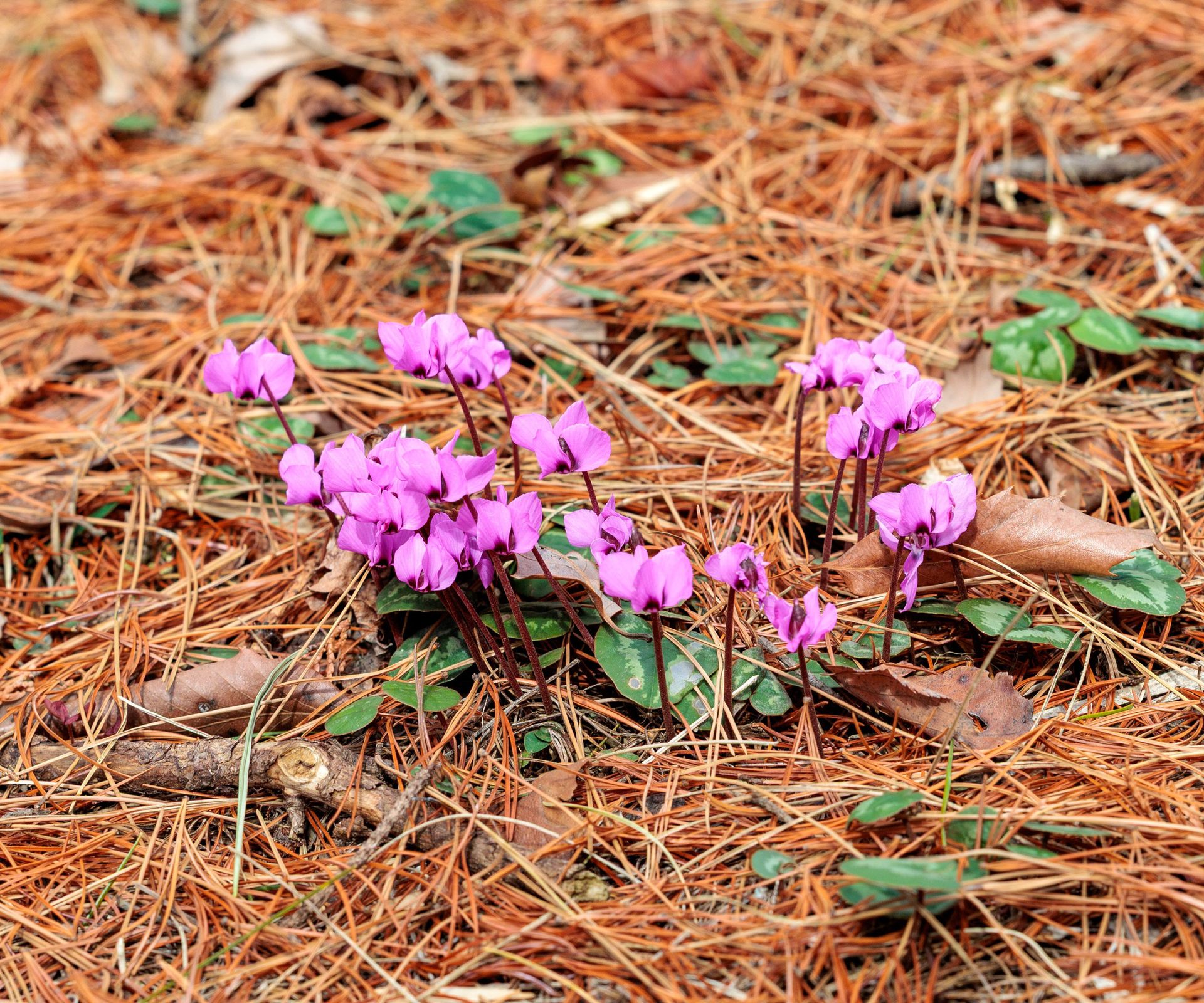
Once you strip away the unfounded pH worries, pine straw starts looking like a pretty good deal. For anyone with pine trees nearby, it can be a superstar mulch. It’s a free, renewable resource, dropped fresh every fall. It breaks down slowly, and it often holds up for a full season before a bed needs topping up. Unlike bark mulch nuggets, which can be dislodged in heavy rain, pine needles tend to interlock as they settle, forming a stable blanket that stays in place even on slopes. They are also unlikely to smother roots the way a fine, matted mulch sometimes can.
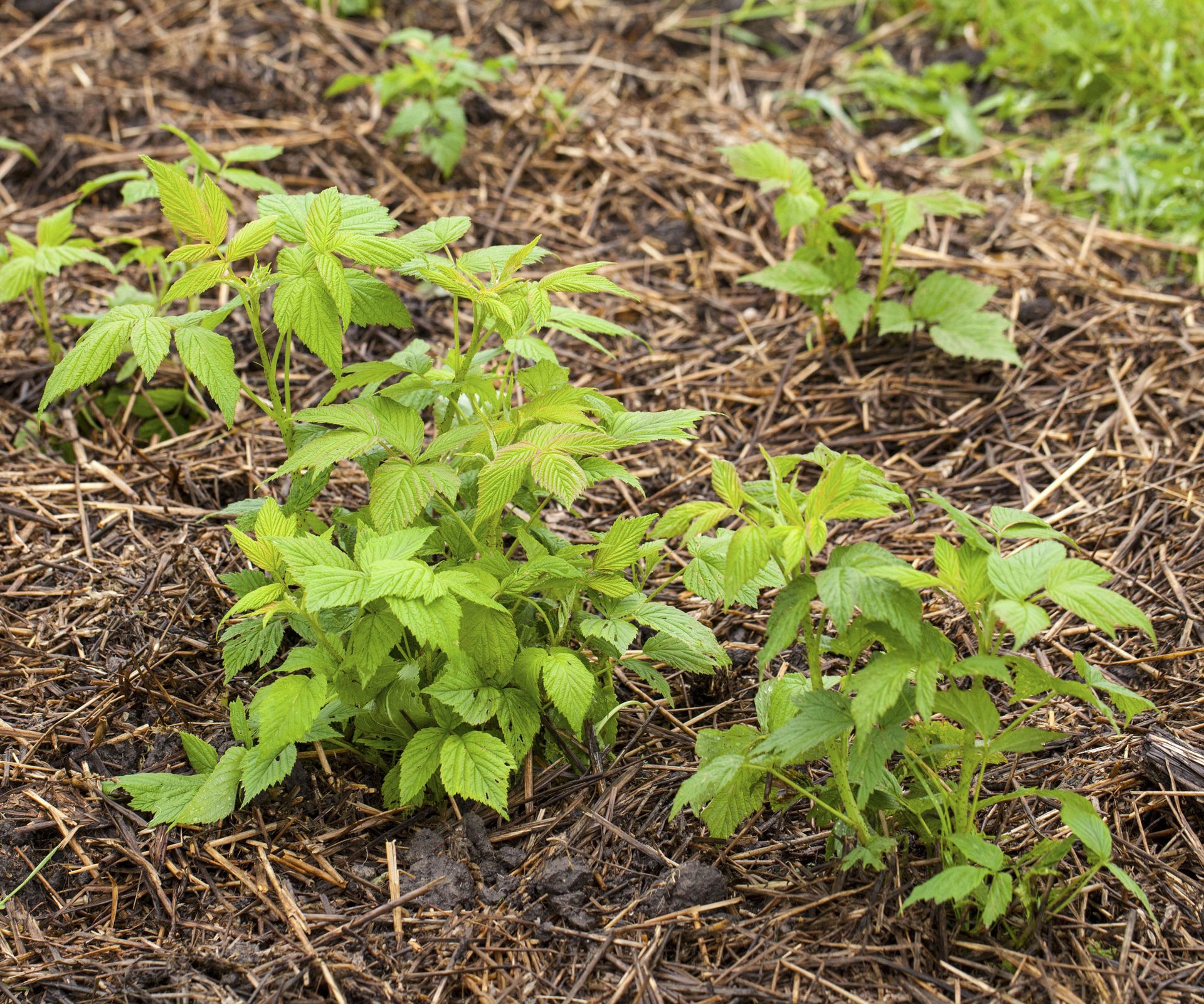
Equally important is how pine straw behaves under pressure. Pine straw stays loose and springy, instead of packing into a crust, so rain and air move through it easily and the bed below is shielded from compaction. Come winter, that same layer helps to even out the soil temperature around the roots like a cozy duvet. It’s light enough to toss over low, tender plants on a frosty night, insulating perennial crowns against freeze-thaw cycles without suffocating root systems.
The only genuine caution applies in wildfire-prone regions. Dry pine straw is highly flammable. In these areas, you need to keep pine needles at least 5 feet (1.5m) or so away from home foundations and wooden structures.
Put the Fall Needle Drop to Work!
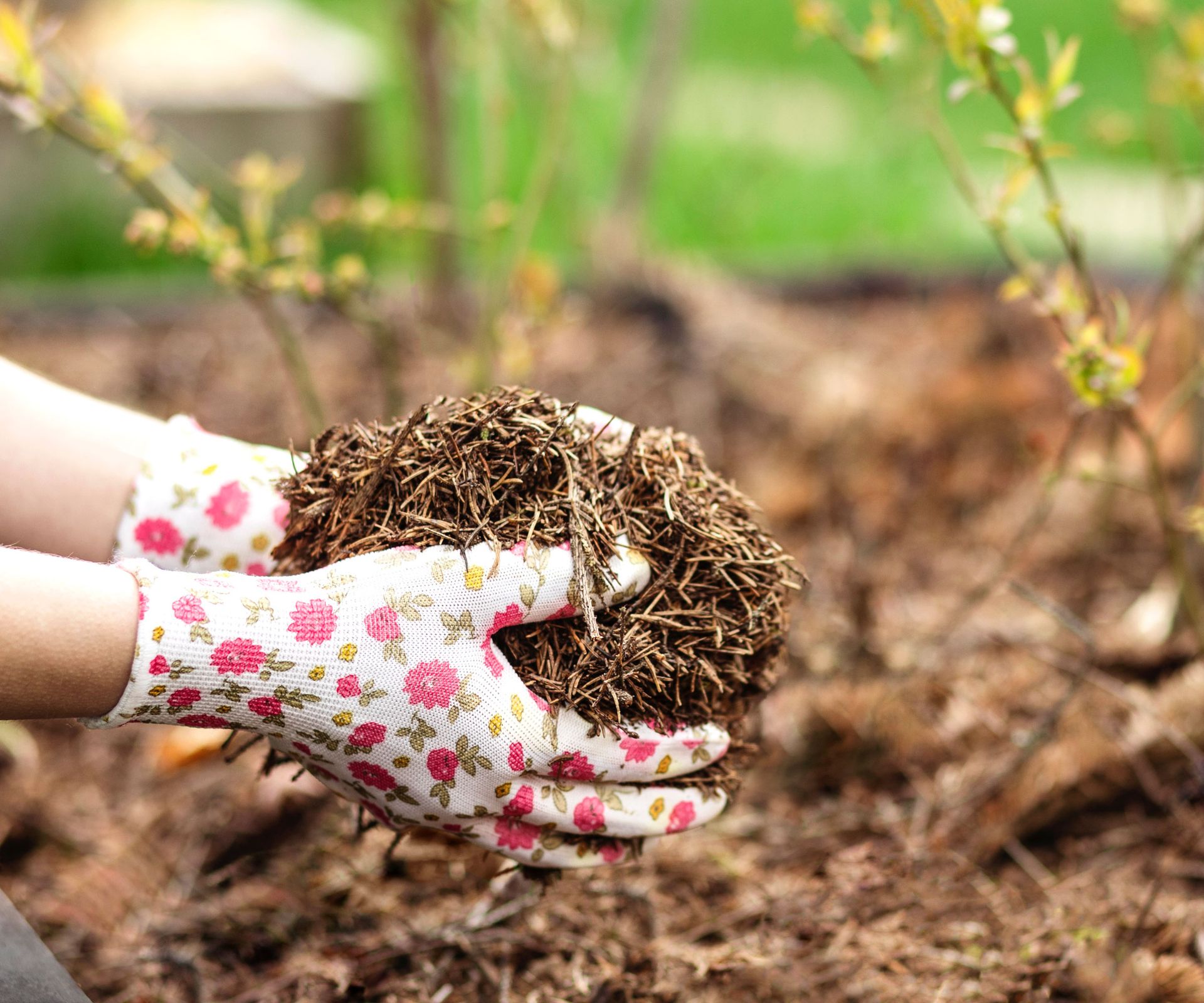
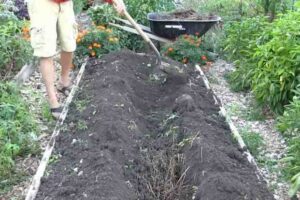
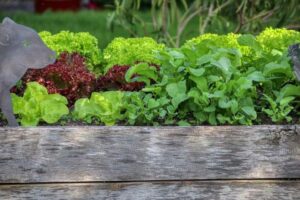
Fall needle drop is nature’s invitation to mulch your garden for free, and putting it to good use is easy. A rake full of rust-brown needles is about as low-effort as mulch gets. Use a narrow shrub rake, like the Bully Tools Shrub Rake from The Home Depot, to pull dry brown needles out from beneath low-hanging evergreen branches and perennial borders. Spread a 2-3-inch (5-8cm) layer across flower beds and vegetable plots, and around established shrubs. Leave a 2-inch (5cm) gap around woody stems and trunks to prevent moisture buildup against the bark. Maintain that crucial 5-foot (1.5m) safety buffer from house foundations in wildfire country.
If you live in a region with freezing winters, save a few bags for late fall. Stash extra needles in breathable yard bags off the ground until the first hard freeze arrives. If you don’t have any, you can get generous Joyhalo 72-Gallon Leaf Bags from Amazon to help you store your pine mulch out of the rain. Once the top layer of soil freezes solid, spread a loose blanket of needles over tender perennial crowns and garlic beds to protect them during freeze-thaw swings. Just avoid applying winter mulch too early in the fall, as a warm, cozy pile of needles can attract nesting voles and mice.
In milder regions where the ground rarely freezes, pine needle mulch can go down whenever a bed starts looking thin. Every needle has a job waiting in the beds below, and the soil underneath will likely test the same pH next spring as it does today. But you can be sure the earth will be well looked after if you’ve put your pine needles to good use this month!
Shop Soil Care Essentials
Putting fallen pine needles to work in your yard is one of the easiest, most budget-friendly ways to protect your soil and tender plants through winter. That said, a few smart extras can help you enhance your soil care routine this fall. From tools to help gather needles to amendments to really lower soil pH for true acid-lovers, these curated products will help you tackle your fall prep with confidence.
Ground Control Trio
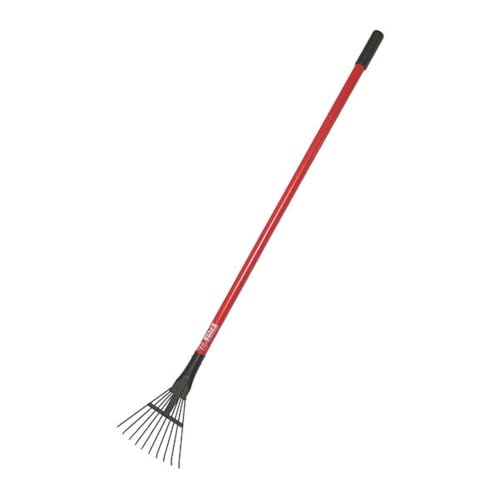 Narrow Debris Collector
With its narrow profile and lightweight design, this rake glides smoothly between tight perennial stems and under low-hanging branches. Gather fallen needles cleanly without pulling up tender plant foliage or damaging shallow roots.
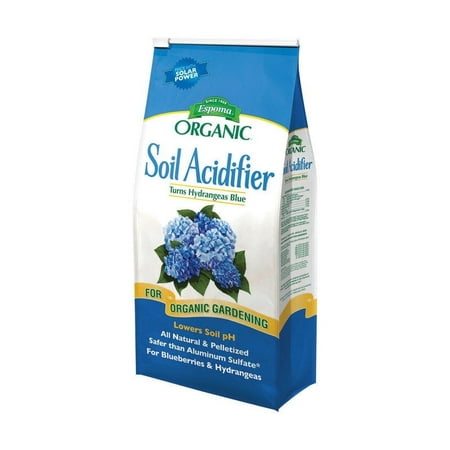 Strong Soil Acidifier
If you genuinely need to lower soil pH for acid-loving crops like blueberries, azaleas, or hydrangeas, this elemental sulfur formula gets the job done. It safely lowers soil pH over time, providing the precise acidity these plants require.
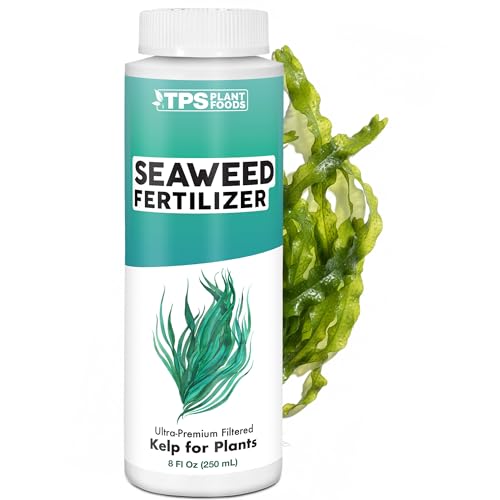 Soil & Bloom Booster
This gentle blend helps to strengthen soil microbial activity (to decompose organic mulches like pine straw), while delivering essential potassium and trace minerals to all your winterizing perennials and heavy feeders.
Need more ideas for getting the most from your plants, indoors and out, and looking for the best seasonal expert advice delivered straight to your inbox? Sign up for the free Gardening Know How Newsletter!