Although you may see fewer birds at your backyard feeders this month, it’s not a moment to be “cheep” – sorry, that’s a bad joke. Wild food may be plentiful right now, but September is also a time of migration and changing weather, both of which can cause birds to expend more energy.
That’s why consistency remains important. Keeping feeders clean, well-stocked, and ready for visitors is one of the most important bird feeding basics, even when natural food is available. You never know when a migrating bird may need an easy meal or when a sudden change in weather could make foraging more difficult.
So what should you be doing now? Here are the six critical items for your “birds-in-September” to-do list.
1. Switch to High-Energy Foods
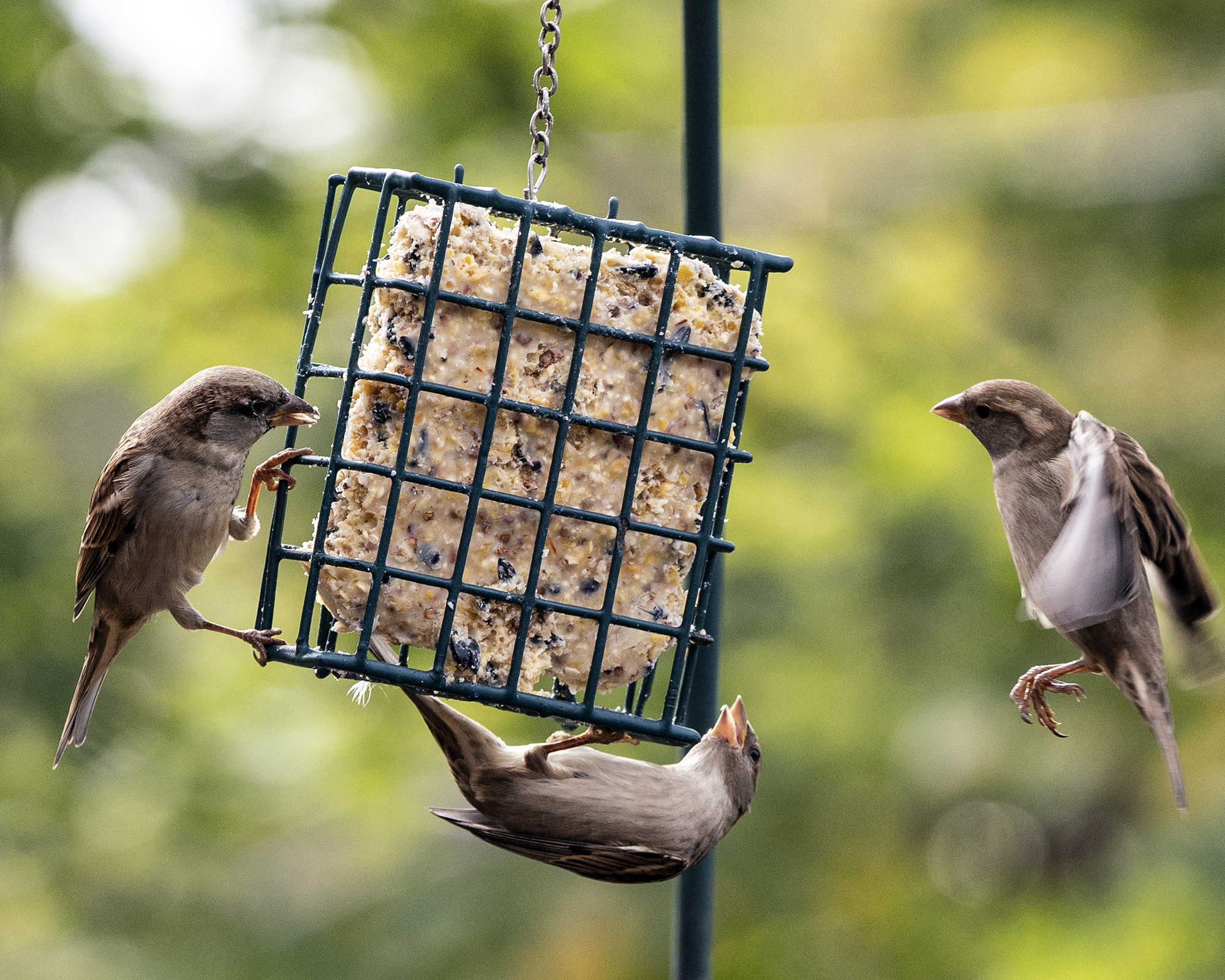
The basic rule here is simple: in September, offer foods that provide real, solid nutrition. Avoid “filler foods” such as bread, cereal, or sweet scraps. Instead, focus on high-fat, high-protein options that give birds the energy they need for migration and the changing weather ahead.
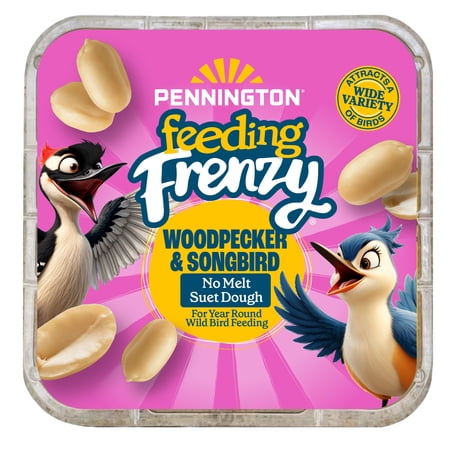
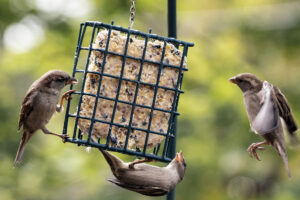
Making your own DIY suet ornaments is one of the simplest bird feeder ideas. Combine suet with seeds, peanuts, or dried fruit, then shape the mixture into balls or molds and hang them from a tree or feeder station. Alternatively, put out suet cakes, like these Pennington Feeding Frenzy No-Melt Suet Dough packs from Walmart.
Good options for September include black-oil sunflower seeds, suet, and peanuts. A bag of dried mealworms, like these Kaytee ones from Amazon, provide valuable protein and can be particularly useful for birds that are migrating or preparing for colder weather.
2. Ensure a Cool Water Source
When I was a kid, we had a Marty Robbins record (yes, I know I’m dating myself here) called Gunfighter Ballads, and my favorite song was “Cool Water.” It was about a thirsty cowboy and his mule, trekking through the desert and seeing mirages of water.
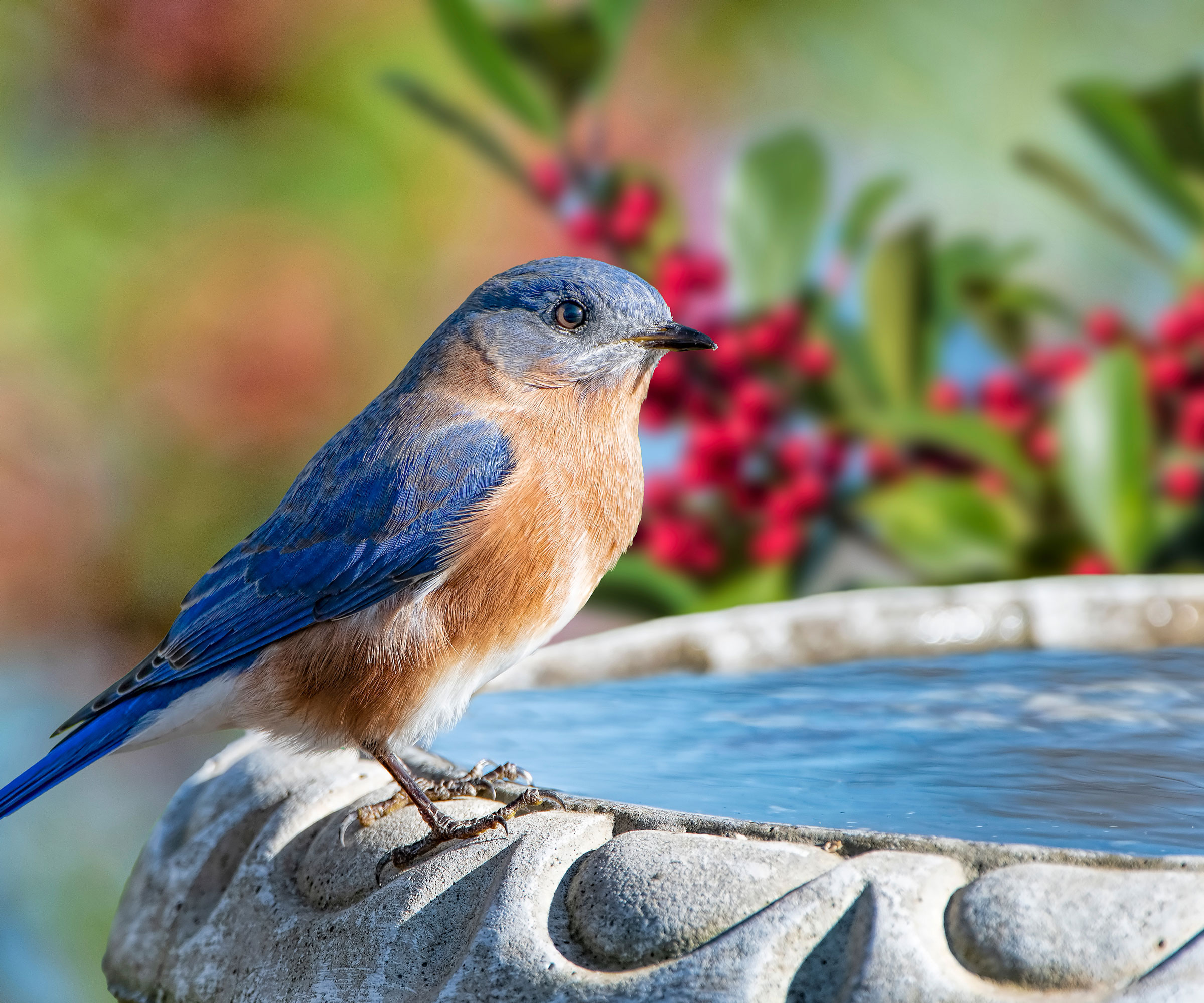
I think of that song whenever I change the birdbath in my backyard. The birds may have found plenty of berries and seeds, but the nearest alternative in my area is the Pacific Ocean – and salt water won’t do. That brings us to the second item on the list: setting out fresh water for wild birds in September and changing it regularly to keep it clean.
Clean water is essential for birds to drink and bathe in, particularly during molting season and migration, when they need to keep their feathers in good condition. If algae is a recurring problem, a Mellbree copper birdbath disk can help keep the water cleaner between changes, although it’s no substitute for regular cleaning.
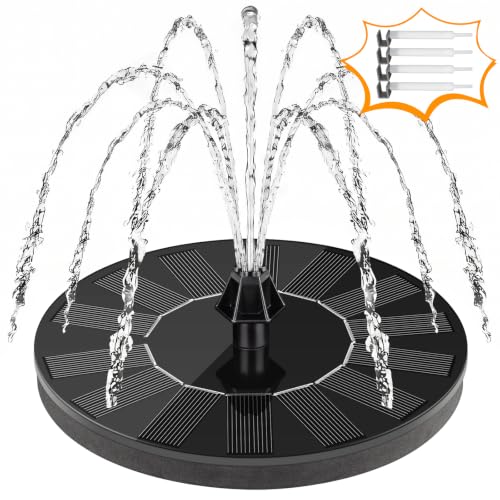
A small solar-powered birdbath fountain, like this best-selling Mademax 1W solar bird bath fountain pump from Amazon can add gentle movement to the water, helping birds spot the bath and discouraging mosquitoes from laying eggs. It won’t replace regular water changes and cleaning, but it can help keep the water moving between visits.
3. Provide Warm Lodging
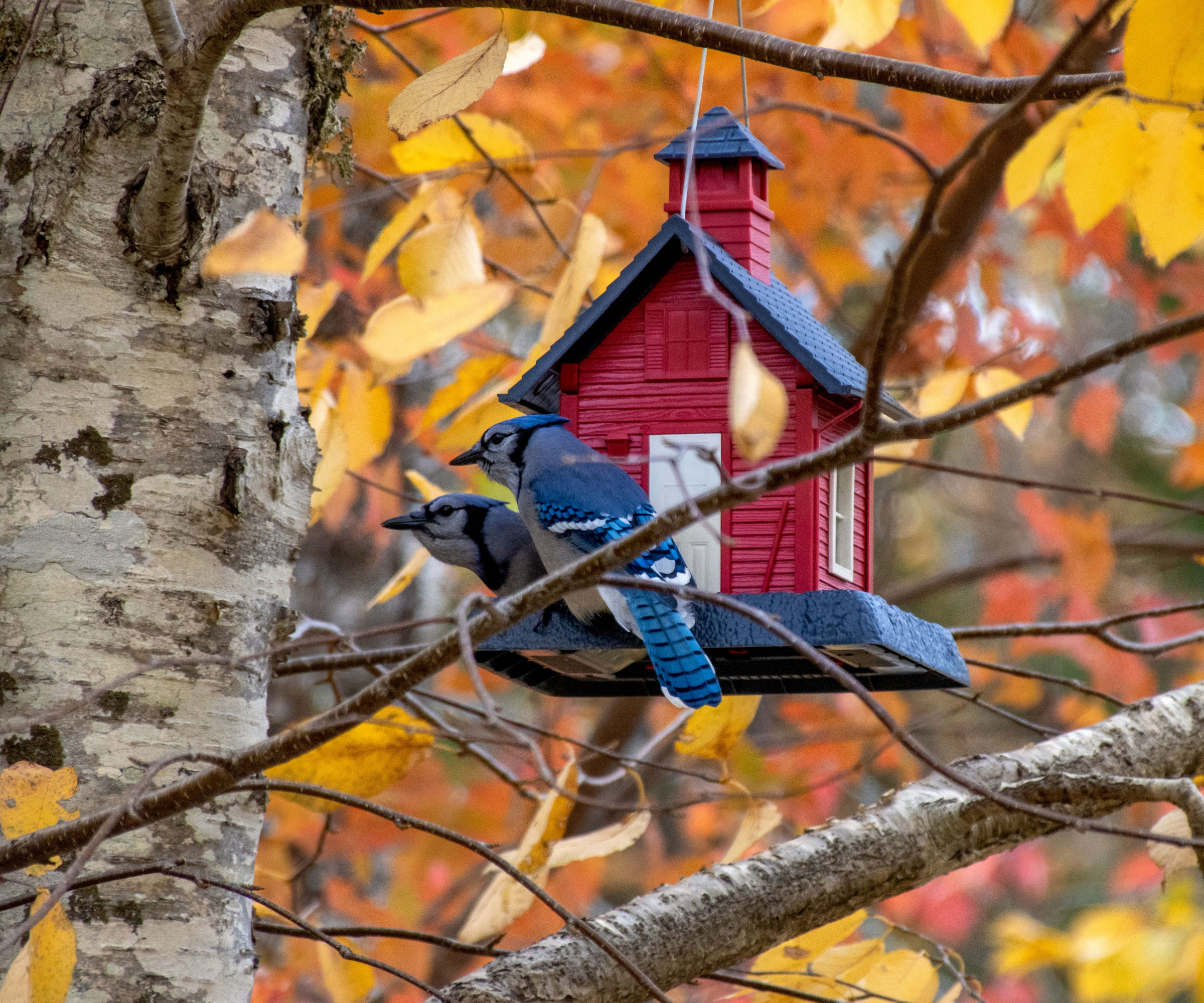
As the days grow shorter, the nights grow longer and cooler. Some birds seek dense plants for shelter or roosting boxes to protect them from cold, wind, and predators.
Your first step should be to clean out the shelter you’ve already set up for your feathered friends. Clear the summer nesting material out of these bird boxes. You don’t want parasitic bugs to make themselves too much at home. When they are clean, add a thin layer of wood shavings for insulation. You can also set up new roosting boxes with perches to make the birds at home.
If you want to see which birds are using the shelter without disturbing them, a Birdfy birdhouse with a built-in camera, lets you watch their visits from your phone and follow their activity remotely.
Help optimize the natural world at the same time by leaving leaf litter in place. Ground-foraging birds will take cover there. Create piles of brush from fallen branches and dried grass. Set these up in quiet areas to offer wind protection and a safe harbor from predators. Low hanging evergreen branches also offer dense protection.
4. Leave Native Seed Heads Behind
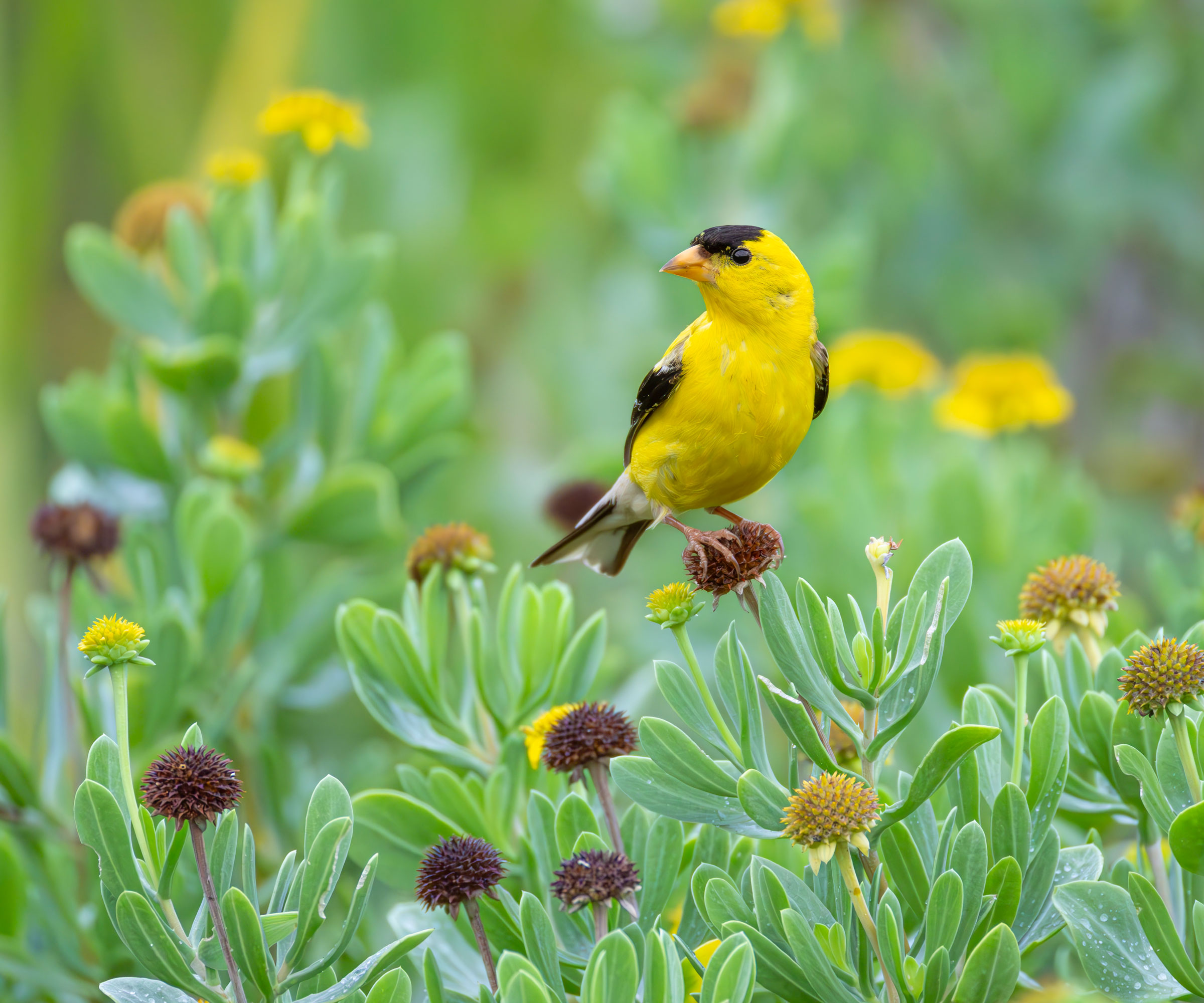
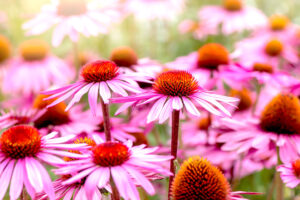
Sure, we all like a neat garden, but birds aren’t always pleased when you deadhead. Make the most of nature’s offerings by leaving late-blooming native seed heads intact, providing natural foraging opportunities. These can be vital food sources for wild birds passing through, as well as those that live in your neighborhood year-round.
Great plants with seed heads include coneflowers, black-eyed Susans, sunflowers, Joe-Pye weed, and ornamental grasses.
5. Clean Feeders Early and Often
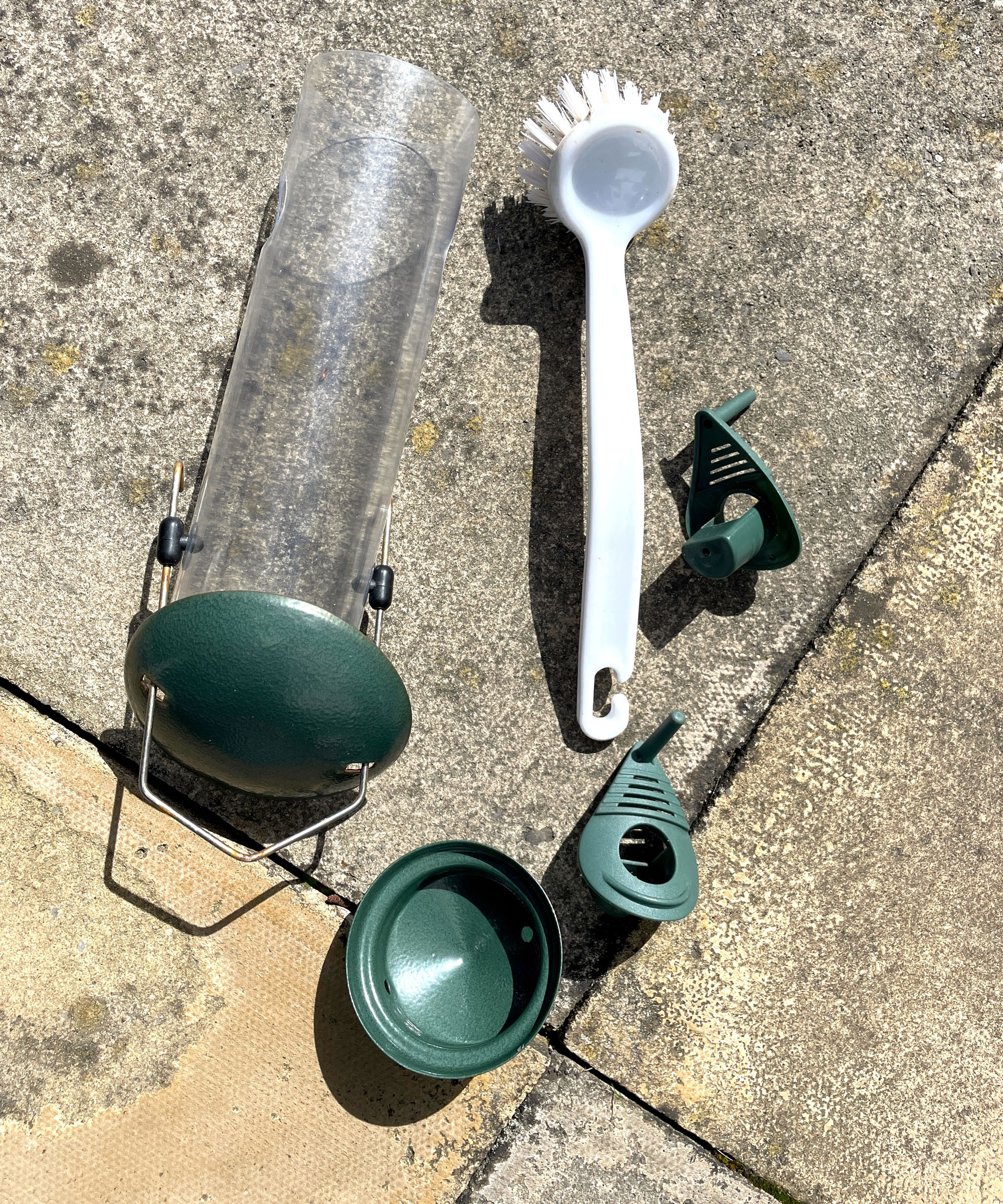
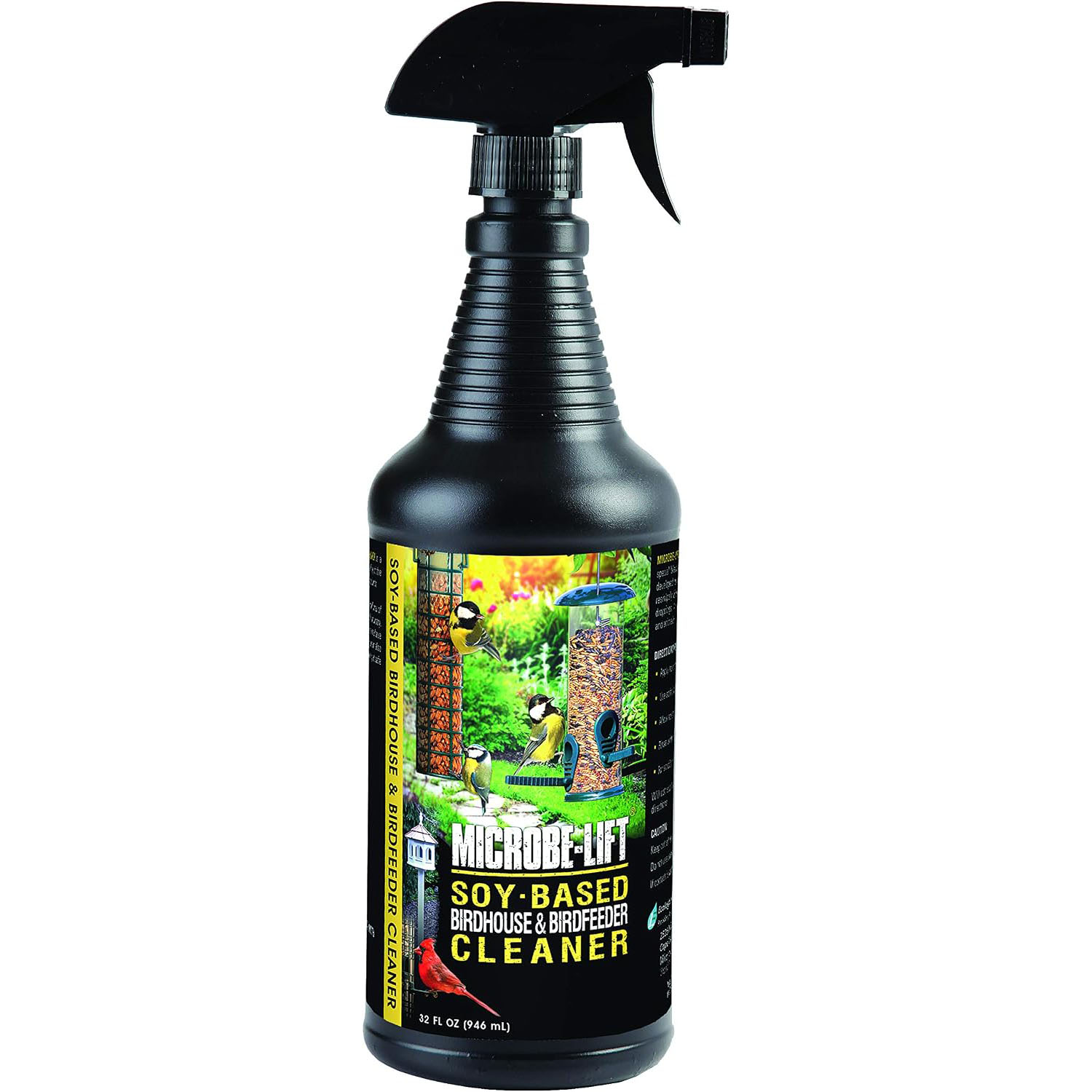
A dirty bird feeder can endanger the birds you’re trying to help by allowing mold, bacteria, and spoiled seed to accumulate. Don’t simply dump out the old seed and refill it. Take the whole feeder apart, remove any spoiled seed and debris, then clean bird feeders with a bird-safe product, such as this Microbe-Lift Soy-Based Bird Feeder & Bird Bath Cleaner Spray from Amazon, to loosen dirt and bird droppings. Rinse every part thoroughly and let it dry completely before refilling.
If you’ve seen sick birds at the feeder, follow this with a separate disinfection step using a suitable diluted solution, taking care never to mix cleaning products.
6. Keep Safety in Mind When Putting Up Feeders
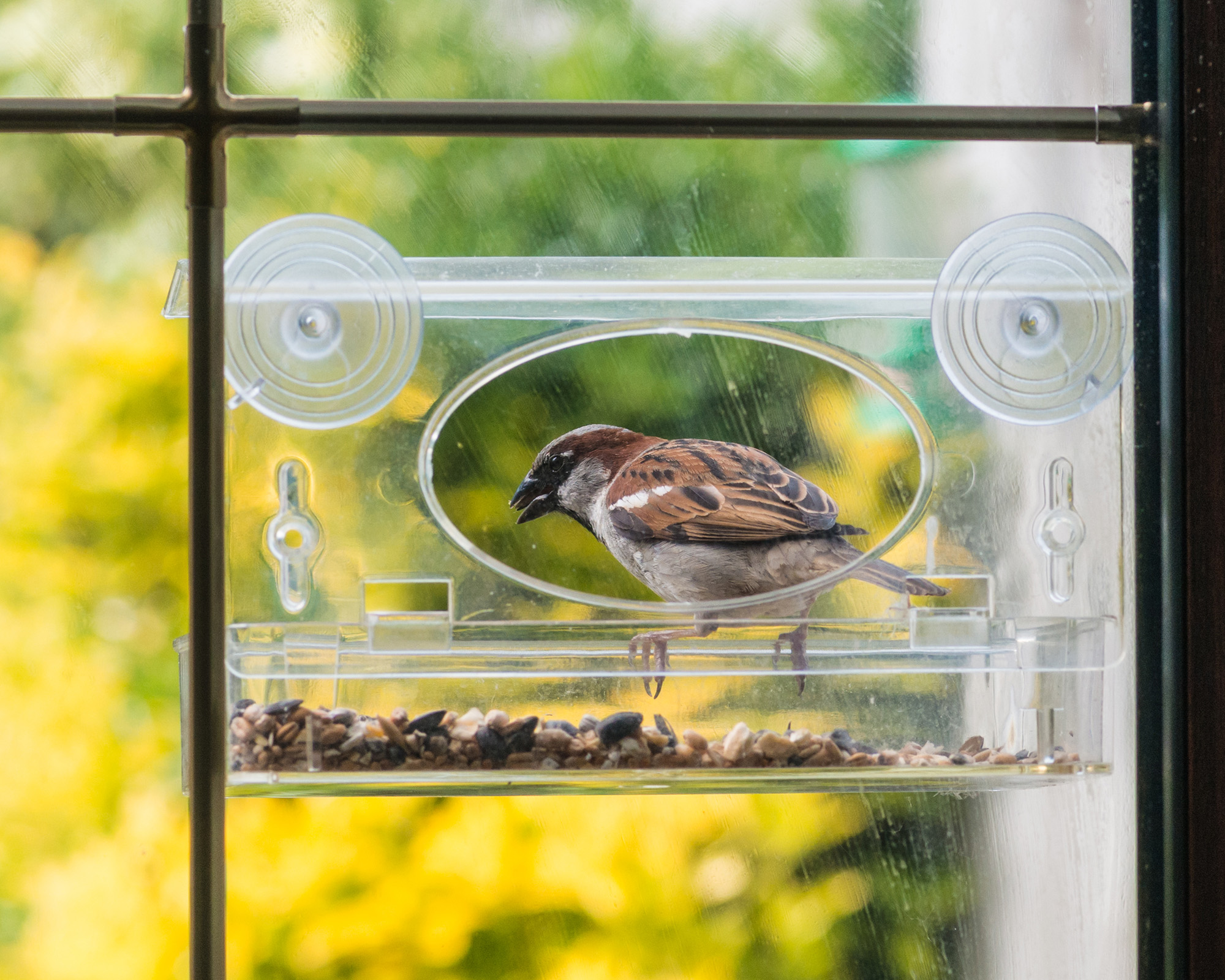
The idea of helping birds is to keep them happy, healthy, and safe. To accomplish that, you’ll need to position feeders and water dishes with care in September.
Position wild bird feeders in direct sun in fall. It’s better for them on crisp fall days. In addition, consider predators when choosing their placement. Keep feeders at least 10 feet (3 m) away from dense shrubs or trees, where predators may be lurking, and hang them around 6 feet (2 m) off the ground. Finally, avoid locations near high branches, rooftops, or fences that predators can use as launch points.
Then there are windows. Everybody knows how dangerous clear glass can be to birds. Keep feeders close to the window – within 3 feet (1 m) – or far away, more than 30 feet (10 m), to help avoid collisions.
If you have to place a feeder near a window, consider adding external bird-collision markers to the glass, like these Mesinurs decals from Amazon. These help birds recognize the window as a solid surface rather than open sky or reflected habitat.
September Bird Care Essentials