October through April is a long stretch for a vegetable bed to sit bare. Six cover crops worth sowing after the last harvest, each with its hardiness range and the beds it tends to follow best.
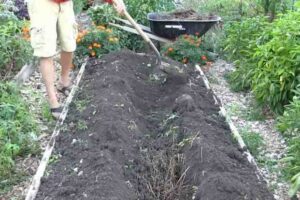
A cleared row in September looks finished. It isn’t. Whatever the tomatoes or the sweet corn pulled out of that ground is gone for good. Rain keeps working on what’s left through the cold months too, packing the surface and pushing nutrients past the root zone.
Cover crop planting handles most of that for the price of a seed bag. Living roots keep soil microbes fed when there’s nothing else down there to eat, and the top growth goes back into the ground come spring. Different crops do different jobs, though. One fixes nitrogen while another drills through hardpan. Matching the crop to what it follows is where the payoff sits.
Cover Crops Worth Sowing After the Harvest
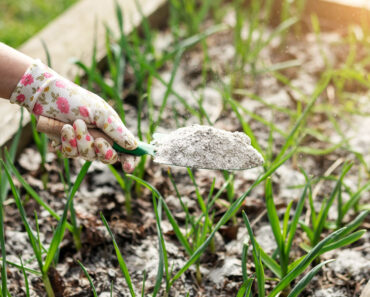
Sowing runs about the same for most of these. Clear the spent plants, scratch the surface open, broadcast by hand, then cover the seed and water it in if the forecast looks dry. A steel bow rake from Amazon buries seed better than a leaf rake will. Timing matters more than the seed choice, so count backward from the average first frost date.
1. Winter Rye
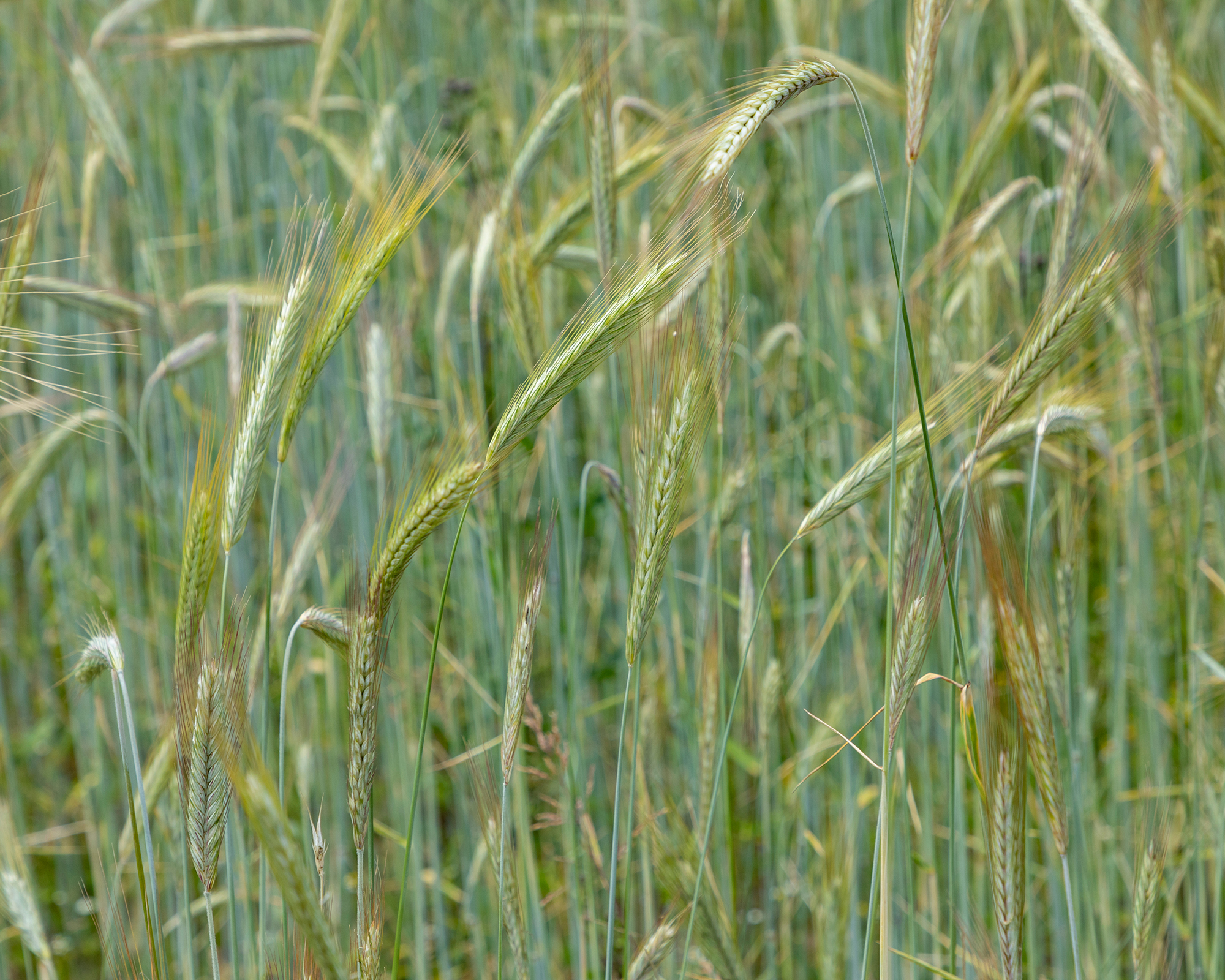
Nothing else germinates as late as winter rye, also called cereal rye. Winter rye comes up in soil as cool as 34F (1C), which buys extra weeks when the peppers hang on into October. It overwinters clear to zone 3. And it’s the roots you’re paying for, not the top growth — a dense fibrous mass that holds a loose bed together through freeze-thaw. Rye also puts out compounds that suppress small-seeded weeds, useful after a weedy squash patch. That same chemistry can stall carrots or lettuce sown too soon, though. Give it three or four weeks. Cut it low with a hand sickle from Amazon before the seed heads push up. Heirloom winter rye seeds can be purchased from True Leaf Market in small or large quantities to suit your needs.
2. Crimson Clover
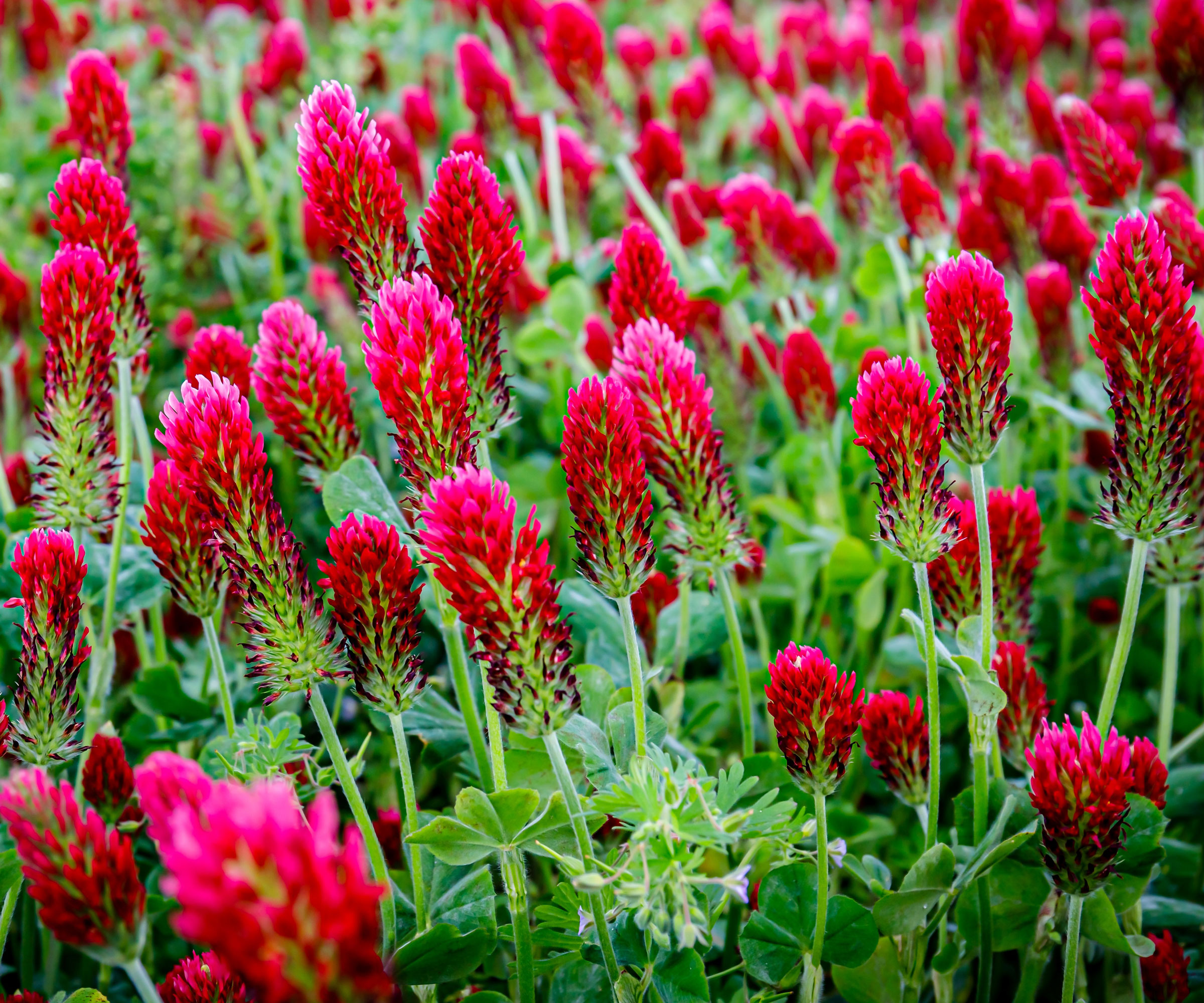
Six to eight weeks ahead of the first hard freeze is the window for planting, here. Sown later than that, crimson clover comes up thin and winter takes it. Given the head start, it overwinters as a winter annual through zone 6. Nitrogen returned by spring bloom can land near 70 to 130 pounds per acre (78-146kg per hectare). Sweet corn and brassica patches both leave the ground hungry, so either one makes a sensible landing spot. April flowers earn their keep on top of that — crimson spikes covered in bees, right when little else is open. Heirloom crimson clover seeds can be found at True Leaf Market and will keep weeds at bay through the winter.
3. Hairy Vetch
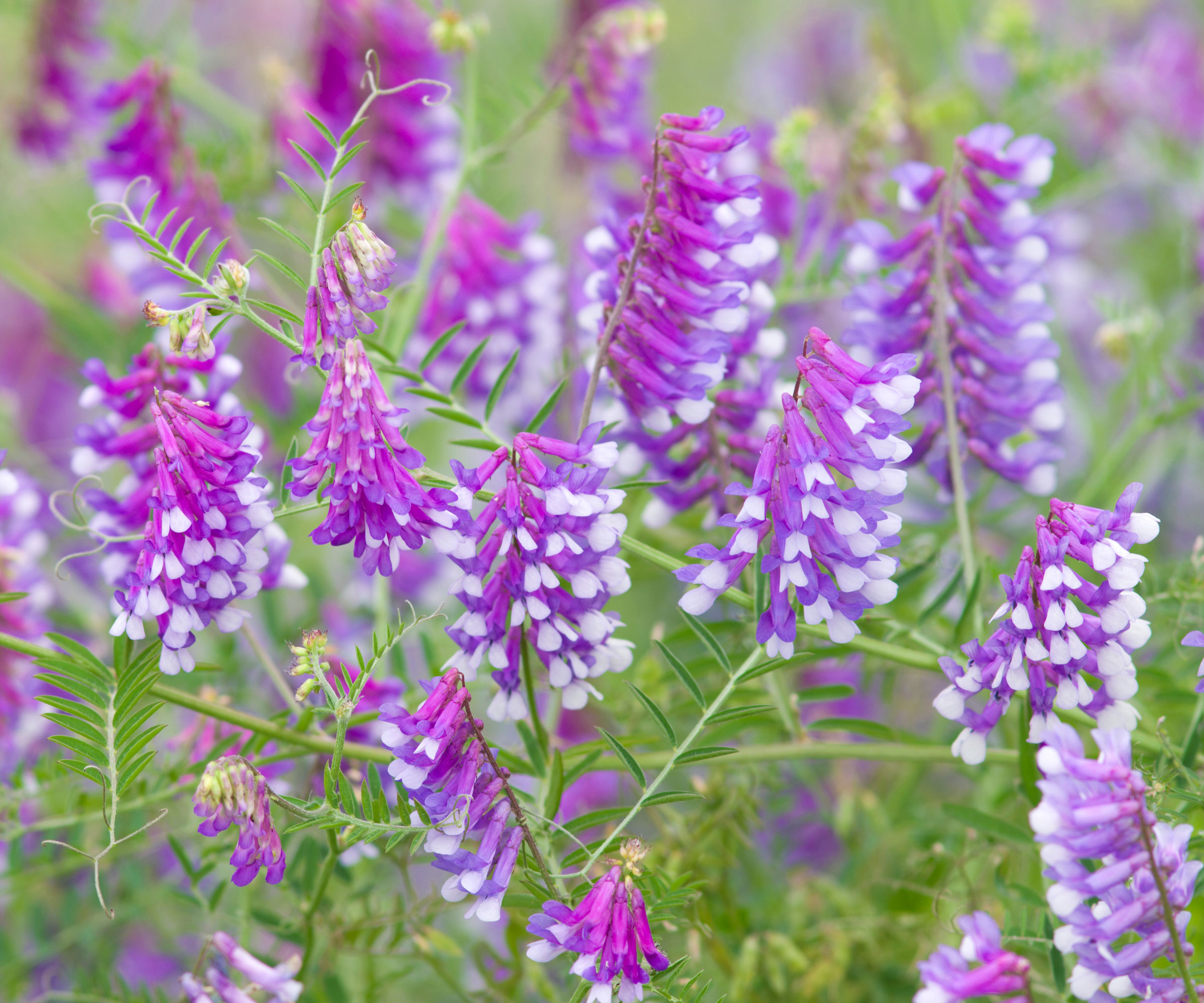
On its own, hairy vetch sprawls into a mat that’s miserable to cut. Sown alongside rye it climbs the stems instead. The pairing covers two jobs at once, nitrogen from one and structure from the other. Hardiness runs to zone 4 under snow cover, dependable up to zone 8. Broadcast them together at close to even weight, then rake in about an inch (2.5cm) deep. Tomato beds are the classic use, with decades of trial work showing better yields and slower foliar disease where tomatoes go into mowed vetch residue. The catch is reseeding. Let it mature and volunteers could turn up for years, so terminate at early bloom. Find hairy vetch seeds at True Leaf Market.
4. Daikon Radish
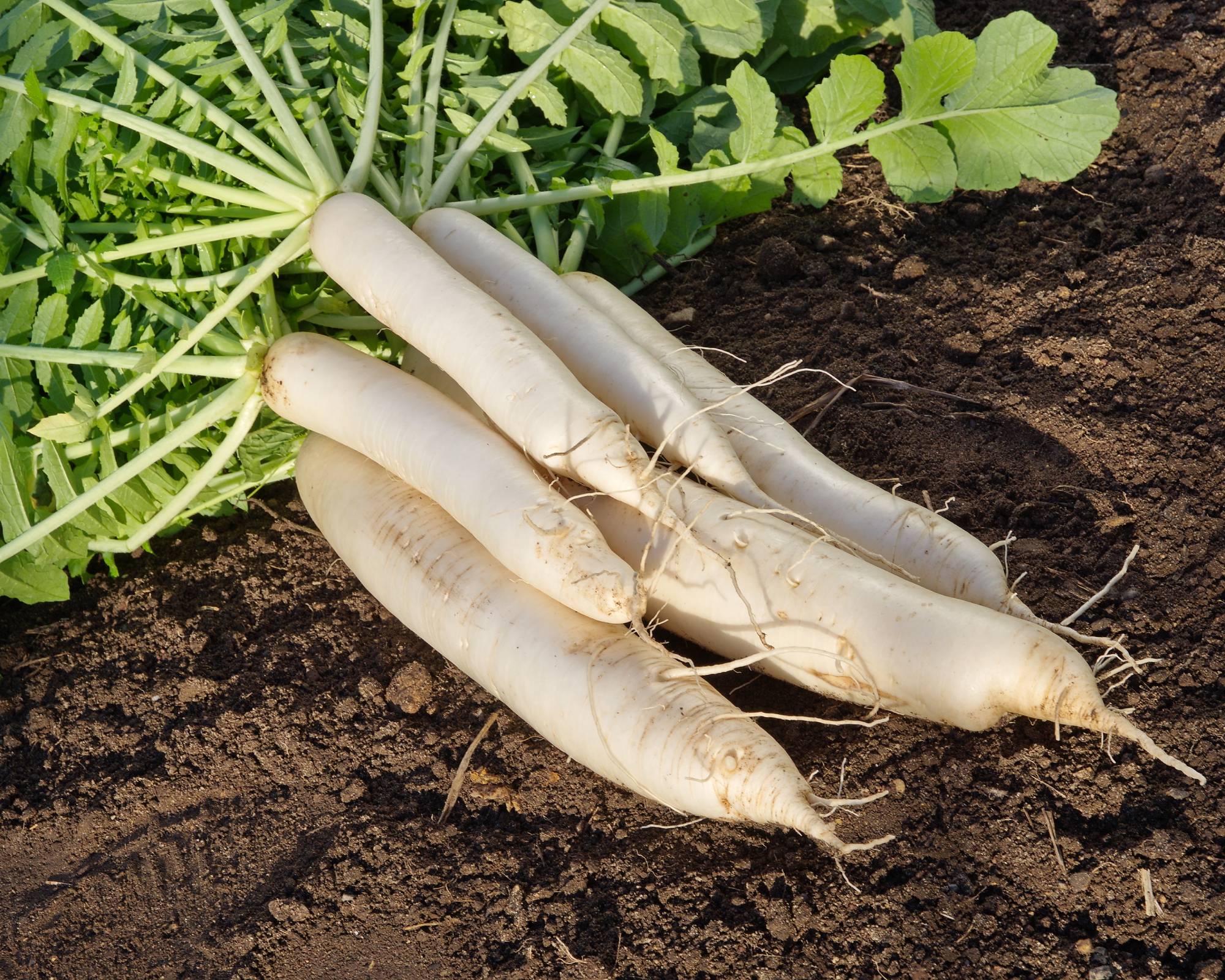
Daikon radish taproots drop 10 to 14 inches (25-36cm) into decent ground, sometimes deeper, punching channels through the compacted layer under a hard-worked plot. Then it dies. Anywhere temperatures settle near 20F (-7C) the plant winter-kills and the root rots in place, leaving the holes behind and nothing to terminate in spring. Sow six to eight weeks before frost. Seed goes shallow, a half inch (1cm) at most. Skip it where cabbage or kale just came out, since daikon is a brassica itself and stacking brassicas invites clubroot. You can find bulk daikon radish seeds from Outsidepride on Amazon.
5. Buckwheat
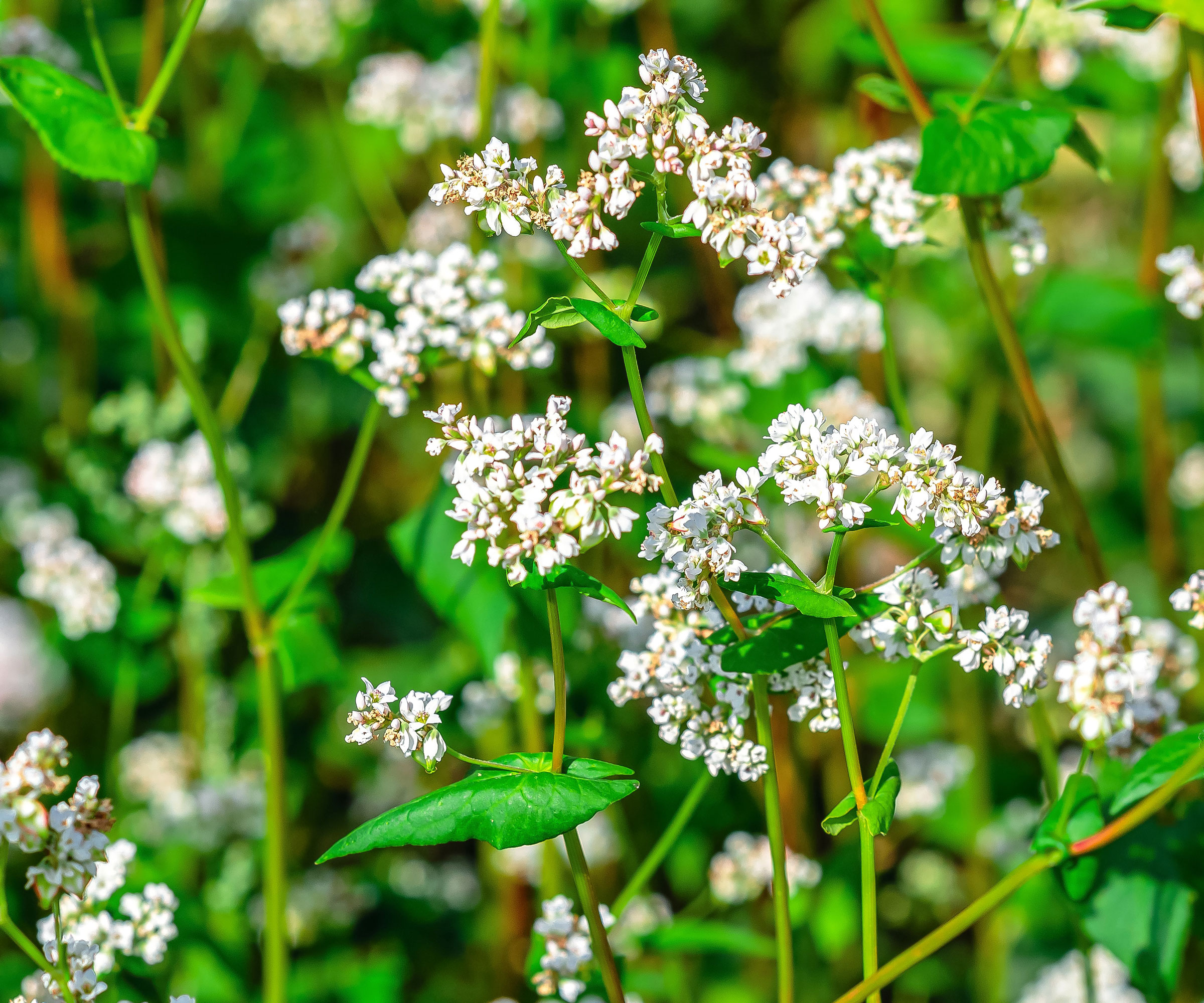
Beds that become free in July don’t have to sit empty until fall. Buckwheat shades the ground fast and flowers in 30 to 40 days. That leaves room for a full cycle before cool-season crops go in. It pries loose phosphorus that is bound up in the soil, then hands it back as the residue breaks down. Hoverflies and small native bees work the blooms hard, too. Frost finishes the plant, so treat it as a gap-filler rather than winter cover. Mow at first bloom, or smother the stand under a black silage tarp from Amazon for two weeks. Find buckwheat seed from High Mowing Organic Seeds and sow 45 days before first frost.
6. Lacy Phacelia
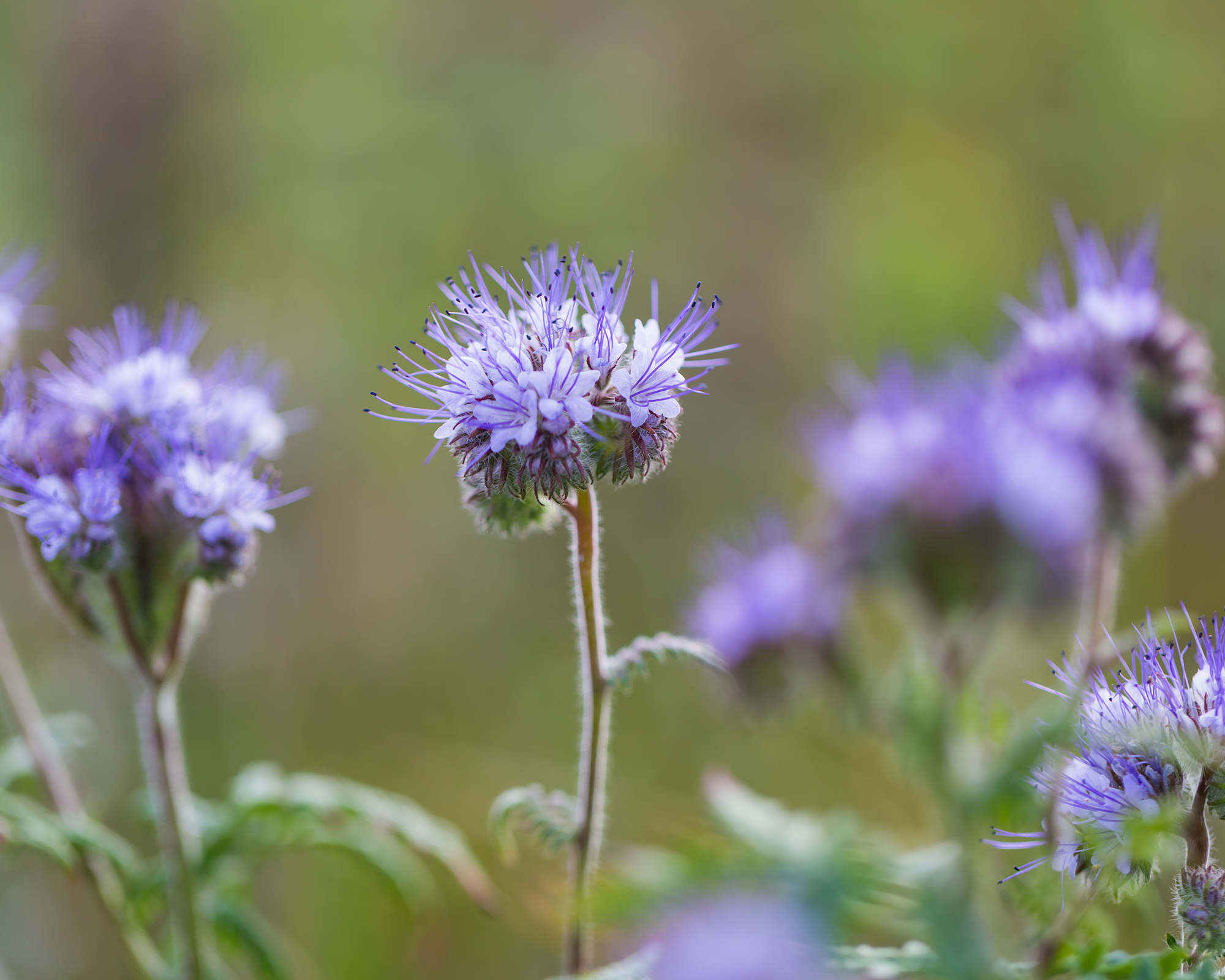
Native cover crops get recommended on principle. For soil work it only carries so far, since a root either opens the ground or it doesn’t. Above the bed is where native species pull ahead. Phacelia, native to the Southwest and northern Mexico, sits in the top tier of pollen plants for honeybees. Also called purple tansy, its roots catch nitrate that would otherwise leach away over the wet months. Winterkill lands near 18F (-8C), so most gardens sow in early fall and let the cold handle termination. Partridge pea covers similar ground east of the Rockies, a native annual that fixes nitrogen on its own. None of this has to be perfect. A patch with something green on it in January is already ahead of one sitting bare. Lacy phacelia seeds can be purchased from HadiahGarden on Etsy.