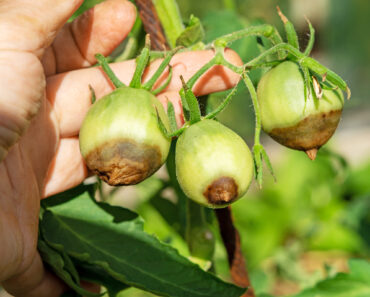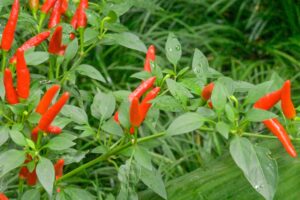
Bare stems with fruit still hanging on them make an alarming sight in the middle of August. The plant looks like it is dying. Peppers left behind start scalding in the sun without any canopy over them. Something is wrong, though the plant is rarely as far gone as it appears.
Most trouble with growing peppers this late comes down to four causes, and they leave different fingerprints. Where the shedding starts, what the fallen leaves looked like on the way out, and what the weather has been doing will narrow it down fast.
1. Heat
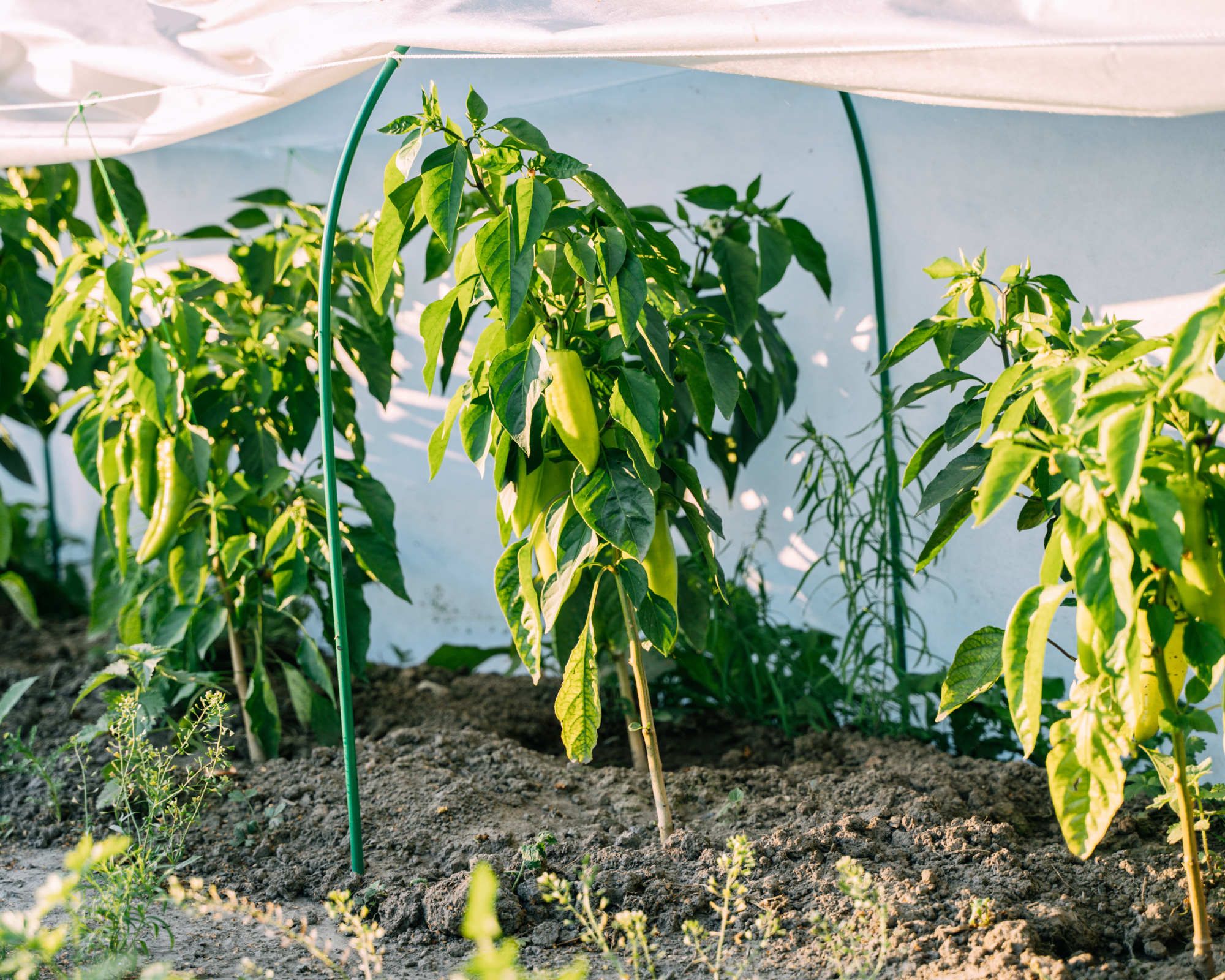
Peppers stop cooperating when days push past 90F (32C) or nights stay above 75F (24C). Pollen turns tacky at those temperatures and pollination fails. Pepper blossoms drop before they ever set fruit. Leaf loss follows as the plant sheds what it cannot keep hydrated through the afternoon. Wind through a hot spell makes it worse by stripping moisture faster than roots replace it. The tell is the order: flowers go first and foliage follows, not the other way around. A stretch of shade cloth from Home Depot over hoops takes the edge off a heat spike without cutting light enough to matter.
None of that is fatal. Plants that shed flowers through a hot spell start setting again once nights cool. That means early September across most of the country. Resist the urge to tidy up in the meantime. New fruit comes off wood the plant already has, and cutting peppers back hard in August leaves less of it to work with. The leaves still hanging on are shading fruit that would scald without them.
2. Water Swings
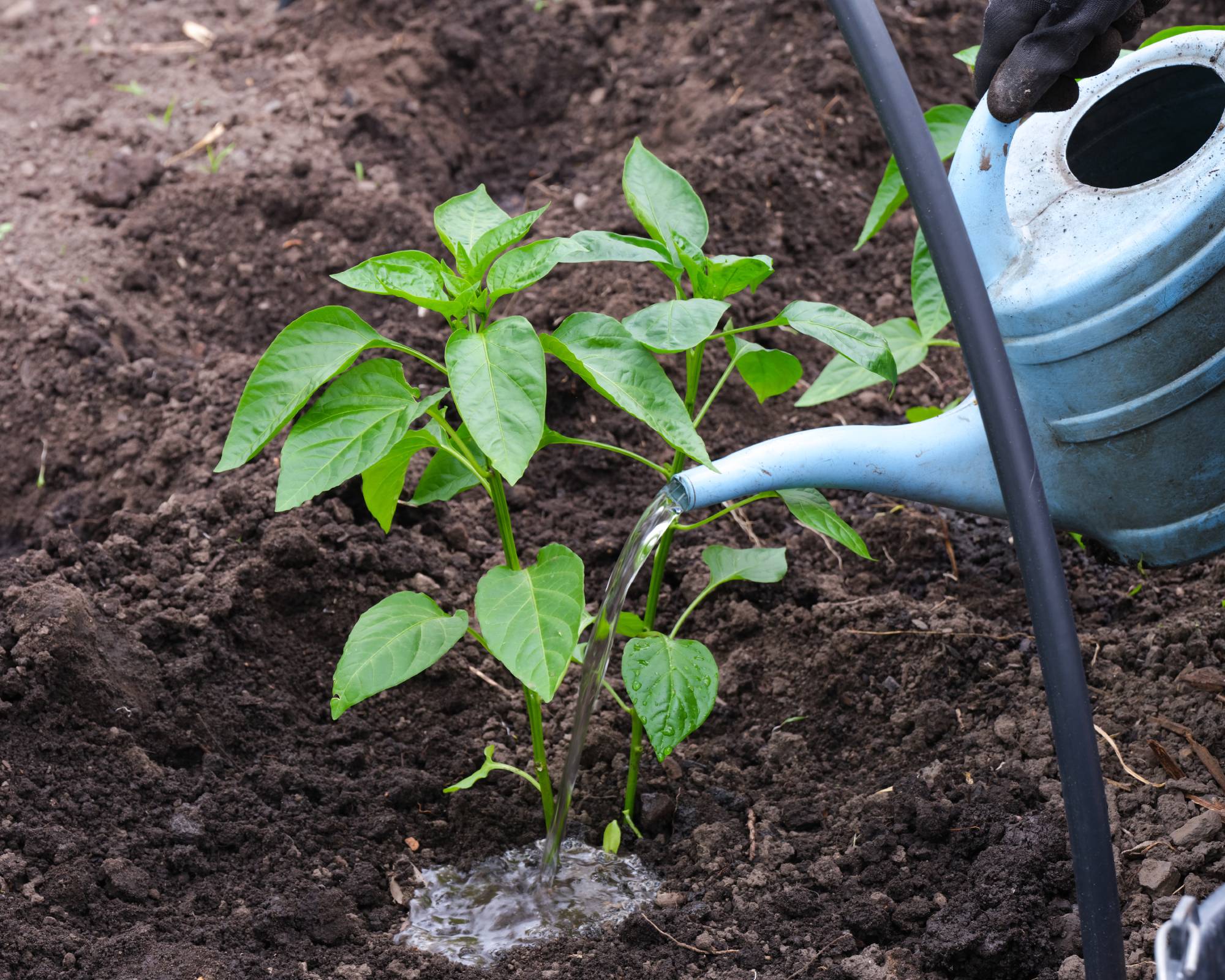
Erratic watering does more damage than watering lightly. Roots that go from saturated to bone dry and back lose fine feeder tips every cycle. The plant balances that loss by dropping leaves, lowest first, while the top stays green. Container peppers get hit hardest. A pot can swing from wet to dry in a single hot afternoon, where peppers in open ground shrug off a missed day. A soil moisture meter from Amazon pushed down near the root zone answers the question faster than poking a finger in the surface.
The fix is rhythm rather than volume. Water deeply on a schedule the plant can rely on. Mulch keeps the top few inches from swinging between extremes every day. Here is the confusing part. Overwatering yellows pepper leaves exactly the way drought does, since roots in saturated soil cannot pull oxygen either. Dig down and squeeze a handful. Soil that holds its shape and glistens is too wet, and soil that will not clump at all has gone past dry.
3. Nutrients
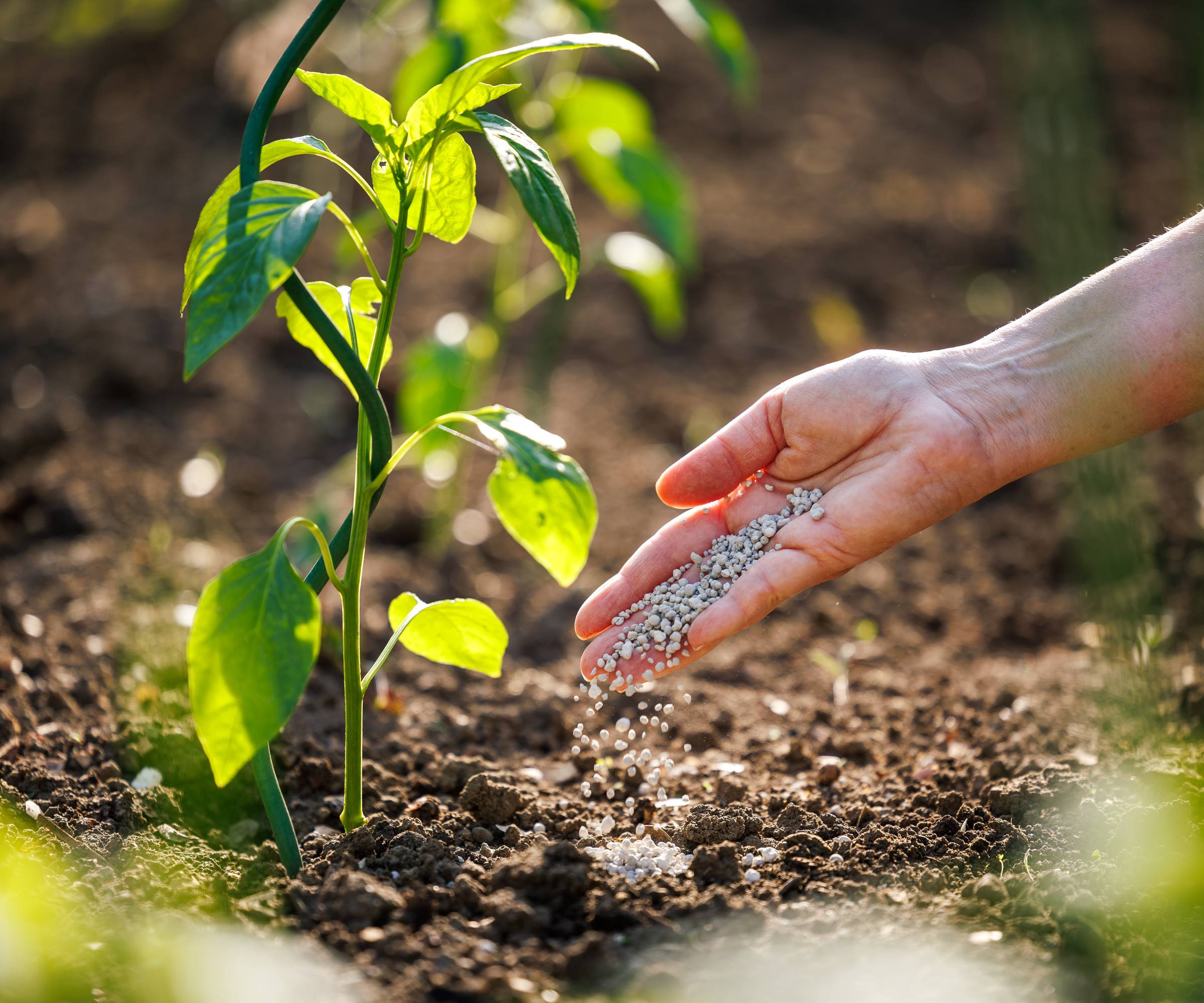
A heavy crop is a hungry crop. Peppers pull nitrogen out of older foliage and move it into ripening fruit. The lowest leaves pale first. They yellow, then they let go, while everything above them looks perfectly healthy. That gradient from the ground up is the signature. It tends to show right as the first fruit starts turning color. Nothing is diseased here, and the plant is doing exactly what you asked of it, just at its own canopy’s expense.
Feeding peppers lightly helps, but you should leave it at that. Too much nitrogen this late pushes soft growth that will not ripen before frost. High-nitrogen fertilizer is itself a documented cause of blossom drop, which turns one problem into two. Peppers draw heavily on potassium while fruit sizes up, which is the argument for leaning that way rather than skipping the feed altogether. Something balanced or potassium-leaning at half strength supports fruit already set without redirecting the plant back into leaf production. This one from Amazon is a good bet.
4. Disease
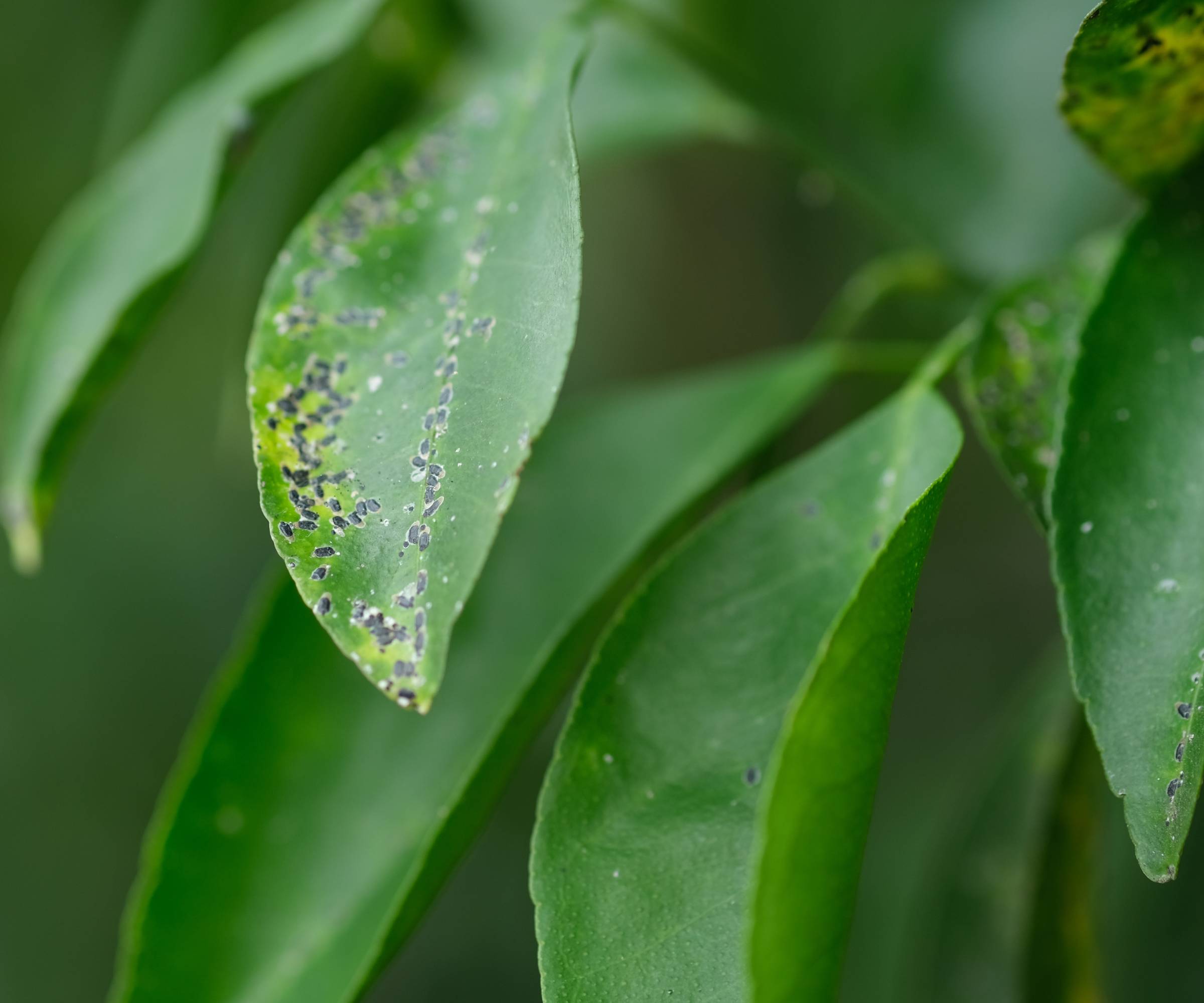
Two diseases spot pepper leaves in August, and the shape of the spot tells them apart. Bacterial spot begins as water-soaked flecks on the undersides of older leaves, darkening to brown or black inside a narrow yellow halo, with angular edges where a vein stops them. Cercospora, the fungal one, makes rounder lesions with pale tan centers and dark rims. Gardeners call it frogeye. The name explains itself once you have seen one. Either way the centers dry and drop out, the leaves go shot through with holes, and defoliation runs from the bottom up until the fruit is sitting exposed. A copper fungicide from Amazon slows both, so the diagnosis can wait until after the first spray.
Handling matters as much as spraying. Both travel on splashing water and on hands moving through wet plants. Stay out of the row until the foliage dries and water at soil level from here on. Neither has a cure once a plant is far gone. Pull the worst ones and keep the debris out of the compost. Clean seed and a resistant variety are the real answer next spring.