Late summer is a transition period in the garden. While many plants are still blooming and thriving, others are setting seed and preparing for the oncoming winter. Selective pruning now can help certain plants by managing unruly growth or even encouraging a second flush of flowers.
As a general rule, August is not the right time for heavy pruning on most plants. Focus on light maintenance cuts, deadheading, and strategic trimming to prepare these plants for winter.
Late Summer Pruning Tips
First, let’s revisit some pruning basics. Individual plants have their own needs, but these general rules will help you safely trim plants in late summer without encouraging too much tender new growth before colder weather arrives.
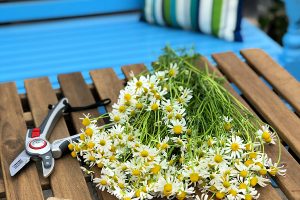
- Never prune with dull or dirty tools. Clean and sharpen your pruners or shears before you begin, as blunt blades can crush stems and leave ragged wounds, while contaminated tools may spread disease between plants. Bypass pruners are usually the best choice for making clean cuts through live stems. The Felco F6 Bypass Pruning Shears, available on Amazon, were rated the best pruners in our testing. To keep your blades performing well, use a Corona sharpener, also available from Amazon.
- Begin by removing the 3 Ds. That means removing dead, damaged, or diseased growth. These branches and stems can be taken out whenever you notice them, regardless of the season. Remove suckers and badly crossing or rubbing branches where appropriate, but avoid taking out large amounts of healthy growth at this time of year.
- Thinning or heading cuts? For most late-summer pruning, use thinning cuts rather than heavy heading cuts. Thinning involves removing a stem or branch at its point of origin to improve airflow and reduce congestion. Heading back shortens a stem to a bud or side branch, but it can stimulate fresh growth, so use it sparingly as fall approaches.
- Keep cuts light and purposeful. Focus on deadheading, tidying unruly growth, improving airflow, and maintaining the plant’s natural shape. Avoid hard renovation pruning unless the plant specifically benefits from it in late summer, and stop pruning early enough for any new growth to harden before the first frost.
Plants to Prune in August
August is not the time for widespread or heavy pruning, but a selective trim can benefit certain plants. These are some of the best candidates to prune now to control unruly growth, encourage fresh flowers, or prepare them for the season ahead.
1. Lavender
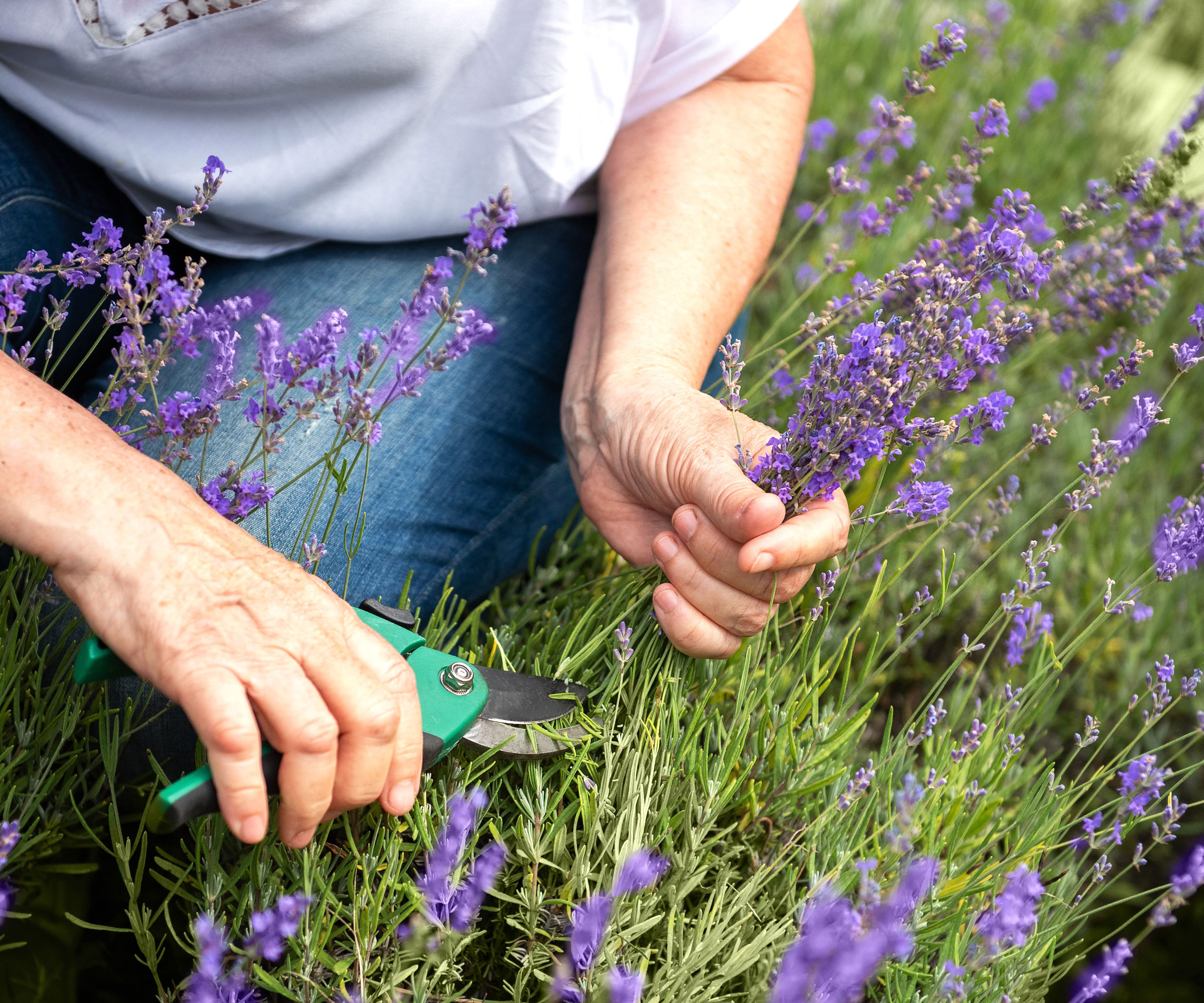
Lavender is a popular herb and small woody shrub prized for its delicate purple flowers, silvery foliage, and intoxicating aroma. It attracts pollinators and thrives in summer heat, tolerating drought conditions once established.
Lightly pruning lavender in August – after the final flush of flowers has faded – is a good way to maintain a tidy shape. In colder regions, do this early enough for any new growth to harden before your first frost date. If flowering continues late into the season, remove only the spent flower stems and wait until spring for shaping.
Otherwise, cut back the leafy green growth by no more than about one-third. Don’t cut into older, leafless woody growth, as it may not resprout.
2. Wisteria
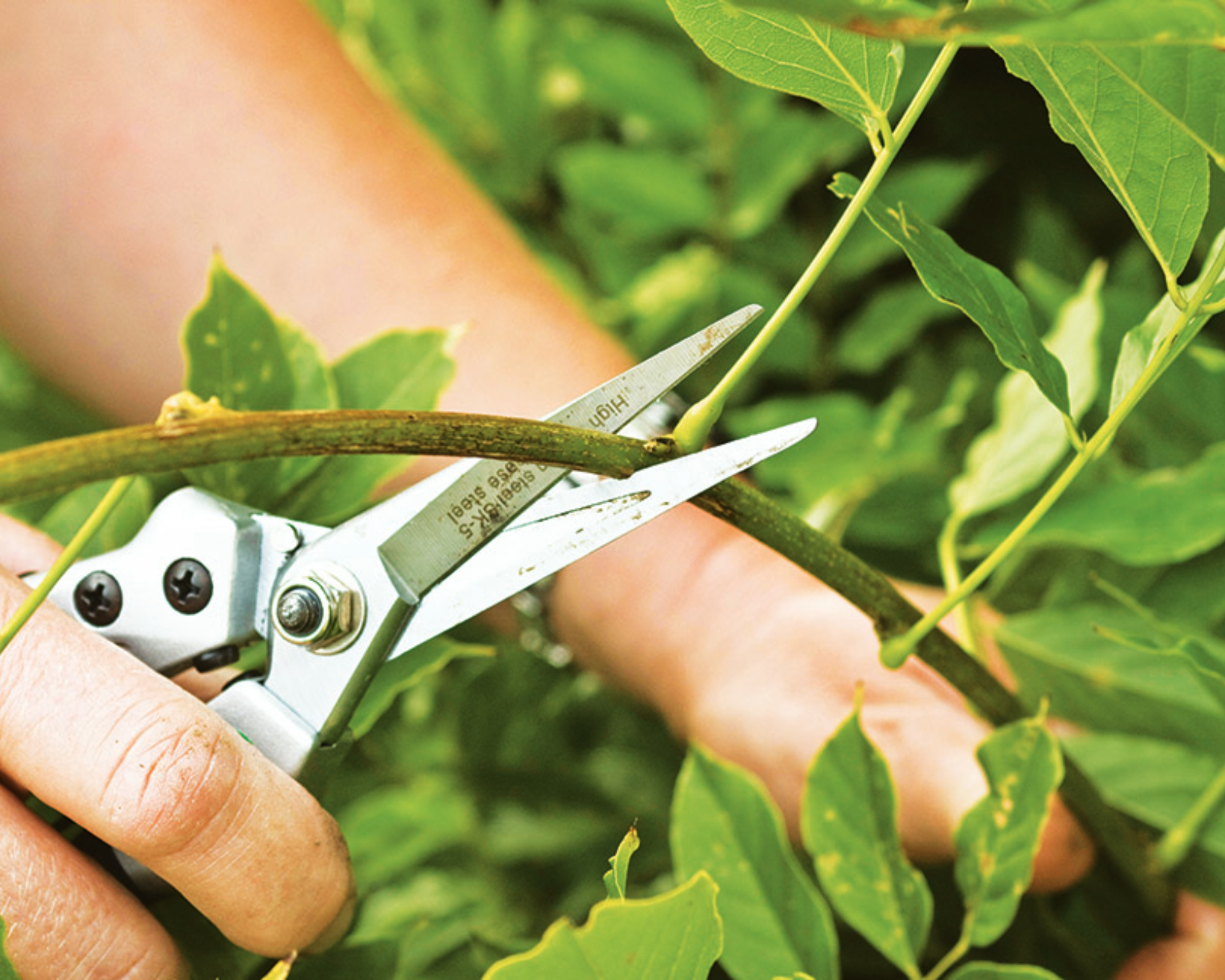
Wisteria is a beautiful vine that blooms abundantly with hanging clusters of lilac-blue flowers. It’s great for covering arbors and pergolas and can also be trained into a small tree form. Due to being an extremely vigorous, fast-growing plant, wisteria requires twice-annual pruning to manage: once in late summer and again in winter.
To prune wisteria in summer, wait until the vine is finished blooming and then trim back the long, whippy shoots produced that year to about five or six leaves from the main branch. This controls its spread and encourages flower-bud formation. Leave selected shoots longer only where they are needed to extend the plant’s framework, and remove suckers at the base. In winter, shorten the same shoots again to two or three buds.
For tall wisteria, rather than balancing on a ladder, try a telescopic pole pruner, like Fiskars’ 2-in-1 Extendable Tree Pruner and Pole Saw.
3. Rambling Rose
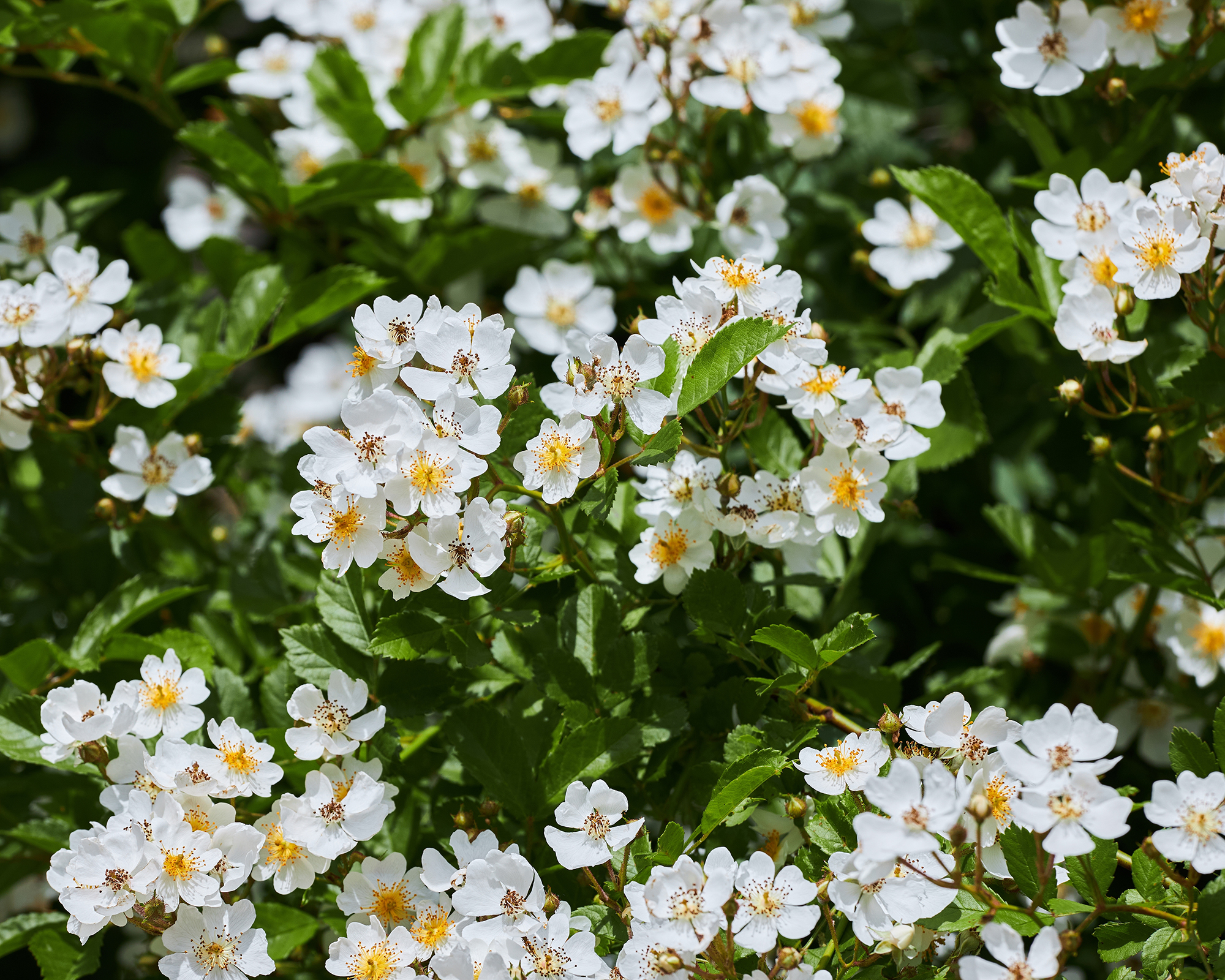
Rambling roses are climbing shrubs rather than true vines. They produce long, flexible canes that can be trained to grow up and over arbors, fences, walls, and other structures. Most are single bloomers, producing a spectacular flush of abundant blooms in early summer.
Late summer, after flowering, is a good time for routine rambling rose pruning. Remove dead, damaged, or diseased growth first. Then, remove about one in three of the oldest stems at ground level. Trim back the newer green growth a little and tie these canes to the support structure to keep them safe and healthy for next year.
4. Tomatoes
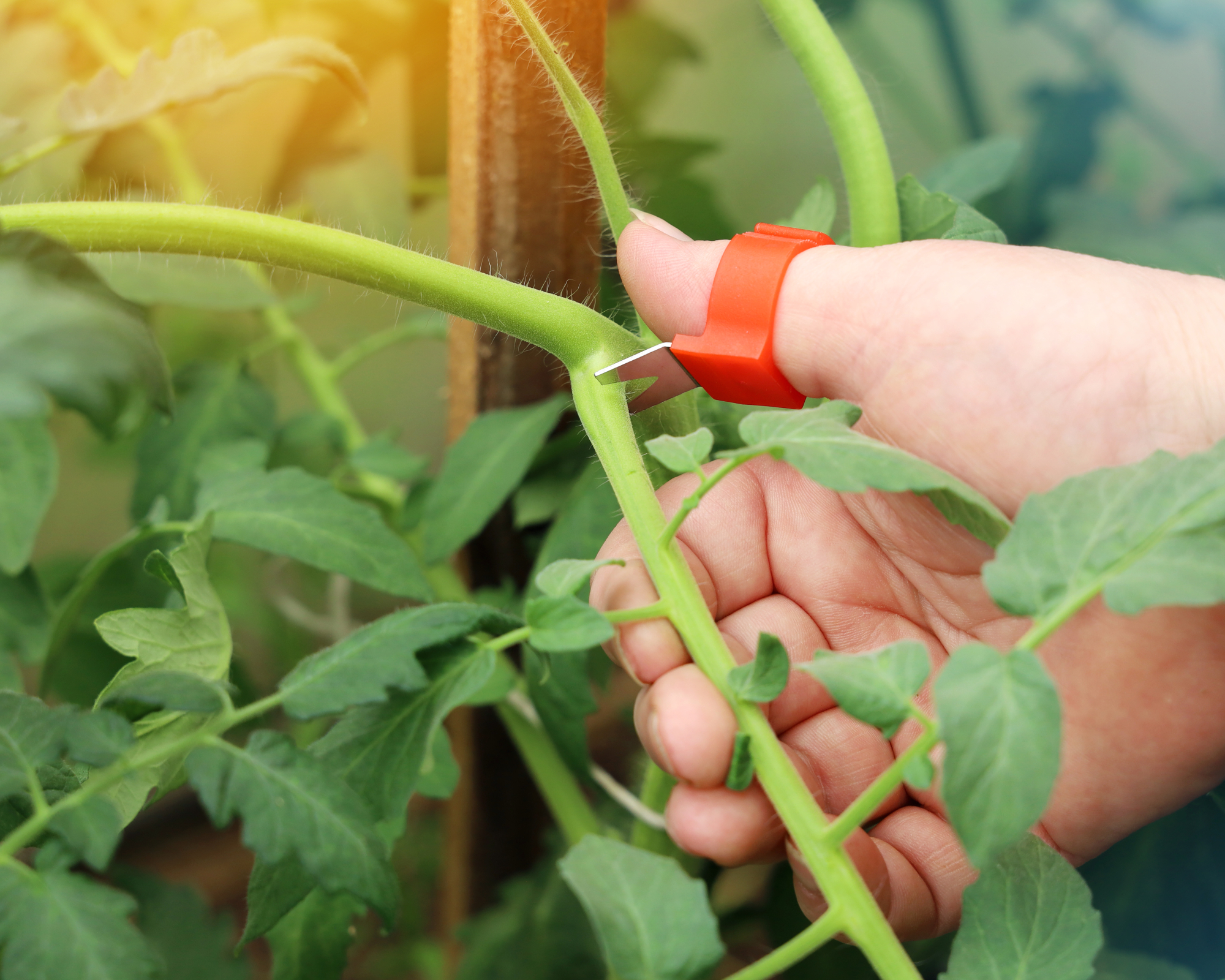
By August, all the hard work you have put into your tomato plants should finally be paying off with ripe fruits you can harvest until early fall. On the other hand, August is when indeterminate tomato plants can start to get a little unruly. Instead of just letting them go, a quick tidying prune now helps prevent disease and may lead to better fruit. Determinate varieties, however, generally should not be topped or heavily pruned because they produce a fixed crop.
To prune tomatoes, start by removing lower leaves that are touching the soil, along with yellow or diseased foliage. Thin dense upper foliage only where necessary to improve airflow, and remove suckers from indeterminate varieties. A thumb knife, like this one from Amazon, makes pruning tomato plants quick and easy.
About five weeks before your area’s expected first frost, remove new flowers, newly set fruit that will not have time to mature, and excessive new growth. Blooms opening later than this are unlikely to produce ripe tomatoes before frost, so removing them allows the plant to concentrate on fruit already developing.
5. Summer-Blooming Perennials
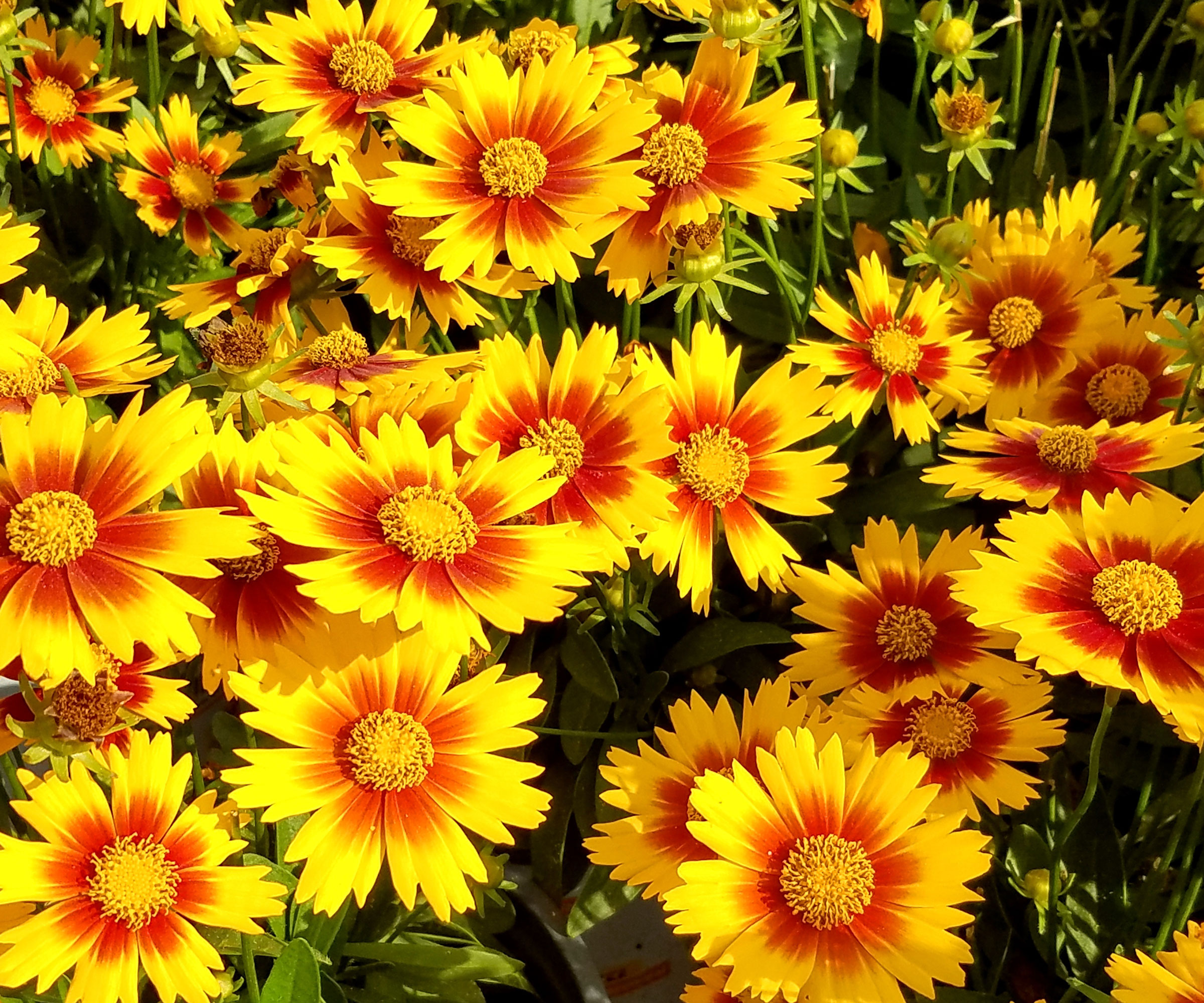
Many summer-blooming perennials look ragged and tired by August. Some declining herbaceous perennials that have finished flowering can be cut back to near ground level, but this treatment is not suitable for every plant. Trim back dead, yellowing, or diseased stems on plants that are still flowering. You can leave some flowers in place to develop seed heads to feed wildlife. Coneflowers and black-eyed Susans are particularly useful for this purpose.
Some of your perennials may flower once more if you trim them back in August. Coreopsis and catmint are good examples. Cut coreopsis back after its first display and shear catmint by about one-third to one-half once it finishes flowering. Deadhead spent flower spikes on perennial salvia and delphinium for a chance of more late-season blooms. With garden phlox, deadheading is more likely to extend the display and prevent unwanted seedlings than to produce a distinct second flush.
6. Herbs
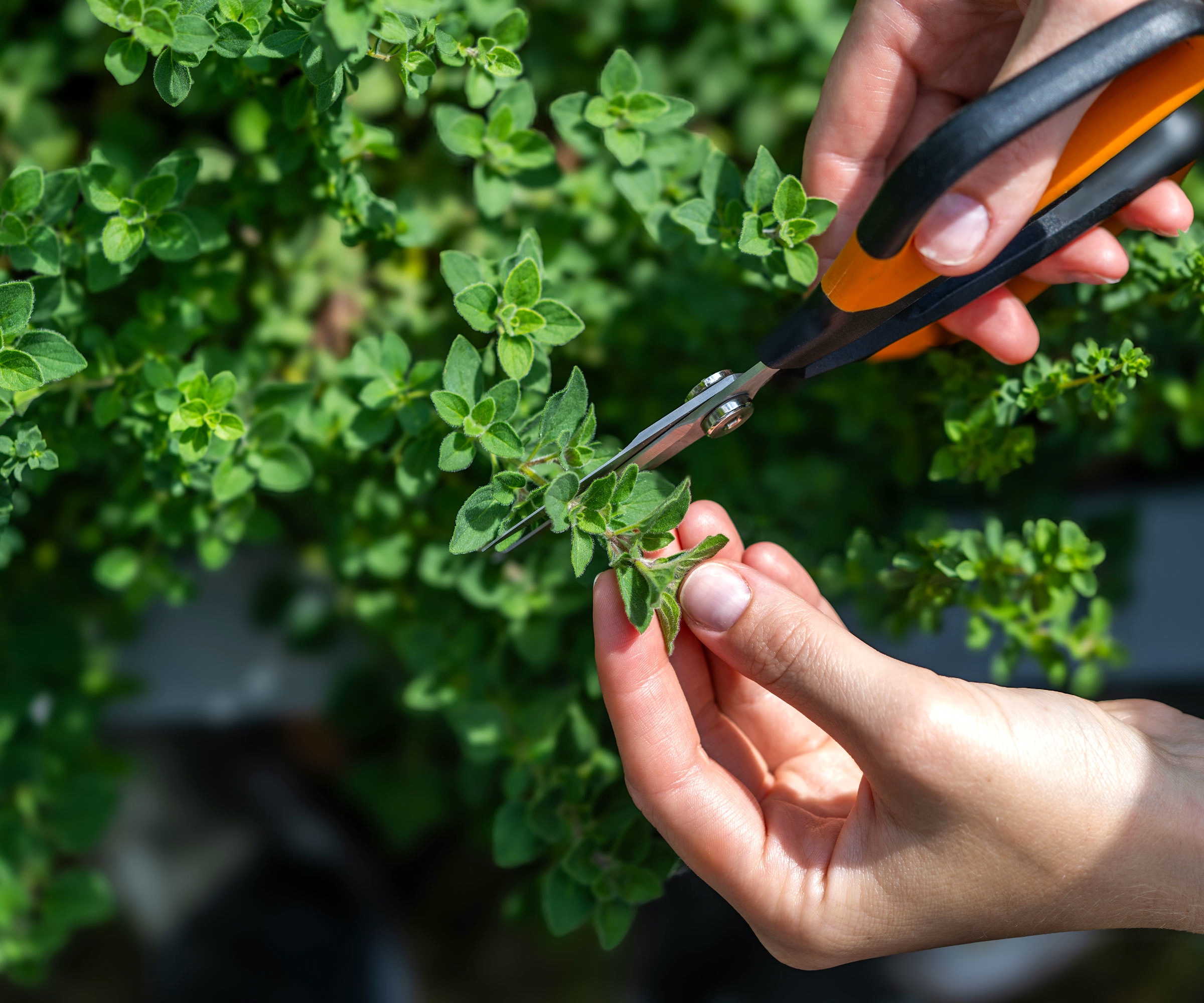
Many leafy herbs benefit from regular harvesting in late summer, but avoid a hard cut on woody or perennial herbs as fall approaches. Oregano, mint, marjoram, and sage can be harvested or lightly trimmed, but remove no more than about one-third of a perennial herb’s growth at one time. This can encourage fresh leaves for a fall harvest without stimulating excessive tender growth before cold weather.
Many culinary herbs have their best flavor just before flowering, and leaf production often declines once they bloom. Deadheading spent flowers can encourage continued leaf production in many leafy herbs, although you may want to leave some flowers for pollinators or seed collection. In general, it’s a good idea to harvest your herbs throughout the growing season, both so you can use them and so that they continue putting out healthy growth.
Essential Pruning Tools
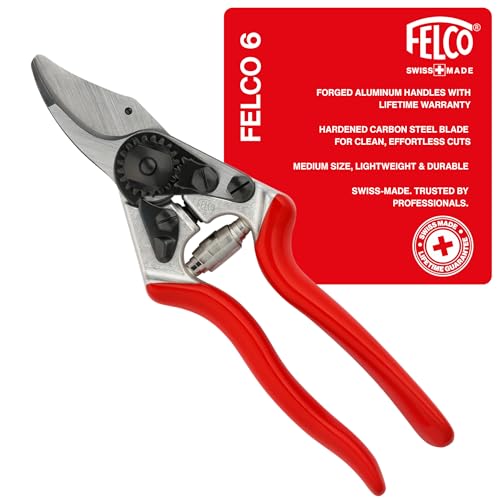 Our Top-Rated Pruners
Pro gardeners can’t get enough of Felco pruners – and these scored top in our testing.
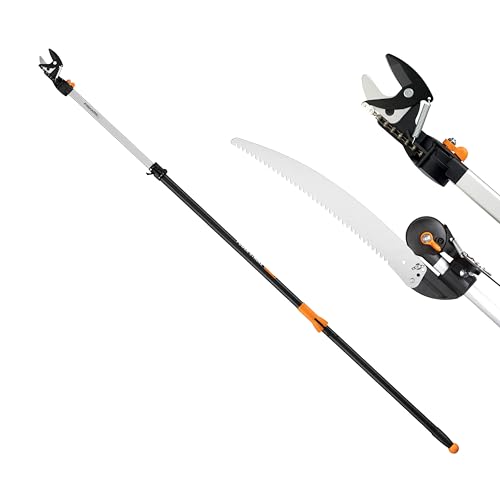 Long Reach
This telescopic tool is brilliant for trimming trees and tall climbers – no ladders required.
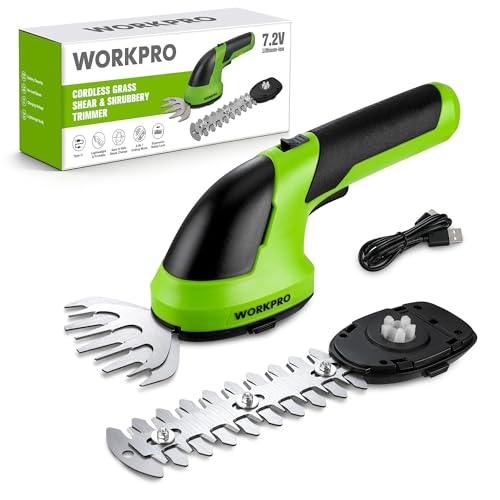 Handy Hedge Trimmer
This handheld powered hedge trimmer makes tidying up shrubs a breeze.
What Not to Prune in August
The above plants can benefit from a light to medium trim in August, but some plants should be left alone at this time of year. In particular, avoid pruning most spring-flowering shrubs in August. Many have already formed the buds that will produce next year’s flowers, and pruning now may remove them. Also avoid giving evergreens more than a light trim, as new growth stimulated late in the season may not harden sufficiently before winter.
For plants that benefit from an August trim, use a light hand, work with clean, sharp tools, and focus on shaping, deadheading, and removing damaged growth. Too much pruning can trigger tender new growth that may be damaged by cold weather.