Woohoo! The very first dahlia blooms are freshly out and damn, aren’t they gorgeous? But July is not the time to sit back, relax and enjoy the display. July is a hard-working month for dahlia plants, and how well you look after them now determines how many flowers you get, how fabulously big they grow, and how long into fall the display lasts.
In July, dahlias are busy growing stems, leaves, flowers and buds, which uses up a heap of energy and moisture. They’re also dealing with long, hot days – and while all that sunshine fuels growth, high temperatures stress the plants. There’s no telling how long the current heatwave will last for, making these vital July gardening jobs to keep dahlias happy and healthy all the more important.
Why? Because while your dahlia plants will probably go ahead and flower for the next month or so, even with minimal care, they’ll quickly give up blooming once the first flush is over. Nurture your plants in July, however, and they’ll continue flowering into fall with far bigger, more beautiful blooms. Thanks to this summer’s heat, many dahlia varieties are already flowering with deeper, more intense colors this year. So, take care of these vital gardening jobs in July and this could be your most spectacular dahlia display, ever. Here’s what to do with dahlias in July…
1. Water Deeply
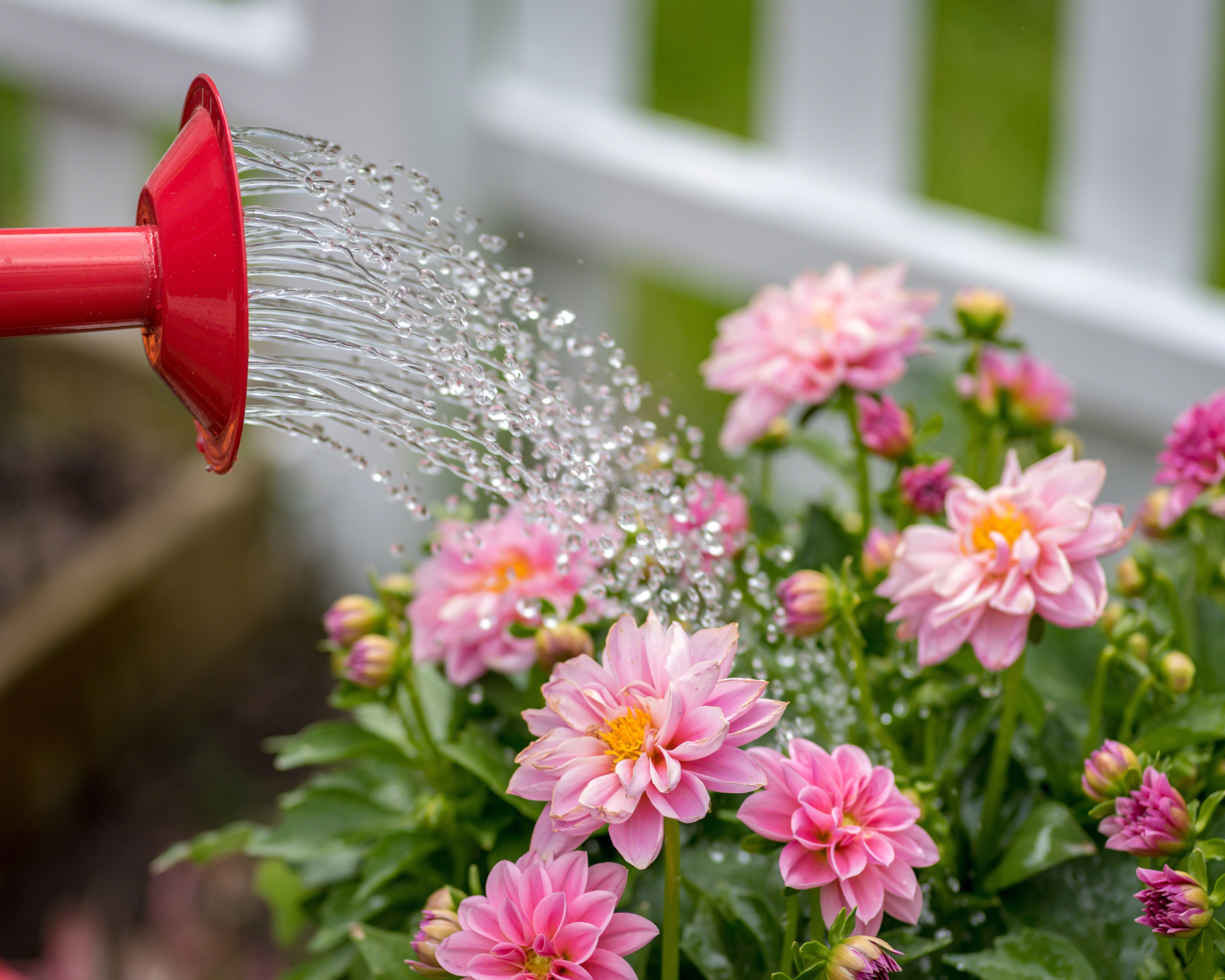
When it comes to what dahlias need in July, moisture tops the list. While it’s important not to overwater newly planted tubers as they can easily rot, now your plants are established they need plenty of moisture. In the peak of summer, if there’s no rainfall, you need to be watering dahlias growing in the ground around three times a week. Container-grown dahlias are likely to need watering daily or, in extreme temperatures, twice a day.
Water the soil at the base of the plants, rather than the plants themselves, to prevent fungal issues. Opt to irrigate first thing in the morning and you’ll reduce evaporation so more of that precious moisture reaches the roots. If your mulch is thinning by midsummer, you may also want to consider re-mulching to lock that moisture in the ground. It’ll keep those tubers a little cooler too.
2. Fertilize Regularly
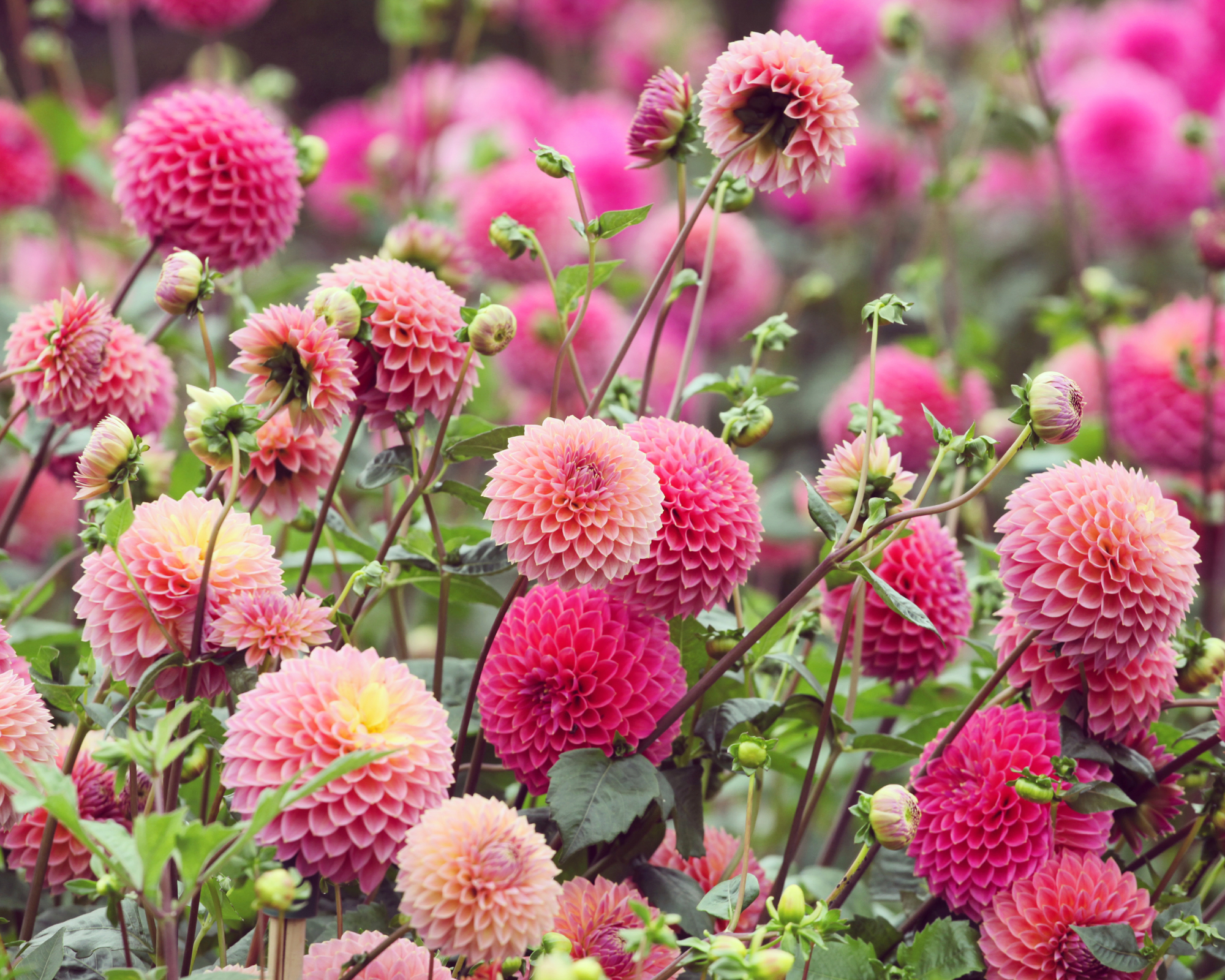
As soon as you spot flowerbuds, or if your plant is already actively flowering, you should be feeding dahlias once every 7-14 days. A soluble feed gives plants an instant boost, which makes it far easier to control the nutrient supply. Because here’s the thing that most home-growers miss: if a flowering plant is fertilized in a heatwave, it’s going to need more moisture to facilitate the extra growth the feed fuels. If you provide that moisture, great. But if you don’t, the plant is put under a lot of unnecessary stress.
In the current heatwave conditions, with plenty of states already under a hosepipe ban, it’s vital to consider this before fertilizing. It’s best to reduce fertilizing in extreme temperatures, and using a soluble feed makes it easy to adjust feeding levels week by week. And remember, while you should never under-dilute plant food, you can absolutely over-dilute it to provide a more gentle nutrient boost.
To fuel abundant flowers at this time of the year, you need a feed that’s high in potassium. Use all-round flower food such as Miracle-Gro Water Soluble Bloom Booster, available from Amazon, or a specialized dahlia feed such as TPS Plant Food Dahlia Fertilizer, also available from Amazon. If you’re growing tomatoes and already have a liquid tomato fertilizer such as Espoma Organic Tomato!, available from Amazon, you can use that, too – it’s also high in potassium and will do a similar job.
3. Deadhead Fading Flowers
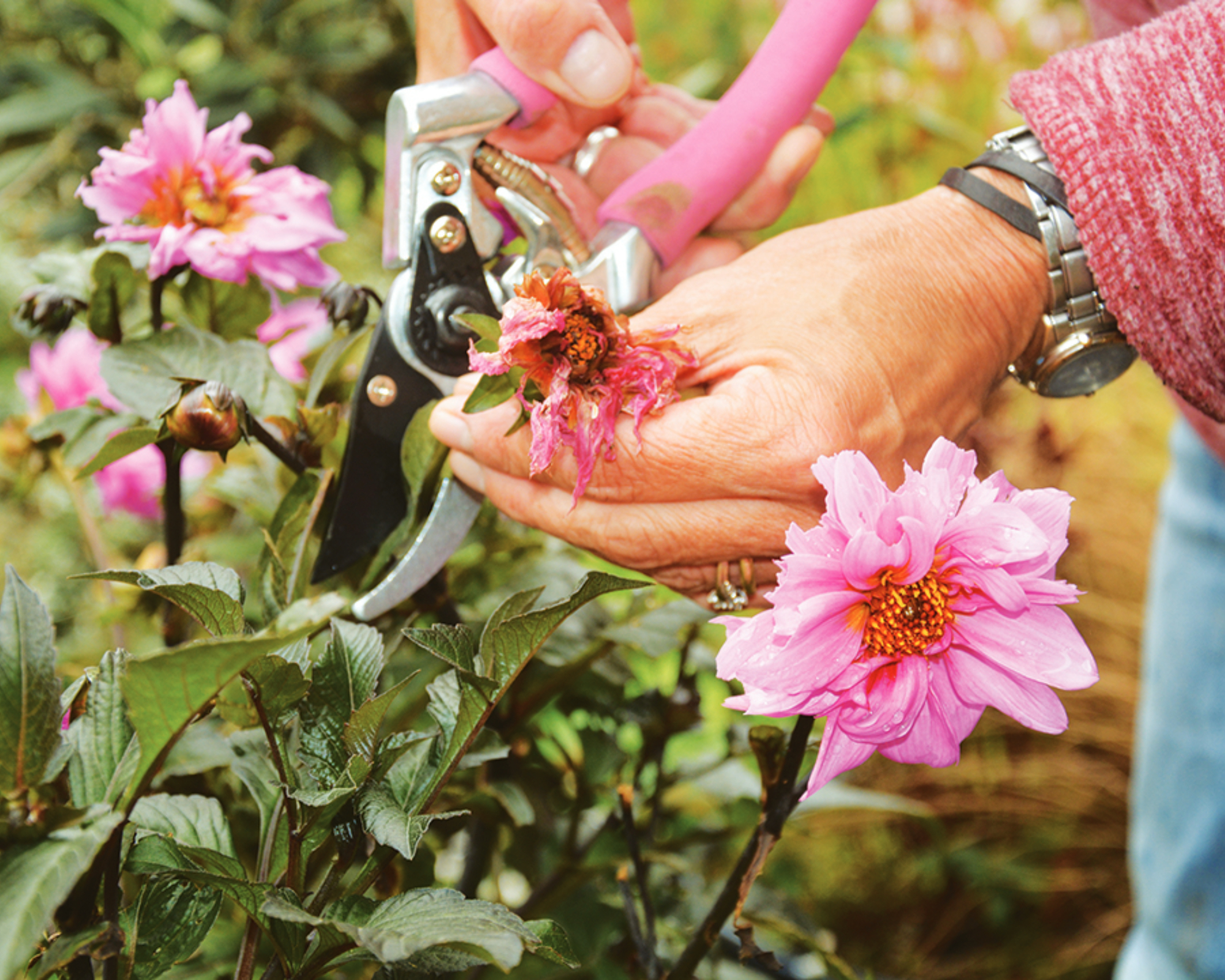
Snipping off fading blooms will keep your dahlia focused on growing more flowers rather than producing seed. Deadheading regularly, every few days, is an important part of July dahlia care and makes a huge difference to how many blooms a plant will produce. So, if you’re wondering how to get more dahlia flowers, don’t skip this task: the quicker you remove those spent blooms once the petals start to fade, the more energy you’ll redirect.
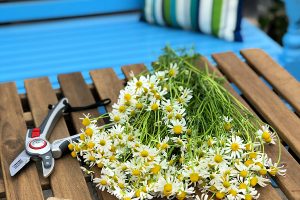
Use a pair of bypass pruning shears such as these from Amazon to deadhead dahlias and, if you haven’t sharpened yours in a while, get a razor-edge on those blades with a sharpener such as this $7 tool from Amazon. Trace the stem of the faded flower down and cut just above the next bud, pair of leaves or main stem. This is far easier for the plant to deal with than cutting higher and leaving a bare stem end that could rot.
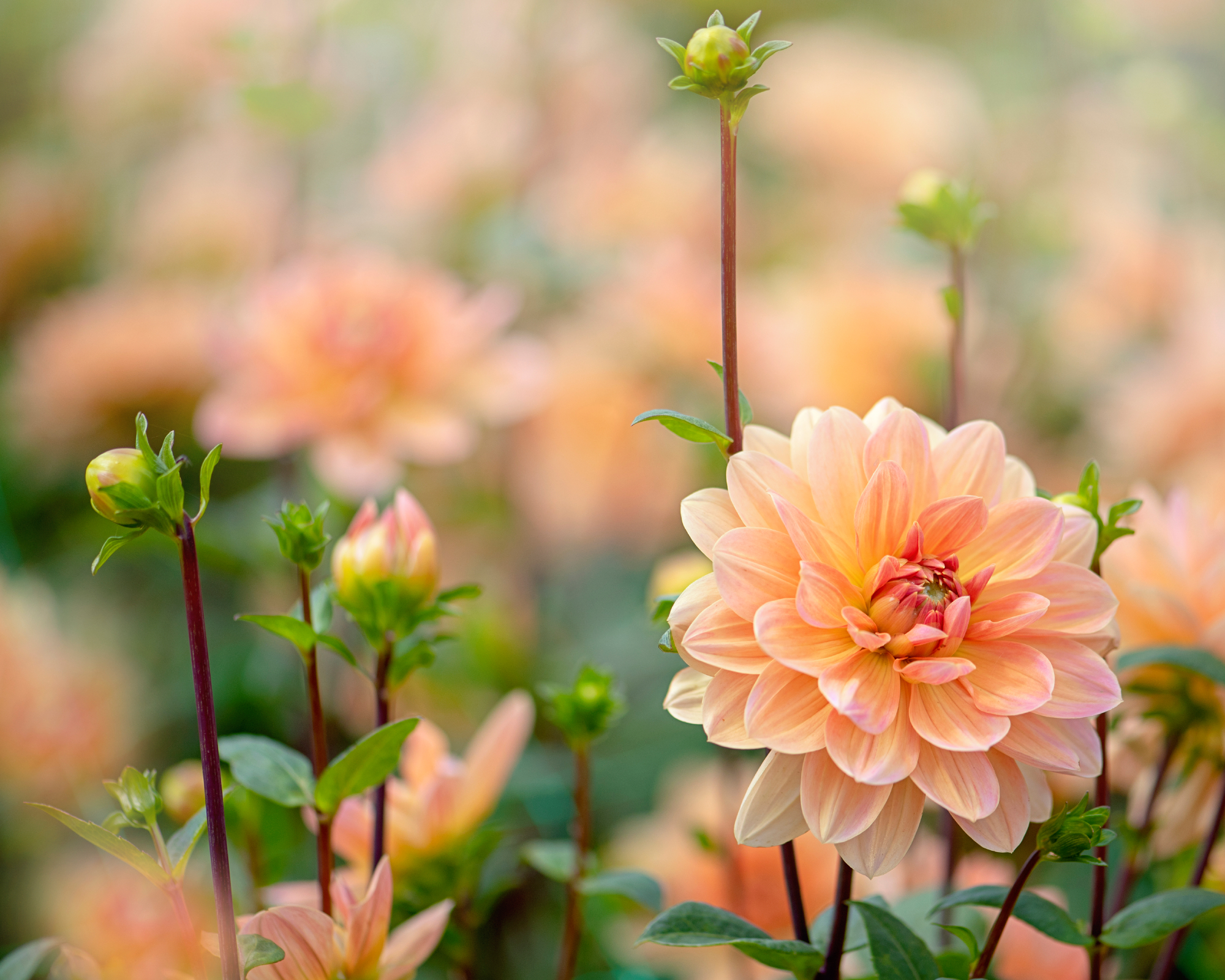
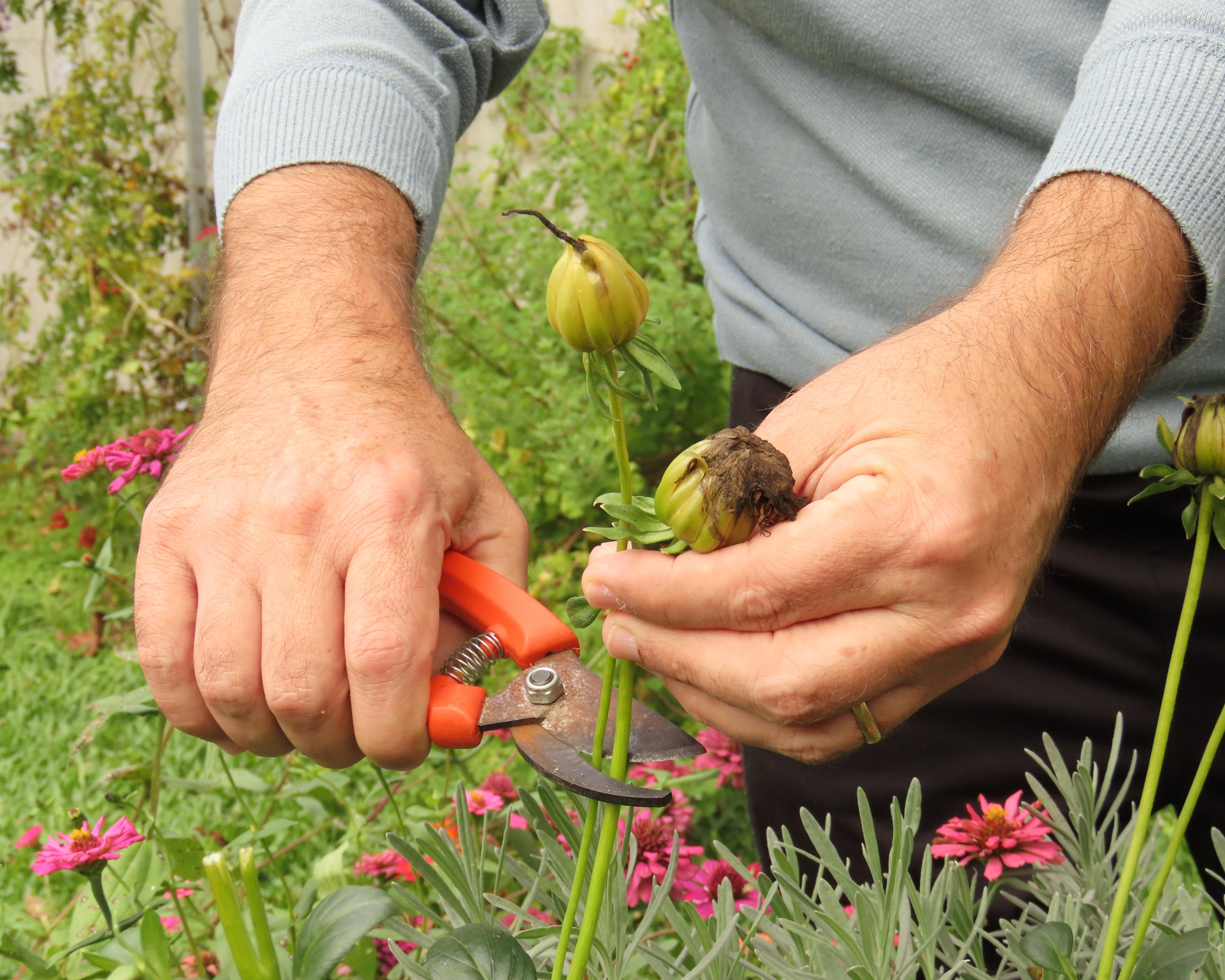
The trickiest part of deadheading dahlias is knowing what’s a fully spent bloom and what’s a new bud, because they can both look very similar – and you seriously don’t want to remove all the flowers yet to come! It’s easy to tell the difference once you know how, though.
New buds are round, tight, feel firm when you squeeze them and may have a glimmer of color at their centre, like this:
Spent flowers are more pointed and cone-shaped, feel slightly squishy when you squeeze them, may have brown tones, and look like this:
4. Make Quick Earwig Traps
Midsummer is prime earwig season and these critters are well known for chewing holes in dahlia foliage and ruining blooms. You probably won’t spot the earwigs themselves as they’re nocturnal, but the tell-tale signs are uneven holes or ragged edges on leaves, and shredded buds. You might also see dark earwig poop, known as frass, on the leaves.
If you don’t mind this damage or it’s minimal, don’t worry about it – earwigs are useful bugs to have in your garden ecosystem as they eat aphids, mites and juvenile snails. If you want to curtail the damage, however, it’s simple to catch the culprits with homemade earwig traps.
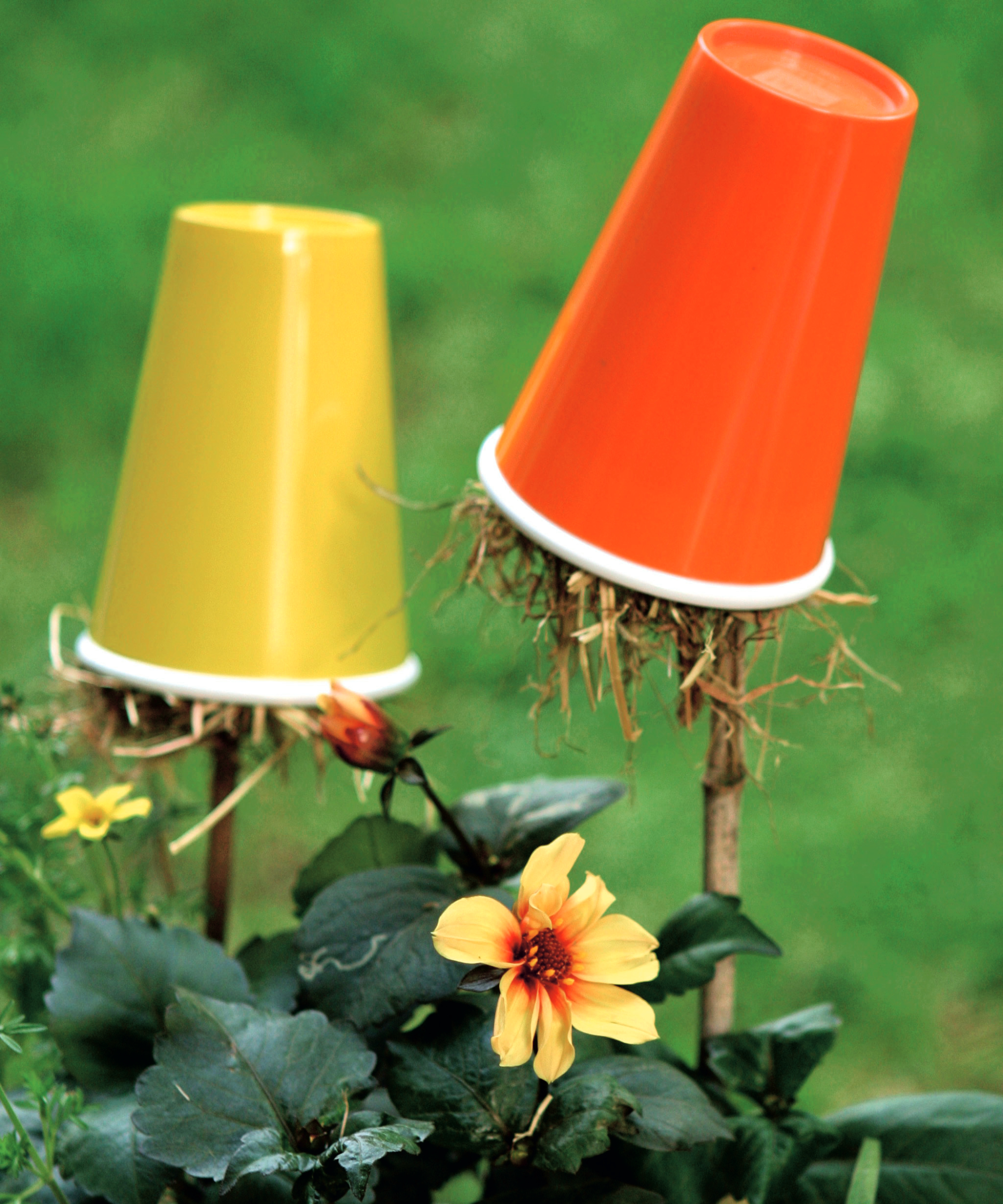
Stuff dampened straw into small plant pots or plastic cups and upend these on bamboo canes pushed into the ground around your dahlias (watch out for the tubers, though). Earwigs will crawl into these cozy, dark spaces after feeding so, in the morning, it’s a simple task to rehome them, and you don’t have to move them far. Though they have wings, earwigs rarely travel more than 100 feet.
5. Prune Dahlias For Huge Blooms
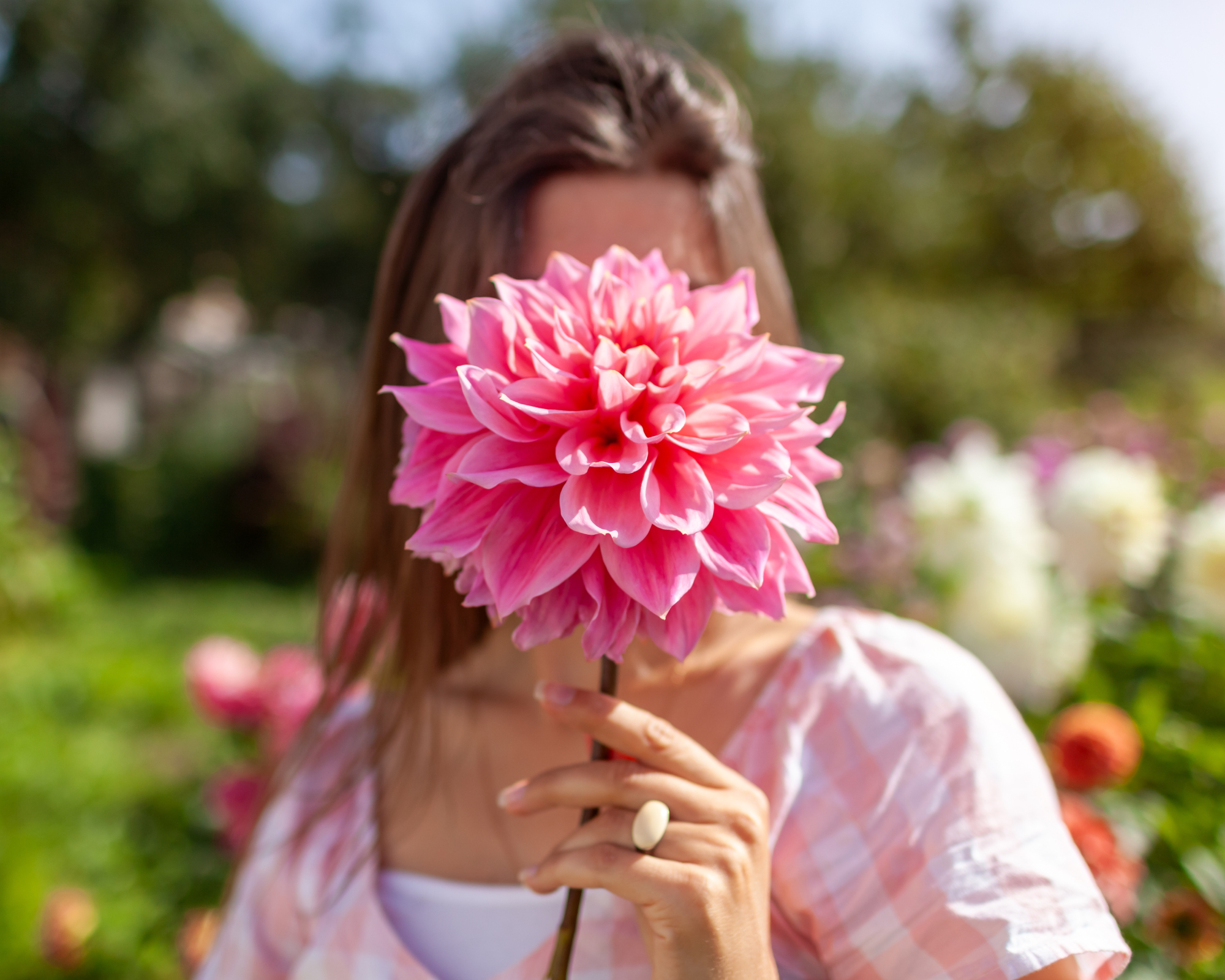
If you fancy growing a few fabulously big dinnerplate dahlias, then there’s an extra job to be done – but it’s by no means an essential part of summer dahlia care. Disbudding involves removing sidebuds on a stem to force the plant into putting all its energy into growing the central flower. And the results can be incredible! Disbudding dahlias also brings longer stems for cut flowers.
You’ll get far fewer blooms overall if you disbud but, if you want to grow a few showstopper cut flowers for a special occasion, or just try something different with your dahlias this year, it’s worth it. You don’t need to disbud all the stems on an established plant, so why not try it with one or two stems and leave the rest?
Disbudding is a quick and easy job. Look at a dahlia stem and you’ll typically see it has a larger central bud and some side buds either side. Simply pinch or snap off all the side buds – do this in early morning when the plant is fully hydrated and the rigid stems snap far more easily.
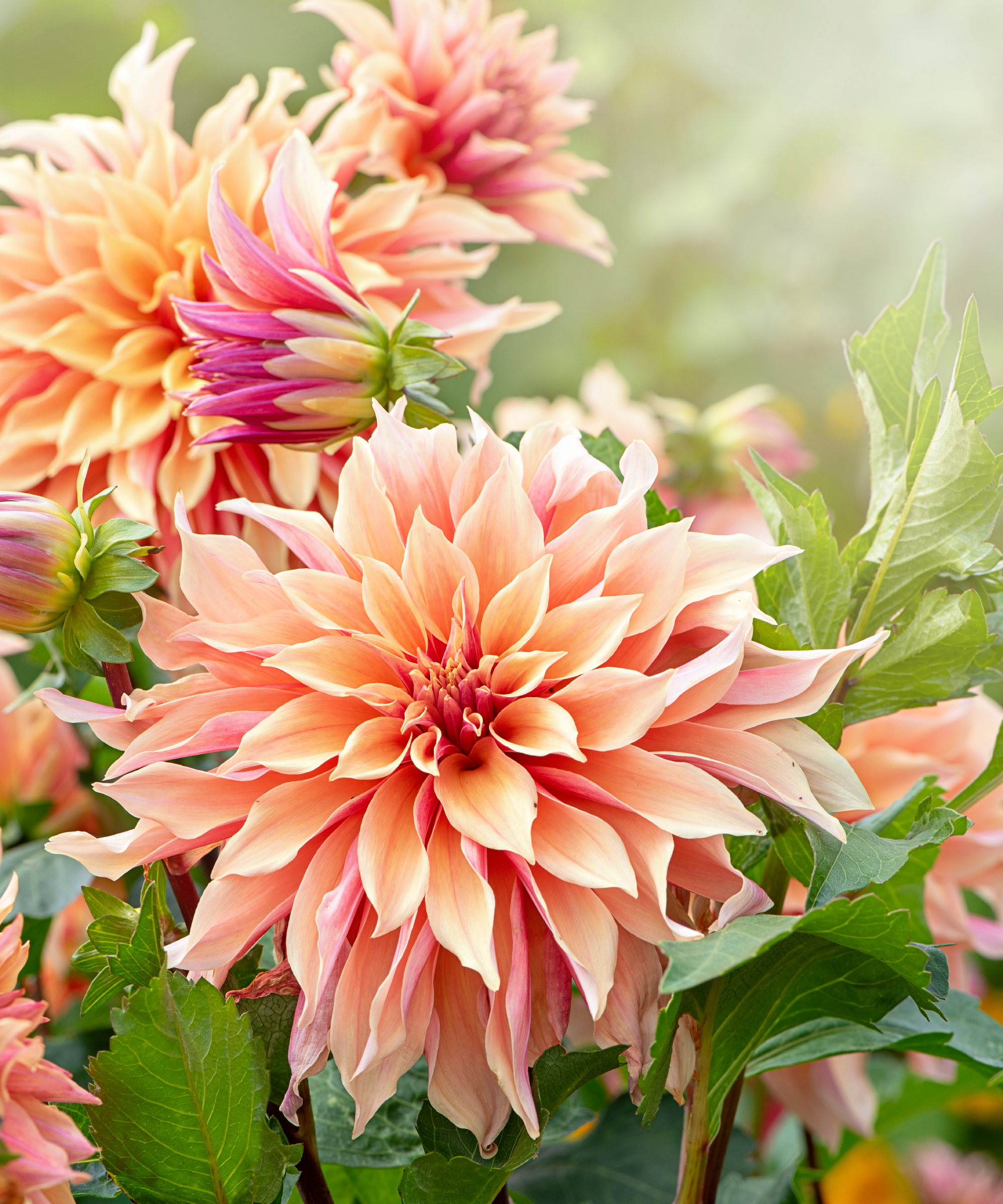
Give your dahlia the care it needs in July, and it will reward you by flowering abundantly all through summer and fall, till the first frost. And that’s a heck of a lot of beautiful blooms for your efforts!