The idea is appealing: you let your plants “make friends” in the garden by planting different plant species close to each other so that they can offer identifiable benefits to one another. Often, the goal is to keep insect pests at bay. Sometimes one plant benefits; sometimes the benefit is mutual. And sometimes – all too often – the “pairing” doesn’t work well at all and pests overrun the protected plant.
It’s frustrating when companion planting doesn’t live up to its hype. But what’s a gardener to do? There’s a smarter strategy we’re excited about that scientists suggest will do a much more efficient job of keeping those insect pests from your favorite plants. We call it scent clustering, and we’re here to tell you about it.
Say Hello to Scent Clustering
In traditional companion planting, gardeners are urged to match a pest-repelling plant with a plant to be protected – and do this repeatedly throughout the garden. If you’re new to the concept, then it’s worth picking up a copy of The Old Farmer’s Almanac Vegetable Gardener’s Handbook from Amazon.
The idea is to have the aromatic plants that pests don’t like scattered individually throughout the garden, close to the plants to be protected. Think of them as dancing, two by two, around the ballroom of the garden.
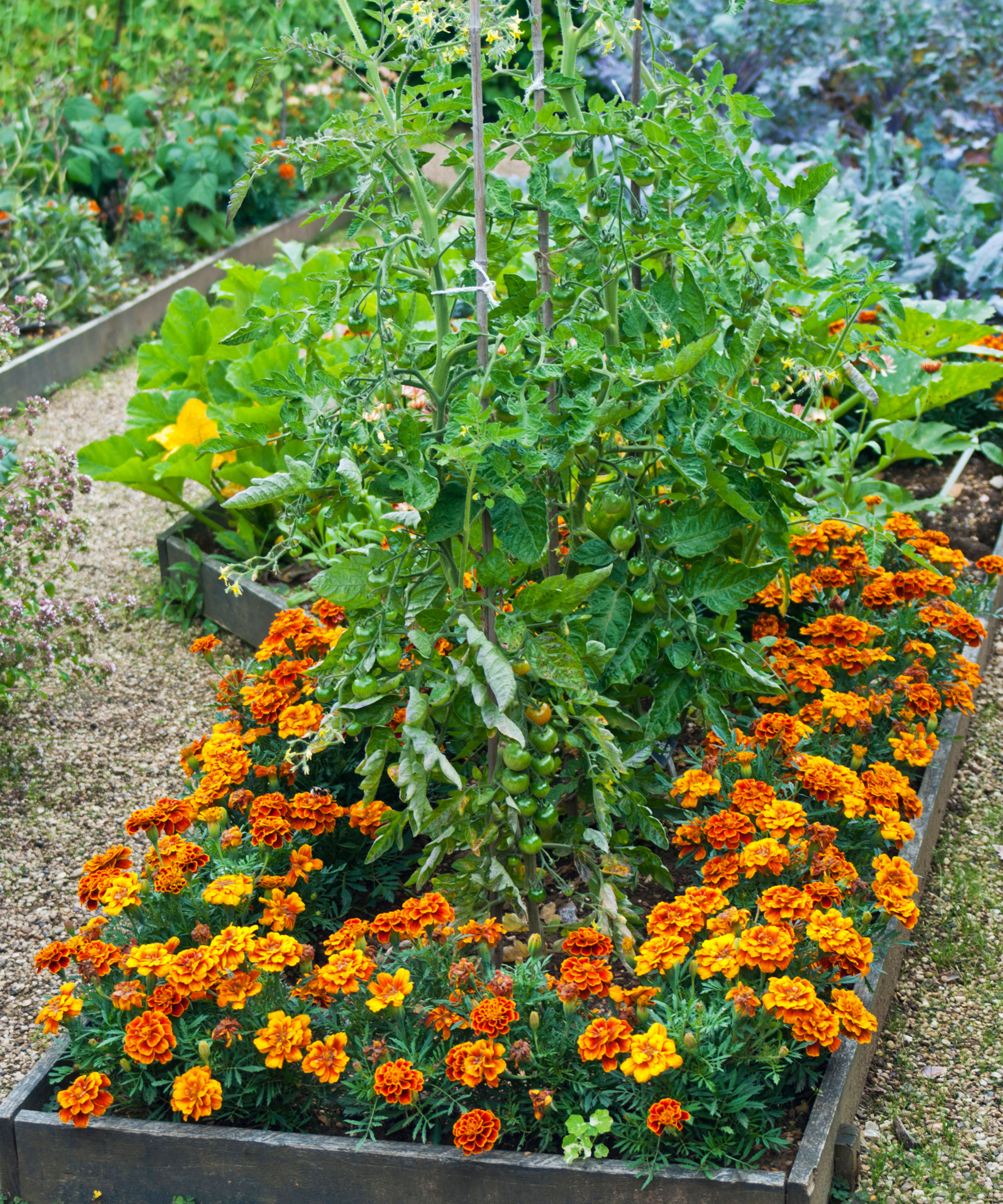
Scent clustering abandons this “one-on-one/two-by-two” approach. Instead, we can create a protective “wall” against insect pests by grouping tough, aromatic plants together. Experts suggest that this makes a more effective barrier against insect pests than interspersing them throughout the garden.
Why Scent Clustering Deters More Pests
Have you ever noticed that the corner of the garden with two or three fragrant plants has a stronger, more compelling scent than an area with only one? In my garden in France, I have a rose bed filled with only fragrant cultivars, and recently added a jasmine vine on the fence behind it. The combined scent seems three times as powerful as the roses alone.
Grouping aromatic plants also amplified the effect of the scent – and it can be much more effective at deterring pests. Clustering strongly scented plants together may create a stronger “chemical landscape” that can help mask crop scents or confuse pests. Part of this is attributable to VOC communication.
As highlighted in this scientific study, plants release Volatile Organic Compounds (VOCs) in response to insect attacks. This VOC release is a way that plants communicate with neighboring plants. When insect-damaged plants communicate their situation, the undamaged plants nearby increase their own defenses – like aromatics – as if they were being attacked themselves.
Best Plants for Scent Clustering
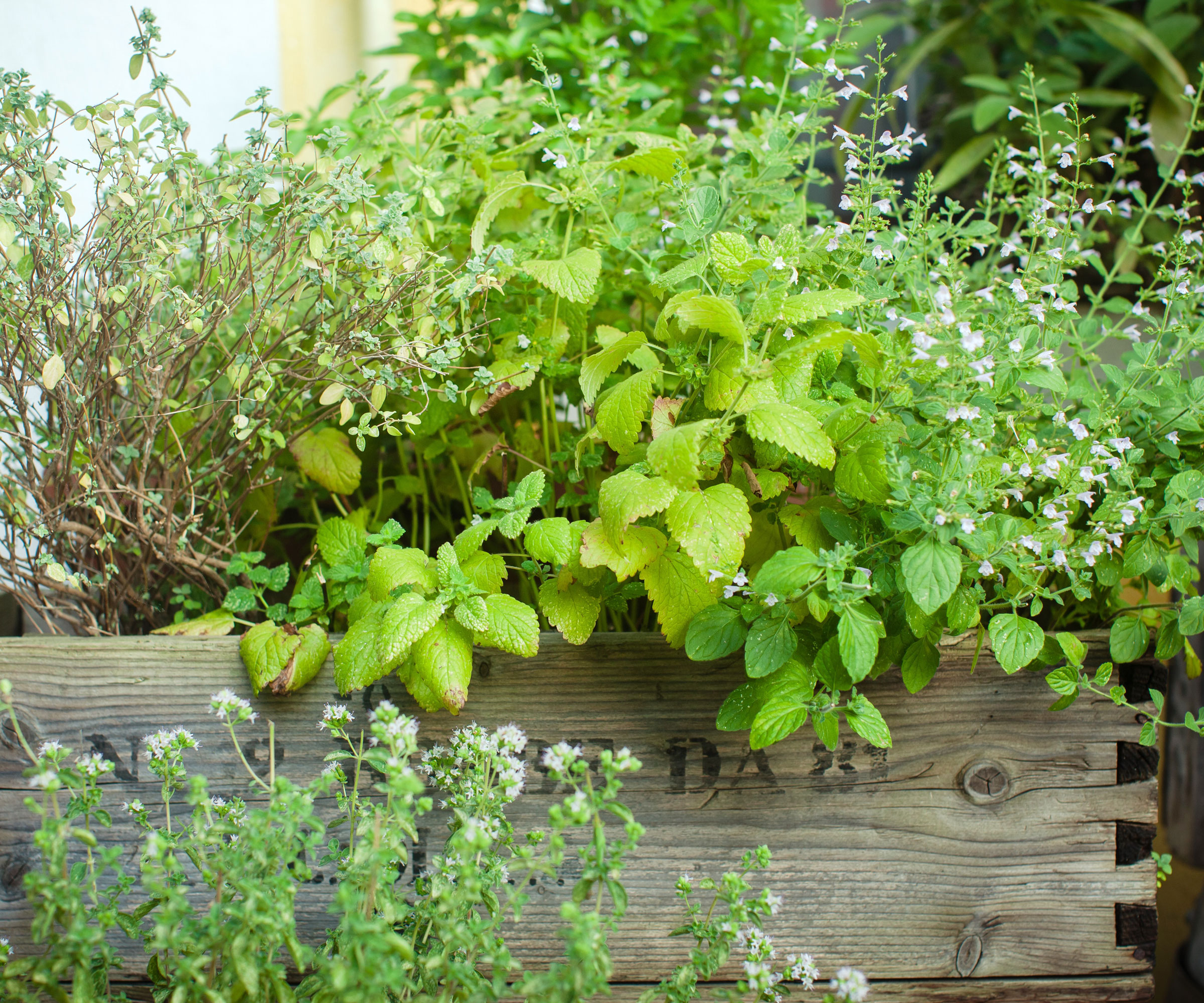
Fragrant plants are the Amazons of the garden. They add beauty and joy but also bring the muscle to fight off insect pests. In addition to keeping pests away with their scents, aromatic herbs and flowers attract beneficial insects. Fragrant and aromatic plants release essential oils with volatile organic compounds. The VOCs communicate with other plants but also confuse insects, making it hard for them to find food.
Some plants have scents that bugs really cannot stand. These aromatic plants include: garlic, green onions, parsley, orange nasturtiums, chives, lavender, rosemary, basil, marigolds, and alliums. Others that make the list as effective for scent clustering are wormwood, scented geranium, santolina, and tansy. Creating a “wall” of the strongest aromatic pest confusers like yarrow, anise hyssop, onions, garlic, and mints in gardens helps keep pests away.
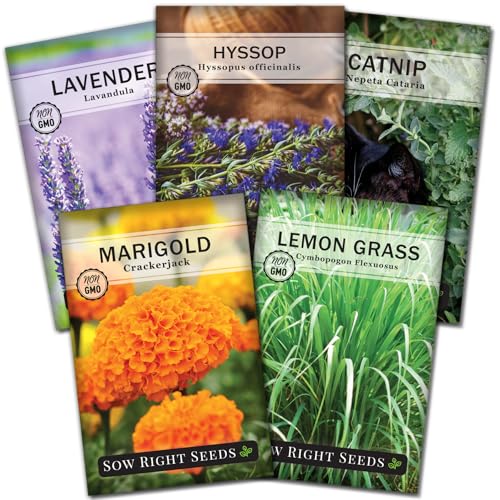
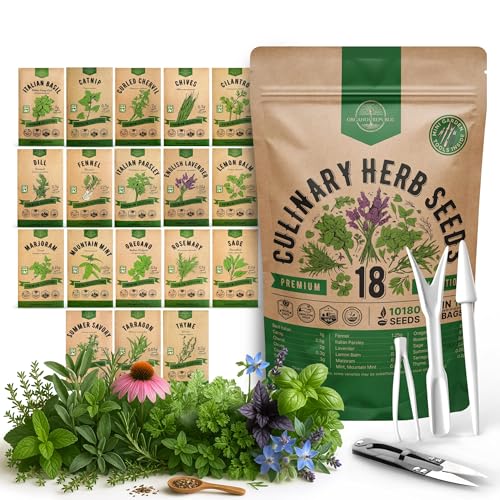
Shop Companion Planting Seed Bundles
Where to Position Scent Clusters in the Landscape
Generally, scent clusters of aromatics work best as perimeter planting. If you group them too near the vegetable garden, they can interfere with your crops’ growth. Instead, create a pest-repellent hedge or aromatics around orchards and vegetable patches.
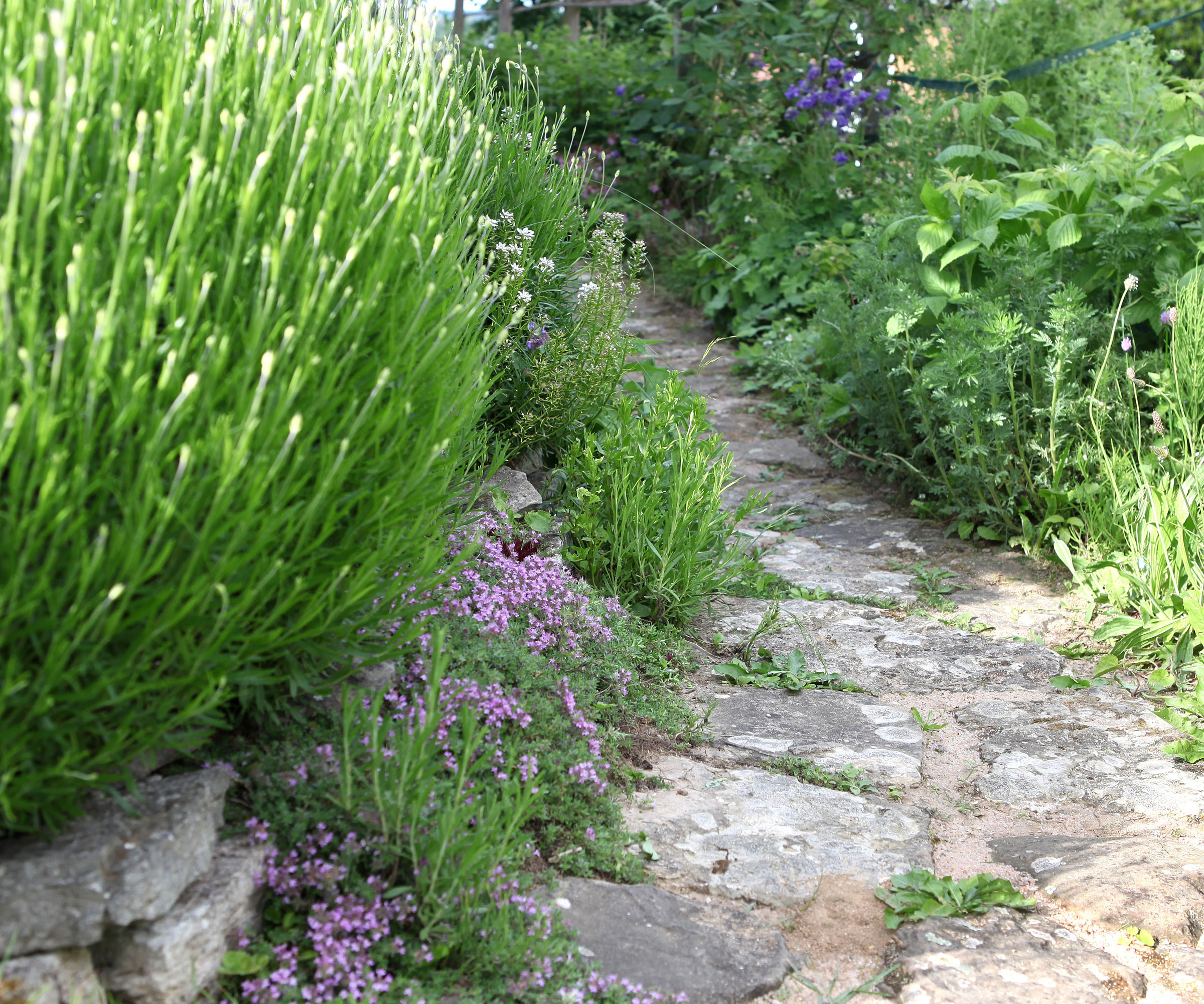
It also works well to plant pungent aromatic herbs near pathways in the garden. Their effectiveness increases when they spill over onto paving. The warming paving warms the foliage too, releasing the fragrant plant oils.
Succession Planting to Keep Scent Clusters Going
Now that you’ve identified your strongest aromatics and installed them in mixed clusters in the garden, the last thing you want is to have that “wall” crumble as the shortest-lived plants die back. As you lose plants, the scent diminishes, and the effect on insect pests also goes down.
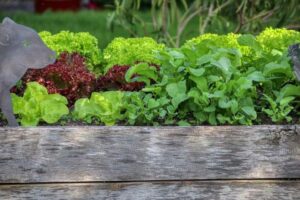
The key to keeping the scent clusters going is succession planting. You may have already started with succession planting in the vegetable garden. Basically, this means you don’t just sow and forget. Instead, you sow rounds of seeds one after the other, to keep new crops coming in all summer long. This works especially well for crops like lettuce that grow fast and can get eaten fast. Instead of ending up with hundreds of heads of lettuce at once, you end up with a smaller amount that ripen sequentially.
You can use succession planting for your aromatic herbs as well. Whichever ones you decide to plant, just keep sowing the seeds every week or every other week to keep the herbs coming.