Look, I’m a gardening writer. I know the theory. I can tell you when to prune, when to feed, and when to leave well alone. And yet, when it comes to deadheading in my own garden, I’m embarrassed to admit that I turn into someone who is, frankly, a bit timid with the snips.
Enter my husband: a professional gardener with two decades of experience under his belt, who is both infuriatingly knowledgeable and completely fearless with a pair of pruners. He also, I should add, thinks I’m almost painfully cautious when deadheading.
Yes, whenever he spots me deadheading roses or salvias, he’ll quietly take the secateurs from my hands before proceeding to cut what feels like an alarming amount off the plant. I stand there internally wondering whether I should be calling the Royal Society for the Prevention of Cruelty to Plants.
Stop Being So Timid When Deadheading
In the interests of settling our long-running deadheading debate once and for all, I cornered him after work while he was trying to cook dinner and asked him exactly what I was getting wrong.
As ever, he was calm, kind…and entirely convinced I needed to be much braver.
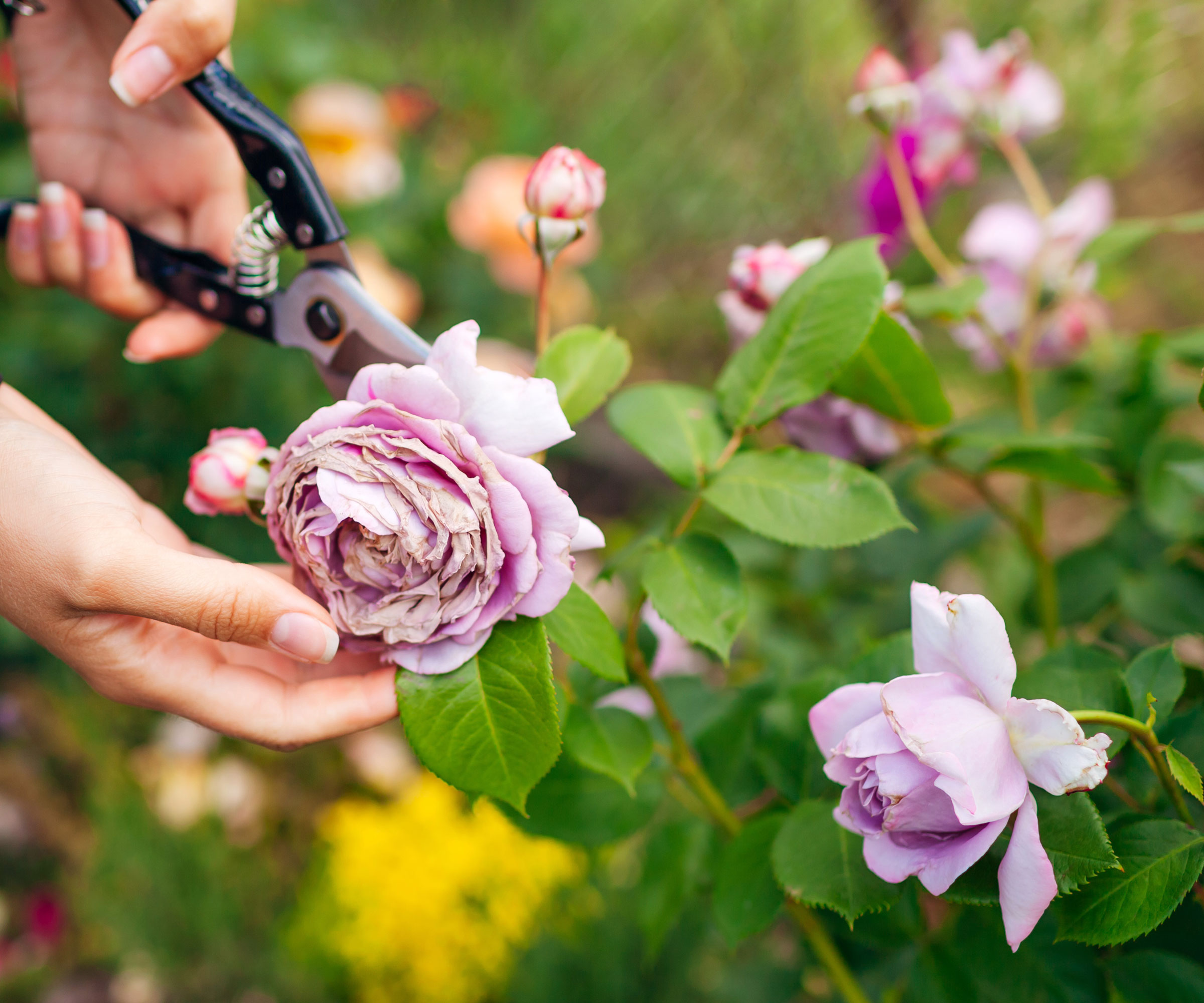
Forever patient, he endured my barrage of deadheading questions as he attempted to pull together a bolognese our picky children might actually eat for once. “I know you hate cutting them back because it feels like you’re ruining the plant,” he told me, “but you’ve got to be braver with those shears.
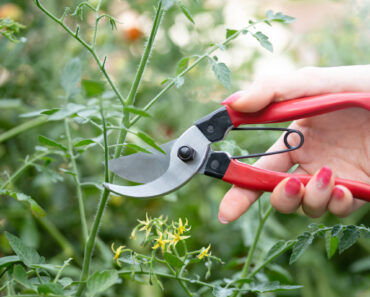
“If you just nip off the faded flower, you’re wasting your time. On most repeat-flowering plants, you want to follow the flower stem down to the first strong pair of healthy leaves or a side shoot, then make your cut just above that. That’s where the plant can produce strong new growth.”
In other words, don’t just remove the dead flower itself; by following the spent flower stem down to a healthy leaf joint instead of leaving behind a short stub, you’re encouraging the plant to direct its energy into producing fresh shoots and, ultimately, another flush of flowers.
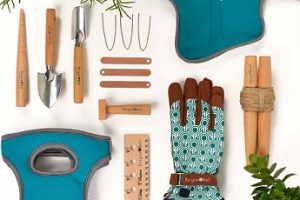
Shop Deadheading Essentials:
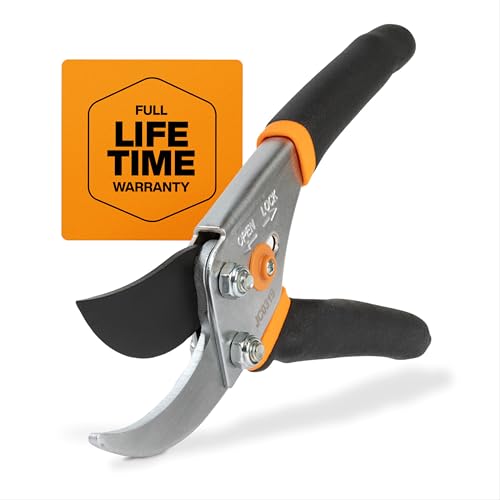
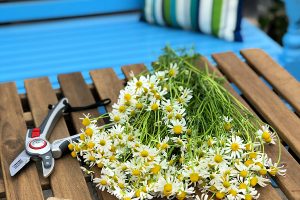
These herb garden scissors are ideal for taking fast cuttings of herbs to throw into any recipe. Plus, you can put them in the dishwasher to clean them!
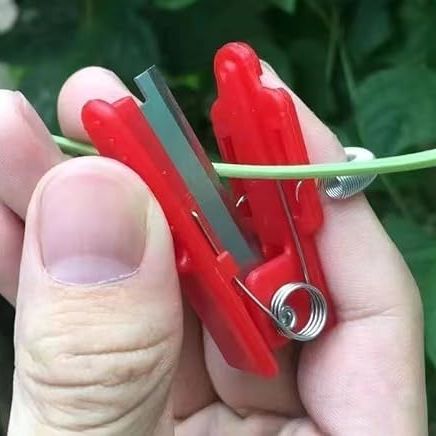
These thumb knives are a bit different than the silicone kind, but they are just as effective. Slip it over your index finger and thumb and use the sharp razor blade to quickly prune plants.
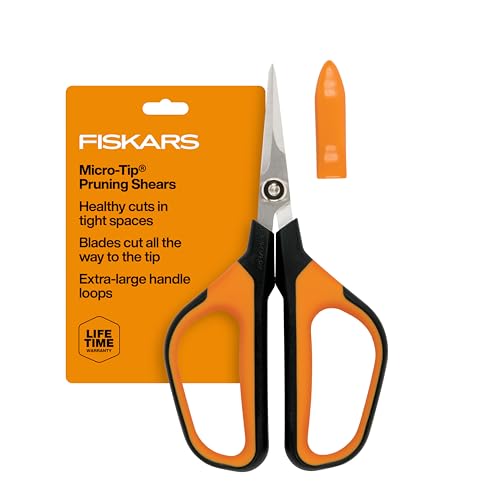
These petite microtip pruning scissors are great for bonsai training or little pruning tasks in the garden. The comfortable handles make them easy and accessible for anyone to use.
It isn’t just me who fears deadheading too far; my husband reassured me that the majority of his gardening clients get nervous whenever he whips the pruning scissors out. But it is important to remember, he added, just how resilient most garden plants actually are.
“We treat them like they’re fragile,” he laughed. “But they’re not. As long as you’re following the flower stem back to a healthy point on the plant, most repeat-flowering plants absolutely thrive on a bit of tough love.”
That being said, confidence is only half the battle. “Keep your shears sharp,” he advised me, barely looking up from the pan. “You don’t want to crush the stem; you want one clean, quick slice. Think of it like a surgical procedure, not a massacre.”
A clean cut heals more quickly and is less likely to leave the plant vulnerable to disease than a ragged stem. And my husband also stressed that while most repeat-flowering plants benefit from confident deadheading, there are exceptions.
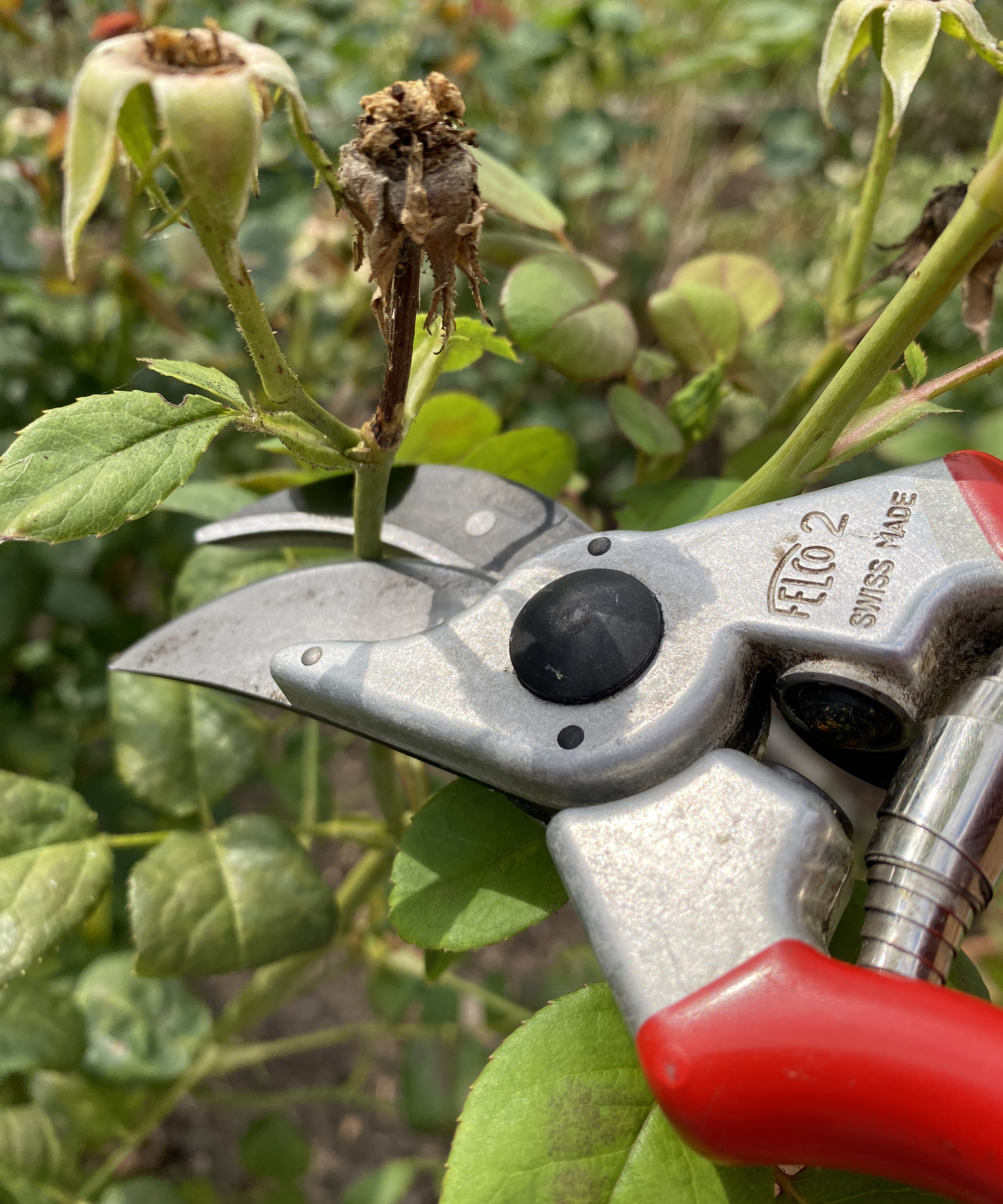
“Think about once-blooming roses,” he says. “If you’ve got an old-fashioned climbing rose that only flowers once a year, don’t start cutting long stems back in midsummer. You could be removing next year’s flowers before they’ve even formed. Just tidy up the spent blooms and leave the framework alone.”
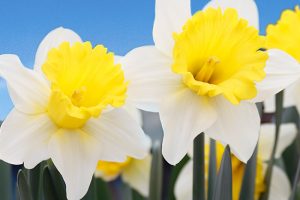
Spring-flowering bulbs also need a gentler approach. “You can remove the faded flower heads from daffodils and tulips if you want them to look tidier,” he explained, “but leave the leaves alone until they’ve yellowed naturally. That foliage is feeding the bulb for next year’s flowers.”
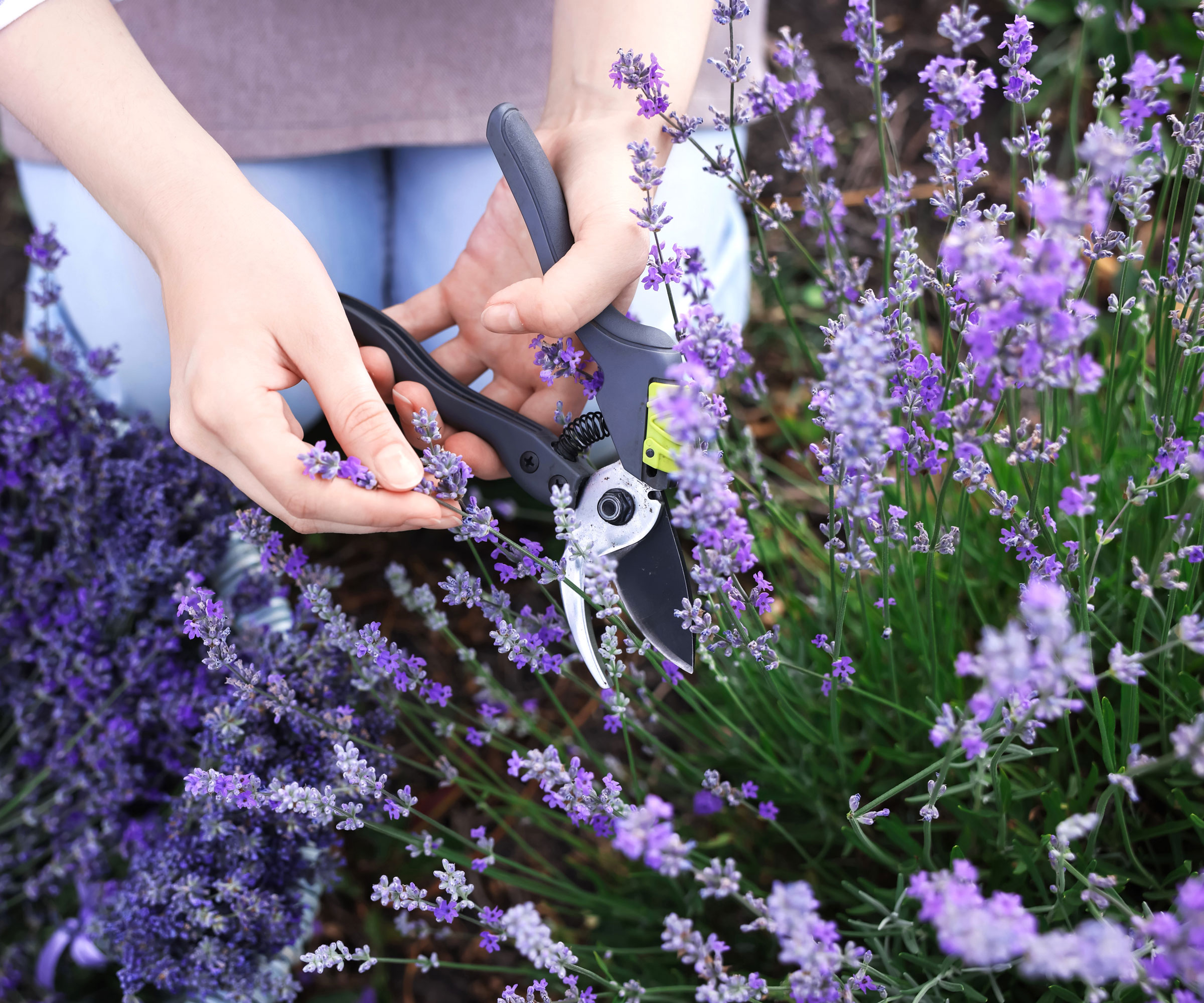
Lavender is another plant that deserves a little caution. “Snip off the faded flower spikes and trim the soft green growth if it needs tidying, but don’t cut into the old woody stems,” he suggested. “Lavender often won’t grow back from old wood.”
And finally, don’t assume every faded flower needs removing immediately. “Some late-season plants, like sedum, are often worth leaving alone. Their seedheads look fantastic through fall and provide food for birds and insects long after the flowers have finished.”
All excellent advice, as I’m sure you’ll agree. And, while I’m still nowhere near as fearless as my husband with a pair of pruners, the next time I’m hovering nervously over a faded bloom, wondering whether I’ve gone too far, I’ll remember his advice: don’t just snip the flower – follow the stem.
Hey, I might even get it embroidered on a T-shirt!