12th worst: Japanese anemone (main image)
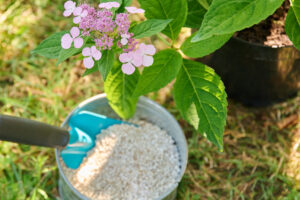
What’s this doing here? I love Japanese anemones! Yes, I hear you, and I know they’re gorgeous with lots of lovely flowers that the bees love. But they can take over, given half a chance. Pick the wrong variety, and it will spread gently but insatiably through the border. That can be quite a useful habit in parts of the garden where other plants struggle – but it can also mean you end up with a border of Japanese anemone and nothing much else.
What makes it a nightmare? They spread through the border via rhizomes – easy enough to dig up, but if you leave just the littlest bit…
Invasion rating: 5/10
Plant type: Perennial
Containment potential: Have a good cut back and weed out in the spring to keep existing clumps tidy. If you’re planting from fresh, go for a neater variety like ‘Pamina’ or ‘Wild Swan’.
Why grow it? Well, there’s the long flowering season, the absolute mass of flowers, and the bees, of course.

11th worst: Chameleon plant
Houttuynia cordata ‘Chameleon’ is the perfect plant for colourful ground cover, with its cheerful heart-shaped leaves and jaunty little white flowers creating a carpet of green, red and cream all summer long. Add to that the aromatic orange-peel scent emanating from the crushed leaves, and this is a star of a plant that’s equally happy in dry soils and wetter conditions too, even enjoying soaking at the edge of a pond. What’s not to like?
What makes it a nightmare? It spreads and clumps, and then spreads some more, but slowly and inexorably. It’s quite a gentle takeover.
Invasion rating: 5/10
Plant type: Colourful creeper
Containment potential: Yes, if you keep it in a pot or a confined spot like the margin of a pond.
Why grow it? It looks zingy and smells fab.

10th worst: Periwinkle
Sounds lovely, doesn’t it? And periwinkle is undeniably pretty, with its starry, violet-blue flowers and glossy green leaves. It’s also shockingly easy to grow and likes almost any soil or situation you plant it in – it really wants to grow. There are a few periwinkles to choose from, including variegated forms and ones with white flowers, too. But choose carefully – greater periwinkle, Vinca major, is a beast in disguise, while the smaller species, Vinca minor, is a much more manageable proposition. But even so, it needs some legroom.
What makes it a nightmare? Those dainty looks belie a vigorous grower that will send stems trailing all over the place in no time at all, tangling with everything in their path, rooting as they go, and, before you know it, you have a bed of periwinkle and nothing else.
Invasion rating: 5/10
Plant type: Evergreen creeper
Containment potential: Avoid the larger species, and keep even Vinca minor cut back to a defined area.
Why grow it? It’s such a super ground cover – the weeds don’t get a look in.

9th worst: Mind-your-own-business
You could be forgiven for thinking this dainty little plant, Soleirolia soleirolii, is anything but invasive. But its tiny, densely packed leaves and creeping habit belie the strength and vigour of a garden stalwart, which can be so useful when planted in the right place. It makes brilliant ground cover in shady, damp gardens, creeping over rocks and logs without hiding their shapes. For shady gardens, it makes a great alternative to grass and looks fab creeping about between paving slabs, plus it copes well with drought, and, although frost will knock it back, it soon greens up again in the spring.
What makes it a nightmare? Left unchecked, it will creep away over everything, smothering small plants and bulbs.
Invasion rating: 5/10
Plant type: Evergreen creeper
Containment potential: Easy to keep it cut back to a defined area.
Why grow it? It’s brilliant ground cover for shady places and looks really cool.

8th worst: Shuttlecock fern
This is the prettiest fern for the spring garden, with lime green fronds in shuttlecock-shaped clusters. Combine Matteuccia struthiopteris with daffodils and other spring bulbs, and this fern makes an absolute picture. To begin with. But give it a few years, and it’s popping up all over the place, creating ever denser lumps and clusters, thanks to its deep, delving and spreading black rhizomes.
What makes it a nightmare? The rhizomes are easy enough to spot but not so easy to weed out, as this fern has a habit of sneaking in among other plants, snuggling up close to their crowns so you can’t dig out one without the other.
Invasion rating: 6/10
Plant type: Creeping fern
Containment potential: It’s a gradual takeover, so regularly weed out new shoots as they appear, and you should be able to manage it.
Why grow it? It’s just sooo pretty.

7th worst: Mint
While mint is a must-have for cooking and mojitos, it’s something of a pain to grow. At first glance, it looks easy enough – it’s not too tall or too twiggy and fits well into even the smallest garden – but it is a vigorous spreader, sending shoots up everywhere from its wide-spreading root system. There are lots of different varieties, though, and some are more manageable and less vigorous, including apple mint and pineapple mint. Bear in mind that the flavours do vary, though, and for that classic garden mint taste, you’ll want to plant spearmint, Mentha spicata.
What makes it a nightmare? Mint will take over a sizeable bit of the garden if you let it.
Invasion rating: 7/10
Plant type: Spreader
Containment potential: Plant in pots on the patio, or sink the container into the ground to restrict the root growth.
Why grow it? Hey, summer just isn’t summer without fresh mint. Bees and other beneficial insects flock to the flowers. Look out for the tiny mint moth, too.

6th worst: Bear’s breeches
With its big, bold and architectural foliage, topped with tall spires of flowers in summer, bear’s breeches, Acanthus mollis, has a lot to offer the garden border, especially if you give it some room to clump up en masse. But it just won’t stay put where you plant it. Instead, it pops up in other places, not too far from the parent plant, but these new roots are too deep to dig out completely, and, before you know it, up it pops again, choking and smothering smaller plants and generally taking over its section of the border.
What makes it a nightmare? It just won’t stay where you plant it and regrows from the smallest piece of root.
Invasion rating: 7/10
Plant type: Perennial
Containment potential: Possible, with determination.
Why grow it? It’s a drama, and bees love it; just plant it somewhere it can take over.

5th worst: Plume poppy
Macleaya cordata, plume poppy, looks just great in the garden, with its broad, lobed, blue-green leaves catching the raindrops and standing 2m tall, topped in summer with pink plumes of soft flowers. But it’s a spreader, sending rhizomes off through the soil that have shoots popping up all over the garden in no time at all.
What makes it a nightmare? Let it run unchecked, and it will take over, smothering other plants.
Invasion rating: 8/10
Plant type: Perennial
Containment potential: Chop it back with a spade each season to keep it in a defined area. Regularly weed out new shoots as they appear.
Why grow it? It looks great. The flowers are good for bees and other pollinators.

4th worst: Ivy
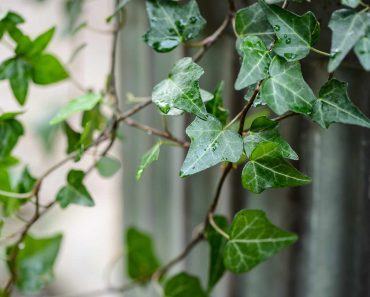
Ivy in all its forms has its uses. It grows quickly, covering the ground as well as vertical surfaces like fences and walls, clinging brilliantly without the need for wires or frames. With its glossy green leaves and dense growth, the common form, Hedera helix, and the larger-leaved forms, like Irish ivy, Hedera colchica, can run riot, rooting into the ground and even house walls as they grow, making them hard to manage and potentially damaging to stonework.
What makes it a nightmare? Let it run unchecked, and it will take over, so don’t plant it and forget it. Ivy is harmful to pets and people if eaten and can cause skin irritation and allergic reactions.
Invasion rating: 8/10
Plant type: Evergreen climber
Containment potential: Cut it back to a defined area regularly and plant it on its own – avoid mixing it with other plants. The variegated forms are easier to control as they grow more slowly.
Why grow it? Ivy looks great climbing over an old stump, and it makes excellent ground cover where it can be left to itself. It’s also a brilliant wildlife plant for birds, bees and butterflies, especially the holly blue butterfly.

3rd worst: Willow
Who doesn’t love a majestic weeping willow by a pond? Or maybe a little pussy willow with those adorable furry catkins, which is a great choice if you’re tight on space, right? Wrong! Willows just love water, which means they’ll home in on your drains in no time at all, blocking them up with their extensive root systems. That’s no surprise for the big trees, but you even need to watch out for the dwarf varieties close to buildings and drain systems. There are so many other lovely trees out there – just pick something else, like a birch or a Japanese maple – they’re a lot less hassle.
What makes it a nightmare? Their roots seek out watercourses and drainage systems, blocking them up and causing thousands of pounds’ worth of damage.
Invasion rating: 8/10
Plant type: Tree
Containment potential: None. Plant something else, or, if you must have one, make sure you plant it well away from your house – and your neighbour’s!
Why grow it? Willows are very attractive and provide good habitats for wildlife.

2nd worst: Bamboo
Pick the right variety of bamboo, and you have a highly attractive plant with coloured stems and a tropical, jungle look. But some bamboos are highly invasive, growing aggressively and expanding way beyond their allotted space, sending tough shoots up from far beneath the ground, metres away from the parent plant.
What makes it a nightmare? Some types will produce shoots popping up all over the place, which are almost impossible to weed out, as they’re so deep.
Invasion rating: 9/10
Plant type: Evergreen perennial giant grass
Containment potential: Make sure you pick a non-running variety, such as Fargesia. Plant coloured stem Phyllostachys on poorer soil to contain their vigour. Use a root barrier when planting spreading varieties.
Why grow it? Bamboos are brilliant for giving a tropical or Japanese look to the garden. The taller forms make attractive screening for hiding fences and sheds.

The VERY worst of all… Russian vine
There’s a good reason that Russian vine, Fallopia baldschuanica, is also called ‘mile-a-minute plant’, and that’s because it’s such a vigorous climber, quickly hiding tumbledown sheds, old tree stumps and anything else you want to screen from view. With its pretty white and pink flowers festooning the twining stems in summer, it’s the prettiest thug you’ll ever see. But be warned – it is a thug, so take care where you plant it, as it grows about 4m each year and will swamp anything within a wide radius.
What makes it a nightmare? With a growth rate of 4m per year, this could easily take over your garden, house and indeed life if you plant it unwisely.
Invasion rating: 10/10
Plant type: Climber
Containment potential: Almost impossible unless severely hacked back every year.
Why grow it? It’s very quick-growing and very pretty – there’s nothing like it if you need to hide something quickly. Bees and other pollinators enjoy the masses of flowers.