
The traditional lawn is undergoing a rethink now that droughts are becoming more common as the effects of climate change intensify. On drought-prone, free-draining soil, lawn grass turns brown when under stress. In these conditions a creeping thyme lawn is a beautiful, low-maintenance and nature-friendly alternative to a grass lawn, as long as it suits your garden use. Creeping thyme makes a good lawn replacement in the UK, either alone or combined with other prostrate ground cover plants, although thyme rarely thrives as part of a grass lawn because the grass out-competes plants unless the soil is very low in fertility.
Advantages of creeping thyme lawns
Creeping thyme is a low-growing evergreen perennial, covered in tiny dark green leaves. It looks good all year round. Prostrate and spreading growth never needs mowing and, once established, it needs no watering. Creeping thyme leaves are strongly aromatic when bruised and the scent helps deter troublesome biting insects. In summer, creeping thyme is smothered in white, pink, mauve, or red flowers that are excellent for bees and other pollinators.
Disadvantages of creeping thyme lawn
A creeping thyme lawn doesn’t cope with wear and tear, only tolerating light foot traffic, so a stepping stone path through a thyme lawn would be needed for regular use. A thyme lawn is a great deal more costly to establish than a grass lawn, as thyme must be bought as plants whereas a grass lawn can be grown from seed. While relatively low maintenance once established, regular weeding is necessary, especially while the thyme lawn is establishing.
How to plant a creeping thyme lawn

Plant a thyme lawn in spring. First check that your site and soil is suitable for a creeping thyme lawn. Creeping thyme needs full sun and well-drained soil – it simply won’t thrive in heavy, poorly drained soil. Additionally, the soil should have a neutral to alkaline pH and be moderately fertile.
Soil must be completely clear of weeds before planting – while creeping thyme is fairly good at suppressing weeds once established, it does take up to three years for the plants to form dense mats or cushions.
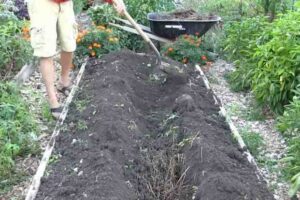
To replace a lawn with thyme, first remove all the grass by stripping off the top layer of grass and soil, then cultivate the ground to ensure it’s weed-free. Thyme is shallow rooting so just cultivate the top 15cm or so of ground.
The number of thyme plants required depends on the size of plant purchased. Plant plug plants around 10cm apart and pot-grown thymes (usually sold in 7cm or 9cm pots) 15cm apart.
How to care for a creeping thyme lawn
During the first growing season, keep watered during dry spells until plants have established. Regular hand weeding is essential for the first few years until plants have grown together to form a carpet. Even once plants are well-established, thyme lawns need to be inspected and carefully weeded from time to time.
Mature plants benefit from a light trim as their growth becomes straggly.
Advice on buying creeping thyme
- The name ‘creeping thyme’ does not refer to any one species, but rather is used as an overall term for all those which are prostrate, mat or cushion-forming in habit. The species most widely available for use as a lawn is Thymus serpyllum and its many varieties. For a red creeping thyme lawn, use the variety Thymus serpyllum ‘Coccineus’
- The most economical way to buy a large quantity of creeping thyme is to look for plug plants, which are smaller than pot grown plants. It’s worth contacting wholesale growers of alpines or herbs if you’re planting a large area