
Timothy grass (Phleum pratense) is a long-lived species of grass, widely grown in pastures for animal grazing and agriculturally as a fodder crop. Other common names of Timothy grass are cat’s tail grass and meadow cat’s tail. This tall and vigorous grass is native to Europe and commonly seen in meadows, roadsides, and wild places, so it often becomes established in gardens by means of wind or bird-borne seed. Timothy grass is named after the agriculturist Timothy Hansen who introduced it to parts of North America in the early 18th century. In gardens it attracts a wide range of wildlife, including caterpillars of several moths. However, it can out-perform flowering plants in meadows.
How to identify Timothy grass
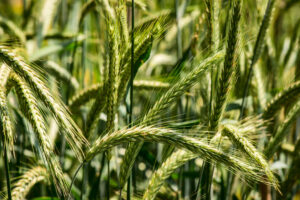
Timothy grass is clump-forming and has long narrow cylindrical seed heads that are borne from early to mid-summer, which can reach 1m in height. The long leaves are grey green or light green in colour, rough at the edges, and each leaf has a slight twist to its shape. Mature plants develop small bulbs at the bases of the stems.
Does Timothy grass cause hay fever?
Timothy grass pollen is widely considered to be one of the worst grasses for hay fever sufferers, so much so that it’s being used in the development of a hay fever vaccine. Pollinated by wind, the flowers start developing in summer and then release their pollen from September.
How to control Timothy grass in your garden
Timothy grass is extremely vigorous. In garden meadows, you can reduce its vigour by growing yellow rattle, a semi-parasite of grass that inhibits growth without killing it.
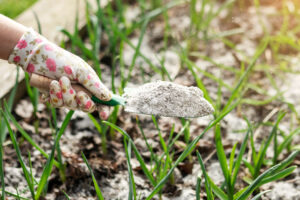
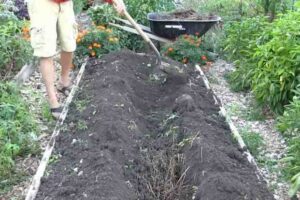
If you suffer from hay fever, keep Timothy grass in check with regular cutting or mowing so it doesn’t flower. In borders, dig out the grass, taking care to dig up all the tiny bulb-like bases of the roots. Avoid putting the roots on a compost heap as they won’t be killed – instead, put in your green waste collection, or bag up the roots in old compost sacks, fold over the top, and leave for at least a year to rot down.