A common mistake many first-time fruit growers make is choosing a variety that needs more than one tree to produce fruit. Many fruit trees require cross-pollination to produce a harvest. This includes most varieties of apple trees and sweet cherries among others.
If you don’t have room for more than one tree or you don’t want to commit to growing that much fruit, there are self-pollinating fruit trees that only require one plant to produce a harvest. Though the options are a bit more limited, there are still delicious choices available.
As summer comes to a close, it’s a great time to plant potted, balled and burlapped, or bare root fruit trees. Installing them in your yard or garden in fall allows them time to settle in before winter hits and gives them a head start come spring. Here are the best self-pollinating fruit trees to plant in fall for big harvests from only one tree.
1. Peach
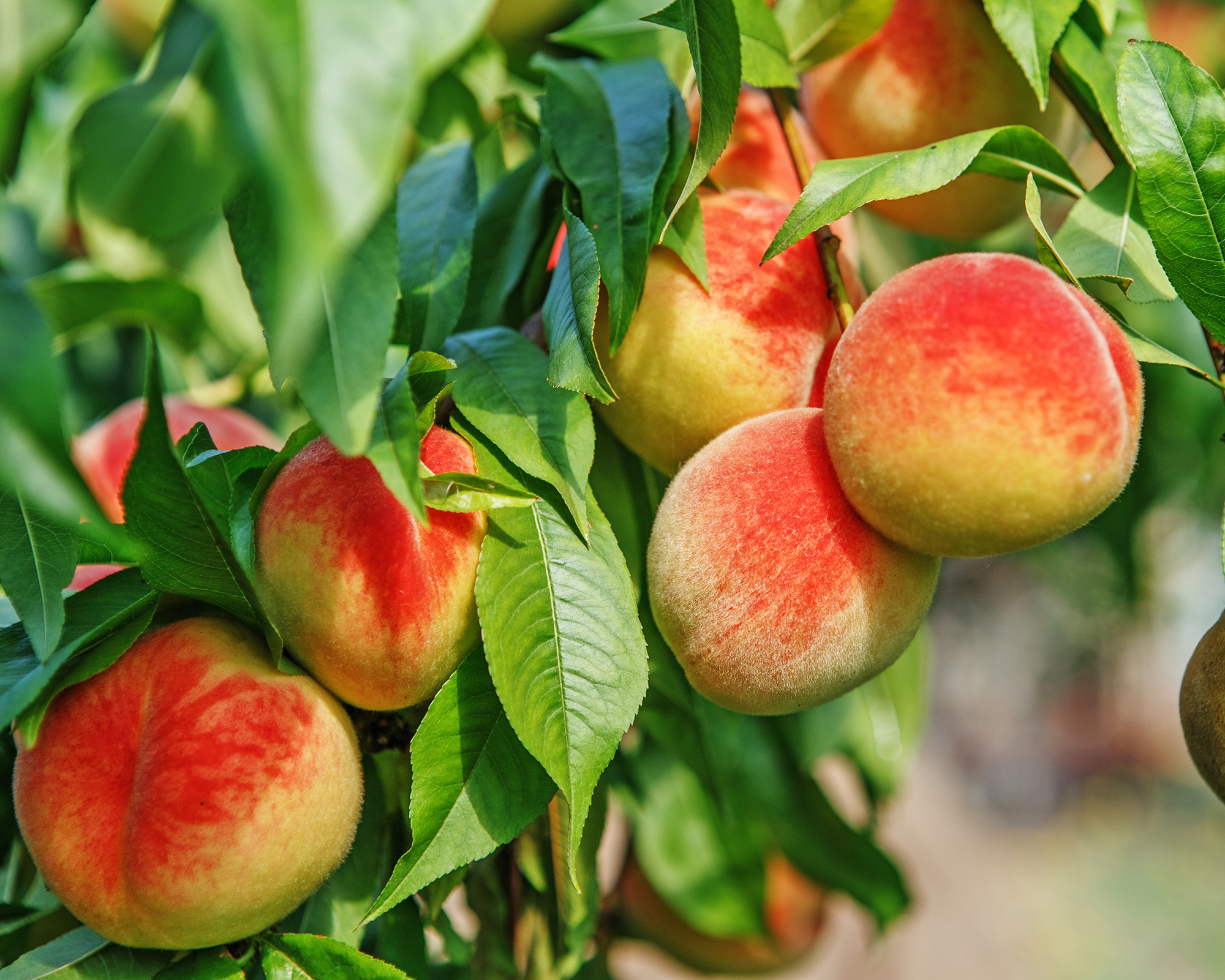
Peaches are one of the most popular deciduous fruit trees, second only to apples. Though the first thought that comes to mind when you think of peaches may be Georgia, there are peach trees that thrive in USDA growing zones 4-9. So even if you’re a northerner, you can still get the delicious taste of homegrown peaches.
There are plenty of self-pollinating varieties of peaches available, but a ‘Belle of Georgia’ peach tree from Perfect Plants gives you fruit with that classic Southern flavor you want in cobblers, crisps, or pies.
2. Nectarine
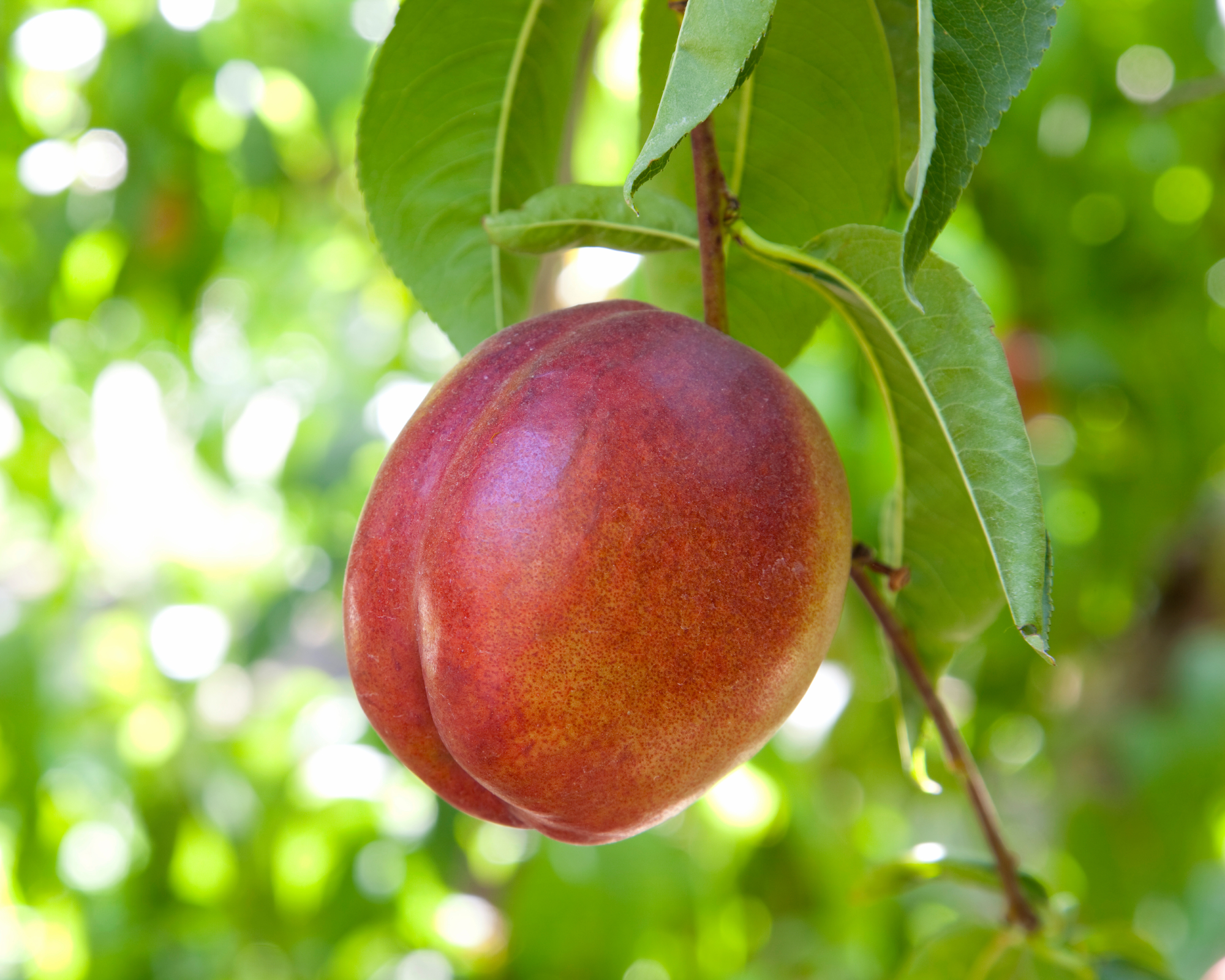
Love the taste of peaches, but not the fuzz? Then nectarines are just what you need in your garden. They are genetically identical to peaches, other than their lack of a fuzzy skin. Nectarines are often a bit smaller in size than peaches, but the flavor is almost exactly the same.
Like peaches, nectarines are self-pollinating and hardy in growing zones 4-9. But late spring frosts can destroy flowerbuds that turn into your fruit crop. So if you live in a colder climate, choose a hardier cultivar like this ‘Hardired’ nectarine tree from Stark Bro’s.
3. Sour Cherry
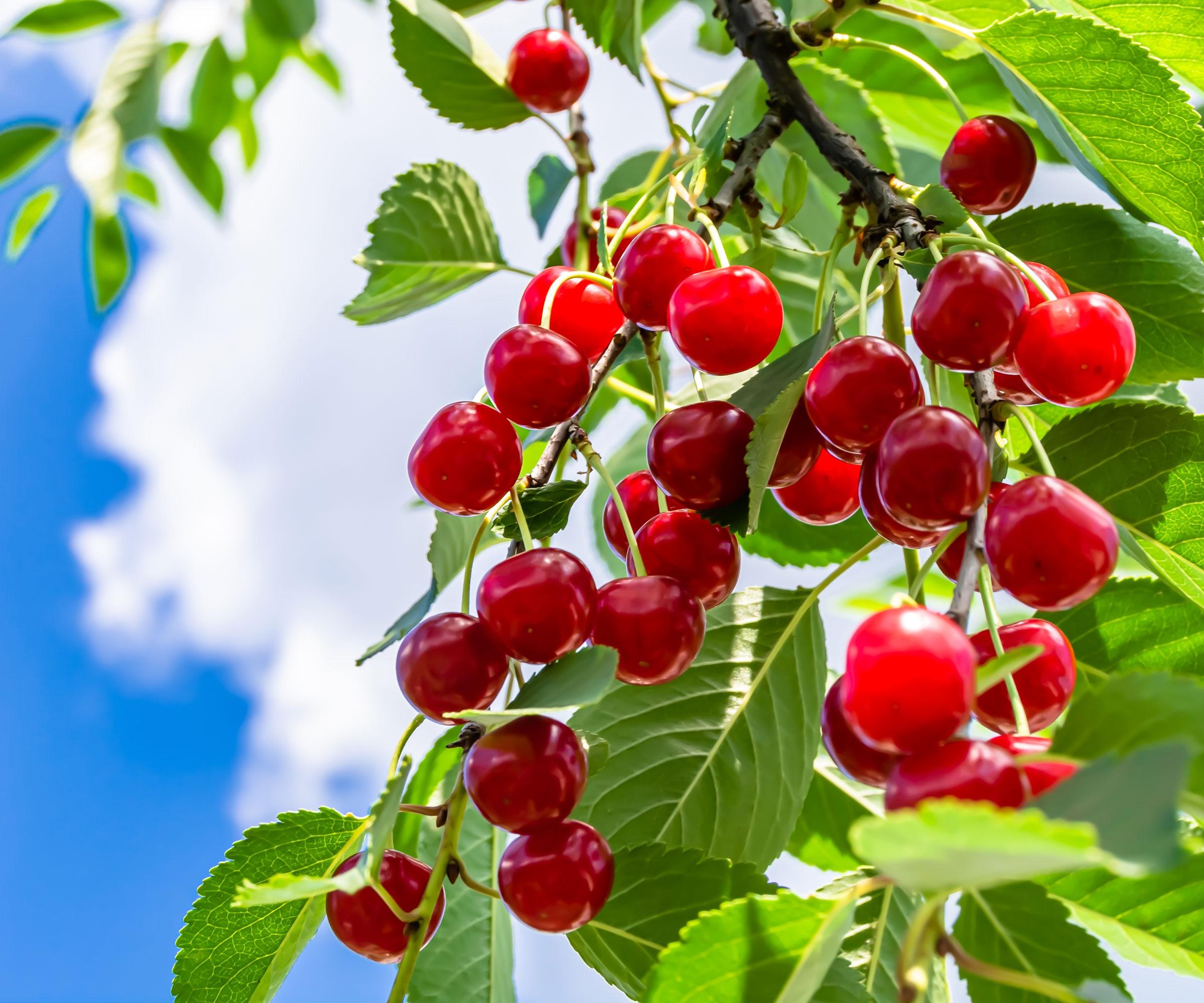
Many sour cherry trees are self-pollinating, as opposed to sweet cherry trees. A popular type of sour cherry that makes for not only a beautiful landscape tree with its white blooms in summer, but also provides plenty of delicious fruit is ‘Montmorency’, which you can buy at Lowe’s.
The tart cherries this tree produces are perfect for baking, making preserves, or even eating fresh. It’s hardy in growing zones 4-7 and is a great addition to any edible garden or pollinator garden – bees love the spring blossoms!
4. Fig

Figs are one of the easiest fruit trees for beginners to grow not only because they’re self-fruitful, but also because they produce quickly and abundantly. Originating in the Mediterranean, some fig tree varieties are hardier than others. So be sure to check your growing zone and the hardiness of the fig tree before you buy.
One of the most popular fig trees for colder climates is the ‘Chicago Hardy’ fig, which you can find online from Trees.com (formerly FastGrowingTrees.com). It is hardy in growing zones 5-10 and can tolerate temperatures down to -10°F (-23°C), which means you can plant it in most parts of the U.S. This particular cultivar can produce up to 100 pints each season, only one or two years after planting.
5. ‘Jonagold’ Apple
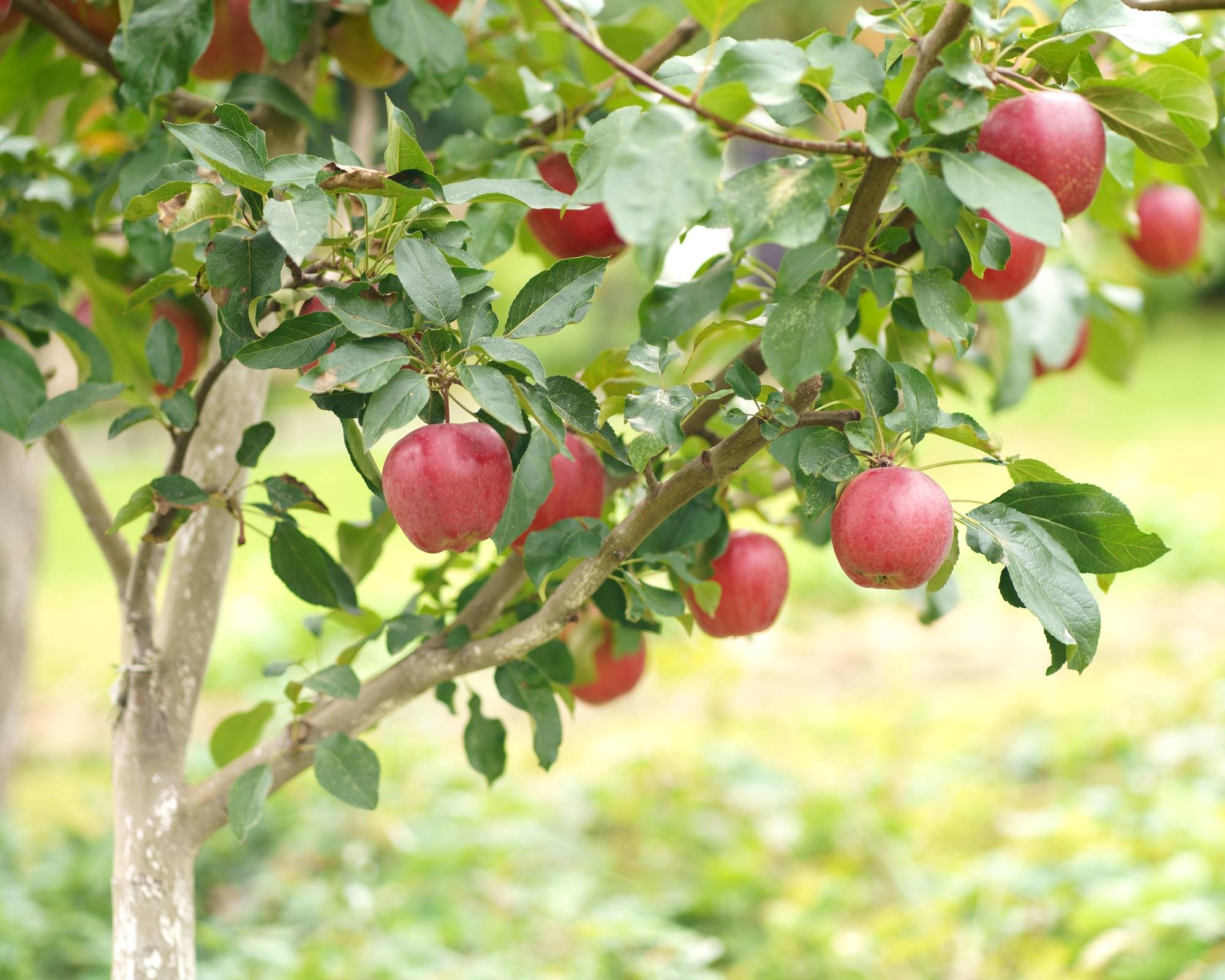
Most apple tree varieties require at least two trees for cross-pollination to produce fruit. However, there are a few types of apple trees that are self-fruiting. Some self-pollinating apples include ‘Golden Delicious’ and ‘Jonathan’, but one of the most delicious varieties is ‘Jonagold’.
Jonagolds are sweet and juicy, perfect for eating, baking, or turning into cider. These apples ripen in mid to late fall and are an orchard classic because of their reliable harvests and crowd-pleasing sweet-tart flavor. They’re hardy in USDA growing zones 5-8. You can buy a high-quality Jonagold tree online from Trees.com.