
By Jennifer Poindexter
Allium vegetables have been around for centuries. They’re common around most home kitchens and are known for adding delicious flavors to some of our favorite meals.
If you’re considering adding more allium vegetables to your home garden, you’re in the right place. I’m going to walk you through what some of your options are and the growing conditions needed to help the crops thrive.
Also, I’ll fill you in on some of the benefits and concerns of allium vegetables. These unique crops could become some of your easiest and most loved options in your garden.
Here’s a few allium vegetables you should consider growing in your garden:
Benefits and Concerns of Allium Vegetables
The term allium is Latin. It means garlic. Therefore, it should come as no surprise that garlic belongs in this category of crop.
However, there are many other vegetables which belong in this category as well. Before we dive into the specifics, let’s discuss why some people love alliums.
These vegetables are thought to have antiviral, antibacterial, and antioxidant properties. The downside to this type of vegetable is that it can be extremely toxic to certain pets, dogs especially.
Keep these things in mind. They may help encourage you to consume more of these crops, but also keep you aware that just because these vegetables are good for you, they may not be good for your four-legged companions.
Now that you know a little more about the benefits and concerns of alliums, let’s talk about what your options look like for your vegetable garden.
Allium Vegetables You Should Grow
When you’ve decided to add more alliums to your vegetable garden, you must be aware of specific growing conditions to help each plant thrive.
Here are the allium vegetables, and some helpful growing tips, you should consider when adding these crops to your growing space:

1. Chives
Chives are a beautiful plant that are relatively low-maintenance. These perennial plants produce grass-like foliage and purple blooms when going to seed.
When growing chives, provide a location with full sunlight and nutrient-dense, well-draining soil. You may harvest the foliage periodically throughout the growing season as it will return. The more frequently you harvest, the more you can extend the plant’s growing season.

2. Onions
When growing onions, most people turn to either green onions or bulb-varieties of onions that come in white, yellow, or red options. These types of onions are biennial but most people grow them as an annual.
It’s important to get the growing conditions correct with onions as this can determine the size of your harvest. Onions need full sunlight, plenty of nutrients, and soil that not only drains adequately but is loose enough for large bulbs to form uninhibited.

3. Leeks
Most people think leeks are biennials, but they’re considered perennials. Leeks have longer stalks and sturdy green foliage that make them a great addition to a soup or a side dish. Some people like to grill them and enjoy them by themselves.
No matter how you like to enjoy your leeks, be sure to provide the right growing conditions, so you can have a good-sized harvest. These plants need a growing location with full sunlight and well-draining soil. This allium vegetable also works well using various gardening methods.
4. Walking Onions
Walking onions are one of my favorite alliums. Years ago, when my husband used to work in the satellite TV industry, he had a nice lady share some of these onions with our family. We planted them and enjoyed watching them grow as much as we enjoyed eating them.
Egyptian walking onions are perennials that spread in a way that looks like they’re walking. These onions need full sunlight and loose, well-draining soil. Keep the soil consistently damp without leaving the onions in a soggy state, and as long as you don’t harvest all the onions each year, you should have walking onions in your garden for many years.
5. Garlic
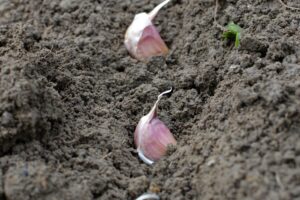
Garlic is a favorite in many kitchens. This small, low-maintenance crop is known for adding big flavors to your food. Most people grow garlic as an annual, but it’s technically a perennial plant.
When growing garlic be sure to supply a growing location with ample sunlight and nutrient-rich, well-draining soil. For the most part, when you plant garlic, it doesn’t need much attention until harvested the following season.
6. Scallions
Scallions are another allium that can be grown as a perennial in planting zones five through nine. Plus, these vegetables can be grown from their leftover scraps by rooting them in water. It takes only a few days.
This means, you can have an abundance of scallions in your garden at little to no cost to you after the initial planting. If you’re interested in adding scallions to your home garden, be sure to supply a growing area with at least six hours of sunlight and soil that drains well and is rich in nutrients.

7. Shallots
Shallots are another perennial plant which are typically grown as annuals. This is another allium vegetable which is frequently enjoyed by itself or served with other vegetables in a variety of side dishes.
When you grow shallots, it’s vital to provide this plant with what it needs for success. Shallots grow best in full to partial sunlight and in well-draining soil.
8. Scapes
This is an allium option you may have seen but never been aware of its purpose or even what it’s called. A scape is the first offshoot from a garlic plant. These shoots will form bulbs which will become garlic in approximately four years.
However, if harvested when young, you may enjoy them as you would a chive. Scapes aren’t usually grown on purpose, but if you see your garlic plants begin to produce them, go ahead and harvest them for your enjoyment.
9. Elephant Garlic
Elephant garlic is a unique allium. Though many people think it’s a type of garlic (due to its name), this plant is related to the leek.
Therefore, elephant garlic is a perennial crop that grows best in full sunlight and well-draining soil that’s high in nutrients.
10. Kurrat
Kurrat is also commonly known as the Egyptian leek or a salad leek. This plant is a perennial and is mainly grown for the foliage it produces.
When growing kurrat, select a growing location with full sunlight and rich, well-draining soil. This could make a wonderful addition to a traditional salad.

11. Ramps
Ramps are one of the less commonly known allium plants. They resemble a fragile scallion and are commonly called wild leeks or spring onions, though they aren’t a leek or an onion.
If you’re interested in growing this unique crop, be sure to supply a growing location with mostly shade and nutrient-dense soil that’s evenly damp. You may also (carefully) harvest this crop in the wild as it typically grows beneath beech, birch, or poplar trees.
You now have eleven different options for allium vegetables you may add to your garden. These crops share similar growing conditions.
However, be mindful of whether the crop is an annual or perennial as this will help you determine the best garden plot for the plant to grow. Utilize these tips to add more allium crops to your home garden.
Learn More About Allium Vegetables
https://hort.extension.wisc.edu/articles/garlic-allium-sativum/
https://hgic.clemson.edu/factsheet/onion-leek-shallot-garlic/
The post 11 Allium Vegetables You Should Grow This Season appeared first on Gardening Channel.