It’s not uncommon for homeowners to set a mowing schedule for summer and stick with it, rain or shine. The truth is that your grass rarely adheres to a strict routine. Sometimes it needs more frequent cutting and other times less.
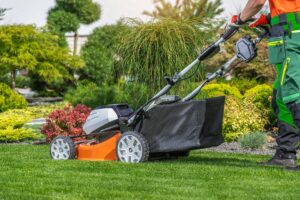
How often you should mow your lawn depends on factors like weather, rainfall, grass type, and growth rate. In general, while you might need to mow less often in August than you did in July, you shouldn’t totally stop cutting it yet. Thoughtful mowing now can reduce stress on the turf and prepare it to wind down and go dormant in fall while remaining healthy.
Here’s everything you need to know about mowing your lawn in August to keep it looking lush and green until the first frost.
How Often Should You Mow in August?
Too many people make the mistake of always mowing on a schedule without considering if the grass actually needs a cut. Several factors influence when grass needs cutting, but the primary consideration is how it’s growing. Grass that is growing fast needs to be trimmed more often than slow-growing grass.
The rate at which your grass grows can vary by season and with weather conditions. In many places, August weather is hot and dry, which means turf growth is likely slow and your mowing frequency should slow down accordingly.
Repeatedly cutting slow-growing grass, especially in hot and dry conditions, can put undue stress on turf grass. August mowing should be responsive and based on what the lawn needs, rather than automatic and rigidly scheduled.
Finding the Right Balance
There are certain times of year, usually in late spring and early summer, when mowing the lawn becomes fairly automatic. Temperatures are steady, and rainfall is regular, so your grass keeps growing and requires cutting.
In August, it can be harder to strike a balance between cutting too often and not often enough. Cutting too often in dry, hot weather can cause several issues:
- It compounds the stress the turf is already experiencing due to weather conditions.
- Keeping the grass too short reduces its ability to gather energy through photosynthesis and can weaken it as a result.
- Cutting too much of your grass at once can weaken it and make it more vulnerable to disease and pests.
- Short grass also allows more weeds to take hold.
- The additional stress of cutting the grass too much now can interfere with the recovery and active growth that healthy grass goes through in early fall.
Cutting too often and too short is a bigger potential issue in August than letting grass get overgrown. However, you can go too far in the other direction. Tall, overgrown grass blocks sunlight and airflow, trapping moisture and increasing the risk of fungal lawn diseases. Tall grass also attracts pests.
If you cut your grass too infrequently, it will start putting energy into seedheads. You want its energy to go into growing strong roots for fall and winter dormancy.
Rule of Thumb for August Mowing
So, what does this all mean for when and how often you should mow in August? Unfortunately, there is no universal schedule. It’s all about watching your lawn and deciding what it needs.
If rainfall is regular and temperatures moderate, you may need to keep mowing once a week through August and even into September. If you are experiencing hot and dry conditions, you might only need to mow every two weeks.
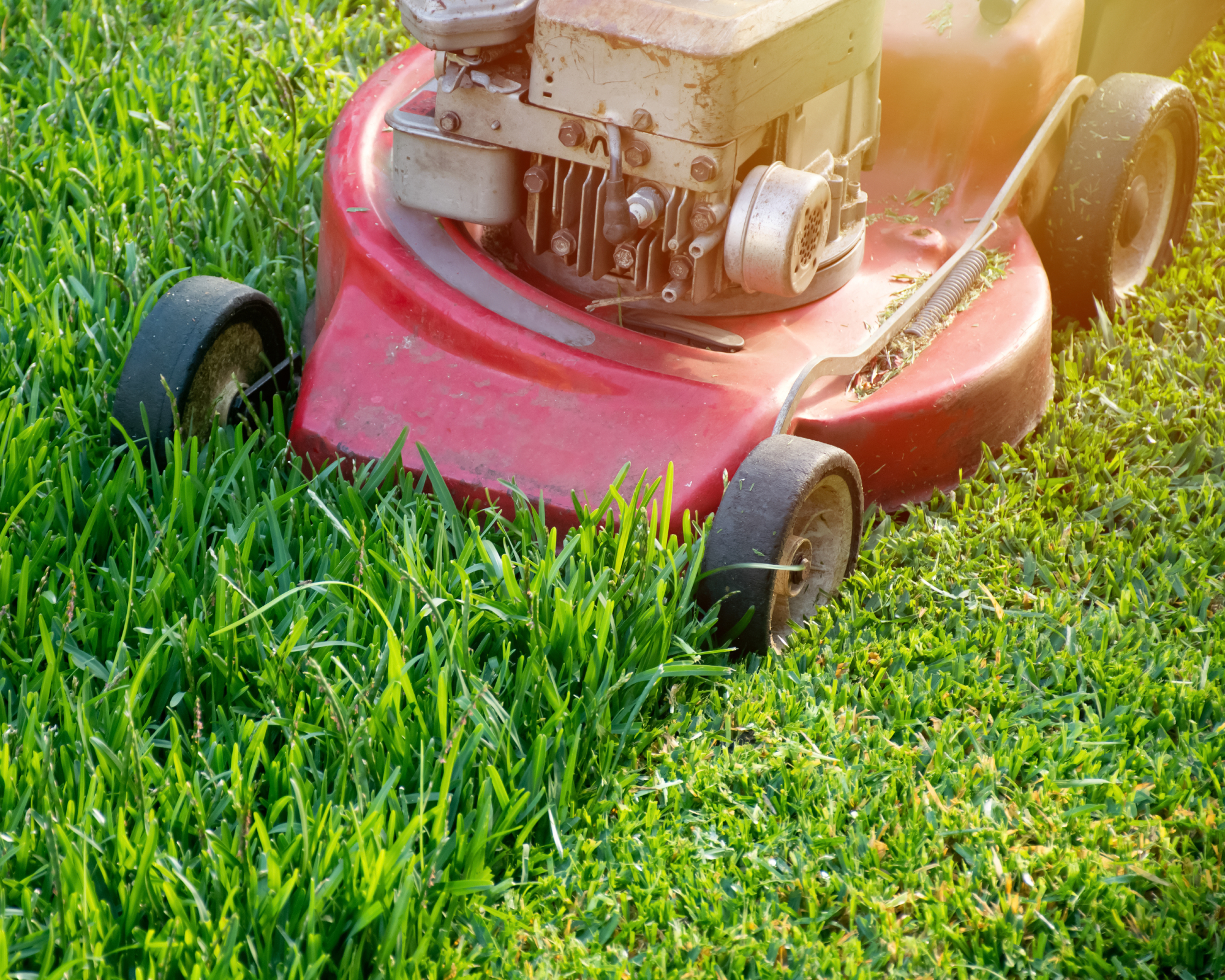
The best general rule of thumb for deciding when to mow your lawn is the one-third rule: Never remove more than one-third of the grass height in a single mowing session. So, if your lawn hasn’t grown enough to require removing one-third or less of the blade, it’s not time to mow yet.
Factors That Affect Mowing Frequency
Checking the height of your grass and using the one-third rule is the best way to decide when to cut the grass. It also helps to understand all of the factors that affect the turf’s growth and mowing frequency:
- Type of Grass. Cool-season grasses tend to slow their growth in hot August weather, while warm-season grasses grow more vigorously and need more mowing.
- Rainfall & Irrigation. Water is a huge factor. If it isn’t raining and you aren’t watering your lawn, the grass probably isn’t growing much. Drought can really stress a lawn, so avoid mowing until rain returns or you’re able to water the grass.
- Temperature. Extremely hot temperatures cause cool-season grasses to slow down or even go dormant. Slow or stop mowing until temperatures cool off again.
- Lawn Conditions. Soil type, soil compaction, shade, and other localized conditions affect grass growth. If you have varied conditions across the lawn, you might need to mow some areas more frequently than others.
As your grass prepares for fall and winter dormancy, how and when you mow becomes more important. In general, at this time of year, it’s best to keep the grass a little taller, so consider lifting your mower blades.
Those blades should be sharp, too. Check them and sharpen lawn mower blades if they’ve become dulled after a summer of frequent mowing. This simple blade sharpening and balancing kit from Home Depot makes it easy. Adjust your mowing schedules as needed based on weather and growth.
You want your lawn to be healthy with minimal stress leading into fall. Proper mowing helps maintain a dense, resilient lawn that can better compete with weeds and recover from summer stress. So avoid mowing on autopilot and be more thoughtful as you plan your late summer lawn care.