
Whether you have cats, dogs, rabbits or guinea pigs, a pet’s freedom to roam, rest and play safely and happily in the garden – or at least an allocated part of it – is something to always consider when choosing plants.
This is a guide to some of the plants you shouldn’t grow in your garden (See pet-friendly plants to grow for a list of plants you should grow for your pets). Remember that, whatever you grow, you’ll still need to keep an eye on your pets. If you have any doubts about anything in your garden and how your pet may react to it, don’t hesitate to ask a vet.
More pet-friendly gardening advice:
- How to create a cat-friendly garden
- 12 tips for a dog-friendly garden
- How to deter cats from your garden
- Pet-friendly weed killers
Discover more about pet-friendly plants to grow, below.
Plants to avoid
It always pays to check which plants are in your garden before introducing a new pet. If in doubt, get help identifying plants or consult your vet about the risks. Wild animals and pets tend to be a lot more sensible than humans about what they eat, but they may give plants an exploratory chew, especially if they’re young or bored, or just plain inquisitive. Sometimes they’ll brush up against a toxic plant, then ingest poison when they groom themselves.
This is not an exhaustive list, so it is very important not to assume that anything not mentioned is ok. Symptoms and susceptibility vary enormously and may not always be obvious. Rabbits and rodents can’t vomit, so they won’t show this as a symptom.
Azaleas and rhododendrons

Plant part: All parts are toxic.
Symptoms: Symptoms vary with each animal, but may include vomiting, diarrhoea, blindness, coma or even death.
Bad for: Cats, dogs, rabbits and guinea pigs.
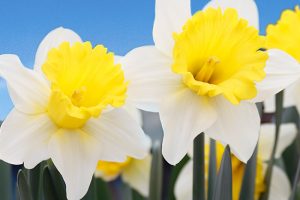
Bulbs

Plant part: All parts of all plants grown from bulbs can be toxic.
Symptoms: Can cause a wide range of symptoms including respiratory ailments and kidney failure. Some may be fatal.
Bad for: Cats, dogs, rabbits and guinea pigs.
Castor oil plant (Ricinus communis)

Plant part: The seeds are particularly toxic.
Symptoms: Burning of the mouth, kidney failure, diarrhoea, convulsions. May prove fatal.
Bad for: Cats, dogs, rabbits and guinea pigs.
Daphne

Plant part: All parts can be poisonous, the berries are particularly toxic.
Symptoms: Stomach upset, kidney damage, dermatitis.
Bad for: Cats and dogs.
Delphiniums

Plant part: All parts have mild to moderate toxicity.
Symptoms: Paralysis, convulsions, drooling, cardiac failure. Can be fatal.
Bad for: Cats, dogs, rabbits and guinea pigs.
Foxgloves (Digitalis species)

Plant part: All parts are toxic.
Symptoms: Nausea, vomiting, cardiac problems, kidney damage. Can be fatal.
Bad for: Cats, dogs, rabbits and guinea pigs.
Hellebores (Helleborus species)

Plant part: All parts are toxic.
Symptoms: Drooling, abdominal pain, diarrhoea, skin irritation.
Bad for: Cats, dogs, rabbits and guinea pigs.
Ivy (Hedera species)

Plant part: The foliage is particularly toxic.
Symptoms: Serious stomach upset. Can be fatal.
Bad for: Cats, dogs, rabbits and guinea pigs.
Lilies

Plant part: All parts have moderate to severe toxicity, especially to cats.
Symptoms: Drooling, vomiting, abdominal pain, drop in blood pressure, respiratory problems, kidney damage.
Bad for: Cats, dogs, rabbits and guinea pigs.
Lily of the valley (Convallaria majalis)

Plant part: All parts have moderate to severe toxicity.
Symptoms: Stomach upset, nausea, vomiting.
Bad for: Dogs, rabbits and guinea pigs.
Monkshood (Aconitum napellus)

Plant part: All parts of monkshood can be toxic.
Symptoms: Nausea, vomiting, seizures, skin irritation, increased heart rate. May be fatal.
Bad for: Cats, dogs, rabbits and guinea pigs.
Morning glory (Ipomoea)

Plant part: The seeds are toxic when ingested in large amounts.
Symptoms: Disorientation, tremors, vomiting and/or diarrhoea.
Bad for: Cats, dogs, rabbits and guinea pigs.
Wisteria

Plant part: Especially pods and seeds.
Symptoms: Nausea, vomiting, diarrhoea, stomach cramps, dehydration, collapse.
Bad for: Cats, dogs, rabbits and guinea pigs.
Yew (Taxus species)

Plant part: All parts can be fatal.
Symptoms: Drooling, vomiting, weakness, respiratory problems, muscular tremors, cardiac arrest.
Bad for: Cats, dogs, rabbits and guinea pigs.