What do roses need in November? As the wife of a professional gardener, I’ve learned that there are just three things these beloved flowers crave from us.
Now, my husband has spent more than 20 years caring for gardens, and he has always had roses (more specifically, hybrid roses) on his unofficial list of plants that he will never let me buy, no matter how much I might beg and plead with him over the matter. That’s not to say, though, that he doesn’t know how to care for them; he has looked after plenty of these thorny flowers over the past two decades.
So, if you want to keep your own blooming beauties safe during extreme low temperatures and even occasional thaws, look this way…
3 Things All Roses Need In November
I love my roses to bits (because yes, I still have a few in my garden – I’ve just made sure to stick to tougher, more wildlife-friendly roses like Rosa rugosa), but every winter I turn to my husband with wide and pleading eyes whenever the forecast starts muttering about “the big freeze”.
Thankfully, his advice is always the same (and always so calmly delivered), and it all hinges on three easy tasks…
1. Shorten Tall Rose Canes
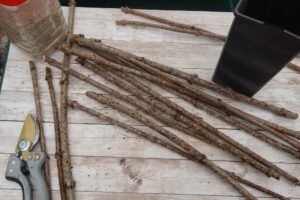
My husband’s first tip for prepping roses in November is simple enough: look for tall and unruly rose canes. While he never gives his roses a major pruning in November, he does shorten any excessively long growth that could be whipped around by strong winter winds.
“High wind can catch tall growth, violently rocking the plant back and forth in the ground,” he explains. “This loosens and tears the root system, often creating a gap at the base where water can pool, freeze, and rot the roots.”
Just remember that this is a protective trim, not an opportunity to reshape the entire bush. Save your main structural pruning for late winter or early spring, when the worst of the cold weather has passed.
Shop Pruning Essentials:
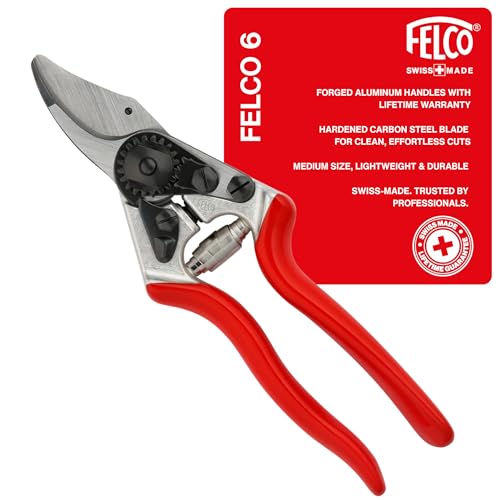 Our Top-Rated Pruners
 Keep Blades Sharp
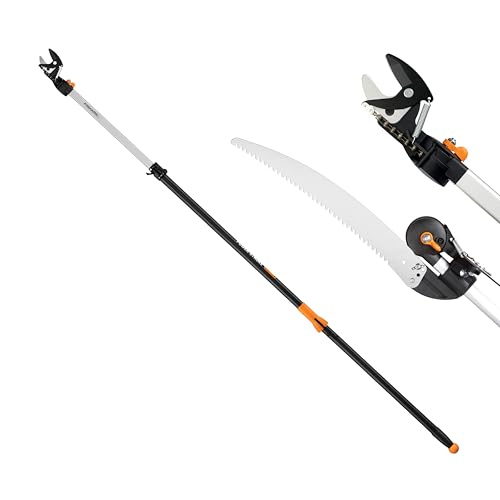 Long Reach
2. Remove Fallen Leaves

“Don’t leave that mess sitting around the bottom of your roses. You’ll only regret it come spring.” This is one adage my husband is particularly strict about, and he always works to remove fallen leaves from around the base of every rose in November – and picks off any diseased foliage still clinging to the stems, too.
The reason? Fungal diseases such as black spot, rust, and powdery mildew can survive on infected plant material, potentially causing problems when warmer, wetter weather returns. “It’s much easier to clean it up now than deal with another outbreak next year,” he says.
As ever, he’s right (although don’t tell him I said so). Removing infected foliage and disposing of it appropriately helps reduce the amount of disease-carrying material left around the plants over winter.
3, Mulch, Mulch, Mulch!
“Mulch is your best friend in winter. Never underestimate it.”
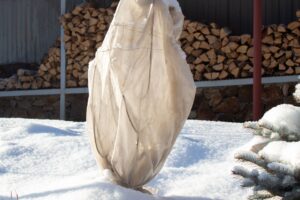
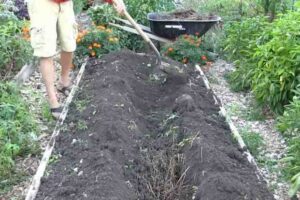
I know I’ve heard this a thousand times, but my husband really does swear by it. In colder regions, he recommends making like Martha Stewart when it comes to winterizing roses in November: think mounding mulch around the base of vulnerable roses to protect the crown and graft union from freezing temperatures.
Repeated freezing and thawing can damage exposed roots and even push plants out of the ground. A protective mound, though? Why, that helps insulate these vulnerable areas against temperature fluctuations.
“Just make sure you’re protecting the important bit,” he tells me. “And don’t assume every rose needs the same treatment.”
Shop Rose Winterizing Essentials:


And… well, that’s it! “People think roses are difficult,” my husband often says, “but most problems start when you don’t give them the attention they need.”
Honestly, after watching him care for roses year after year? I have to agree. A few simple jobs in November can make all the difference when those first spring shoots appear… even if that just looks like treating yourself to a few new bare root plants and getting them in the ground.
Hey, you deserve a garden full of roses – even if I’m not allowed!