Have you ever cleaned your house so thoroughly that you tossed out important papers or other things you need? Well, the same can be true in the garden. A tidy garden isn’t necessarily a healthier garden, and some common fall cleanup habits can actually compromise next year’s flowers.
Yes, fall cleanup is as important as spring cleanup, but there is more room for error. At this point, plants have buds or seeds that will turn into flowers in springtime. The foliage is still storing energy to keep the plants alive through winter. Prune wrong – or make any of a dozen wrong garden moves – and you’ve set up problems for yourself and your plants.
So which autumn cleanup tasks are actually bad for your garden? I’m here to help you avoid the fall missteps that will keep you from getting a spectacular display come spring. Here are the key fall garden mistakes to watch out for – and what you should do instead.
1. Pruning Spring-Flowering Shrubs

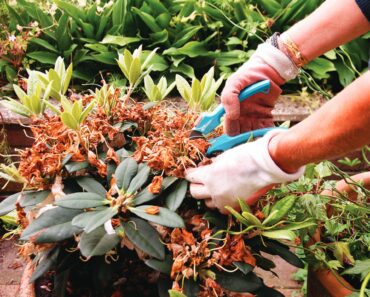
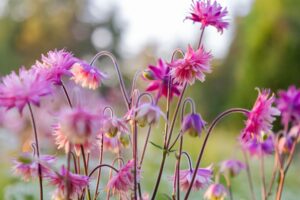
Most spring-blooming shrubs bud on old wood. These include some of your favorite perennials, such as azaleas, lilacs, forsythia, and magnolias. If you go wild pruning in fall and chop these shrubs too, you’ll cut off next spring’s flower buds.
This doesn’t kill the plant, of course. The shrub will still grow healthy green leaves, but you will get very few or no blossoms when spring arrives. You’ll have to wait another 12 months to see most of those flowers.
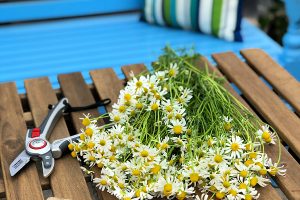
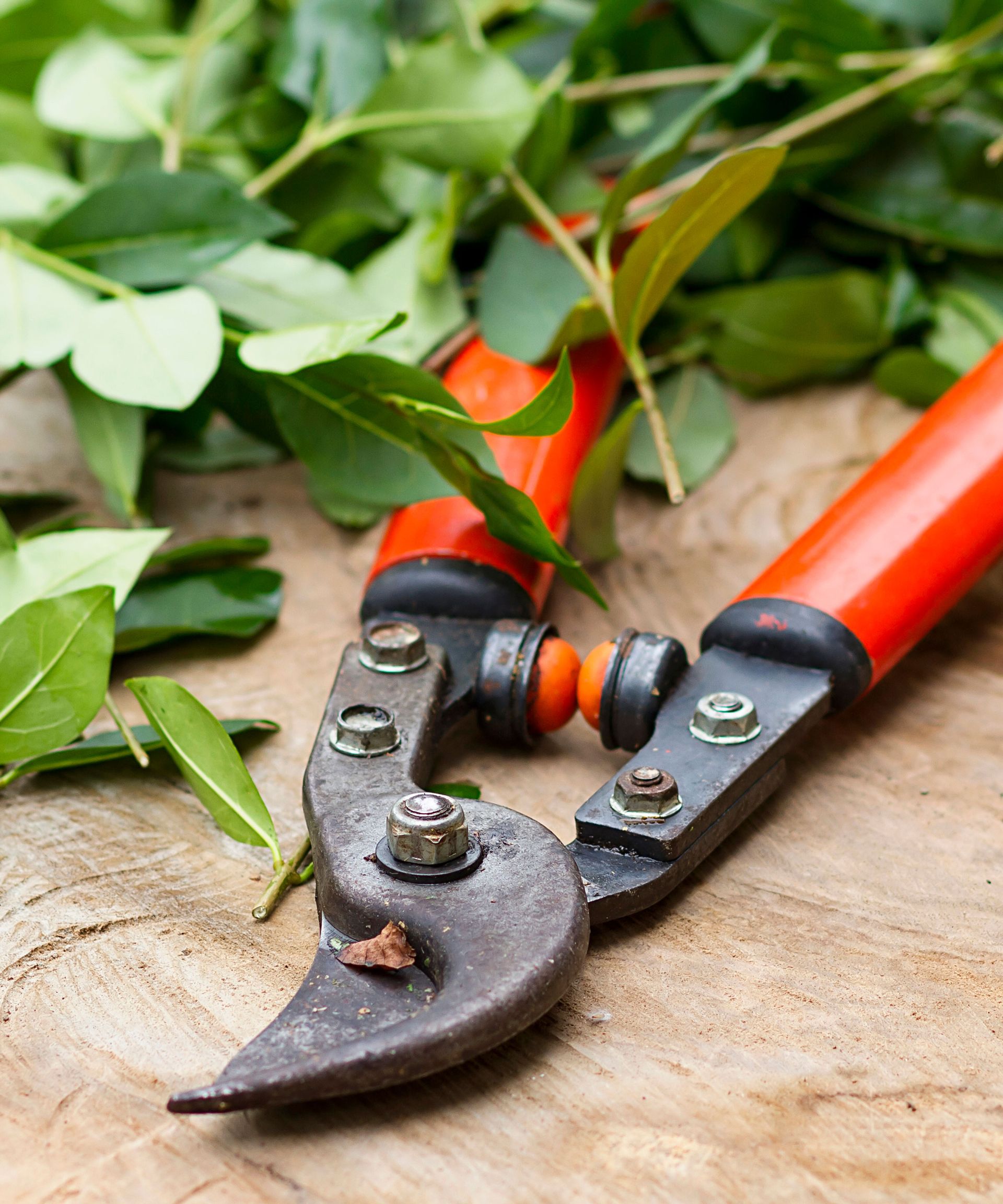
Instead, prune spring-flowering shrubs that bloom on old wood immediately after the flowers fade. This allows them plenty of time to develop buds that will fill your garden in spring. For clean cuts on woody stems, use a sharp pair of bypass pruners, such as the Felco 8 pruning shears, which can cut branches up to 1 inch (2.5 cm) thick.
2. Cutting Back Bulb Foliage Before It Dies Naturally
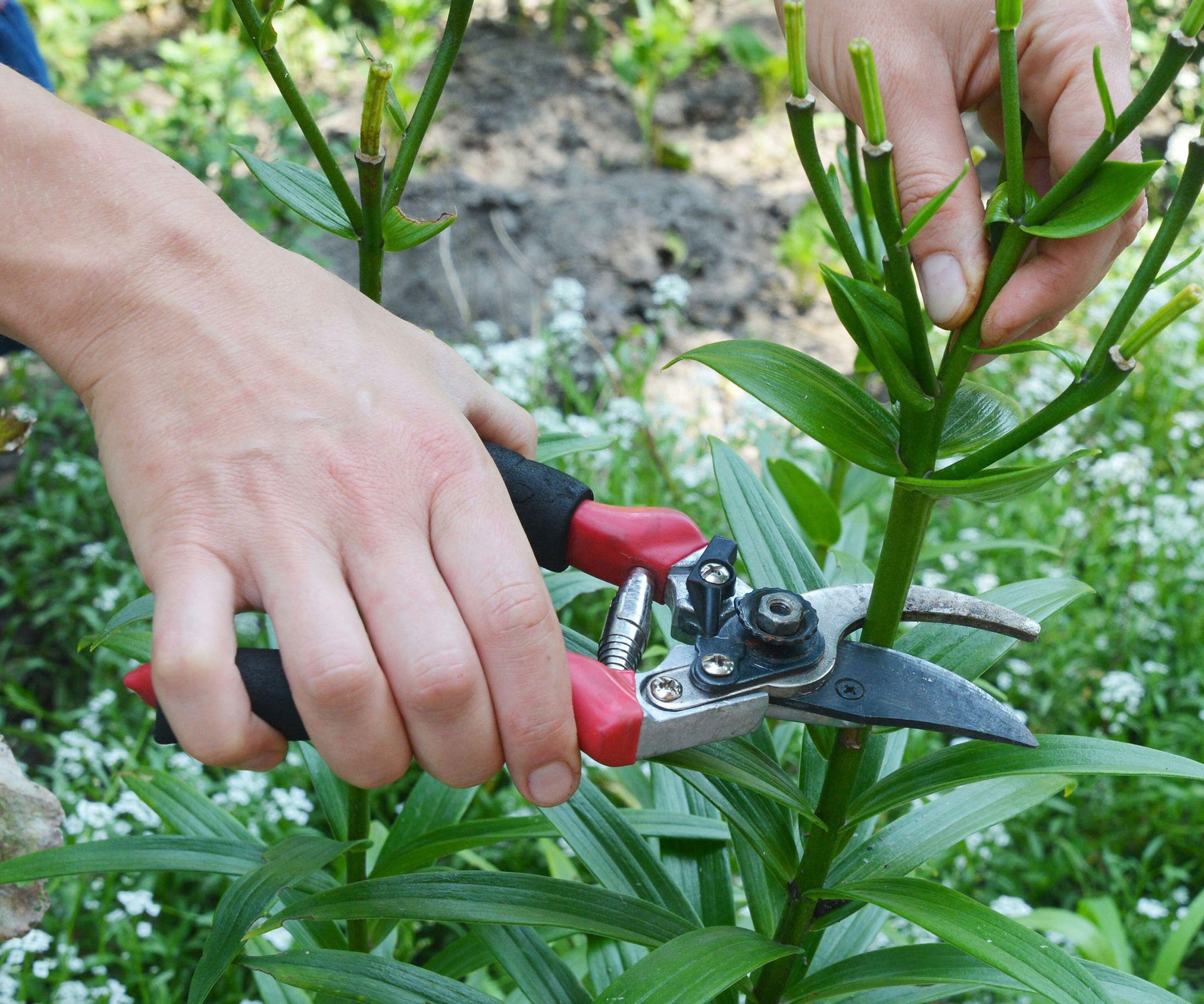
Summer-flowering bulbs, corms, and rhizomes use their green foliage to make food and store energy for their next flowering cycle. If you cut back the leaves of summer-flowering plants such as lilies, gladiolus, cannas, and crocosmia too early in fall, you risk depriving them of the energy they need. As a result, they may produce fewer flowers next year, or even fail to bloom altogether.
Fortunately, this mistake isn’t usually fatal, but it can weaken plants and affect their flowering performance. Instead, leave the foliage in place for as long as it’s green and healthy, then cut it back once it naturally yellows and dies. However, frost-tender plants such as gladiolus and cannas may need to be lifted after frost damages their foliage, rather than waiting for it to die back naturally.
Tender plants such as dahlias are a little different – wait until the first frost blackens their foliage before cutting back the stems and lifting the tubers for winter storage, where necessary. Don’t leave the tubers in freezing or waterlogged soil for too long, though, as they can rot.
Once lifted, store bulbs, corms, and tubers in a cool, frost-free location. Ventilated storage crates, such as these stackable, collapsible crates from CleverMade, are ideal for keeping different varieties organized while allowing air to circulate. Gladiolus corms can be stored dry after curing, while dahlias and cannas benefit from being packed in a suitable material, such as vermiculite (available on Amazon), to prevent them from drying out.
3. Removing Plants and Leaves That Wildlife Depend On
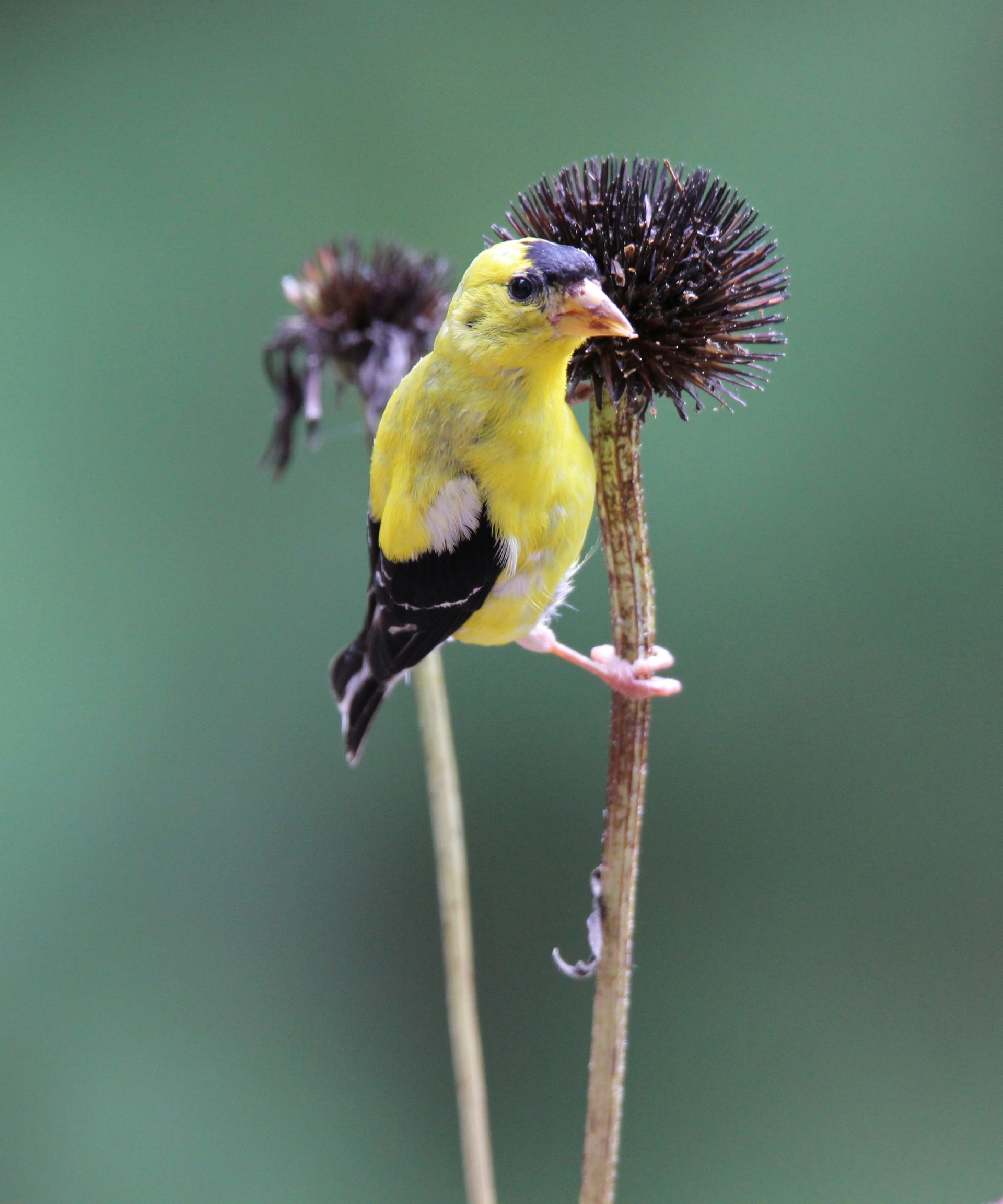
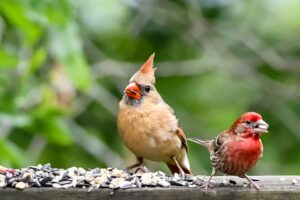
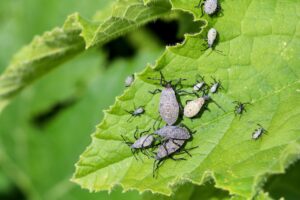
A thorough fall cleanup might leave your garden looking neat and tidy, but it can also strip away valuable food and shelter for wildlife. Many perennials produce seed heads that feed birds through the colder months, while their hollow stems and dead foliage provide overwintering habitat for beneficial insects. Cutting everything back in fall can leave these creatures with fewer places to shelter when they need them most.
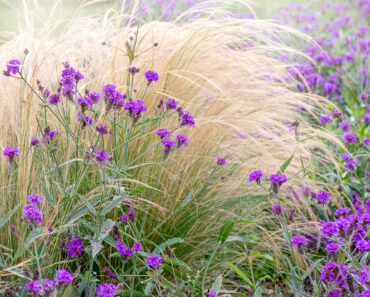
Instead, leave plants such as coneflowers, black-eyed Susans, asters, and ornamental grasses standing through winter. Their seed heads provide food for finches and other backyard birds. If your garden is short on birdseed-bearing plants, you can supplement this natural food supply with a nyjer seed feeder, like this easy-clean feeder on Amazon, which is particularly attractive to goldfinches.
Standing stems can also offer nesting habitat for native bees in the following growing season. Wait until spring to tackle the cleanup, and even then, consider leaving some hollow or pithy stems standing at a height of 8–24 inches (20–60 cm). Cutting the stems creates openings that certain native bees can use for nesting, often in the following year. It’s also worth leaving some fallen leaves in garden beds, as these provide overwintering shelter for butterflies, moths, and other beneficial insects. However, you should still remove diseased foliage to prevent problems from spreading next year.
4. Digging or Cultivating Beds Too Aggressively
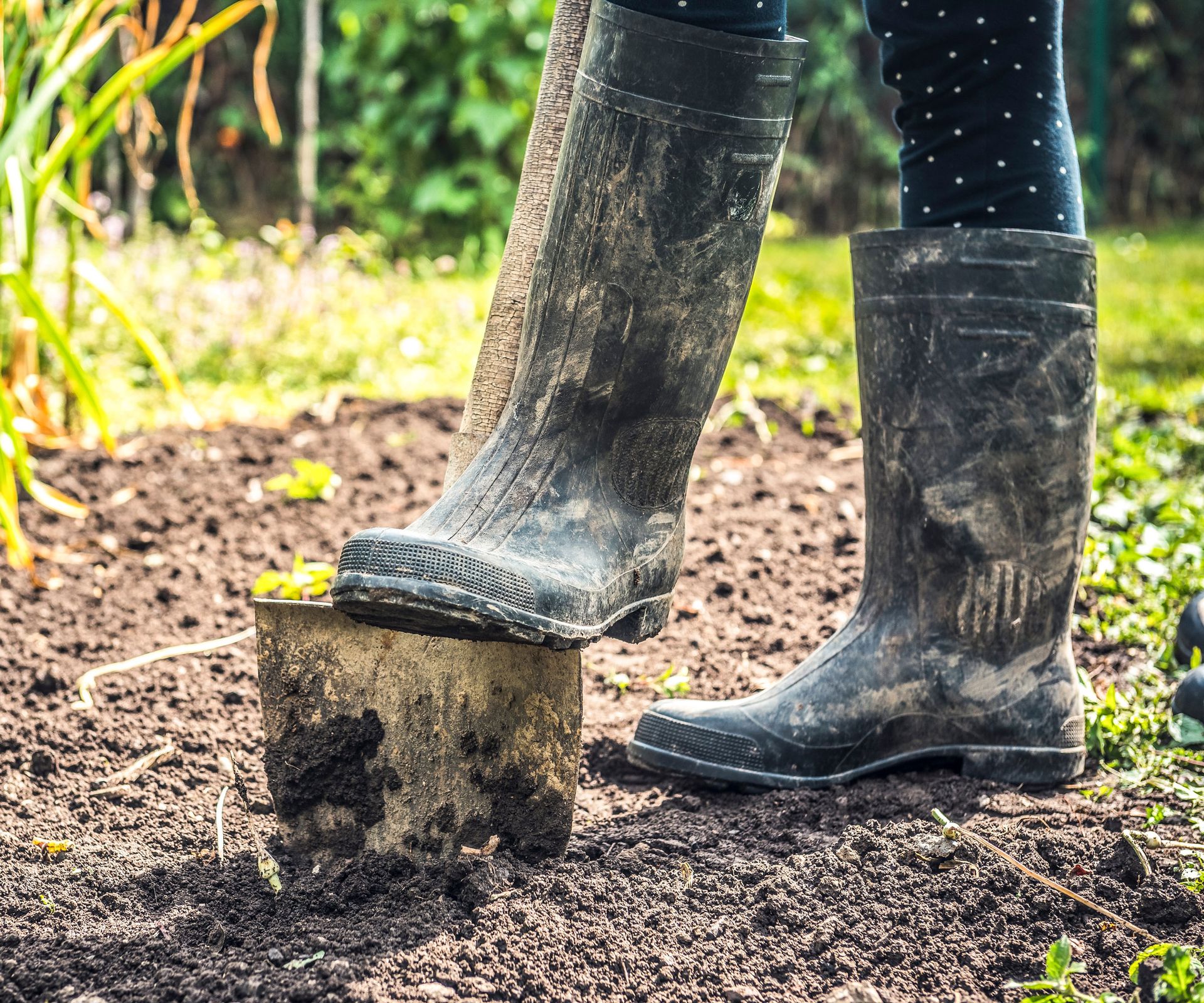
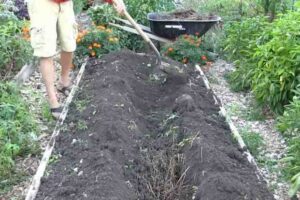
Soil structure is important. If, in a flurry of fall cleaning, you dig or cultivate your garden beds too aggressively, you are actually destroying that natural soil structure. More specifically, that type of aggressive digging disrupts the habitats of beneficial earthworms and microbes. It also damages the delicate fungal networks that nurture the plant roots.
But that’s not all. When you do a lot of heavy tilling, you also run the risk of bringing up weed seeds into the upper soil, where they have a wonderful time filling your empty garden beds. Over time, repeated tilling can also break down the soil’s natural structure, making it more prone to compaction, especially if you work the soil when it’s wet.
Instead, choose a gentler alternative. You might layer on compost or straw right on top of the soil, allowing worms to do the work for you as they pull down food. Alternatively, install deep-rooted cover crops (like Tin Shed Seed Company’s No Till Cover Crop Mix) or just loosen soil with a garden fork. Push it straight down, then just wiggle it a little.
5. Smothering Plant Crowns with Mulch
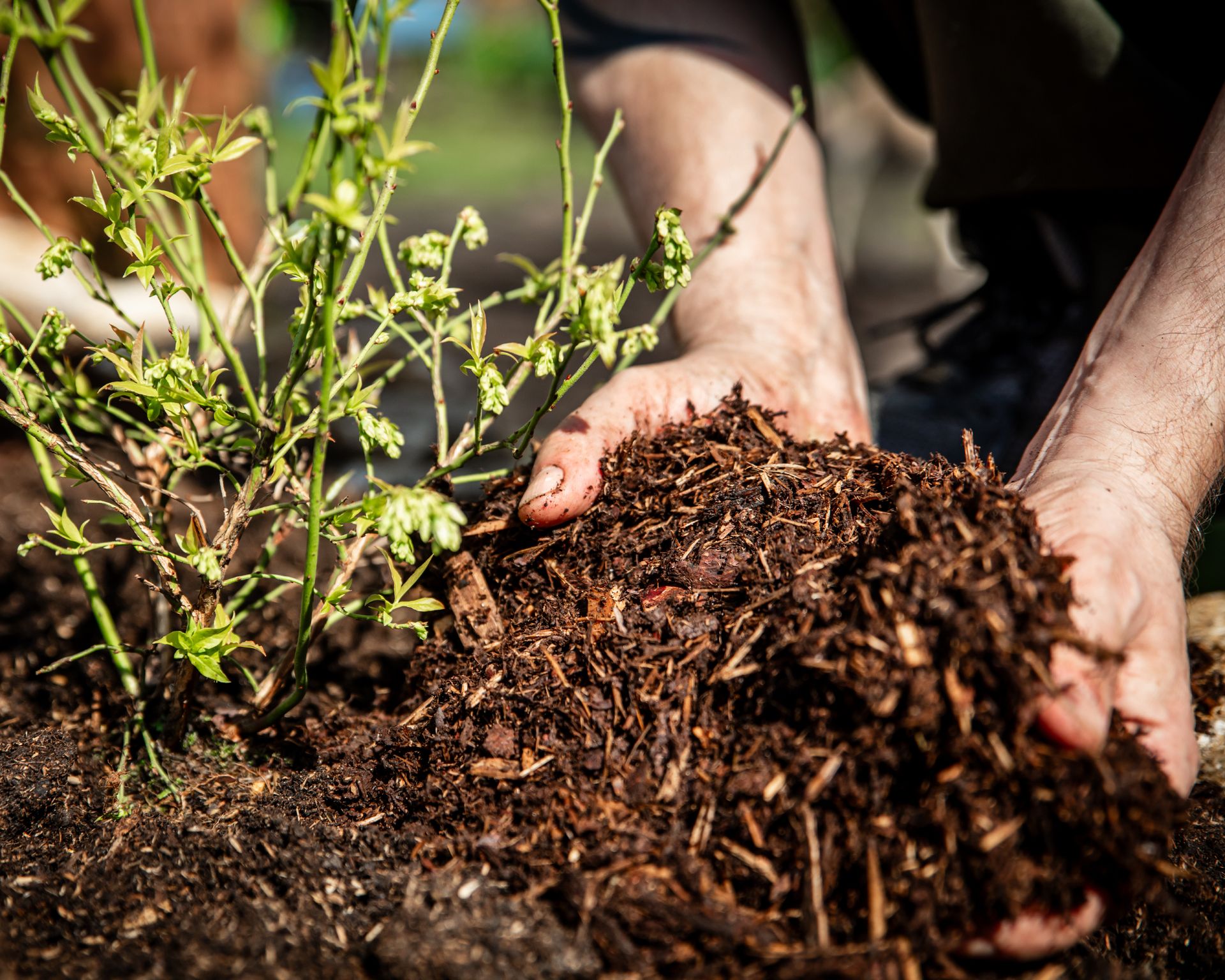
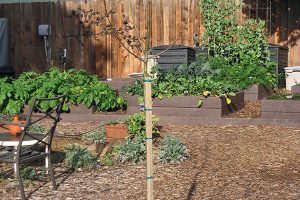
The very word “smothering” should give you pause. If you pile on so much mulch that it smothers the plant crowns, it blocks sunlight, traps excess moisture, and keeps oxygen out of the roots. These conditions can lead to stem rot, fungal diseases, and plant death.
Instead, apply several inches of mulch (no more than 2 inches) to regulate soil temperature. Keep the mulch about 3 inches (7.5 cm) away from plant crowns. For that matter, keep it away from trunks too. A small hand rake, like this Ames one from Home Depot, makes it easy to redistribute mulch that’s piled up too close to stems without disturbing the plants.
6. Leaving Diseased Foliage Around Vulnerable Plants
You may have heard that healthy leaf litter can decompose over time, providing nutrients for the soil. It can also shelter wildlife.
But leaving diseased foliage provides a reservoir for problems – like bacteria, pests, and fungal spores. If that happens near vulnerable plants, rain or wind can splash these pathogens onto healthy new growth. That means that the garden can be reinfected with powdery mildew and black spot.
Instead, clear fallen foliage from vulnerable plants (like roses) in fall, but dispose of it properly. Never put it in the compost; instead, bag it and put it in the garbage – these Kraft Lawn and Leaf Bags will decompose with garden waste. Then, lay down clean mulch.
7. Forgetting to Protect Tender Flowering Plants
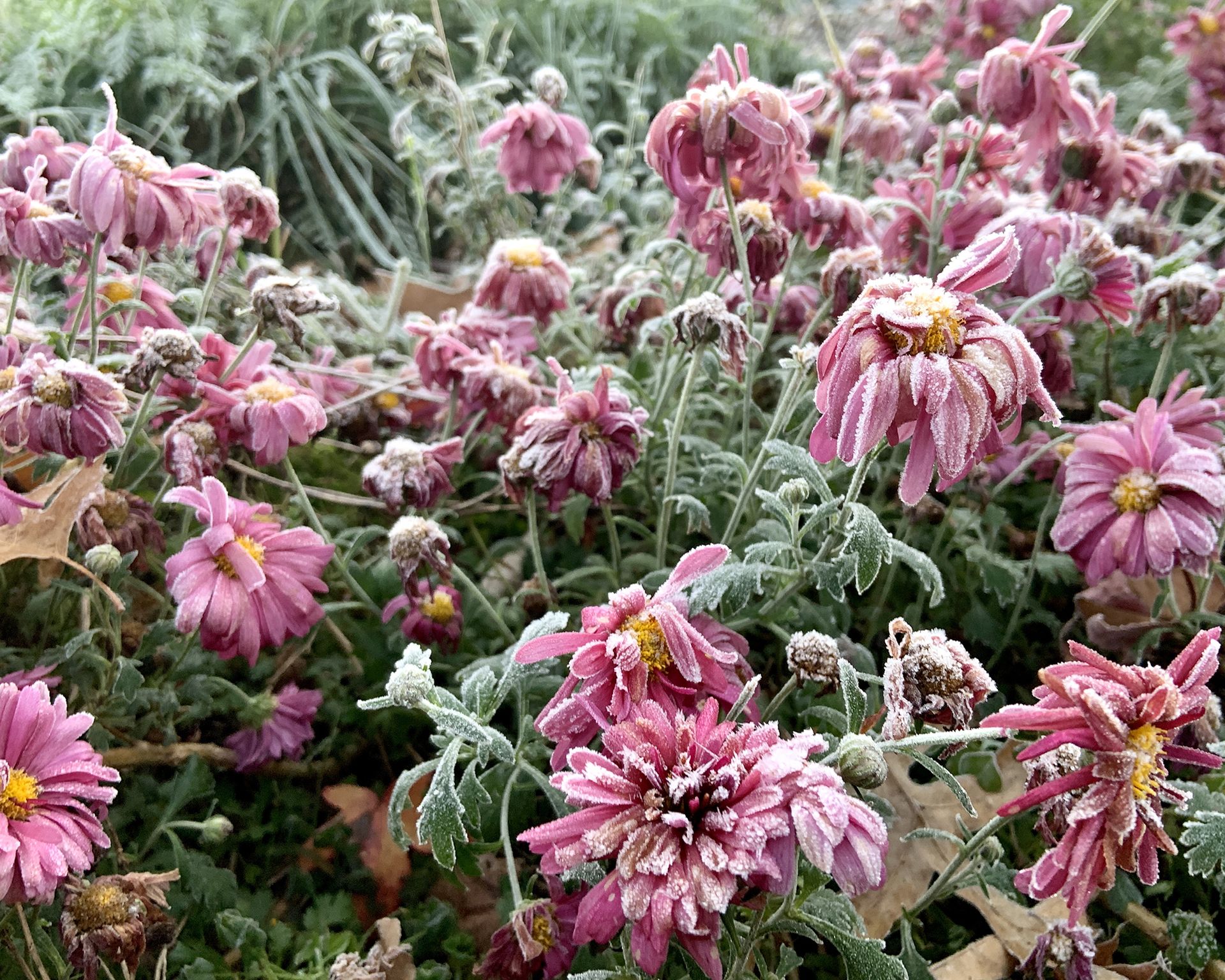
With so many fall garden jobs competing for your attention, it’s easy to overlook tender flowering plants that need protection before winter arrives. Dahlias, fuchsias, and tuberous begonias are all vulnerable to freezing temperatures, and forgetting about them until the first cold snap can put next year’s flowers at risk.
If frost has already struck, don’t panic. A little damage doesn’t necessarily mean the whole plant is lost. However, the next step depends on what you’re growing. Dahlias can be left until the first frost blackens their foliage, then cut back and lifted for winter storage in colder climates.
With other tender perennials, avoid rushing to prune away frost-damaged growth, as leaving it in place temporarily can offer some protection to the stems and crown. Instead, move containers somewhere sheltered or use frost cloth to protect plants from further cold. If you’re using plastic covers, keep them from touching the foliage and remove them once temperatures rise to prevent overheating.
Winter Plant Protection Essentials
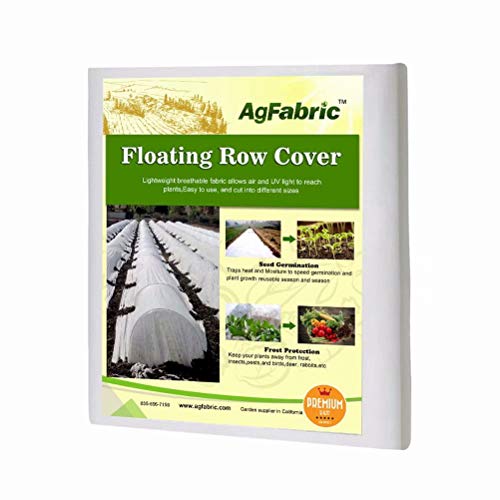 Add a Blanket
This versatile plant cover is ideally used for protecting crops from frost and pests, but can also be used for other plants.
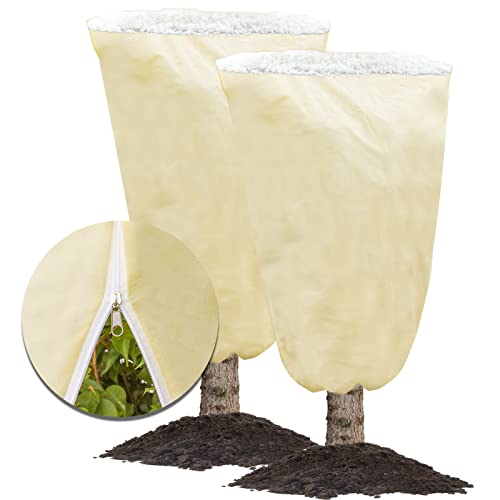 Put on a Jacket
These zip-up plant jackets protect shrubs and small trees from frost and feature drawstrings for a secure fit.
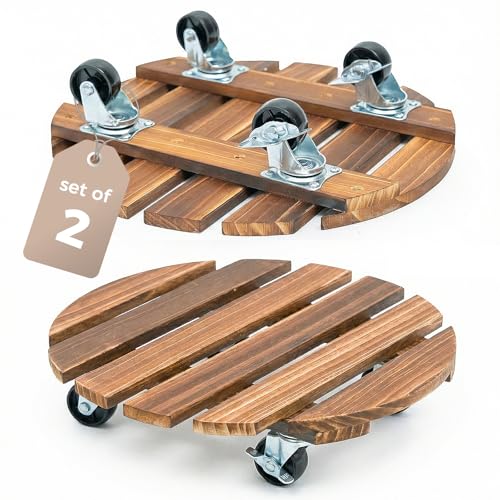 Move Undercover
These heavy-duty planter dollies make it easy to move large pots indoors or to sheltered outdoor areas.
The best rule for fall cleanup is to keep it selective. Stripping garden beds bare is thorough – but very short sighted. So hold onto the reins before letting the autumn garden tidying run away with you.
As a final reminder, be sure to leave some seed heads and stems standing. They can make the landscape more interesting in winter, while providing food for birds and shelter for beneficial insects. It makes your garden more eco-friendly and welcoming.