October is a good time to shift geranium care from promoting summer growth to preparing for cooler weather. Depending on where you garden, your geraniums may still be blooming heavily, but eventually these tender flowers will face winter, and you’ll need to do some prep work.
It’s important to note that geranium care depends on the type you’re growing. The term geranium usually refers to a tender perennial most gardeners grow as annuals, known as Pelargonium. True geraniums are different and are hardier perennials often called cranesbill. Here, we’ll cover essential fall care for Pelargoniums, with a few notes on true geraniums.
1. Deadhead and Trim Lightly
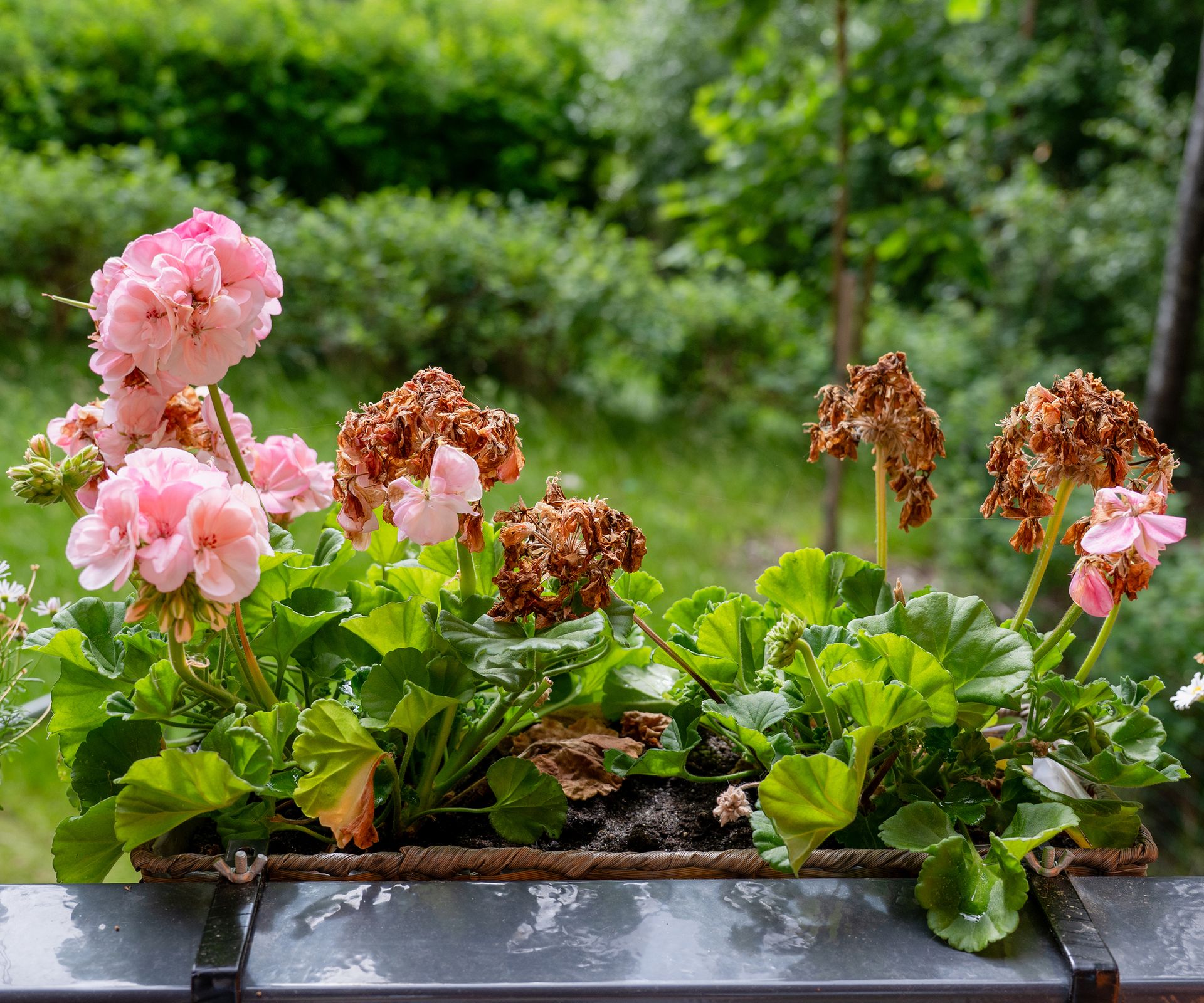
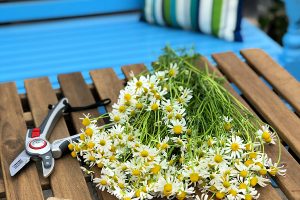
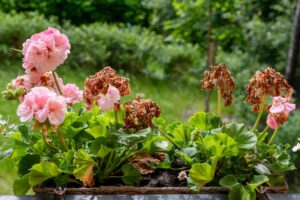
To encourage blooms for as long as possible, keep deadheading your geraniums. Cut the entire faded flower stalk back to where it meets the main stem using a pair of sharp bypass pruners, such as these Fiskars Bypass Pruning Shears from Amazon, to make clean cuts without crushing the stems. Eventually, the plants will slow and stop blooming naturally as the weather cools. This is normal.
It’s also a good idea to trim back any damaged or yellow foliage. Keep an eye out for signs of fungus or mold and remove and dispose of any leaves that look infected. Especially if you’re bringing plants indoors for winter, diseased and damaged foliage will persist and cause issues if you don’t remove it now.
If you have hardy geraniums, you can do a tidying trim, but they don’t need a heavy trim now or much deadheading.
2. Cut Back on Fertilizer
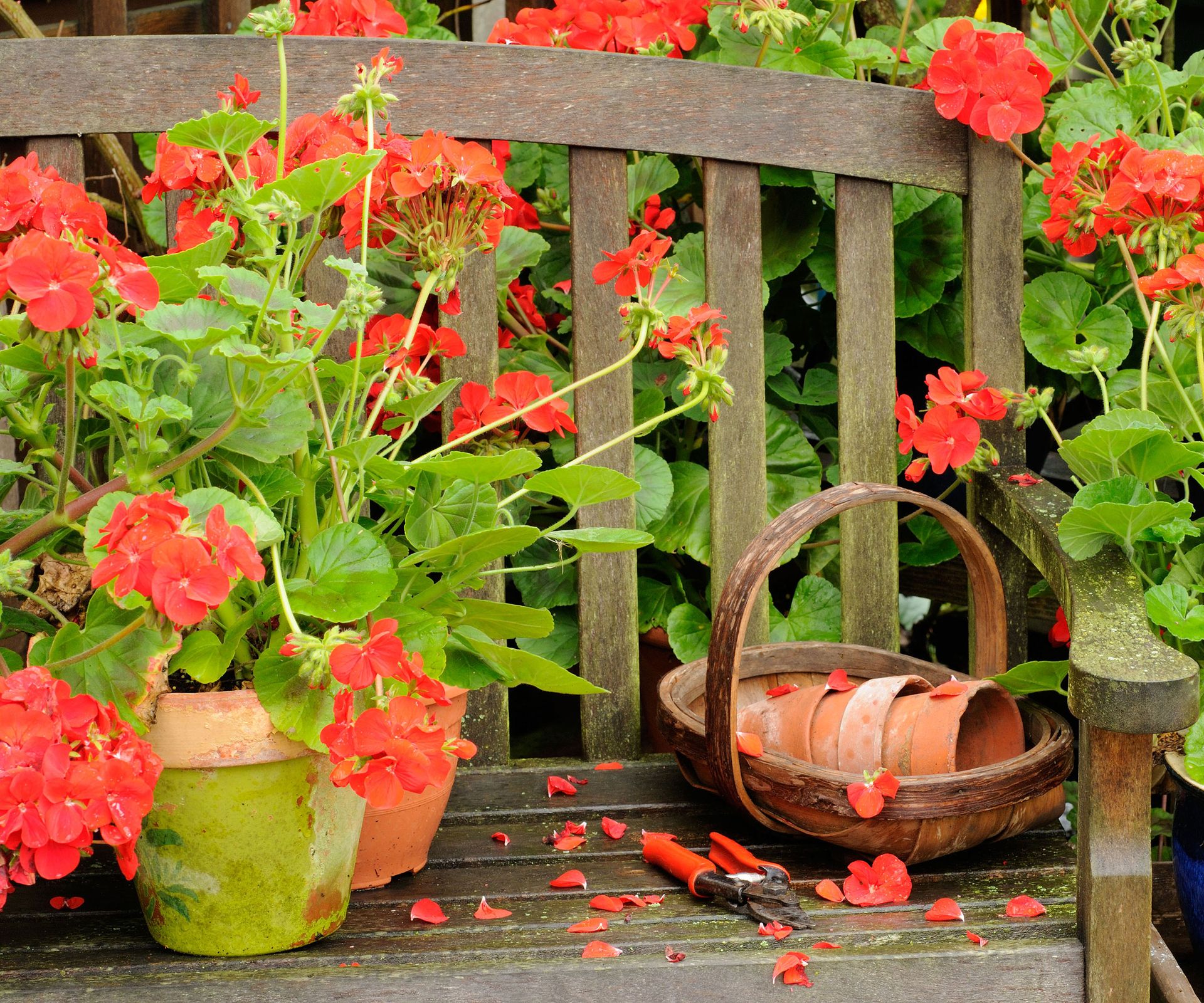
Tender geraniums benefit from regular feedings throughout the summer. Bloom-boosting products, like Scotts Super Super Bloom, keep them flowering well into fall, but by October it’s time to stop feeding in most areas. Too much fertilizer can trigger fresh, green growth at a time when the plant should be slowing down and preparing for winter. True geraniums generally don’t need fertilizer in fall.
3. Adjust Your Watering Schedule
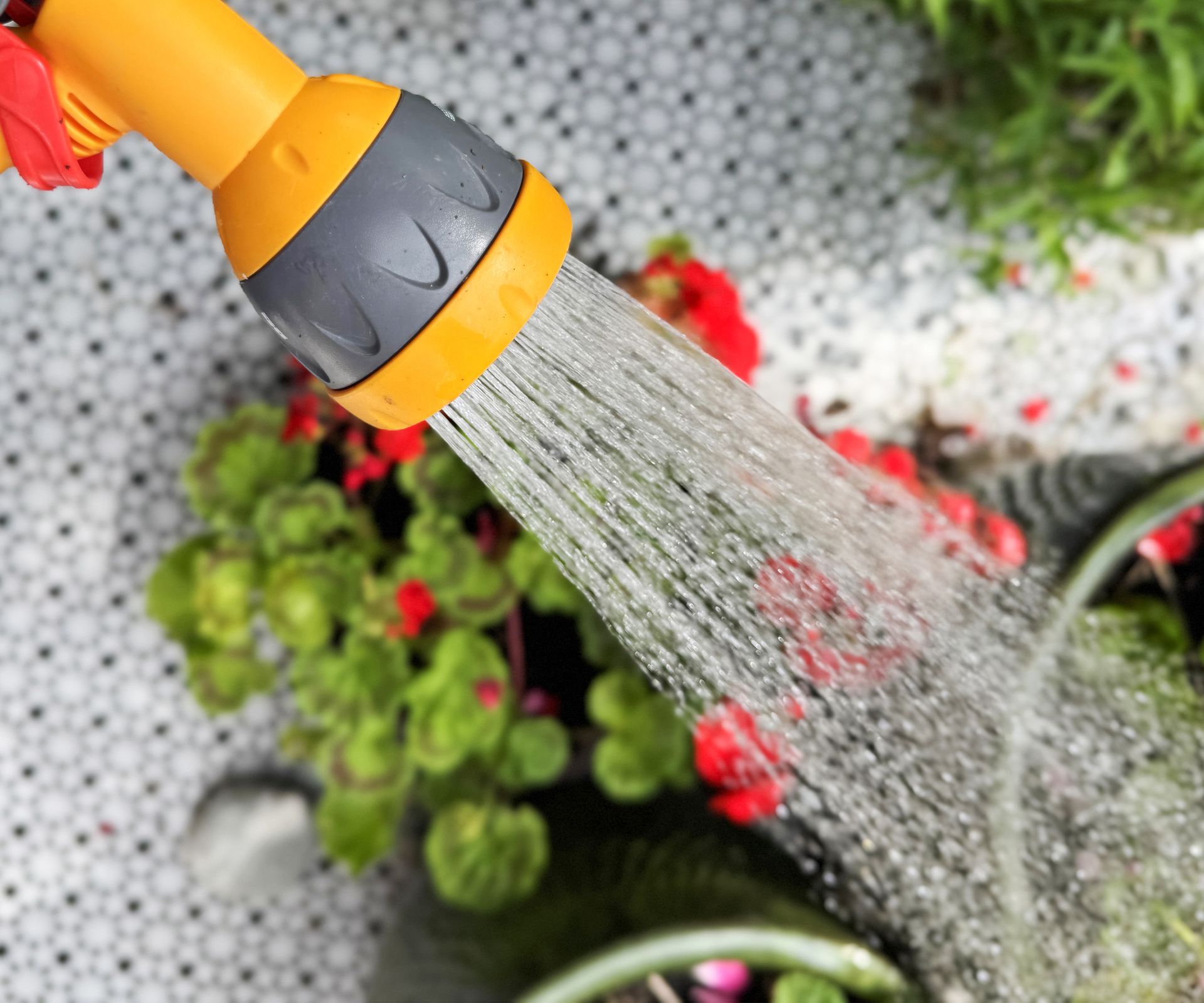
You can also cut back on watering this time of year, but don’t let your plants dry out too much. This adjustment is based on need, not a complete stop to watering. Cooler temperatures and shorter days usually mean the soil stays moist for longer, so you may not need to water as often.
If it isn’t raining, check the soil and water when the top inch (2.5 cm) feels dry. Use a moisture meter if you don’t trust the finger test – the Yamron 4-in-1 Soil Moisture Meter, available on Amazon, also checks soil pH, temperature, and sunlight intensity.
If you’re moving geraniums indoors for winter, taper off watering before you move them. Hardy geraniums don’t need much water, especially if they are well established. Water only if you have drought conditions or excessive heat.
4. Take Cuttings
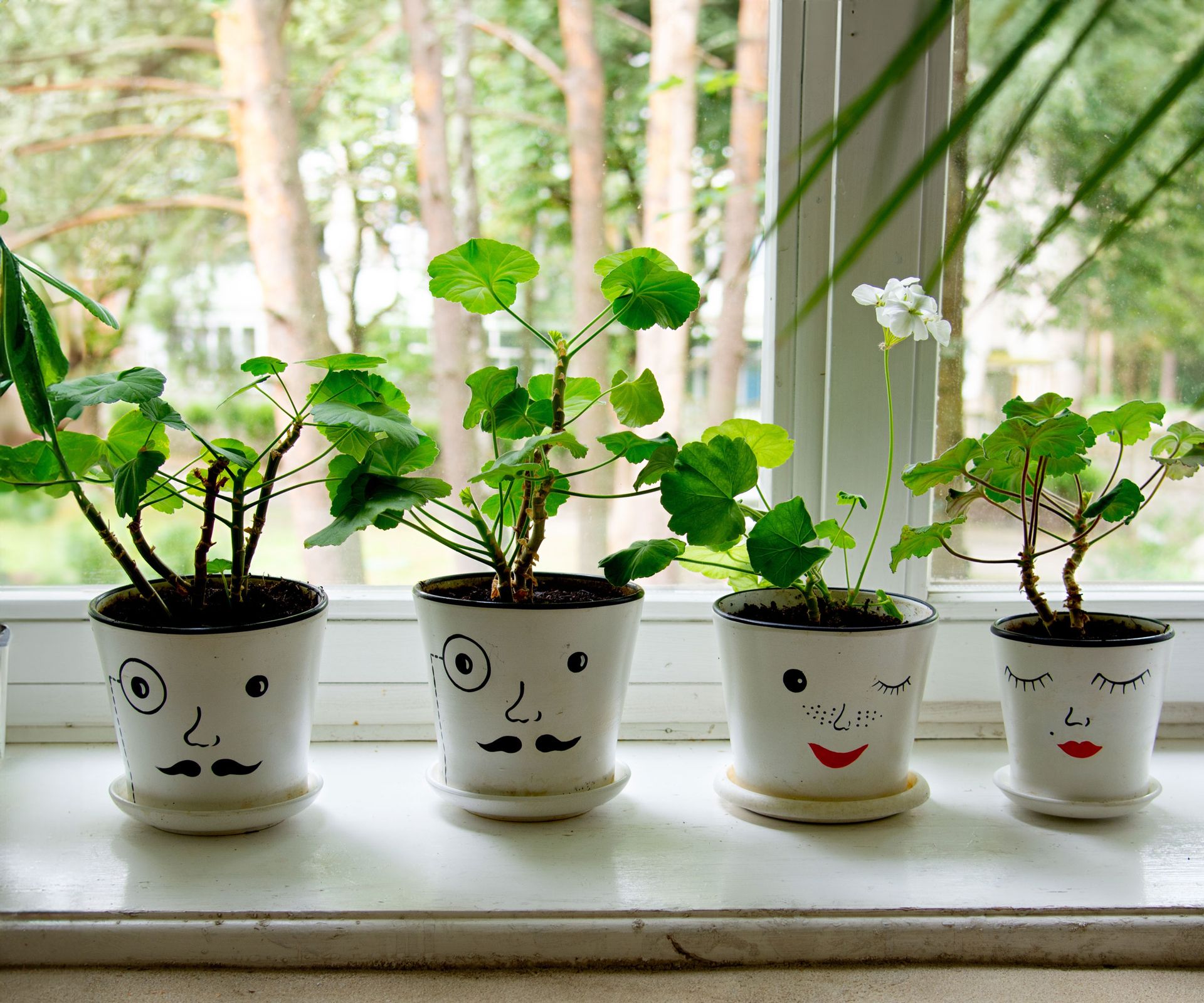
Even if you plan to keep Pelargoniums indoors for winter, early to mid-fall is a good time to propagate geraniums from cuttings. Not all tender geraniums will survive winter indoors, despite your best efforts. Cuttings serve as insurance against this failure, especially if you have favorite plants you want to enjoy again next year.
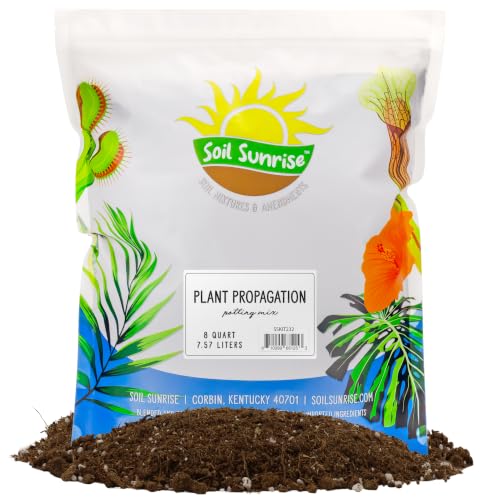
Choose a healthy-looking, non-flowering stem and use sharp, clean shears to remove four to six inches (10 to 15 cm). Place the cut end in quality potting soil or rooting mix, like this Soil Sunrise Plant Propagation Potting Mix. Place it in a spot with bright but indirect sunlight and warmth. Keep the medium moist but not soggy as the roots grow.
Hardy geraniums are best propagated by root division. Fall is a good time to do this. Carefully dig up the plant, separate a clump of roots that has plenty of healthy growth, and replant it right away. Water it as it gets established.
5. Shelter Tender Geraniums
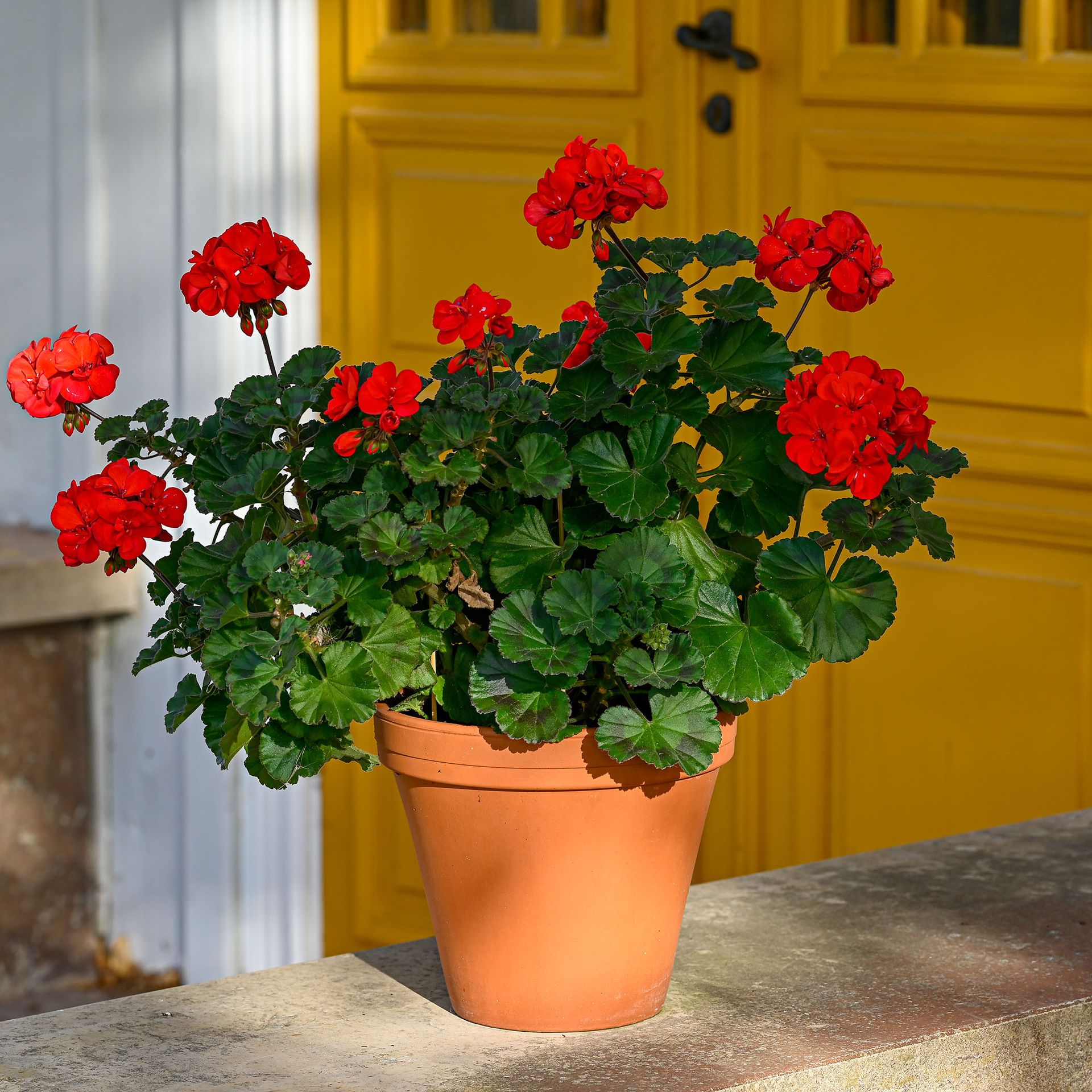
While you can always let your tender geraniums go as temperatures drop, a little protection can help you enjoy them longer if they’re still flowering. Move potted plants to a sheltered location that protects them from wind, or to a spot that’s sunnier throughout the day.
Use plant covers, like this frost blanket from Amazon, or even an old sheet or burlap to cover tender geraniums overnight as temperatures drop. If daytime temperatures still support them, this can help you get a few more flowers and more enjoyment from your plants.
6. Bring Tender Geraniums Indoors
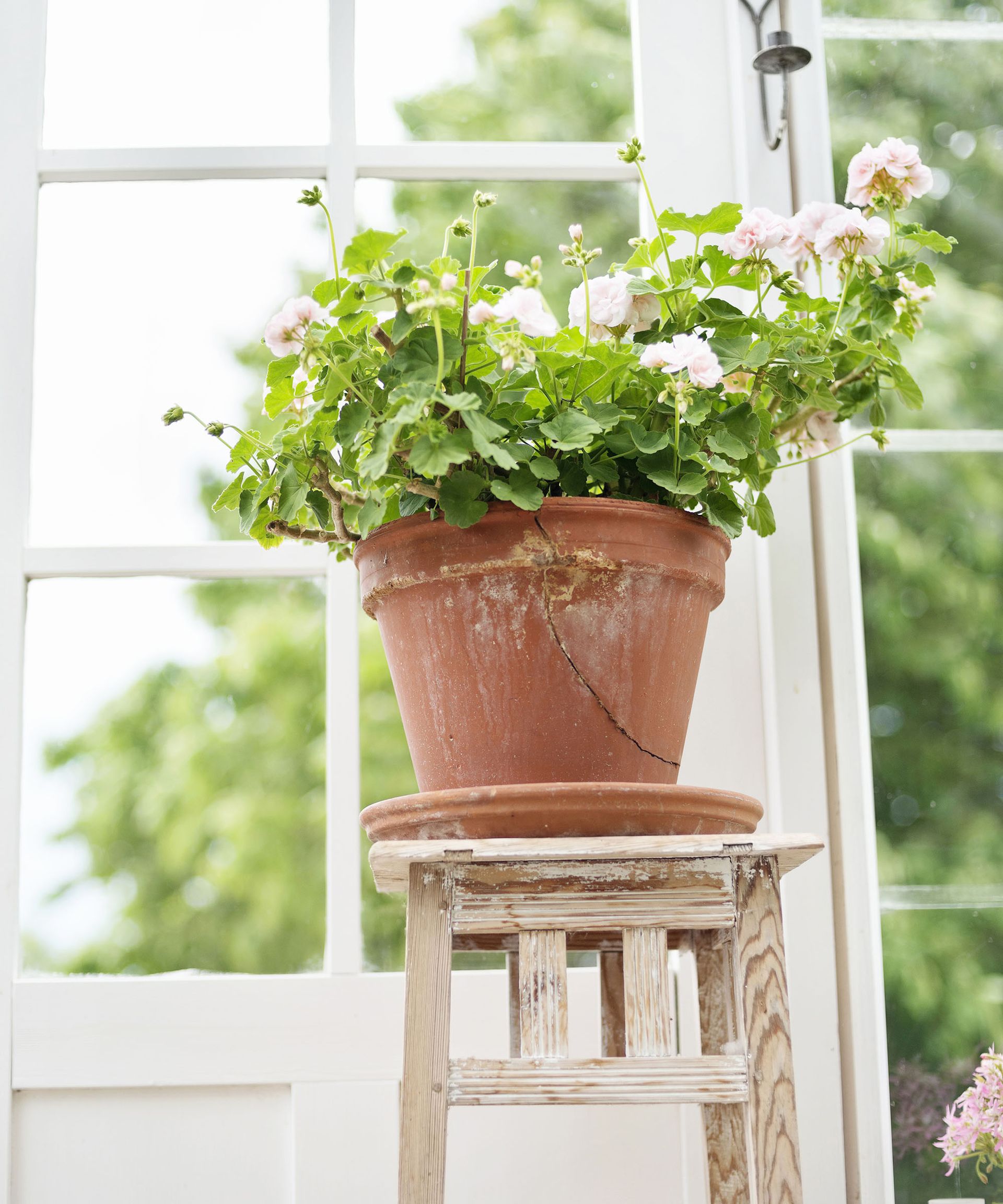
Many people treat geraniums as true annuals, disposing of them at the end of the season. They are perennials only in very warm areas, generally USDA zones 10 and higher, so they won’t survive winter outdoors in most places. As an alternative to letting them go, you can bring potted geraniums indoors to overwinter. True geraniums are usually hardy from zones 3 through 8, so they’re fine in winter in most areas.
Bring your potted plants inside before overnight temperatures regularly fall below 45–50°F (7–10°C), or before the first frost if that comes sooner. Trim back about one-third of the foliage and place the plant in a bright spot but away from cold drafts or vents. Always check for pests before bringing any plants indoors. Look along stems and on the undersides of leaves and remove all pests to avoid contaminating houseplants.
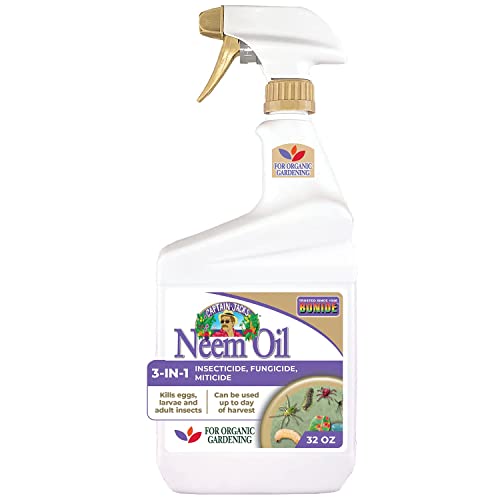
If you find signs of pests, spray plants with an organic neem oil product, such as Bonide Captain Jack’s Neem Oil spray from Amazon, before bringing them indoors, making sure to coat both the upper and lower surfaces of the leaves. Allow the foliage to dry completely before moving the plant inside.
Fall Geranium Care Essentials

Fall care for geraniums has two main purposes: helping you enjoy the flowers for as long as possible and preparing plants you want to save for winter storage. While you can simply let your annuals fade into winter, a little extra care extends the bloom time and even allows you to keep plants for next year. And if you grow hardy geraniums, you’re in luck. Fall care needs are low, and they should be back next year.