Perennial plants are like people in many ways. Some are all about themselves and their beauty, relying on humans to meet their every desire. They bloom, accept applause, then they are done for the year. Others just keep giving, blooming brilliantly in summer, then offering Act Two in fall or winter, creating a multi-season garden.
This latter group includes some of the longest-blooming perennials, like purple coneflower, plants that offer four or five months of continuous blooms from midsummer into autumn. Others transform in fall into fiery colors or provide striking seed heads or architectural silhouettes in winter.
Here are five of my favorite plants you shouldn’t prune in fall for multi-season interest. Add them to your garden for an extra pop of joy.
Don’t Prune for Multi-Season Beauty
Why settle for one-season blooms when, for the same amount of garden work, you could plant perennials that entrance you for two seasons? Now’s the time to plan for next year, expanding the joy into two separate seasons. But don’t rip out your current plants yet!
You may actually have some of these popular multi-season, long-blooming perennials in your backyard already, yet be unaware of their secret second act. If you chop these plants down too soon, you shorten their bloom period or miss Act Two entirely.
1. Purple Coneflower
|
Botanical Name |
Echinacea purpurea |
|
Hardiness |
USDA zones 5-9 |
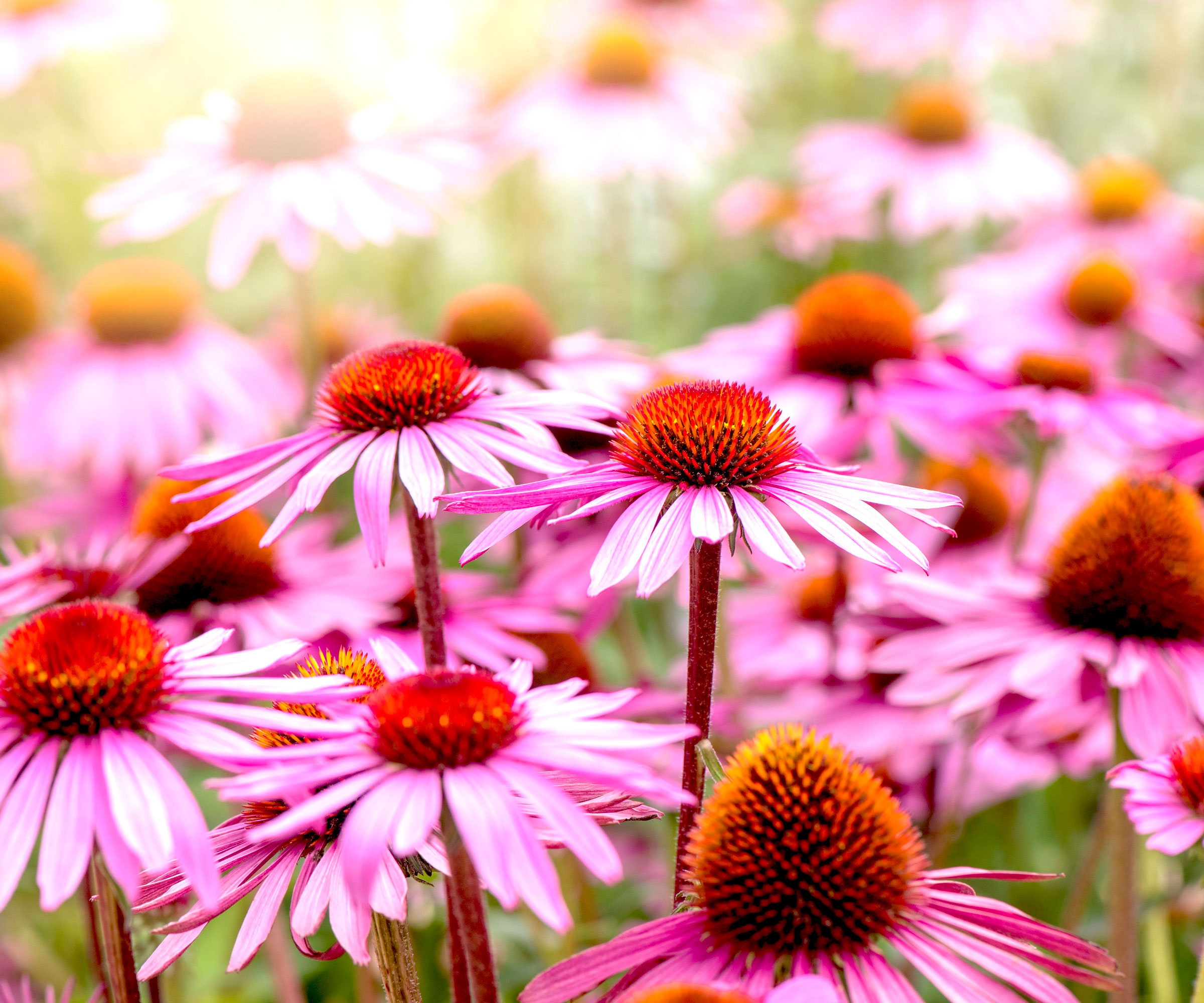
They may look like purple daisies with drooping lavender petals surrounding a central dark cone. But purple coneflowers are a species of their own. They are well-loved by gardeners for their flexible growing requirements (from hot, dry conditions to much cooler ones) as well as their super-long growing season.
Purple coneflowers are one of those perennials that just keep blooming, as long as you don’t chop them down. They start in early summer and can keep up through and a bit beyond the first frost. Sometimes coneflower take a break after their opening bloom period, but new buds appear quickly. These perennials are prolific bloomers and deadheading will keep them in bloom all summer.
You can prolong their garden use even more if you don’t shear them back until spring. Let them stand through winter and the birds will thank you for the food and shelter. Solitary bees and other beneficial garden insects will be happy, too, since the leftover plant debris offers them safe spots to overwinter. The standing stalks and cones are pretty, too, offering structural contrast.
2. Black-Eyed Susan
|
Botanical Name |
Rudbeckia hirta |
|
Hardiness |
USDA zones 3-9 |
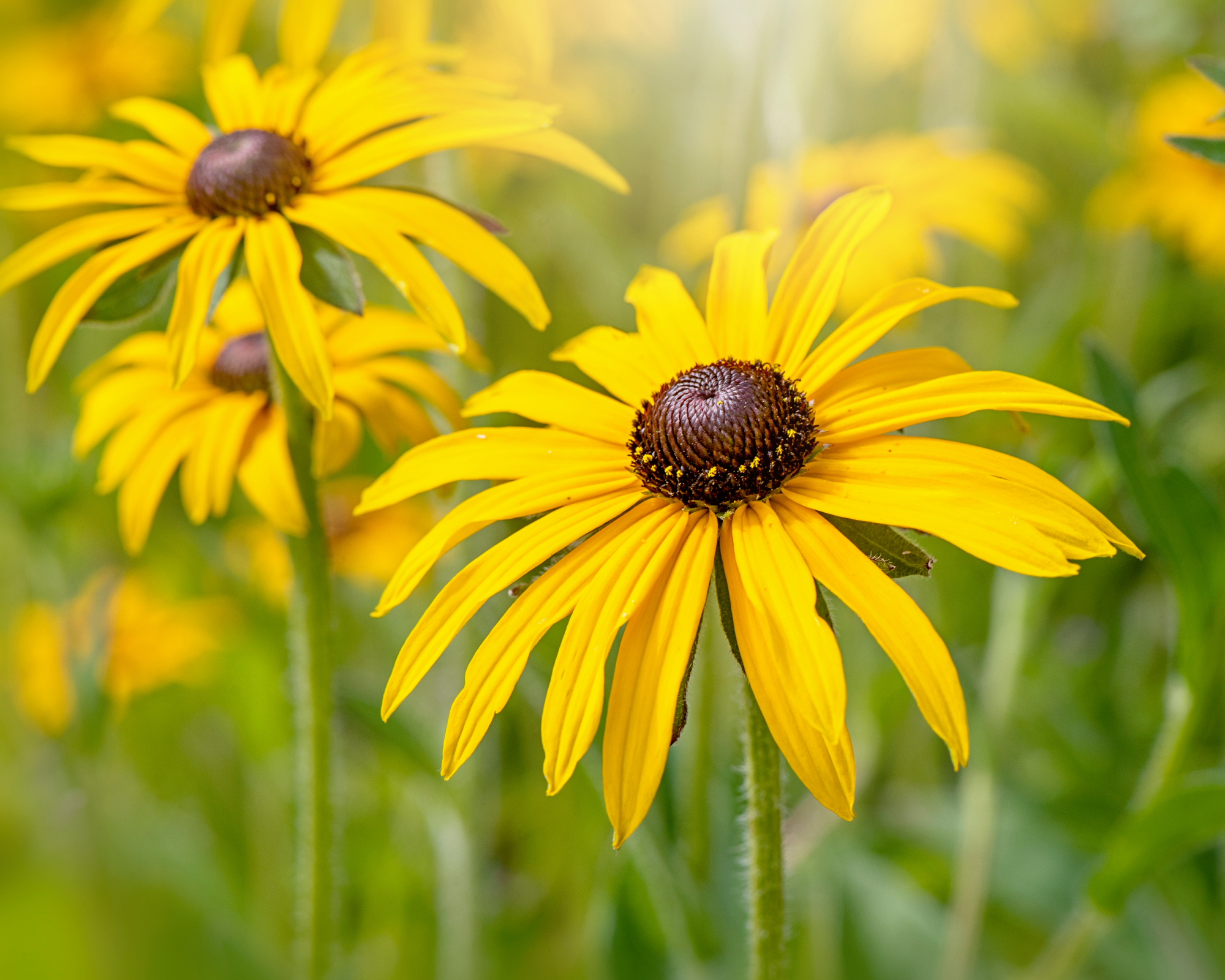
It’s hard not to love daisy-like flowers best. Maybe that fondness comes from the days of “he loves me, he loves me not” or daisy chains. Maybe it’s the striking contrast between the long, thin egg-yolk yellow petals and the dark brown center. For whatever reason, easy-care black-eyed Susans are garden favorites, their vibrant flowers offering a pop of color in the garden.
Pollinators also love these long-blooming native wildflowers. Black-eyed Susans bloom from June to September, and often into October, painting open fields and meadows golden-yellow beauty. And once they are installed, you don’t have to worry. These are prolific self-seeders. You can reduce this by deadheading but there are advantages to leaving the plants alone until spring.
First, local wildlife will applaud the choice to let these plants spend the winter intact. The black-eyed Susan offers a resting place for native insects and wild birds and its dried seeds are welcome food. It may also be better for the plant, since the foliage insulates and protects the plant’s root system.
3. ‘Autumn Joy’ Sedum
|
Botanical Name |
Sedum spectabile ‘Autumn Joy’ |
|
Hardiness |
USDA zones 3-10 |
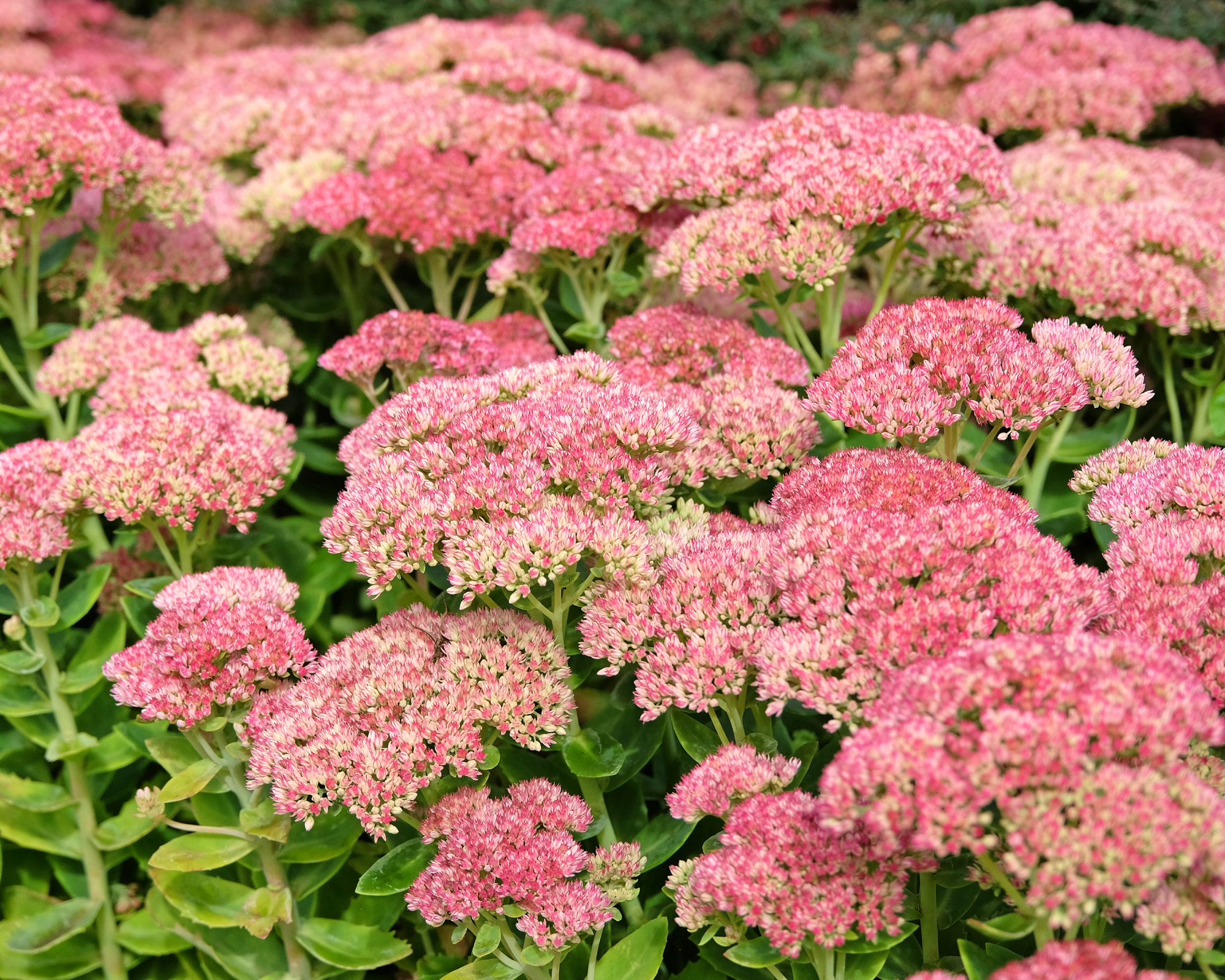
This cool perennial grows in upright clumps to 2 feet (0.6 m) tall and wide. It is a succulent with fleshy, gray-green leaves and flat flower heads that provide a color show of their own.
‘Autumn Joy’ sedum grows in green, then transform into rosy pink. As summer progresses, the blooms deepen to rich red or salmon and, by winter, finish a coppery rust and rich brown. They are very appealing to bees, butterflies, and late-season pollinators.
Autumn Joy is very drought-tolerant and also low-maintenance. Leave the plants in place through winter and you’ll find the browned seed heads are interesting and eye-catching. Pinch or prune the stems back in early spring.
4. Joe-Pye Weed
|
Botanical Name |
Eutrochium purpureum |
|
Hardiness |
USDA zones 4-9 |
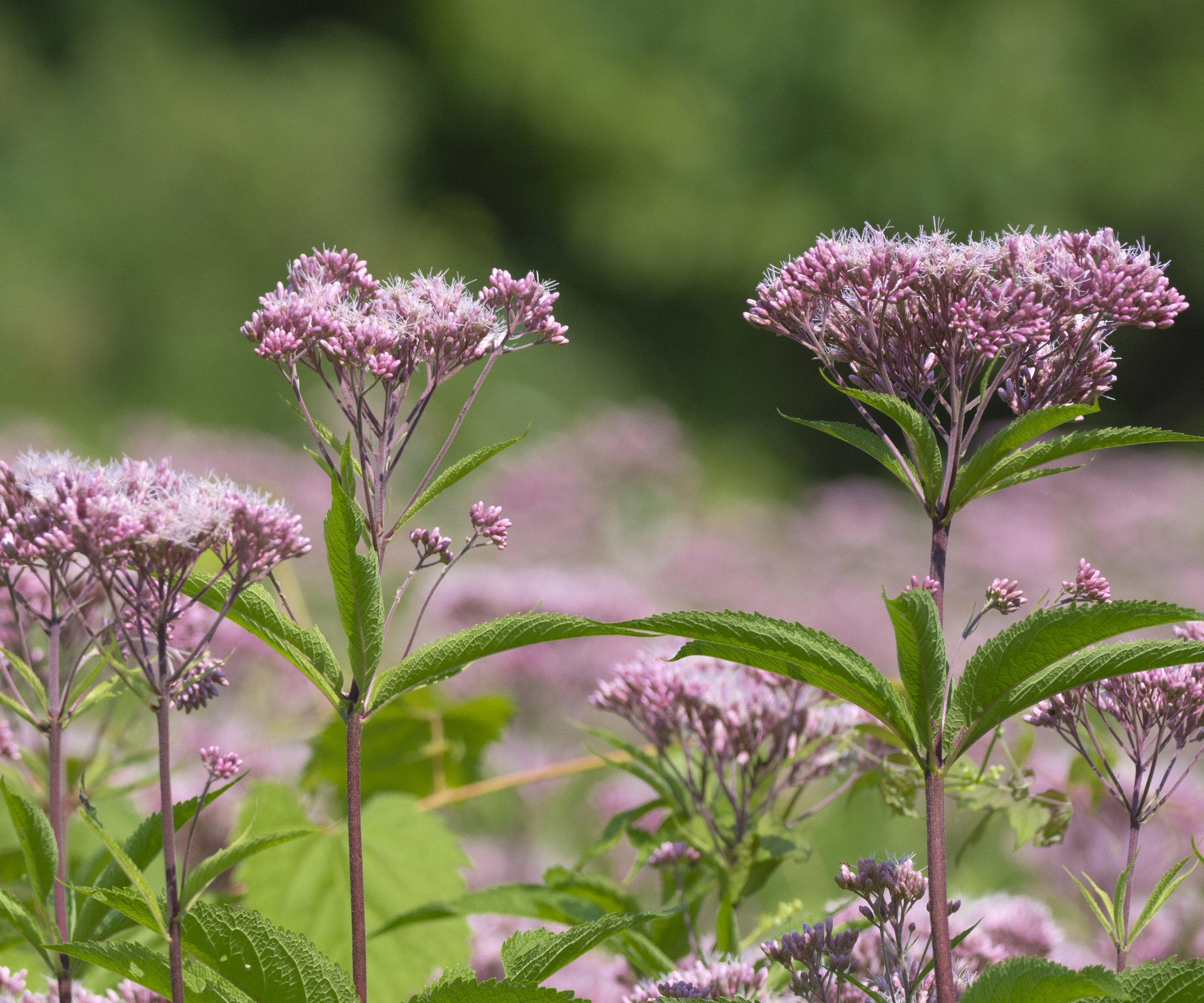
Joe-pye weed is a majestic native perennial that prefers moist areas and a full sun location. If ever a perennial could claim to offer multiple seasons of beauty, it is Joe-pye weed. Your landscape will never be the same when you install this incredible perennial.
It starts off strong in early summer with lush, architectural green foliage, lights up late summer with massive purple domed flower clusters, then decorates the chillier seasons with striking dried seed heads.
The Joe-pye story starts in late spring and early summer, as the plant emerges. The mottled purple-pink stalks can grow very tall – up to 10 feet (3 m) tall – with large, whorled, deep green leaves.
From early July through September, this “weed” bursts into bloom, with amazing vanilla-scented clusters of flowers. The blooms can be pale pink, lavender, or deep purple and the native bees, butterflies, and beneficial pollinators love them all.
With the cooler weather of fall, the flower color fades into darker, richer tones, leaving dark bronze dried seed heads standing tall. Don’t cut them! They will provide an architectural silhouette in the garden all winter long, also offering valuable food sources for overwintering birds. Wait to cut these back until early spring.
5. Sea Holly
|
Botanical Name |
Eryngium planum |
|
Hardiness |
USDA zones 4-9 |
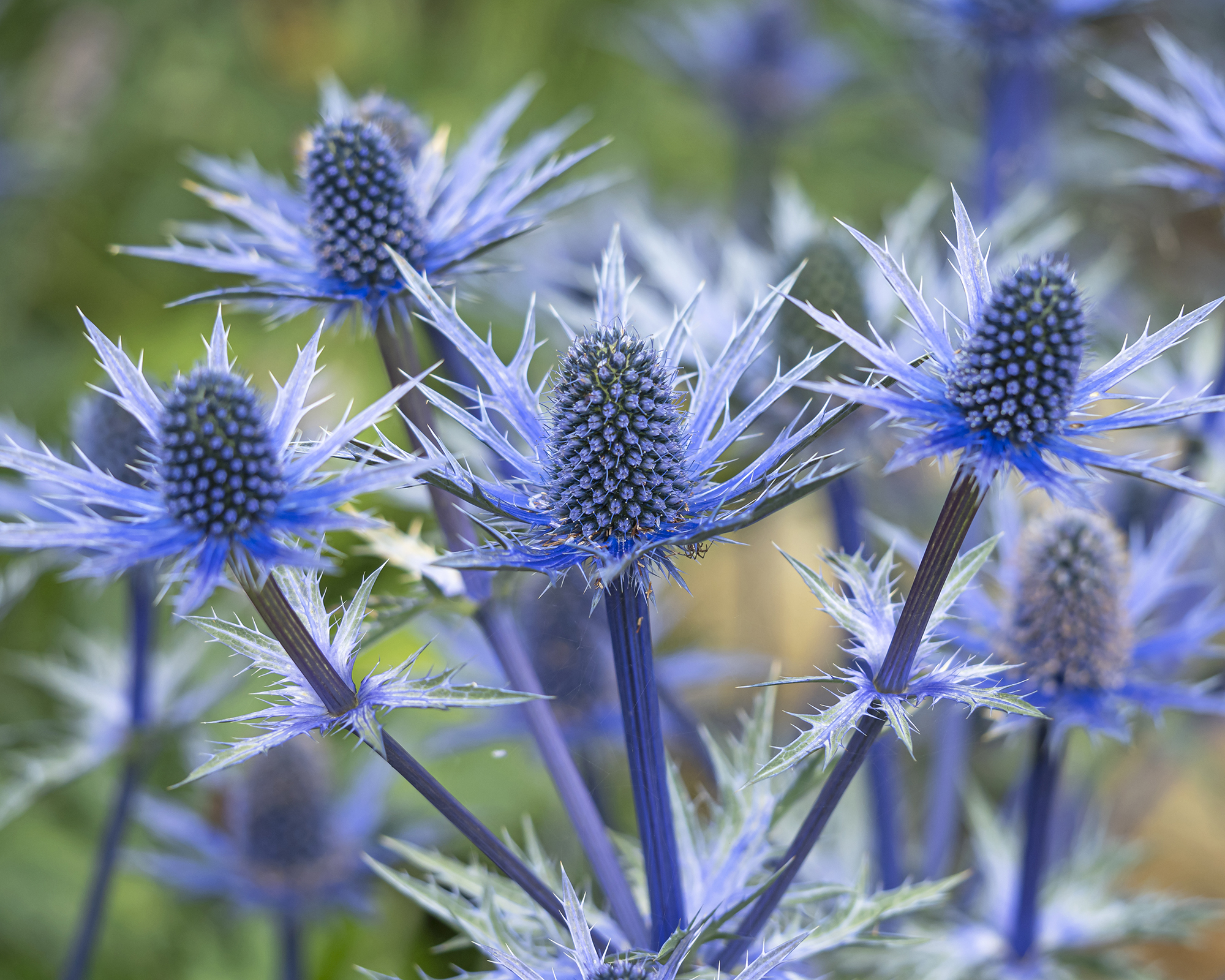
Sea holly is one striking plant! It’s a perennial with thistle-like good looks, growing in stiff, erect clumps to 3 feet (1 m) tall and almost as wide in a full sun location. It is famed for its metallic blue, cone-shaped flower heads and spiny, architectural foliage. It adds color and texture to the landscape from spring through winter.
The plant emerges in spring with attractive, deeply-lobed foliage. The leaves are a silvery blue-green with intricate white veining. Come summer, the electric blue flower heads appear with their dramatic, spiky bracts. They attract bees, butterflies, and pollinators.
These blossoms mature in autumn, deepening into rich colors of bronze and silver. The exceptional architectural structure remains through the winter, as the stems and dried flower heads stand tall in the backyard, offering a dramatic silhouette against the winter weather.
Seasonal Gardening Shopping Inspiration
As we head into the colder months, now is a great time to create next year’s perfect plot. This is what our team is shopping:
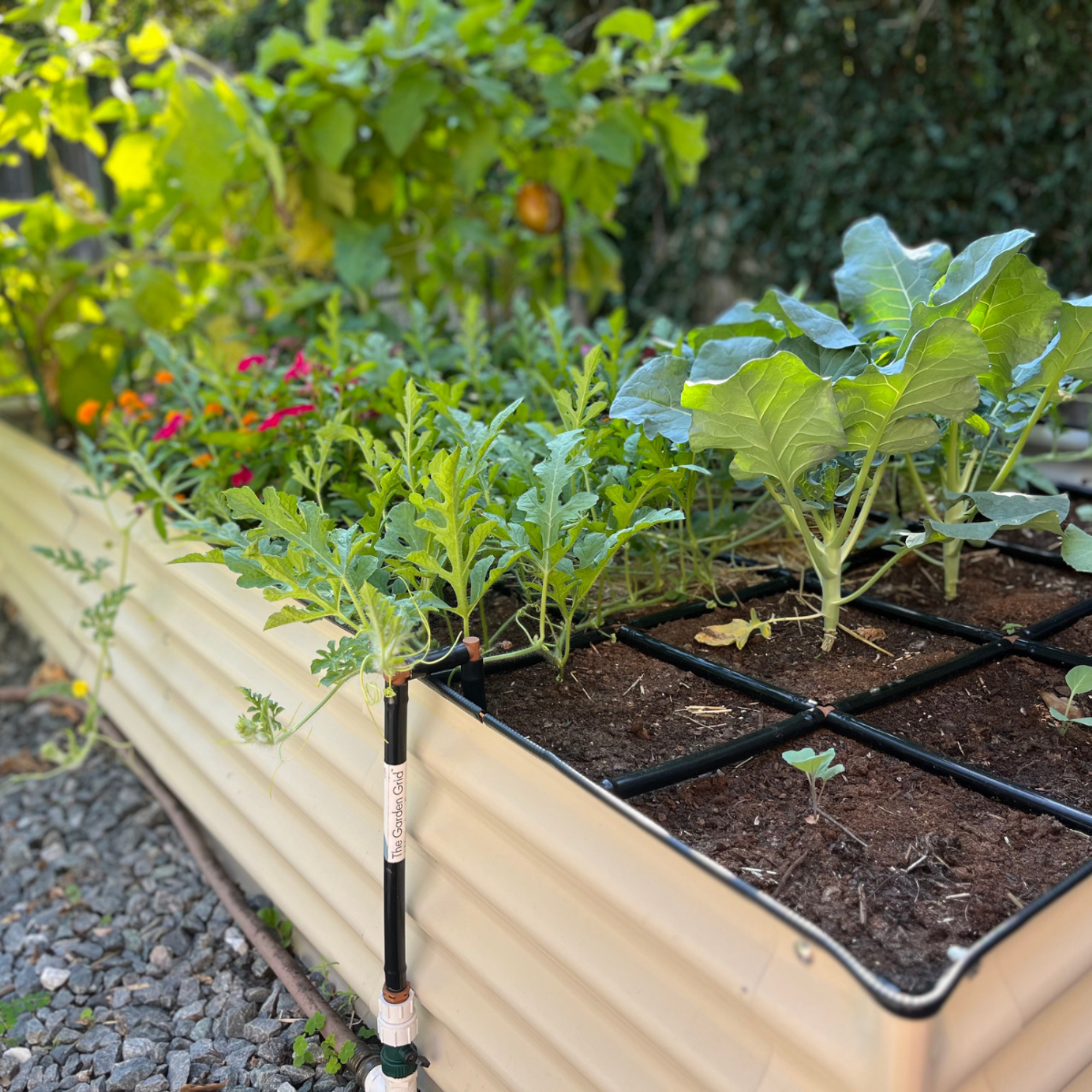
“Raised beds are on my wishlist for my garden in 2027, and after this year’s droughts, built-in irrigation is a must. I’m coveting these smart bundles from Garden In Minutes which offer a pre-spaced grid for my crops” – Kayleigh Dray, Content Editor
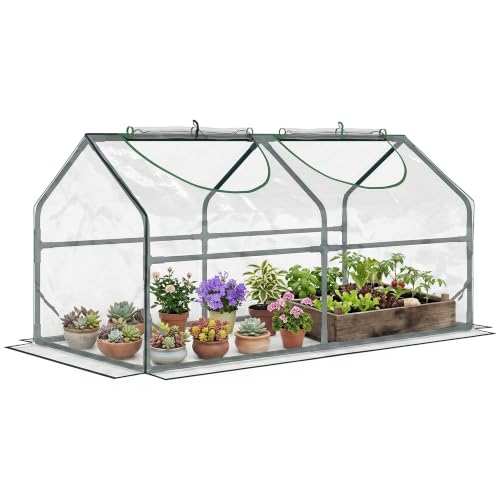
“I never feel like the growing season is long enough, so this fall I’m investing in this affordable mini greenhouse that I can pop over top of the plants in my raised beds to grow a late crop.” – Laura Walters, Content Editor
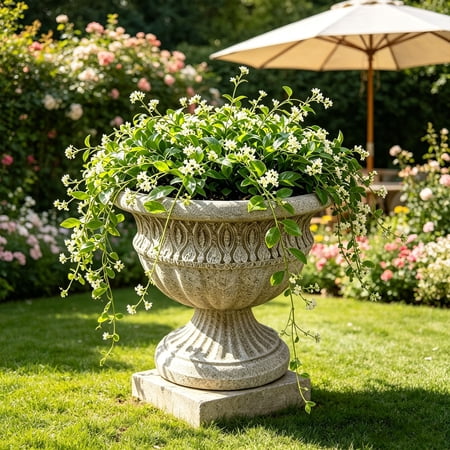
“I love the Romanesque planters I am seeing everywhere and had my eye on some very spendy versions to add some grandeur to my patio. These sturdy iron planters from Walmart look the part, but cost a fraction of antiques” – Emma Kendell, Content Editor