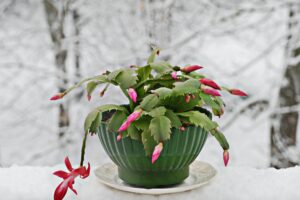
A Christmas cactus spends most of the year looking like it needs nothing at all, which is roughly true from March through August. September changes that. Flower buds form in response to a fairly narrow set of fall conditions, and once October is well underway, the window for supplying them has mostly closed.
Standard Christmas cactus care carries a plant through summer just fine, but fall asks for adjustments that have less to do with keeping it alive and everything to do with getting it to flower. Six of them matter in September. Most take a couple of minutes; one has to be kept up for six straight weeks.
1. Track Nighttime Temperatures Before Moving It Inside
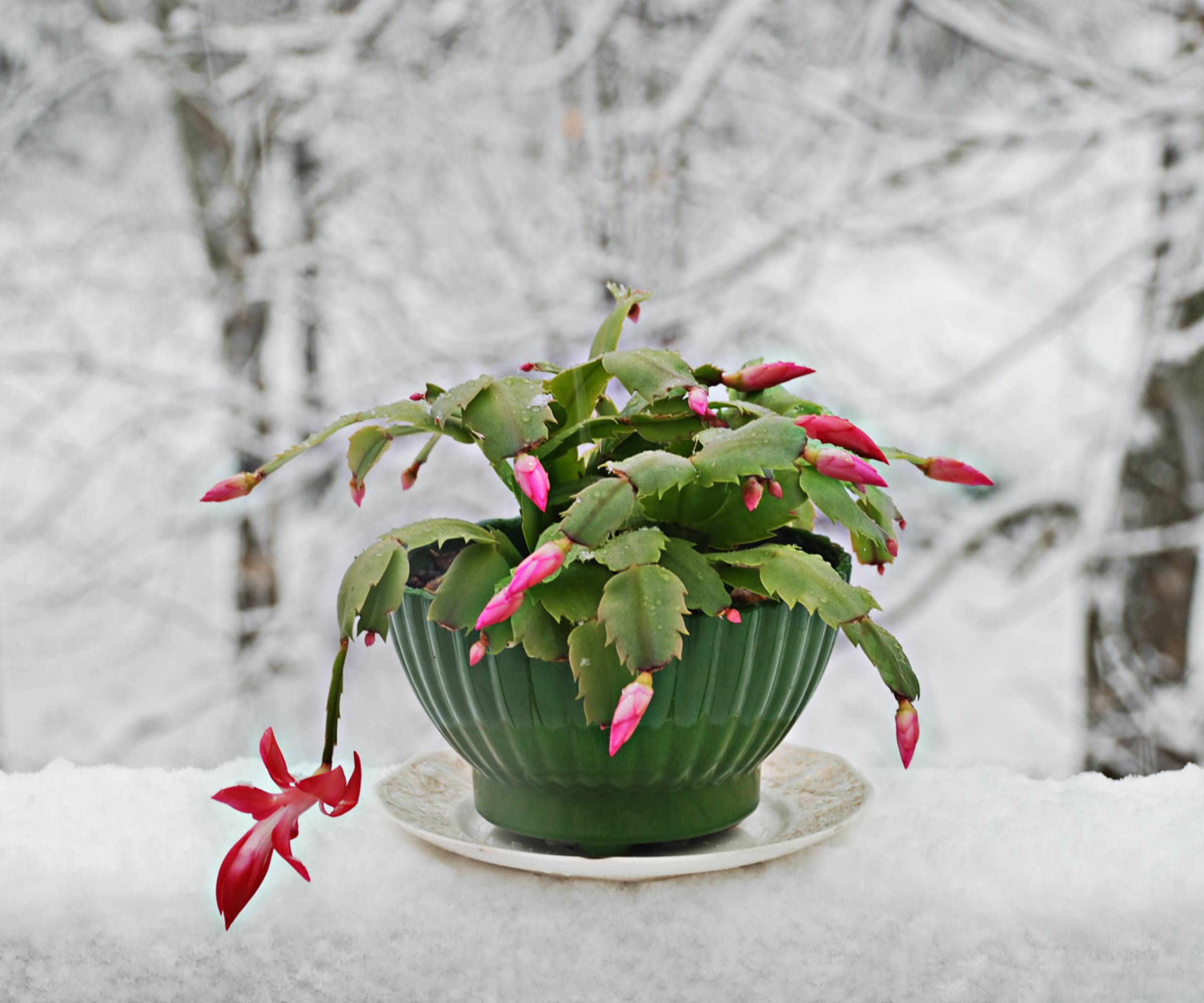
Cool nights do real work here. Flower initiation happens under any day length once temperatures settle between 50 and 59 degrees Fahrenheit (10-15C), so a plant that summered on a shaded porch may already be getting a head start by late September in much of the country. Hauling it into a warm living room on the first chilly evening throws that away.
The hard limit is frost. These are tropical epiphytes from Brazilian rainforest, with no meaningful cold tolerance. Even a light freeze damages the stems outright. Watch the forecast rather than the calendar. Bringing the pot in once nights start falling below 50 degrees Fahrenheit (10C) is the common advice. An indoor thermometer with min/max recall from Amazon settles the question, since a windowsill can run several degrees cooler overnight than the room it sits in.
2. Look It Over for Pests Before It Crosses the Threshold
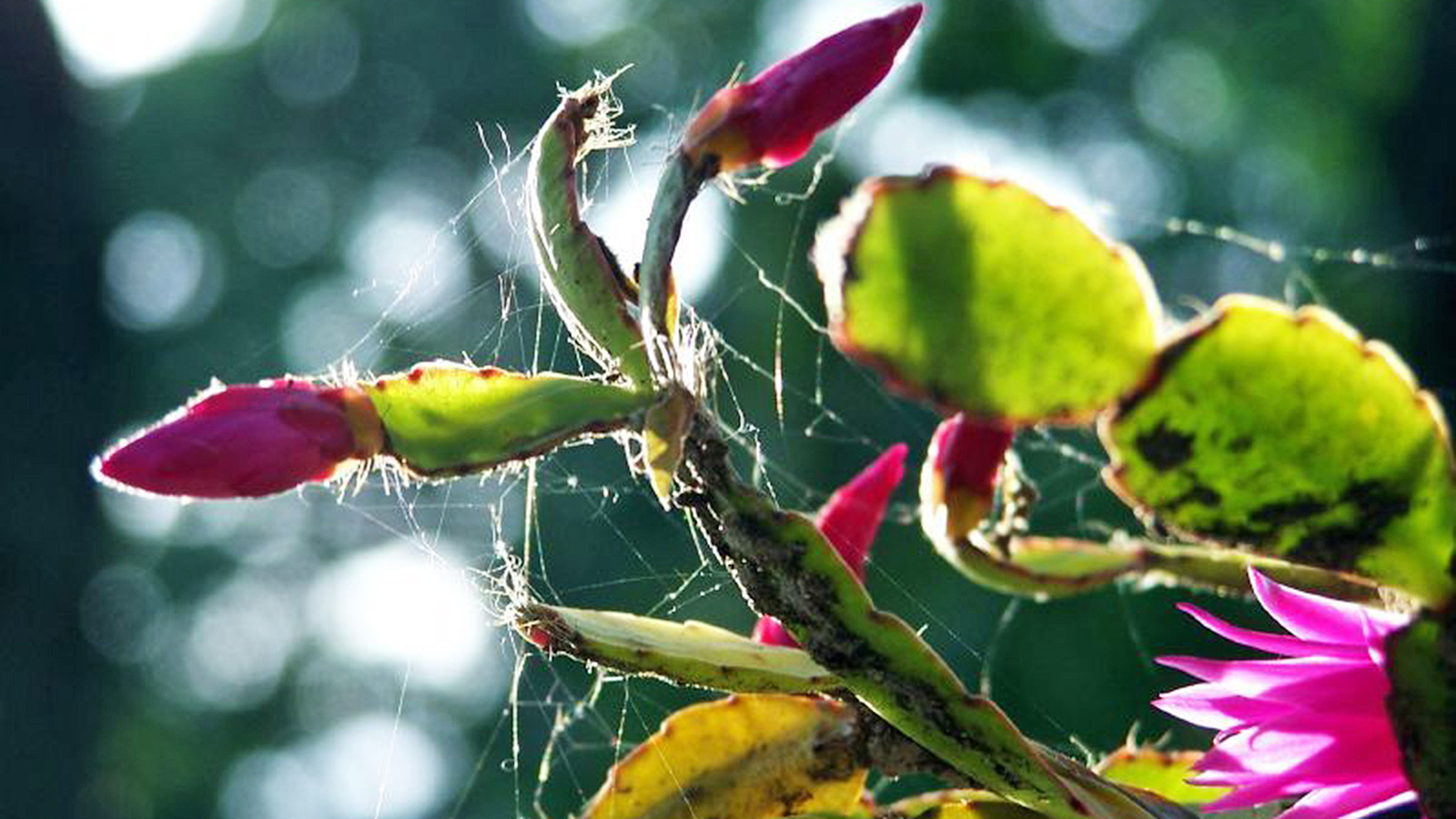
Anything that moves indoors in September brings along whatever it picked up outside. Mealybugs (Planococcus citri and related species) are the usual culprit, showing up as small cottony patches tucked into the joints between segments. Soft brown scale (Coccus hesperidum) turns up as well. Sap loss during bud initiation shows up later as fewer flowers, so this counts as a bloom task rather than simple housekeeping.
Check the underside of every segment and the base of the stems, where things hide. Light infestations of Christmas cactus pests come off with a cotton swab dipped in diluted rubbing alcohol, roughly one part 70 percent alcohol to three parts water, since undiluted alcohol can burn the tissue. For anything more widespread, a ready-to-use insecticidal soap spray from Amazon knocks back mealybugs and scale. Coverage decides the outcome. Anything the spray misses survives, so plan a second pass a week or two later. Doing all of it outside keeps one infested pot from becoming five.
3. Stop the Fertilizer
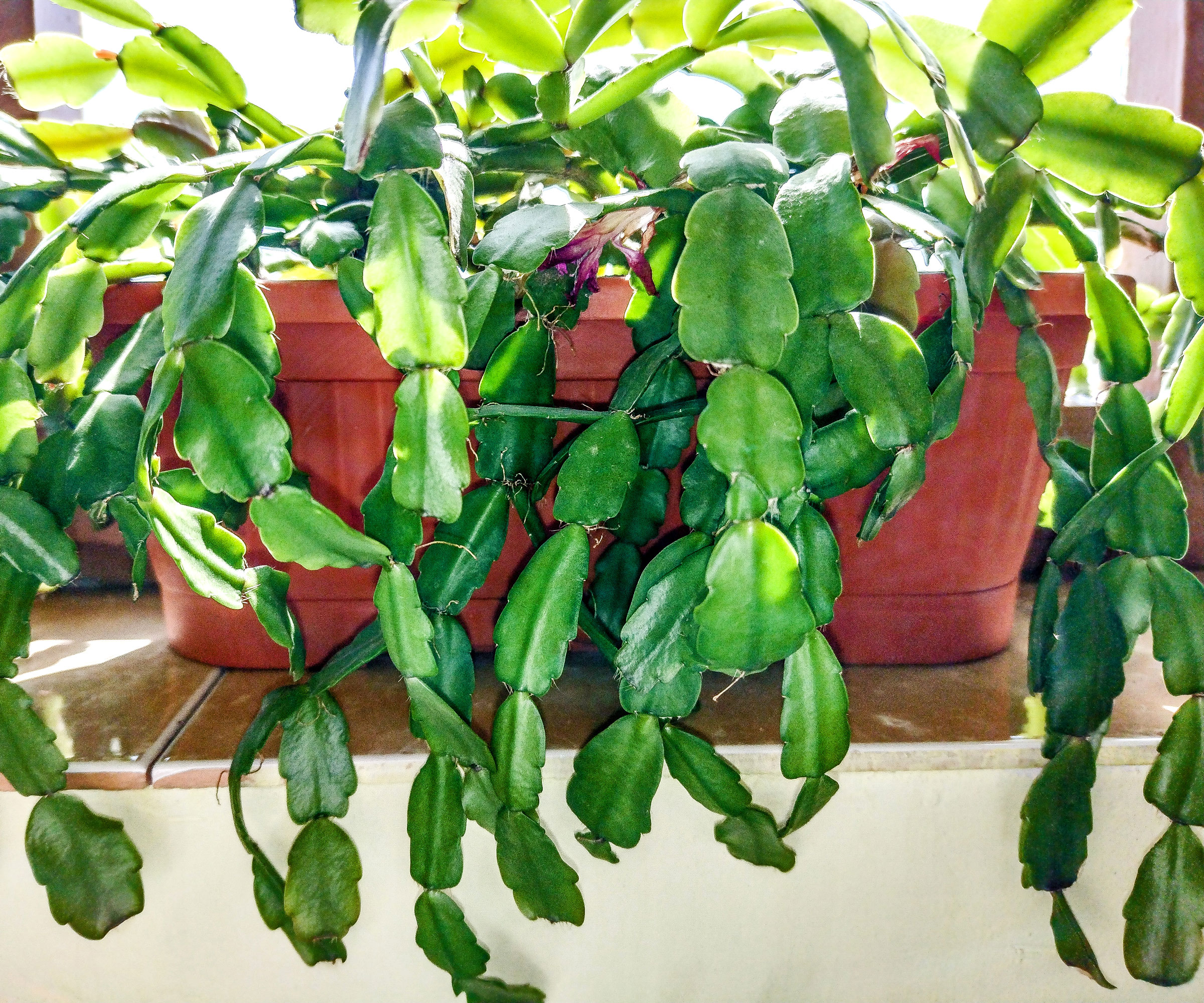
Christmas cactus feeding should be tapering off by now. September is a reasonable place to stop it entirely. Nitrogen pushes segment growth, and a plant with plenty available tends to keep making new segments instead of buds. The standard recommendation is to hold off through late summer and fall, then pick feeding back up when new growth appears in late winter or early spring.
There is a magnesium angle here too. Holiday cacti pull more magnesium than most houseplants, and a monthly teaspoon of Epsom salts per gallon of water (5ml per 3.8L) covers that during the growing season. It should never go down in the same week as regular fertilizer. That one comes off the schedule now as well. Stopping the feed is a lever, not neglect.
4. Give It 13 to 14 Hours of Real Darkness
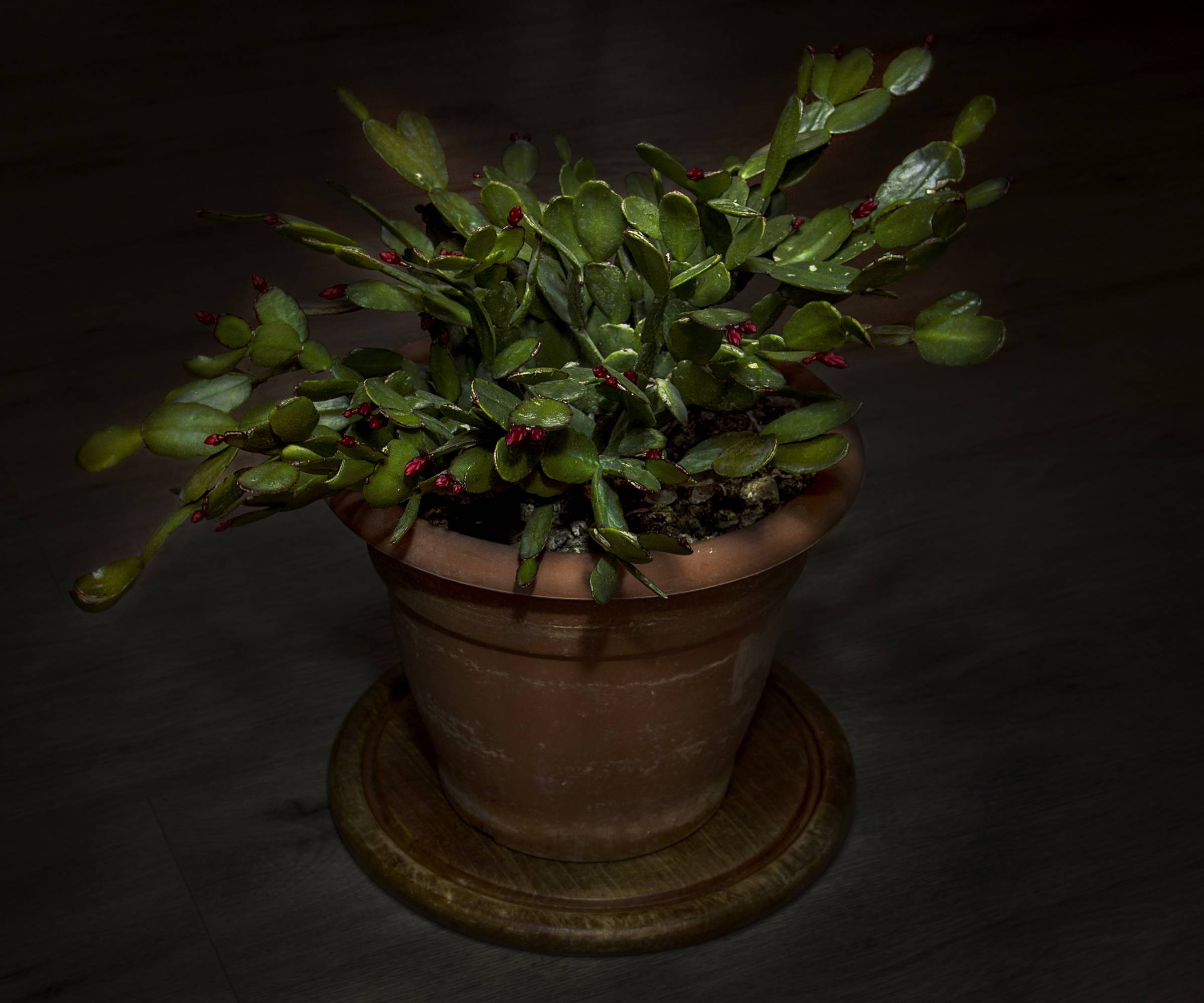
Christmas cactus light exposure is what decides things. Long, uninterrupted nights trigger bud set. Mid-September is where the treatment starts. Thirteen to fourteen hours of continuous darkness each day, held for at least six weeks, is what a full flush takes. Buds usually become visible three to four weeks in.
Continuous is the operative word. As little as two hours of interrupted light will stop the process, and that includes a hallway bulb or headlights sweeping across a window. The dark period is a switch, not a dial. A spare closet works fine, or a cardboard box tipped over the pot at six in the evening and lifted around eight the next morning. Return it to bright light during the day, since photosynthesis still has to happen.
Timing shifts by species, too. Most plants sold as Christmas cactus are Schlumbergera truncata, which flowers around a month earlier than the true Schlumbergera x buckleyi. Once buds appear, day length stops mattering and the pot can go back to a normal spot.
5. Water Less Now, Then More Once Buds Set
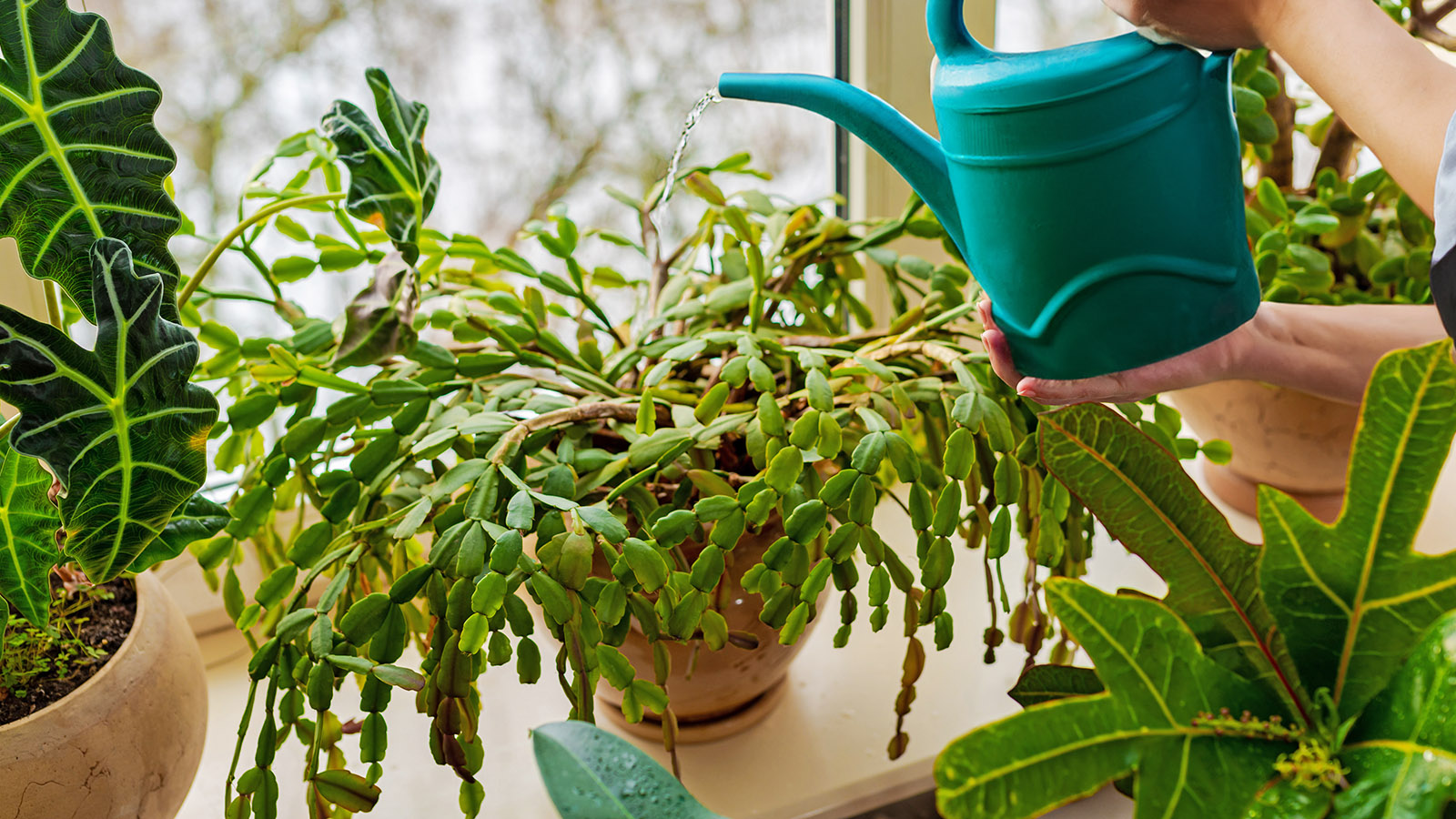
Christmas cactus watering gets dialed back in fall without going anywhere near drought. Let the top third of the mix dry before watering again and drop the fixed schedule, because potting mix in a cool room dries far slower than it did in August. Soggy mix during long nights is the quickest route to root rot on a plant that evolved sitting in tree debris.
Then it flips. Buds that have set need the mix kept evenly moist, since letting it dry at that stage causes bud drop, and dropped buds do not come back. That reversal catches people out every year. If finger-testing a dense pot feels unreliable, a 4-in-1 soil moisture meter from Amazon reads moisture down at root level. Water should never be left standing in the saucer underneath.
6. Skip the Repotting
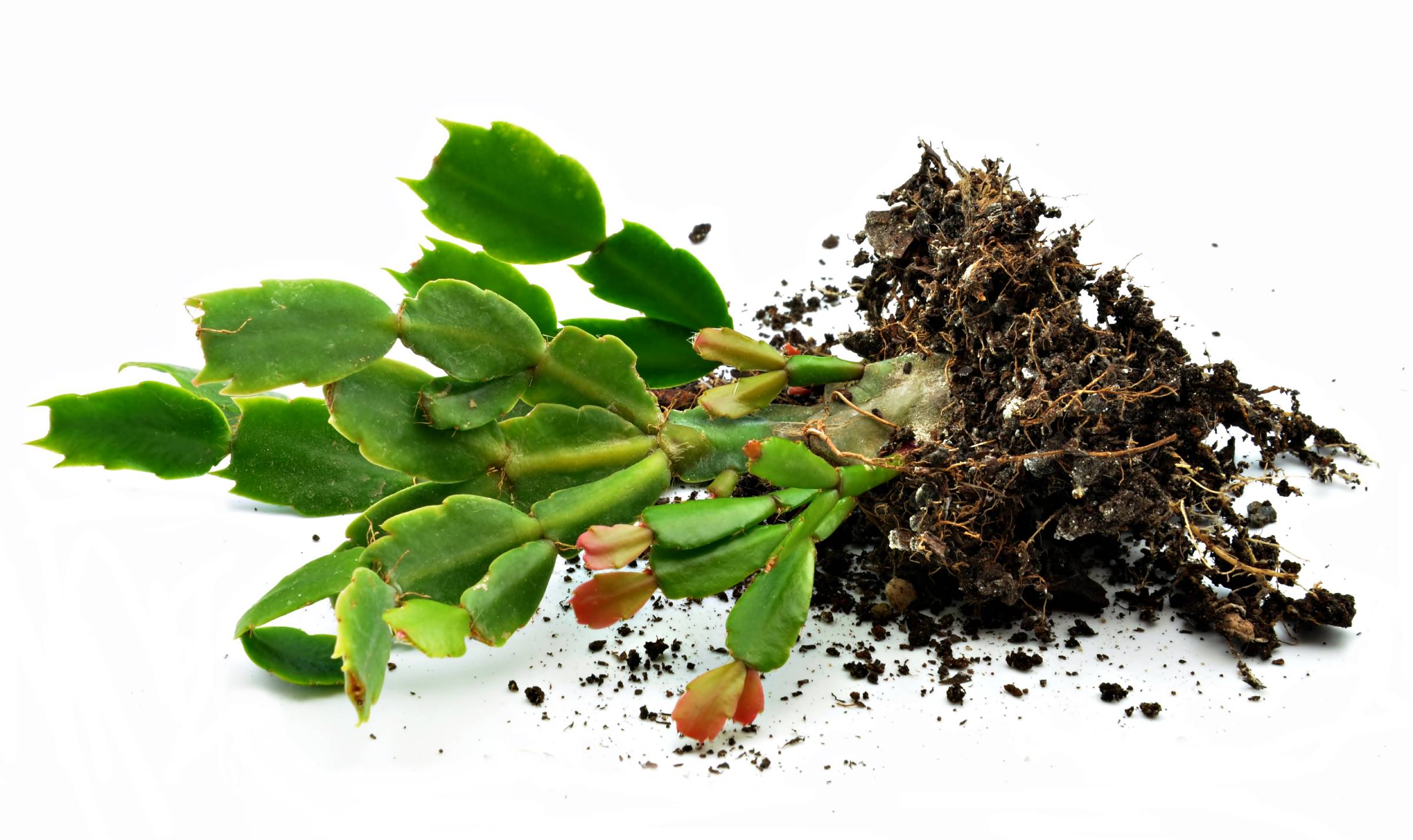
September is a poor month to repot a Christmas cactus, though fall tidying instincts run the other way. Christmas cactus flowers best kept somewhat pot-bound. A repot is needed only about once every three years anyway. Disturbing roots now interrupts the whole process at precisely the wrong moment.
If a plant truly needs more room, with roots pushing out the drainage holes or mix broken down to dust, wait until spring and repot after flowering. Pruning waits too. Once buds form, keep the pot away from heat vents and drafty doorways, since a sudden temperature swing will drop buds about as readily as dry mix does.
There is nothing complicated in any of it, though the timing runs tighter than most houseplant care gets. Start the long nights in mid-September and a Christmas cactus should be showing color right about the time the decorations come out of the attic.