Winter can be a quiet time in the garden, as many plants are dormant. But if your green fingers are itching and you’re craving some time outdoors, there’s still plenty to do in the garden during the winter months. There are also plenty of plants to enjoy at this time of year.
Before you hunker down for the winter, some preparation is key – protect tender plants such as dahlias, cannas and bananas, and bring in or cover garden furniture. It’s also worth planting bulbs for colour in spring.
More winter content:
Here are 10 tips for enjoying your garden in winter.
Appreciate evergreens

Evergreens, from box balls and topiary to large, established shrubs, add vital structure in the garden year-round but come to the fore in winter. There are many beautiful evergreen shrubs to choose from. Plants like winter jasmine and Sarcococca confusa, pictured, have the added advantage of strongly scented flowers, too.
Plant bare-root plants

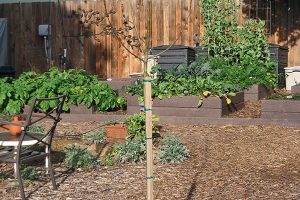
Winter is the time for planting bare-root plants (plants sold without any soil around the roots). It’s an economical way of planting, and you’ll find a much wider variety of fruit trees and bushes available this way. You can also plant bare-root roses, hedges and even perennials. Discover plants to plant bare-root.
Enjoy winter flowers and scent

There are many flowers to enjoy in winter, including Cyclamen coum, hellebores, snowdrops, crocus, aconites and winter iris. The flowers of some plants, such as viburnum, hamamelis (witch hazel) and daphne, are strongly scented. If your garden lacks colour, head to your local garden centre, where you’ll find many seasonal delights – find out how to plant winter bedding.
Tidy up

Spend a morning pottering about tidying your greenhouse and shed, having a seasonal tidy up. The greenhouse is less full at this time of year, so it’s a good time to prepare it for spring. Service or maintain your mower and sharpen your tools, ready for the busier seasons ahead.
Attract wildlife

Garden wildlife really needs your help in winter, and there are lots of things you can do – find out how to help wildlife survive winter. Get advice on feeding garden birds in winter and find out how to make your garden bee-friendly in winter.
Make the most of your greenhouse

Pottering in the greenhouse is a great way to stave off winter blues. Tidy up overwintering pelargoniums, have a go at growing citrus plants, or plant up a pot of succulents. In January and February you can start sowing seeds in a heated propagator. If temperatures plummet, insulate the greenhouse with bubble wrap.
Plant winter containers

A few winter containers, planted with evergreens and plants with colourful berries or flowers, can brighten a dull winter day. Position them near the house so you can enjoy them easily. Discover 10 winter containers to try.
Prune fruit trees, bushes, shrubs and roses

Winter is the main time to prune many types of fruit, including blackcurrants, apples, pears, autumn-fruiting raspberries, redcurrants and gooseberries. It’s also a good time to tackle trees, shrubs and roses. Find out more about what to prune in winter.
Appreciate seedheads

Many perennials are cut back at the onset of autumn, but it’s worth leaving plants with attractive seedheads, such as rudbeckia, teasels, echinops and ornamental grasses, intact so that you can enjoy their unique beauty over winter. Cut down in spring, when you see new growth appearing at the base.
Keep the veg plot going

Crops to harvest in winter include parsnips (which taste better after a frost), kale, Brussels sprouts, leeks, winter cabbages and winter salad. If you didn’t get around to planting winter veg and salad earlier in the year, you can grow pulses indoors, as well as microgreens, ready in just a few days. You can also plant for future feasts – garlic, fruit bushes and raspberries and rhubarb can all be planted in winter.