
Red hot pokers (Kniphofia) are exotic-looking perennials with distinctive bottlebrush blooms that come in a range of fiery colours, from red through to orange, yellow and lime green. They have a long flowering season and look fantastic when planted en masse in hot-coloured borders, growing with plants such as yarrow, rudbeckias, heleniums and agapanthus, which thrive in the same sunny growing conditions.
Native to eastern regions of South Africa, red hot pokers do best in a sheltered, sunny site. Outside the flowering season, they bear clumps of slender, strappy foliage, which is attractive in its own right.
How to grow red hot pokers
Grow red hot pokers in moist but well-drained soil in full sun to partial shade. Cut them to the ground after flowering and keep the roots dry in winter. Divide in spring to propagate new plants and reinvigorate existing clumps.
Growing kniphofias: jump links
- Where to grow kniphofias
- How to plant kniphofias
- How to care for kniphofias
- How to propagate kniphofias
- Growing kniphofias: problem solving
- Red hot poker varieties to grow
Where to grow kniphofias

Red hot pokers are a popular choice for sunny hot borders and coastal gardens. Grow them with other colourful perennials such as yarrow, phlox and verbena. Smaller, narrow-leaved cultivars work well in pots.
How to plant kniphofias

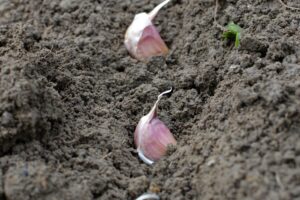
Dig a generous hole, adding compost or well-rotted manure to the planting hole if you have light, sandy soil. Tease out the fleshy roots and plant the rootball at the same depth it was in the pot. Firm around the rootball gently and water well.
Here, Monty Don demonstrates how to plant three types of kniphofia around his pond:
How to care for kniphofias

Kniphofias suffer in winter wet, so plants may need some help to get through winter, especially in the first couple of years. In autumn, remove the faded flower spikes and apply a deep, dry mulch around the crown.
Divide and replant congested clumps in spring.
How to propagate kniphofias

There are many different kniphofia cultivars, but these won’t come true from seed saved from the flowers and some are sterile. The best way to propagate kniphofias is to divide them in spring. Dig up a clump and use a spade or sharp knife to slice through the rootball, ensuring there are growing tips on each new clump. Replant one of the clumps in the original planting hole and use the others to increase your stock of kniphofias elsewhere.
Growing kniphofias: problem solving
Kniphofias are generally quite trouble-free. However slugs and snails might overwinter among the leaves and feast on new spring shoots, so check plants or put protection in place. If conditions are damp, plants can be affected by root rot and should be dug up and discarded.
Advice on buying kniphofias
- Research carefully which kniphofias to buy. Some require a heavy moist soil while others do best in dry soils. Choosing the best vareities for your garden will ensure the greatest growing success
- Red hot pokers are available to buy from garden centres and large nurseries but you will find a greater range of varieties from specialist nursreies or online
- Always check plants for signs of disease and pests before planting
Where to buy kniphofias
Red hot poker varieties to grow

‘Percy’s Pride’ – with greenish yellow flower spikes, this looks good planted with Euphorbia mellifera that enjoys similar growing conditions
‘Nancy’s Red’ – produces bright red flower spikes between June and October. Team with other hot-coloured flowers, such as heleniums, rudbeckias and perennial grasses
‘Ice Queen’ – this is one of the palest red hot pokers available. It bears tall, green-tipped, white flower spikes between June and October
‘Sunningdale Yellow’ – an early-flowering red hot poker, bearing slender flowers in warm yellow, from June to October