
By Jennifer Poindexter
If you’re new to gardening, you might be considering growing a container garden or a raised bed garden. This is a great option if you’re trying to grow your skills or are low on space.
However, one of the biggest hiccups to container and raised bed gardens is overcrowding your planters. There are many great ideas around the Internet on how to interplant crops in containers or raised beds.
Yet, if you don’t have a large enough growing area to support your plants, it could do more harm than good. Here’s what you should consider when planting in containers or raised beds:
Quick Tip: Be Mindful of How Many Plants Per Container
Growing crops in containers or raised beds is great when learning new gardening skills, when you’re low on space, or if you want a way to garden which is less physically demanding.
Here are a few things to consider:
1. Container Size
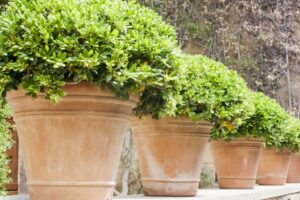
This is a generalization, but in many cases you may grow three plants in a 12-inch container. If you’re utilizing a 16-inch container, there’s typically room for four plants.
If you’re growing in a larger container (such as a 20-inch), there’s usually room for approximately six plants.
You may be able to fit more plants if they’re smaller and less if you’re growing all larger plants. When growing different varieties of plants together in a container, try to select options of varying sizes to avoid them competing for space.
2. Raised Bed Size
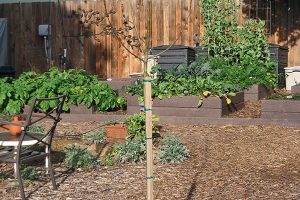
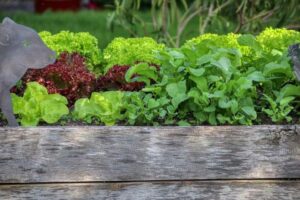
I have a raised bed garden and one of the biggest challenges is avoiding over planting in this area.
A general rule of thumb when planting in raised beds is that a square foot can support approximately one dozen small plants such as lettuce.
If you’re growing medium-sized flowers or crops, a square foot may support up to four plants. When growing larger plants, such as peppers and tomatoes, growing one per square foot is best.
This should ensure your plants have ample growing room which deters weak plants and issues with pests and diseases.
3. Growing Vertically
When growing in a raised bed or container garden, consider ways to grow plants vertically. This allows for growing room in a smaller area.
One thing I like to do when growing in containers or raised beds is add a trellis. I typically use cattle panels. This allows vining plants to grow up and over.
In turn, I can plant something smaller (such as lettuce or basil) in the bottom of the growing space which won’t be smothered by the vining or larger plant. Add more support for vining and bigger plants to free up growing space beneath them.
4. Less Is Best
One hard lesson I’ve learned is in containers and raised bed gardens, growing fewer plants is generally better.
The reason is if you provide the necessary growing space and care each plant needs, it should produce more abundantly.
It’s better to grow fewer plants which are more productive than cram too many plants into a smaller growing space and receive more headache and less harvest.
These are a few things you should consider when growing a container or raised bed garden. Though it’s tempting to fill your gardens with a variety of lush plants, consider the amount of growing space you have to work with.
Avoid the temptation of overcrowding your space and only plant what the area can reasonably support. From there, provide adequate care for your plants and give them every reason to thrive.
More About Container Gardening
https://mgsantaclara.ucanr.edu/garden-help/container-gardening/
https://content.ces.ncsu.edu/extension-gardener-handbook/18-plants-grown-in-containers
https://extension.psu.edu/the-art-of-container-gardening

The post Quick Tip: How Many Plants Per Container? appeared first on Gardening Channel.