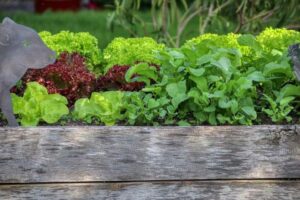

Planting seeds – or sowing seed, to use the correct term – is a simple and inexpensive way of growing new flowers and vegetables for your garden. Sowing seed indoors allows you to start the growing year much earlier than if sowing seeds outside. When growing salad and vegetable crops, it’s a good idea to sow a small amount of seed every two weeks, to ensure you have a long season of fresh produce to eat throughout summer. This is called ‘successional sowing’.
Free seeds for subscribers
Subscriber Club members receive 14 free packs of seeds in 2023, worth over £33. Find out more about the free seeds here, plus how to subscribe.

How to germinate seeds
You don’t need a lot of kit to sow seeds. Many gardeners buy expensive propagators but a seed tray or a few plastic pots, will do the job. If you don’t have plastic pots then try using old yoghurt pots with holes punched in the bottom, or tomato or mushroom punnets instead of a seed tray. Any vessel that can hold compost and allow water to drain freely is suitable.
Buy peat-free, multi-purpose, compost. Some very small seeds need specialist ‘seed compost’ to germinate, but multi-purpose compost is fine for most seeds.
To maintain an even temperature and keep the soil moist, it’s a good idea to cover the soil with a clear piece of plastic. A bespoke propagator will come with its own clear plastic lid, but you can use cling film, old freezer bags or any clear plastic bag. Use sticky tape or an elastic band to fix it to the pot.
More on sowing seed:
Video: Essential kit for seed sowing
Expert advice from Alan Titchmarsh
Follow our step-by-step guide to sowing seed indoors, below.