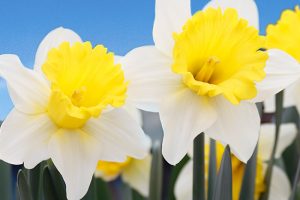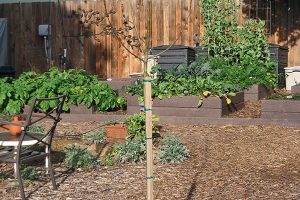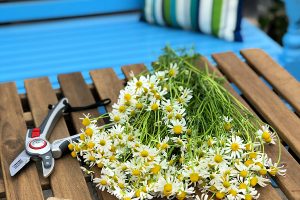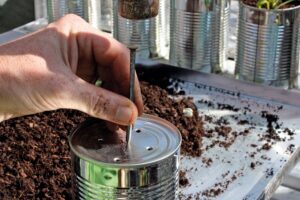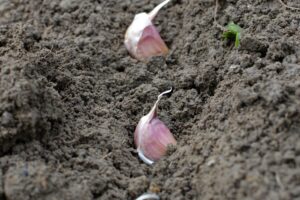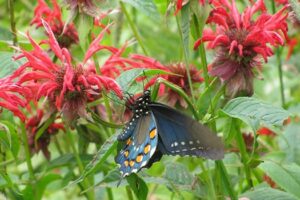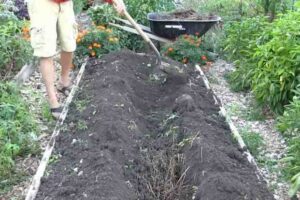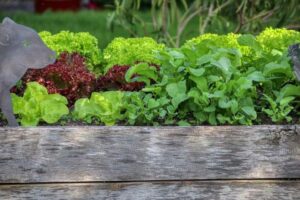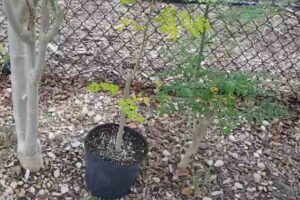

The spring season really begins to unfurl in March. Daffodils are fully flowering and shoots are breaking through the warming soil. Slugs and snails that have been hibernating are beginning to emerge, so protecting young shoots from them will be paramount – as well as giving everything a good mulch and sowing seeds indoors.
It’s also a period of watching and waiting. At some point this month you can really get underway with spring tasks, but some jobs will have to wait, for example, soil may still be waterlogged, so will become compacted when walked on. Equally, the nights will still be too cold for planting any of your tender plants outside. The birds have now built their nests and, with emerging insects and flowers, there is food aplenty, so the ornamental grasses and herbaceous perennials you’ve been leaving for birds to feed on throughout winter can now be removed. It is also the perfect time to rejuvenate shrubs with a prune, so now is your last chance to get blackcurrants, gooseberry bushes and roses into shape.
More pruning advice:
Plants to prune now:
March pruning is varied. Evergreen plants become safe to prune as the frost risk lowers and climbers such as late-flowering clematis or honeysuckle can be tidied. Many March prunes are optional, for example, changing a plant’s habit, increasing foliage size or ensuring a compact plant through summer.
Forsythia

Cut back forsythia once the flowers have finished, to strong, new, leafy sideshoots. You can also cut out one or two old stems completely.
Eucalyptus

Prune eucalyptus now to promote the ornate, young foliage – similar to cotinus and rhus, both produce larger and fewer leaves if cut back.
Artemisia

Slightly tender plants like artemisia and melianthus can be pruned now that it’s warmed up a little, without fear of harming them.
Hebe

Hebe can be trimmed to achieve neat, compact growth. Cut off any old flower heads from last year at the same time.
Avoid pruning:

- Philadelphus or any other spring-flowering shrub that hasn’t flowered yet, such as ceanothus, escallonia, kerria (see below), lilac, osmanthus or flowering currants. Instead, prune these after flowering in the late spring or summer. Doing so now will remove the flower buds.
- Kerria japonica produces flowers on last year’s growth and shoots from the base. Prune a third of the stems to ground level when it has finished blooming.
- Any shrub, hedge or tree that has nesting birds. It is illegal to knowingly do so – pruning causes huge disruption to breeding and can destroy the eggs of any birds already nesting.
Step-by-step: Trimming deciduous ornamental grasses

Grasses have become a garden mainstay, and each species has its own requirements. The family Poaceae, which encompasses bamboo, meadow grasses, ornamentals and sweetcorn, is vast and varied, with over 12,000 species. Many are annual so need growing from seed each year. Others, like bamboo, carex, Festuca glauca, ophiopogon and pampas grass, are evergreen and should not be pruned unless to control their size. The foliage of deciduous grasses, which has been so useful for overwintering creatures, now needs removing, otherwise, things quickly look messy.