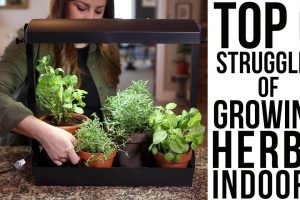
The word ‘pest’ isn’t used so much in gardening terms anymore, as all insects have a role to play in the garden ecosystem. House plants, however, aren’t part of the wider garden ecosystem so the term ‘pest’ still applies. And, while blasting plants with chemical insecticides isn’t good for the plant, us or the planet, it’s important to be vigilant about house plant pests to keep them at bay.
If you find a mealybug or scale insect on the leaves of your house plants, don’t panic – finding pests is usually more of a shock to us than it is to the house plants. However, it’s important to act quickly, as leaf insects don’t have any natural predators indoors, so need to be removed by us before they multiply and start harming the plant.
Take a look at the house plant pests, below, and find out how to eradicate them.
1. Aphids

Find them on: all house plants except cacti
Aphids may fly into your home through an open window in summer, and lay eggs on the leaves of your house plants. Wash them off using a cloth with soapy water. In a greenhouse or conservatory you may consider using a biological control for large infestations.
- Buy biological control for aphids from Dragonfli
2. Mealybugs

Find them on: orchids, palms, cacti, succulents, monstera, peace lily
Mealybugs are often the most visible pests to spot on a house plant due to their bright white appearance. While mealybugs themselves resemble woodlice and measure up to 3mm in length, the females produce white cottony clumps to lay their eggs in. Wipe the foliage down with a warm soapy cloth with detergent, making sure all bugs and fluff have been removed.
- Buy biological control for mealybug from Dragonfli
3. Scale insects

Find them on: dracaena, cacti, succulents, fruiting trees, umbrella tree, ficus, philodendrons, monstera
Scale insects resemble very small seashells glued to the leaf or stem, often brown in colour. Remove them with soapy water – use an old tooth brush to brush if you need to.
- Buy biological control for scale insect from Dragonfli
4. Spider mites

Find them on: ferns, monstera, peace lilies, calathea, maranta, ficus, cymbidiums
Sap-feeding red spider mites will slowly cause the foliage to become mottled, with either yellow or translucent spots appearing across all of the leaves. If untreated, the plant may develop stunted growth and sudden leaf loss. Use a cloth to remove the webbing and mites but to stop the mites breeding, increase humidity by placing a dish of water nearby, or misting the leaves regularly with water.
- Buy biological control for spider mites from Dragonfli
5. Thrips
Find them on: all house plants
Thrips should be removed as soon as you spot them. Their strong mouthparts, wings and rapid reproduction rates enable them to spread across any house plant in any room. House plants quickly decline in health, developing yellow-brown legions that often have raised braille-like textures. Rinse the foliage in the shower or outside to curb its ability to repopulate, and consider using a biological control specifically designed to treat thrips.
- Buy biological control for thrips from Dragonfli
6. Fungus gnats

Find them on: any house plant that is being over-watered
Fungus gnats don’t damage plants but can be annoying to us. They breed in moist compost so the best way to prevent infestations is to stop watering your plants for a few weeks. You can also purchase nematodes online that can be mixed into water and directly poured into the soil. The nematodes will enter and infect the fungus gnat eggs and larvae, killing them before they become adults.
- Buy biological control for fungus gnats from Dragonfli