
by Michelle Smith
Most gardeners learn by example or read about gardening and then get out and do it. But they can still make some common mistakes. Here are some common garden mistakes and possible solutions.

Gardening Problem: Planting Garden Plants Too Early
Even the most cold hardy plants have a limit. Each plant has a climate they prefer and if the guidelines are not properly followed, the plants can suffer. Drops in production and even death can be the result.
Avoid planting too early. Make sure you read the instructions carefully. If in doubt, do some research. Ask an expert. Call a local greenhouse or visit the library to find a book on the particulars of the plant you plan to grow.
Solutions for Planting Too Early
Once you’ve planted too early, it’s usually too late to do anything about it. But there are some things that might help keep the plant alive and more healthy.
A cold frame can be used to keep the plant warm. A cold frame is usually a box with a window or some plastic that absorbs heat from the sun and traps it inside the box along with the plants. This allows to keep the temperature warm around the plant. There are many types of cold frames available commercially so check out the local home and garden stores for the best selections.
Two liter soda bottles can be used in place of the cold frame to keep the plant warm. This can only be used on plants that are still small, smaller than the two liter bottles. Using green bottles is better because it regulates the temperature better than clear bottles. Used as a makeshift greenhouse, the two-liter bottle solution is practical and cost efficient.

Gardening Problem: Poor Soil Preparation
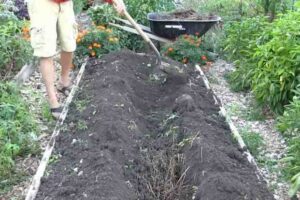
Poor soil preparation can lead to a variety of issues, such as stunted plant growth, reduced yields, and increased susceptibility to pests and diseases. Inadequate soil preparation can also make it difficult for plant roots to access the necessary nutrients and water, ultimately affecting the overall health and productivity of your plants.
Solutions for Poor Soil Preparation
- Soil testing: Before planting, conduct a soil test to determine the pH, nutrient levels, and texture of your soil. This information will help you understand what amendments are needed to improve the soil.
- Adding organic matter: Improve the soil’s structure, fertility, and water-holding capacity by incorporating organic matter like compost, aged manure, or leaf mold. This will promote a healthy root system and provide essential nutrients for your plants.
- Proper tilling: Till or loosen the soil to a depth of at least 8-12 inches. This will help to break up compacted soil, improve aeration, and allow plant roots to penetrate more easily.
- Correcting pH levels: Based on your soil pH test results, adjust the soil pH if necessary. For most plants, a pH of 6.0-7.0 is ideal. Add lime to raise the pH or sulfur to lower it.
- Incorporating slow-release fertilizers: Apply a balanced, slow-release fertilizer according to the recommended rates for your specific plants. This will ensure a consistent supply of nutrients throughout the growing season.
- Proper drainage: Ensure your planting area has adequate drainage to prevent waterlogged soil. If necessary, create raised beds or amend the soil with sand or organic matter to improve drainage.
By addressing these factors during soil preparation, you can create a healthy foundation for your plants, setting them up for optimal growth and productivity.
Gardening Problem: Weak or Leggy Stems on Garden Plants
Leggy stems are stems that are too long. This can cause a weakness in stem strength and can cause moderate to severe harm to the plant’s productivity. They can cause some plants to droop and bend over. This allows an increased risk of soil borne diseases because there is a likelihood that the plant parts are touching the ground.
Solutions for Weak or Leggy Stems
- Proper lighting: Leggy stems often result from insufficient light. Ensure your plants receive adequate sunlight or supplement with artificial lighting if necessary. Most plants require a minimum of 6 hours of sunlight per day.
- Correct planting depth: For plants that are prone to leggy stems, such as tomatoes and peppers, transplant them into a larger pot and bury the stem deeper into the soil. This promotes a stronger root system and provides additional support to the remaining stem.
- Appropriate spacing: Overcrowded plants may compete for light, leading to leggy growth. Space your plants according to their specific needs to ensure they receive enough light and air circulation.
- Pinching and pruning: Regularly pinch or prune back the tips of leggy stems to encourage bushier growth and increased branching. This helps develop a sturdier plant structure.
- Proper fertilization: Excessive nitrogen can lead to leggy growth. Use a balanced fertilizer and follow recommended application rates to avoid over-fertilization.
By addressing these factors, you can help prevent and correct weak or leggy stems, resulting in healthier, more robust plants.
Gardening Problem: Sporadic Seed Germination
Most seeds have a shelf life. They won’t last long even under perfect conditions. This can cause sporadic germination, when a lot of the seeds don’t grow.
To test whether seeds are in good condition, do the seed germination test. Get a good sample of seeds. Ten is ideal. Put the seeds in between two wet paper towels and place in a bag. Put the bag in a dark setting for a few days. If more than six of the seeds sprout then your chances of good germination are high. But if less than six sprout, it’s probably time to get new seeds.
Solution to Sporadic Seed Germination
You could plant more of the seed but it could be a waste. The only good solution to this problem is to buy new seeds. Try a different brand if you have problems with certain ones. Try a different type or variety of seed.
Gardening Problem: Incorrect Watering
Incorrect watering, which includes both overwatering and underwatering, can lead to a variety of issues for your plants. Overwatering can cause root rot, fungal diseases, and suffocation, while underwatering can result in wilting, stunted growth, and reduced yields.
Solutions for Incorrect Watering
- Monitor soil moisture: Regularly check the soil moisture by sticking your finger about an inch into the soil. If it feels dry at that depth, it’s time to water. If it feels moist, wait before watering.
- Watering frequency: Adjust your watering schedule according to the specific needs of your plants, the weather, and the season. Keep in mind that plants typically require more water during hot or dry periods.
- Watering technique: Water at the base of the plants, avoiding the foliage, to reduce the risk of fungal diseases. Use a soaker hose or drip irrigation system for more efficient and targeted watering.
- Proper drainage: Ensure your planting area or containers have adequate drainage holes to prevent waterlogged soil. Overly saturated soil can lead to root rot and other problems.
- Mulching: Apply a layer of organic mulch around the base of your plants to help retain soil moisture, regulate soil temperature, and reduce evaporation.
- Appropriate plant selection: Choose plants that are suitable for your region’s climate and water availability. Drought-tolerant plants require less frequent watering and are better suited for dry environments.
- Watering time: Water your plants early in the morning or in the late afternoon to minimize evaporation and ensure that the water is effectively absorbed by the roots.
By implementing these strategies, you can achieve the proper balance of watering for your plants, promoting healthier growth and reducing the risk of water-related issues.
Gardening Problem: Insufficient Sunlight
Insufficient sunlight can result in weak, spindly growth, reduced yields, and a higher susceptibility to pests and diseases. Plants that don’t receive enough sunlight may also have smaller, fewer, or no flowers and fruits, impacting their overall productivity.
Solutions for Insufficient Sunlight
- Choose the right location: Select a planting site that receives at least 6 hours of direct sunlight per day for most plants. Be aware of shade patterns created by trees, buildings, and other structures in your garden.
- Plant selection: Opt for shade-tolerant plants if your garden receives limited sunlight. These plants can thrive in lower light conditions, ensuring a successful garden despite the lack of sun.
- Pruning and thinning: Regularly prune and thin out overgrown trees and shrubs to increase the amount of sunlight that reaches your garden plants. This will also improve air circulation and reduce competition for resources.
- Plant spacing: Properly space your plants to ensure they receive adequate light and aren’t competing for sunlight. Overcrowding can lead to insufficient sunlight for all plants in the area.
- Reflective surfaces: Incorporate light-colored or reflective surfaces, such as light-colored mulch, white or silver garden fabrics, or even mirrors, in your garden to increase the amount of light your plants receive.
- Supplemental lighting: If your garden is indoors or in a greenhouse, consider using grow lights to supplement natural sunlight. These artificial lights can provide the necessary light spectrum for healthy plant growth.
- Vertical gardening: If space is limited, consider using trellises, vertical planters, or hanging baskets to maximize the exposure of plants to sunlight.
By addressing the issue of insufficient sunlight and implementing these solutions, you can help ensure that your plants receive the necessary light for healthy growth and productivity.
Gardening Problem: Planting Too Close Together
Planting too close together can lead to overcrowding, which causes competition for sunlight, water, and nutrients. This can result in stunted growth, reduced yields, and increased susceptibility to pests and diseases due to poor air circulation and humidity.
Solutions for Planting Too Close Together
- Proper spacing: Follow the recommended spacing guidelines for each plant variety. This information can typically be found on seed packets, plant tags, or in gardening reference materials.
- Succession planting: Stagger your planting times to ensure that not all plants are competing for resources at once. As one crop finishes, another can be planted in its place, maximizing garden space and productivity.
- Use of containers: Grow some plants in containers to increase available space and allow for easier repositioning to accommodate growth. Containers also provide better control over soil, water, and nutrient conditions.
- Vertical gardening: Utilize trellises, stakes, and vertical planters to grow plants upward rather than outward. This can help maximize space while still providing plants with adequate light, air circulation, and access to nutrients.
- Pruning and thinning: Regularly prune and thin plants to promote healthy growth and air circulation. Remove any weak, damaged, or diseased growth to improve overall plant health.
- Companion planting: Plant mutually beneficial plants near each other to maximize space and promote healthy growth. Some plants can help deter pests or provide support for neighboring plants, improving overall garden health.
- Choose appropriate plant varieties: Opt for dwarf or compact plant varieties when space is limited. These plants are better suited for smaller gardens and still provide good yields without taking up excessive space.
By implementing these strategies, you can ensure proper plant spacing and avoid the negative consequences of overcrowding in your garden.
Gardening Problem: Ignoring Pest and Disease Control
Neglecting pest and disease control can lead to significant damage in your garden. Pests can destroy foliage, fruits, and flowers, while diseases can weaken plants and reduce overall productivity. In severe cases, pests and diseases can even kill plants or spread rapidly throughout the garden.
Solutions for Ignoring Pest and Disease Control
- Regular monitoring: Inspect your plants frequently for signs of pests and diseases. Early detection is key to preventing severe damage and limiting the spread of problems.
- Proper identification: Accurately identify pests and diseases to determine the most effective control methods. Consult gardening resources or local experts if you’re unsure about the identification.
- Cultural practices: Maintain a clean and healthy garden by removing dead or diseased plant material, properly disposing of garden debris, and practicing good sanitation. This can help prevent the spread of pests and diseases.
- Biological control: Encourage beneficial insects and natural predators, such as ladybugs, lacewings, and birds, to help control pest populations. Provide suitable habitats or plantings to attract these helpful creatures.
- Physical control: Use barriers, traps, or hand-picking to remove pests from your plants. This can help keep pest populations in check without resorting to chemical treatments.
- Chemical control: When necessary, use chemical treatments judiciously and according to label instructions. Opt for organic or less toxic options whenever possible to minimize harm to beneficial insects and the environment.
- Disease-resistant varieties: Choose plant varieties that are resistant to common diseases in your area. This can help reduce the need for chemical treatments and improve overall plant health.
- Crop rotation: Rotate your crops to prevent the build-up of soil-borne diseases and pests. Changing the location of specific plant families each year can help break pest and disease cycles.
By taking a proactive approach to pest and disease control, you can protect your garden from significant damage and maintain a healthy, productive environment for your plants.
Gardening Problem: Using Poor-Quality Seeds or Plants
Starting with poor-quality seeds or unhealthy plants can lead to numerous problems in the garden, such as weak or stunted growth, reduced yields, and increased susceptibility to pests and diseases. Poor-quality seeds may also have lower germination rates or produce plants that don’t match the expected characteristics.
Solutions for Using Poor-Quality Seeds or Plants
- Purchase from reputable sources: Obtain seeds and plants from reputable nurseries, garden centers, or seed companies. These suppliers typically offer higher quality, disease-free, and true-to-type products.
- Check expiration dates: Seeds have a limited shelf life, so always check the expiration or “packed for” date to ensure you’re using fresh seeds with high germination rates.
- Inspect plants: Examine plants carefully before purchasing. Look for signs of robust growth, healthy foliage, and a strong root system. Avoid plants with yellowing leaves, visible pests, or signs of disease.
- Seed storage: Store unused seeds in a cool, dry, and dark location to maintain their viability. Proper storage can extend the shelf life of your seeds, ensuring higher germination rates in future plantings.
- Proper seed sowing: Follow recommended seed sowing guidelines, such as planting depth and spacing, to improve germination and overall plant health.
- Germination testing: If you’re unsure about the quality of your seeds, conduct a germination test by placing a small sample of seeds between moist paper towels and observing the germination rate over a period of several days.
- Consider seed saving: Save seeds from your healthiest and most productive plants to ensure high-quality seeds for future plantings. Be sure to save seeds from open-pollinated or heirloom varieties, as hybrid seeds may not produce true-to-type plants.
By focusing on high-quality seeds and plants, you can lay a strong foundation for a successful and thriving garden.
Gardening Problem: Using Too Many Chemicals in the Garden
Some gardeners use sprays and other chemicals to deter pests such as insects and rodents. But using too many chemicals can be harmful not only to humans but to your garden as well.
Too many sprays that harm insects can harm beneficial insects such as ladybugs and praying mantis. Spraying too much can also allow certain insects and pests to become resistant to the sprays thus rendering the sprays ineffective for following applications.
Some chemicals are harmful to humans, especially those with immune problems and younger children.
Solutions for Too Many Chemicals in the Garden
Using natural pest deterrents is the best way to avoid the dangers of chemical sprays. Some common natural sprays and deterrents could include garlic spray and pepper sprays. Infuse some water with garlic or cayenne pepper. The best way would be to boil some water and add in garlic or cayenne pepper. Then let it cool. Add a few drops of dish detergent to the mixture. Then spray it on the plants. It won’t harm the plants and you can easily wash it off once harvest comes around.
Some plants can be deterrents in their own right. Basil helps repel certain insects from tomatoes and peppers. So do onions and the rest of the onion family (chives, garlic, leeks). Do some research on companion planting such as planting onions with roses to keep the Japanese beetles at bay or other companions such as marigolds around vegetables to keep soil insects away.
The post Biggest Gardening Problems and Mistakes for Beginners – and the Solutions! appeared first on Gardening Channel.